

If you’ve ever watched your furry best friend snoozing on the couch and wondered how many breaths per minute is normal for a dog, you’re not alone. This is actually one of the most important vital signs pet parents should monitor, yet it’s often overlooked. Unlike heart rate or temperature, respiratory rate is something you can check at home without fancy equipment—just your eyes, ears, and a little patience.
Table of Contents
- Understanding Your Dog’s Respiratory Rate Baseline
- How to Measure Your Dog’s Breathing Rate at Home
- Factors That Affect Canine Respiratory Rate Variations
- When Rapid Breathing Signals a Problem
- Slow Breathing: Is That Normal or Concerning?
- Panting vs. Normal Breathing: What’s the Difference?
- Breed-Specific Breathing Considerations
- Respiratory Rate and Your Dog’s Health Status
- When to Contact Your Veterinarian About Breathing Changes
- Using Technology to Monitor Respiratory Rate
- Creating a Wellness Baseline for Your Dog
- Frequently Asked Questions
- Summary: Keeping Your Dog’s Breathing in Check
Understanding Your Dog’s Respiratory Rate Baseline
The normal respiratory rate for a healthy adult dog typically ranges between 10 to 30 breaths per minute when they’re at rest. Yes, that’s a pretty wide range, and for good reason. Just like humans, dogs have individual variations based on age, breed, fitness level, and temperament. A calm, relaxed pup might breathe slowly at 10-15 breaths per minute, while a more anxious or excitable dog could naturally sit at 20-30 breaths per minute even when resting.
Puppies and senior dogs often have slightly different baselines. Puppies might breathe a bit faster due to their higher metabolism, while older dogs sometimes show increased respiratory rates as their bodies work harder. The key is knowing what’s normal for your specific dog so you can spot changes early.
How to Measure Your Dog’s Breathing Rate at Home
This is the easy part, and honestly, it’s kind of fun once you get the hang of it. Here’s the step-by-step process:
Step 1: Make sure your dog is calm and resting. Don’t measure right after playtime or exercise—wait at least 5-10 minutes for their breathing to return to normal.
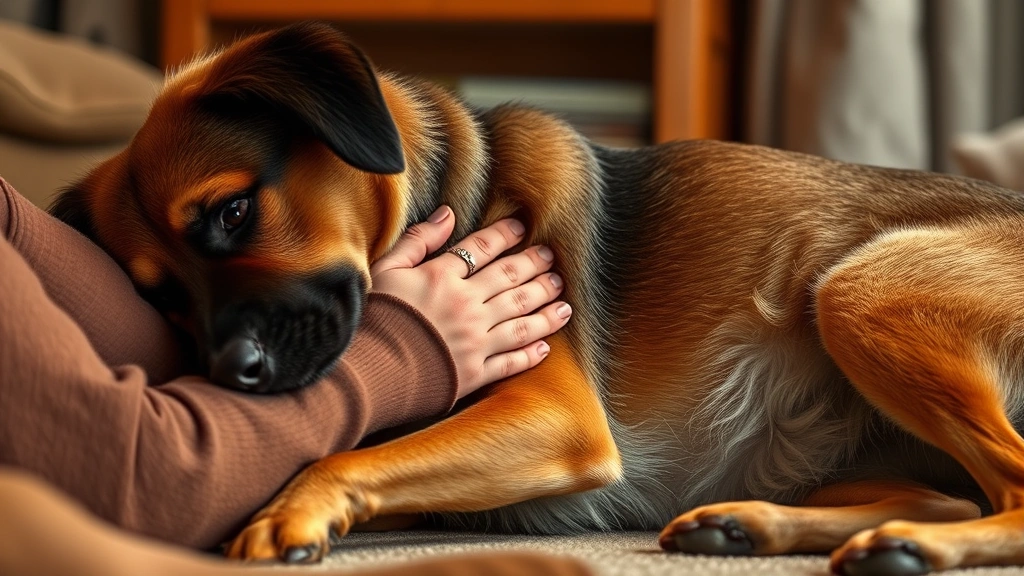
Step 2: Watch your dog’s chest rise and fall. You can do this visually by observing their ribcage, or you can gently place your hand on their side to feel the movement.
Step 3: Count the number of complete breaths (one inhale and one exhale equals one breath) in 60 seconds. If you want to be quicker, count for 15 seconds and multiply by four, but the full minute is more accurate.
Step 4: Write it down. Seriously. Keep a little log so you can track trends over time. This information is gold when you visit your vet.
Factors That Affect Canine Respiratory Rate Variations
Several factors can cause your dog’s breathing rate to fluctuate throughout the day. Temperature is a big one—dogs pant to cool themselves, so you’ll notice faster breathing on hot days or after exercise. Stress and anxiety also elevate respiratory rate. If your dog hates car rides or gets nervous at the vet, their breathing will be faster than their calm-at-home baseline.
Body size matters too. Small breeds sometimes have naturally faster respiratory rates than large breeds, though individual variation is significant. A Chihuahua might comfortably breathe at 25 breaths per minute, while a Great Dane might be perfectly healthy at 12 breaths per minute. Sleep also dramatically slows breathing—your dog might drop to 8-10 breaths per minute during deep sleep, which is totally normal.
When Rapid Breathing Signals a Problem
Now here’s where things get serious. If your resting dog is consistently breathing faster than 30 breaths per minute—especially when they’re calm and cool—that’s a red flag worth investigating. Rapid breathing at rest can indicate several health issues including pain, fever, heart disease, or respiratory problems. According to PetMD, conditions like congestive heart failure can cause increased respiratory rates.
If your dog has CHF in dogs, you might notice they’re breathing harder at rest or during light activity. This is because their heart isn’t pumping efficiently, forcing their lungs to work overtime. Other signs include lethargy, coughing, or difficulty settling down to sleep.
Respiratory infections, allergies, and obesity can also cause elevated resting breathing rates. If you notice your dog breathing fast while resting for more than a few days, it’s time to call your vet. Don’t panic—it could be something minor—but it’s definitely worth professional evaluation.
Slow Breathing: Is That Normal or Concerning?
On the flip side, what if your dog is breathing really slowly? If your dog is in deep sleep or very relaxed, breathing as low as 5-8 breaths per minute is completely normal. However, if your awake dog consistently shows breathing rates below 10 breaths per minute, that could indicate a problem. Extremely slow breathing (called bradypnea) can signal neurological issues, hypothermia, or other serious conditions requiring veterinary attention.
The context matters tremendously here. A sleeping dog breathing slowly is fine. An awake, alert dog breathing slowly is worth investigating. When in doubt, contact your vet and describe what you’re observing.
Panting vs. Normal Breathing: What’s the Difference?
Let’s clarify something important: panting is not the same as normal breathing, though many pet parents confuse the two. Normal breathing is quiet and rhythmic, with the mouth closed or barely open. Panting involves rapid, open-mouth breathing and serves a cooling function. Dogs pant when they’re hot, excited, or stressed—and that’s completely normal behavior.
However, excessive panting when your dog is cool and calm can indicate pain, anxiety, or health problems. If your dog is panting heavily indoors on a cool day while just lying around, that warrants investigation. If your dog is also coughing, you might be dealing with a respiratory issue that needs attention.
Breed-Specific Breathing Considerations
Brachycephalic breeds—those adorable flat-faced pups like Bulldogs, Pugs, and Shih Tzus—naturally have different breathing patterns. These breeds often breathe faster and louder than long-nosed breeds due to their anatomy. Their respiratory rates might naturally run toward the higher end of the normal range (20-30 breaths per minute), and they’re prone to breathing difficulties even when healthy.
If you have a brachycephalic breed, it’s especially important to monitor their breathing carefully. These dogs are at higher risk for respiratory problems, so knowing their individual baseline is crucial. Heat sensitivity is also a bigger concern for flat-faced breeds, so avoid strenuous exercise in warm weather.
Respiratory Rate and Your Dog’s Health Status
Monitoring respiratory rate becomes even more critical if your dog has existing health conditions. Dogs with CHF in dogs should have their breathing monitored regularly. Similarly, if your dog has been diagnosed with allergies, asthma, or other respiratory conditions, tracking breathing rate helps you and your vet assess how well treatment is working.
Some vets actually recommend that pet parents with senior dogs or dogs with health issues keep a simple log of vital signs—including respiratory rate—to share during checkups. This data helps your vet catch problems early and adjust treatment as needed.
When to Contact Your Veterinarian About Breathing Changes
You should reach out to your vet if you notice: persistent rapid breathing at rest (over 30 breaths per minute), sudden changes in breathing patterns, difficulty breathing or labored breathing, excessive panting without heat or exertion, or wheezing and coughing. When to call the vet about food also applies to breathing changes—if something seems off, it’s better to check than worry.
If your dog is struggling to breathe, gasping, or showing signs of distress, don’t wait for a regular appointment—seek emergency veterinary care immediately. Respiratory distress is a serious condition that can deteriorate quickly.
Using Technology to Monitor Respiratory Rate
In our tech-obsessed world, there are actually apps and wearable devices that can help you track your dog’s vital signs. Some smartwatch-style devices designed for pets can monitor respiratory rate along with heart rate and activity levels. While these aren’t necessary for every dog, they can be helpful if you have a senior dog or a pup with health concerns.
That said, the low-tech method of watching your dog’s chest and counting breaths is still the gold standard. It’s free, requires no equipment, and gives you quality time bonding with your pup. Plus, you get to know your dog’s normal baseline intimately, which is invaluable.

Creating a Wellness Baseline for Your Dog
The best time to establish your dog’s normal respiratory rate is now, while they’re healthy. Measure their breathing several times over the next week—morning, afternoon, and evening—when they’re calm and resting. This gives you a personal baseline to compare against. Write these numbers down and keep them accessible.
Share this information with your vet at your next checkup. They might add it to your dog’s chart, and it becomes a reference point for future visits. When you notice changes, you’ll have concrete data to discuss, which helps your vet make better diagnostic decisions.
Frequently Asked Questions
What’s the normal respiratory rate for a sleeping dog?
A sleeping dog can breathe as slowly as 5-8 breaths per minute, which is completely normal. Sleep dramatically slows respiratory rate, so don’t be alarmed if your snoozing pup seems to be barely breathing.
Is 40 breaths per minute normal for a dog?
No, 40 breaths per minute is elevated and warrants investigation. While some excitement or heat can temporarily elevate breathing, a resting dog consistently breathing at 40 breaths per minute should be evaluated by a veterinarian.
Can stress cause rapid breathing in dogs?
Absolutely. Anxiety, stress, and excitement can all cause temporary increases in respiratory rate. This is normal and should return to baseline once your dog calms down. However, if your dog remains stressed and breathing rapidly for extended periods, that’s worth mentioning to your vet.
How do I know if my dog has a respiratory infection?
Signs of respiratory infection include coughing, rapid breathing, nasal discharge, lethargy, and loss of appetite. If you suspect a respiratory infection, contact your vet. Online pet diagnostics can sometimes help you understand symptoms, but professional evaluation is necessary for proper diagnosis.
Should I measure my dog’s breathing rate every day?
For healthy dogs, measuring occasionally (weekly or monthly) is sufficient to establish a baseline. For senior dogs or dogs with health conditions, your vet might recommend more frequent monitoring. Ask your veterinarian what’s appropriate for your specific dog.
Summary: Keeping Your Dog’s Breathing in Check
Understanding how many breaths per minute is normal for a dog is a simple yet powerful tool in your pet parent arsenal. The normal range of 10-30 breaths per minute at rest covers most healthy adult dogs, but individual variation is significant. By measuring your dog’s breathing rate when they’re calm and establishing a personal baseline, you’re equipped to notice changes early.
Regular monitoring is especially important for senior dogs, brachycephalic breeds, and dogs with existing health conditions. Remember that rapid breathing at rest, sudden changes in breathing patterns, or labored breathing warrant veterinary evaluation. Your vet appreciates pet parents who track vital signs and bring data to appointments—it helps them provide better care.
The bottom line? Take a few minutes this week to count your dog’s breaths. Make it a bonding moment. Write down the number. You’re not just being a good pet parent—you’re potentially catching health issues before they become serious. And that’s something worth celebrating.





