
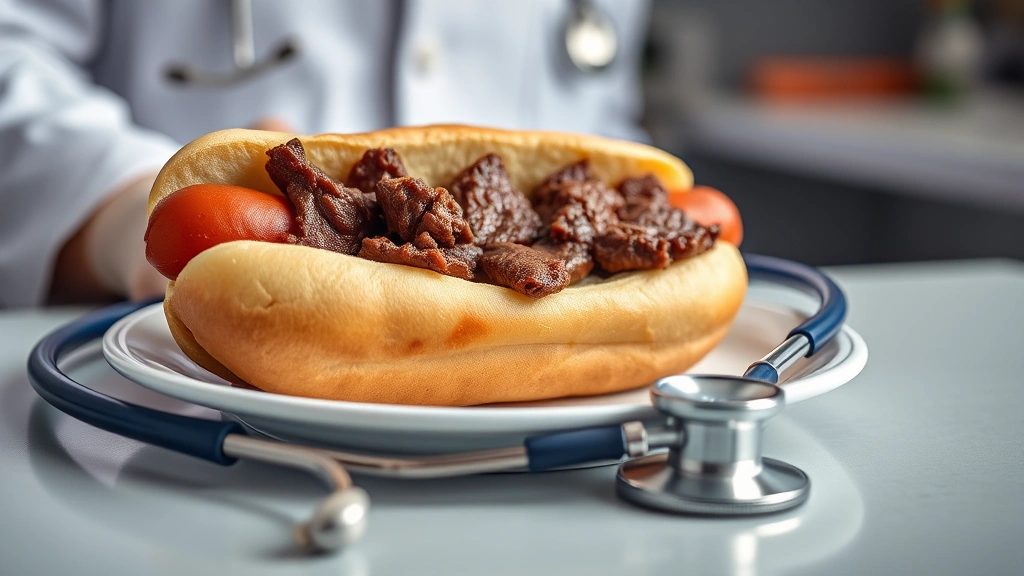
So you’re wondering how many carbohydrates in hot dogs—and honestly, you’re asking the right question before tossing one to your furry friend. Hot dogs are one of those human foods that seem harmless enough, but the carb content and other nutritional sneakiness might surprise you. Let’s dig into what’s really in those processed meat tubes and whether your pup should be munching on them.
Table of Contents
- Understanding Hot Dog Nutrition Basics
- Carbohydrate Content Breakdown by Hot Dog Type
- The Hidden Carbs in Hot Dog Buns and Toppings
- Are Carbs Bad for Dogs? The Real Answer
- Sodium and Other Concerns Beyond Carbs
- Safe Portion Sizes for Your Pup
- Low-Carb Hot Dog Alternatives for Dogs
- Special Considerations for Dogs with Pancreatitis
- Reading Labels Like a Pro
- When to Call the Vet
- Frequently Asked Questions
- Final Thoughts: Making Smart Choices for Your Dog
Understanding Hot Dog Nutrition Basics
Before we talk carbs, let’s get real about what a hot dog actually is. A typical beef hot dog contains around 150-180 calories, depending on the brand and size. The macronutrient breakdown usually looks something like this: roughly 15-17g of fat, 5-7g of protein, and here’s the kicker—about 1-3g of carbohydrates per hot dog. Now, that might not sound like much, but when you’re feeding a small dog or a pup with dietary restrictions, those carbs add up faster than you’d think.
Carbohydrate Content Breakdown by Hot Dog Type
Not all hot dogs are created equal, and the carb content varies depending on what you’re buying. A standard beef hot dog has minimal carbs, usually between 1-2g. Pork hot dogs? Similar story. But here’s where it gets tricky—chicken hot dogs and turkey varieties often have slightly higher carbohydrate counts, ranging from 2-4g per dog, because manufacturers sometimes add fillers and binders to keep them from falling apart during cooking. Then you’ve got the fancy stuff: gourmet hot dogs, kosher varieties, and those fancy schmancy organic ones might have different nutritional profiles entirely. Always check the label because brands vary wildly.
The Hidden Carbs in Hot Dog Buns and Toppings
Here’s where pet owners often mess up their math. You might think you’re giving your dog a hot dog, but if you’re actually feeding them a hot dog in a bun, you just added 20-30g of carbohydrates to the equation. A standard white bread hot dog bun contains roughly 120-150 calories and 20-28g of carbs. That’s a massive difference! Even if you’re being responsible and just giving your dog the hot dog itself (no bun), watch out for condiments. Ketchup, mustard, relish, and especially sweet BBQ sauce can add hidden sugars and carbs. A tablespoon of ketchup alone adds about 4g of carbs. This is exactly the kind of thing discussed in our guide on harmful foods for dogs.
Are Carbs Bad for Dogs? The Real Answer
Dogs are facultative carnivores, meaning they can digest carbohydrates, but they don’t actually need them in their diet. That said, a small amount of carbs from a hot dog isn’t going to kill your dog—unless your pup has specific health conditions. Dogs with diabetes, obesity, pancreatitis, or other metabolic issues need to be much more careful about carbohydrate intake. For a healthy, average-weight dog, an occasional hot dog treat is probably fine. But for dogs with medical conditions, you’ll want to check out our resource on diabetic friendly human foods for pets.
Sodium and Other Concerns Beyond Carbs
While we’re obsessing over carbs, let’s not ignore the elephant in the room: sodium content. A single hot dog can contain 300-500mg of sodium, which is a significant portion of a small dog’s daily sodium needs. Excessive sodium can lead to increased thirst, urinary issues, and in severe cases, hypernatremia (salt poisoning). Plus, hot dogs are processed meats loaded with nitrates and nitrites—preservatives linked to certain health concerns. The carbohydrate content might be low, but the overall nutritional profile of a hot dog is pretty sketchy for regular dog consumption.
Safe Portion Sizes for Your Pup
If you absolutely must share a hot dog with your four-legged buddy, portion size matters tremendously. For a small dog (under 20 lbs), you should give no more than a quarter of a hot dog as an occasional treat. Medium dogs (20-60 lbs) can handle half a hot dog, and large dogs (over 60 lbs) might get away with a whole one—but again, this should be rare. Our detailed guide on human food portion sizes for pets breaks down exactly how to calculate treat portions for your specific dog’s weight and caloric needs.

Low-Carb Hot Dog Alternatives for Dogs
Want to give your pup something that feels like a special treat without the nutritional baggage? There are better options. Plain cooked chicken breast has virtually zero carbs and is packed with protein. Turkey is another excellent choice. If you want something with more texture and interest, try sweet potato (cooked, plain, and in small amounts—it does have carbs but they’re from whole food sources). Carrots are a fantastic low-carb option that dogs actually enjoy, and they help clean teeth too. For picky eaters, check out our guide on human foods for picky eaters to find options your dog will actually eat.
Special Considerations for Dogs with Pancreatitis
If your dog has had pancreatitis or is at risk for it, hot dogs are basically a no-go zone. The combination of fat, sodium, and processed ingredients makes them a pancreatitis trigger. Dogs with pancreatitis need a low-fat diet, and hot dogs are anything but low-fat. If you’re dealing with a pup in this situation, definitely review our comprehensive guide on human foods for pets with pancreatitis to understand what’s safe and what isn’t.
Reading Labels Like a Pro
When you’re standing in the grocery store staring at hot dog packages, here’s what to look for: the nutrition facts label should clearly list carbohydrates, usually under “Total Carbohydrate.” Compare brands—you might be surprised at the variation. Some brands have 0g carbs, while others have 3-4g. Also check the ingredient list for added sugars, which often hide under names like dextrose, corn syrup, or honey. The fewer ingredients you recognize, the more cautious you should be about feeding it to your dog.
When to Call the Vet
If your dog ate a hot dog and you’re worried, here’s the truth: one hot dog probably won’t cause a veterinary emergency for a healthy dog. However, if your dog ate multiple hot dogs, especially with buns and toppings, or if your dog has pre-existing health conditions, it’s worth calling your vet to be safe. Signs of concern include vomiting, diarrhea, lethargy, or excessive drooling. Better to be cautious than to ignore potential issues.
Frequently Asked Questions
Can dogs eat hot dogs every day?
Absolutely not. Hot dogs should be an occasional treat at best, not a regular part of your dog’s diet. The sodium, fat, and processed ingredients make them unsuitable for daily consumption. Stick to regular dog food and save hot dogs for very rare occasions.
Are beef hot dogs better than chicken hot dogs for dogs?
Not necessarily. Beef hot dogs typically have slightly fewer carbs than chicken varieties, but both are processed foods with high sodium content. Neither is ideal for dogs. If you must choose, beef might have a slight edge, but plain cooked chicken (not a hot dog) is always the better option.

What’s the safest way to prepare a hot dog for a dog?
If you’re going to give your dog a hot dog, cook it plain with no seasonings, no bun, and no condiments. Slice it into small pieces to reduce choking risk. Boiling is better than grilling because it reduces some of the fat content. But honestly? Skip the hot dog and give your dog some plain cooked chicken instead.
Do all hot dogs have the same carb content?
No. Different brands and types have varying carbohydrate levels. Beef and pork hot dogs tend to be lower in carbs (1-2g), while chicken and turkey varieties often have 2-4g. Always check the nutrition label on the specific brand you’re buying.
Is it okay to give my diabetic dog a hot dog?
No. Dogs with diabetes need to avoid hot dogs entirely due to their carbohydrate content, high sodium, and processed nature. Diabetic dogs require carefully controlled diets, and hot dogs don’t fit into that picture. Consult your vet about appropriate treats.
Final Thoughts: Making Smart Choices for Your Dog
So, how many carbohydrates in hot dogs? The answer is typically 1-3g per hot dog, which might not sound like much. But when you factor in the sodium, fat, and processed ingredients, hot dogs simply aren’t a nutritious choice for your canine companion. Your dog doesn’t care about hot dogs—they care about spending time with you and getting treats that make them feel special. You can create that same joy with healthier options like plain cooked chicken, carrots, or even dog-specific treats made with real ingredients. If you do decide to give your pup a hot dog, make it a rare exception, keep portions tiny, and skip the bun and toppings. Your dog’s long-term health is worth making the slightly smarter choice today.





