

So you’re wondering how many carbs are in hot dog buns—maybe you’re tracking your macros, or perhaps you’re just curious about what you’re shoving into your face at the ballpark. Either way, you’ve come to the right place. Hot dog buns are a staple at cookouts, baseball games, and late-night snack sessions, but they’re basically little carb delivery vehicles that might surprise you with their nutritional punch.
Table of Contents
- The Basic Carb Count: What You’re Really Eating
- Breaking Down the Nutritional Profile
- Standard vs. Premium Hot Dog Buns: Is There a Difference?
- Whole Wheat and Alternative Bun Options
- Gluten-Free Hot Dog Buns: Carb Content and Reality Check
- How Hot Dog Buns Compare to Other Bread Products
- The Hot Dog Bun and Blood Sugar Impact
- Storage and Freshness: Does It Affect Carb Content?
- Portion Control and Realistic Serving Sizes
- Reading Labels Like a Pro
- Budget-Friendly Lower-Carb Alternatives
- Frequently Asked Questions
- Summary: The Bottom Line on Hot Dog Bun Carbs
The Basic Carb Count: What You’re Really Eating
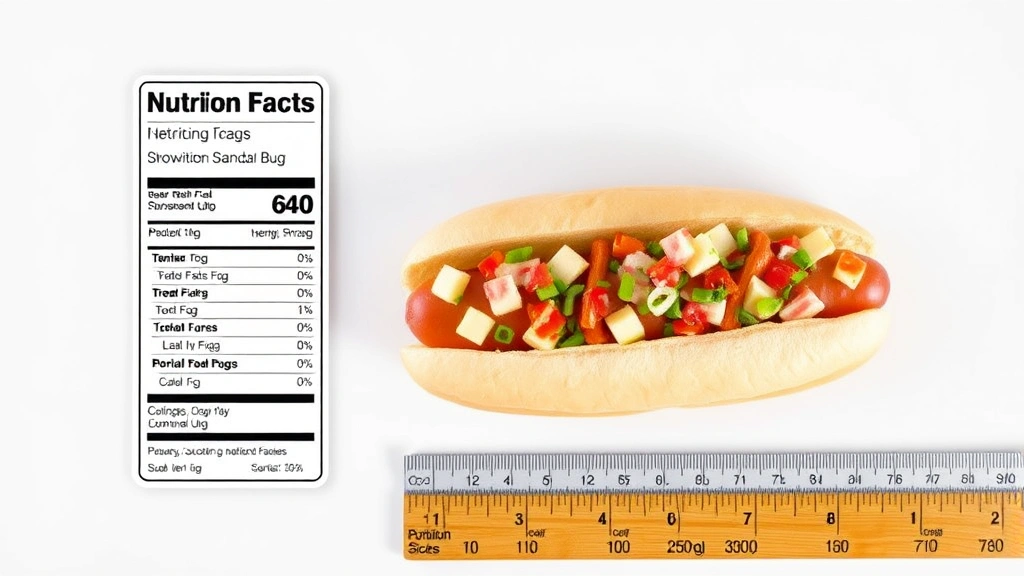
A standard hot dog bun contains approximately 22-28 grams of carbohydrates. That’s right—one measly bun packs nearly as many carbs as a slice of bread, which makes sense because, well, it basically is bread. Most commercial hot dog buns weigh around 43-50 grams and are made primarily from refined flour, which is basically carb city. If you’re on a low-carb diet, this is basically your kryptonite.
The exact carb content varies depending on the brand and type of bun you choose. Whole wheat versions might have slightly different ratios, but we’re talking marginal differences here. We recommend checking Pet Food Safety guidelines if you’re considering sharing these with your furry friends—spoiler alert, they shouldn’t have them regularly.
Breaking Down the Nutritional Profile
Beyond carbs, hot dog buns contain other nutrients worth knowing about. A typical bun has about 120-150 calories, 3-4 grams of protein, and minimal fat (usually 1-2 grams). The fiber content is usually around 1-2 grams, which is pretty pathetic considering how many carbs you’re consuming. Most of those carbs are simple sugars and refined starches, which means your blood sugar is about to take a roller coaster ride.
The sodium content is another sneaky culprit—expect around 200-300 mg per bun. If you’re watching your sodium intake, that’s worth noting, especially if you’re also adding processed meats to the equation.
Standard vs. Premium Hot Dog Buns: Is There a Difference?
You might think premium buns are nutritionally different, but honestly, they’re pretty similar. A fancy artisanal bun from a local bakery might have slightly better ingredients (like real butter instead of vegetable oil), but the carb content remains stubbornly consistent at around 22-28 grams. The main difference is usually texture, flavor, and your wallet.
Budget-friendly store brands and gourmet versions both contain roughly the same amount of carbs because, fundamentally, they’re all made from flour, water, yeast, and some combination of salt and sugar. The premium feel doesn’t translate to lower carbs, unfortunately.
Whole Wheat and Alternative Bun Options
If you’re looking for a lower-carb option, whole wheat hot dog buns are your slightly better alternative. They typically contain 20-24 grams of carbs—not a massive difference, but at least you’re getting more fiber (around 3-4 grams instead of 1-2). That extra fiber helps with digestion and keeps you feeling fuller longer.
For a genuinely lower-carb experience, some specialty companies make keto-friendly hot dog buns using allulose or monk fruit sweeteners, along with almond or coconut flour. These can cut carbs down to 3-5 grams per bun, though they cost significantly more and taste… let’s say “different.” Visit Vet-Approved Human Foods for Pets to understand which human foods are actually safe for your pets if you’re sharing your cookout.
Gluten-Free Hot Dog Buns: Carb Content and Reality Check
Here’s where things get interesting. Many people assume gluten-free automatically means lower carbs. Plot twist: it usually doesn’t. Gluten-free hot dog buns often contain 24-30 grams of carbs because manufacturers compensate for the missing gluten with extra starches and binders. They’re great if you have celiac disease or gluten sensitivity, but they’re not a carb-reduction hack.
The texture of gluten-free buns tends to be denser and crumblier, which is why bun manufacturers load them up with extra stuff. If you’re purely after lower carbs, gluten-free isn’t your answer—you need to look at keto or low-carb specific options instead.

How Hot Dog Buns Compare to Other Bread Products
For perspective, here’s how hot dog buns stack up against their carb-heavy cousins: A slice of white bread has about 14-15 grams of carbs, while a hamburger bun contains 22-26 grams (basically identical to hot dog buns). A bagel? That’s 50-60 grams of carbs. A croissant sits around 26-30 grams. So hot dog buns are middle-of-the-road in the bread world—not the worst offender, but definitely not a health food.
If you’re comparing to whole grain options, a slice of whole wheat bread has 12-14 grams of carbs, making it a genuinely lower-carb choice if you’re willing to switch.
The Hot Dog Bun and Blood Sugar Impact
All those refined carbs in a hot dog bun have a high glycemic index, meaning they spike your blood sugar quickly. This is especially important if you’re diabetic or pre-diabetic. The refined flour breaks down rapidly into glucose, causing an insulin response that can leave you feeling hungry again within an hour or two.
Pairing your hot dog bun with protein (the hot dog itself) and healthy fats helps mitigate this blood sugar spike. This is why eating a hot dog with mustard and relish is metabolically smarter than eating the bun alone. Check out Human Foods for Picky Eaters for more insights on food combinations and their effects.
Storage and Freshness: Does It Affect Carb Content?
Here’s a question nobody asks: does a stale hot dog bun have fewer carbs than a fresh one? The answer is no. The carbohydrate content remains stable regardless of freshness. What changes is the moisture content and texture. A stale bun has lost water, so it’s technically slightly more concentrated in carbs per gram, but the total carbs in the bun remain the same.
Storage in the freezer doesn’t change carb content either—it just preserves the bun’s texture. So feel free to stock up and freeze without worrying that you’re somehow concentrating the carbs.
Portion Control and Realistic Serving Sizes
Most nutrition labels assume one bun as a serving, which is straightforward. However, some people eat mini hot dog buns (which have about 10-12 grams of carbs) or oversized buns (which can reach 35+ grams). If you’re tracking carbs, weighing your bun is more accurate than guessing based on appearance.
A practical strategy: if you’re carb-conscious, consider eating the hot dog without the bun occasionally, or using lettuce wraps as a creative alternative. You’d be surprised how satisfying a hot dog wrapped in crispy lettuce can be.
Reading Labels Like a Pro
When checking hot dog bun nutrition labels, look at the “Total Carbohydrate” line, not just the sugars. The total includes fiber and sugar alcohols (if present). Subtract fiber from total carbs to get “net carbs” if you’re following a keto diet. For example, if a bun has 24 grams of total carbs and 2 grams of fiber, that’s 22 grams of net carbs.
Always check the serving size—sometimes manufacturers list nutrition for half a bun, which is deceptive. You’re eating the whole bun, so multiply accordingly if needed. Visit Pet Diet Transition Advice for more information on understanding nutritional content when making dietary changes.
Budget-Friendly Lower-Carb Alternatives
If you want to keep costs down while reducing carbs, consider these options: lettuce wraps (essentially free if you grow lettuce), portobello mushroom caps (about 2 grams of carbs), or simply eating the hot dog and toppings on a plate without a bun. Cloud bread made from eggs and cream cheese is another DIY option that costs pennies and contains less than 1 gram of carbs per serving.
Some grocery stores now carry cauliflower-based buns with 5-8 grams of carbs, which split the difference between traditional and keto options. They’re more expensive but taste surprisingly decent.
Frequently Asked Questions
How many carbs in a hot dog bun exactly?
A standard hot dog bun contains 22-28 grams of carbohydrates, though this varies slightly by brand and type. Check the nutrition label on your specific bun for the most accurate number.
Are hot dog buns worse than regular bread?
Hot dog buns are roughly equivalent to hamburger buns in carb content but contain more carbs than a single slice of bread. They’re not uniquely bad—they’re just bread-shaped carbs.
Can I eat hot dog buns on a keto diet?
Regular hot dog buns are too high in carbs for keto (which typically limits you to 20-50 grams per day). You’d need specialized keto buns with 3-5 grams of carbs instead.
Do whole wheat hot dog buns have fewer carbs?
Whole wheat buns typically have 20-24 grams of carbs—slightly less than regular buns, but the difference is minimal. The main advantage is more fiber.
What’s the best low-carb hot dog bun substitute?
Lettuce wraps are free and have virtually no carbs. Portobello mushroom caps, cauliflower buns, or simply eating the hot dog without a bun are also solid options. For more guidance on food choices, check out Chocolate Toxicity in Pets to understand how different foods affect health.
Summary: The Bottom Line on Hot Dog Bun Carbs
So, how many carbs are in hot dog buns? You’re looking at 22-28 grams of carbohydrates in a standard bun—basically a medium-sized serving of refined carbs that will spike your blood sugar and leave you hungry two hours later. If you’re tracking macros for fitness or managing blood sugar for health reasons, this is worth accounting for.
The good news is you have options. Whole wheat buns offer slightly more fiber, keto buns slash carbs dramatically (at a cost), and good old-fashioned lettuce wraps are free and virtually carb-free. The choice depends on your dietary goals and how much you care about the bun experience versus the actual hot dog.
Whether you’re at a summer barbecue, a baseball game, or just craving a classic American snack, knowing what you’re eating helps you make informed decisions. And sometimes, that decision is simply “I’m eating the bun anyway because life is short and hot dogs are delicious.” That’s valid too.





