

So you’re wondering how many nipples does a dog have? Well, grab your coffee because we’re about to dive into some surprisingly fascinating canine anatomy that’ll make you the most interesting person at your next dinner party.
Table of Contents
- The Quick Answer: Most Dogs Have 10 Nipples
- Understanding Canine Mammary Glands and Nursing
- Do Male Dogs Have Nipples Too?
- Variation in Nipple Count: Not All Dogs Are Created Equal
- Pregnancy and Lactation: When Nipples Really Matter
- Health Issues Related to Nipples and Mammary Glands
- Spaying and Nipple Changes
- Puppy Development: When Do Puppies Start Nursing?
- Caring for Your Dog’s Mammary Health
- The Evolutionary Purpose Behind Multiple Nipples
- Comparing Dog Nipples to Other Animals
- Frequently Asked Questions
- Conclusion: Appreciating Your Dog’s Anatomy
The Quick Answer: Most Dogs Have 10 Nipples
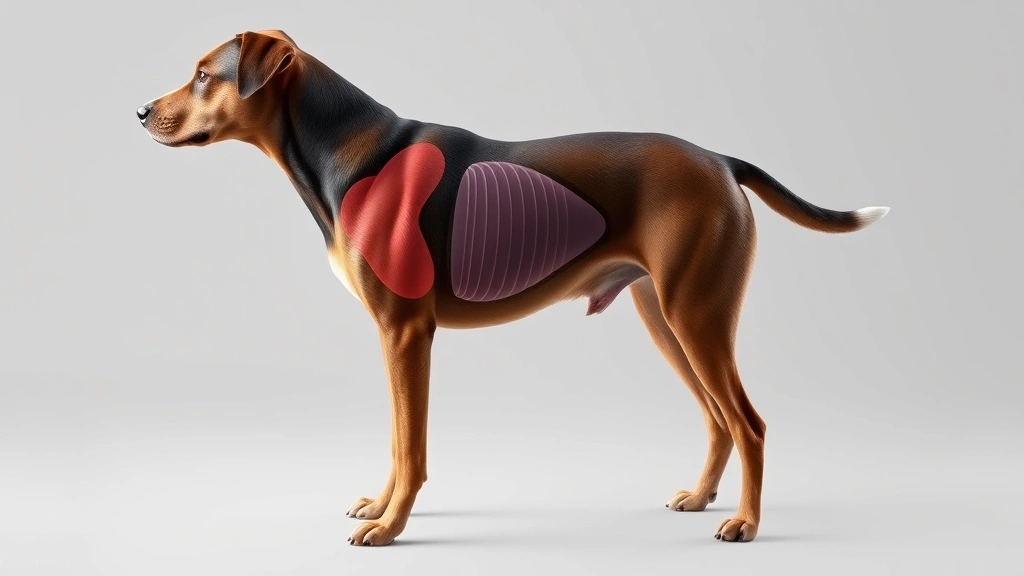
Here’s the straightforward truth: most dogs have 10 nipples—five pairs arranged along their belly. But before you think this is a boring one-liner answer, stick around because there’s way more to this story than just a simple number. Dog anatomy is genuinely wild when you start digging into it.
Understanding Canine Mammary Glands and Nursing
Dogs, like all mammals, have mammary glands that produce milk for nursing their puppies. These glands are connected to nipples, which is how puppies get their nutrition during those crucial early weeks of life. The number of nipples a dog has relates directly to her reproductive biology and her ability to nurse multiple puppies simultaneously. When a female dog goes into heat and eventually becomes pregnant, these nipples become engorged and prepare for lactation. It’s one of nature’s most efficient systems, really.
Do Male Dogs Have Nipples Too?
Here’s where it gets interesting: yes, male dogs absolutely have nipples. In fact, male dogs typically have the same number of nipples as females—usually 10. This is because during fetal development, all mammalian fetuses start with the same basic blueprint before sexual differentiation occurs. Male dogs’ nipples are generally smaller and less prominent than females’, but they’re definitely there. You can feel them if you run your hand along a male dog’s belly. Pretty cool, right?
Variation in Nipple Count: Not All Dogs Are Created Equal
While 10 is the standard number, some dogs have fewer or more nipples. Larger dog breeds sometimes have 12 or even 14 nipples, which makes sense evolutionarily—bigger dogs can produce larger litters, so they need more feeding stations. Smaller breeds might have 8 or occasionally just 6. These variations are completely normal and don’t indicate any health problems. It’s just nature’s way of adapting to different body sizes and breeding potential. Check out our guide on puppy safe human foods to learn more about proper nutrition for growing dogs.
Pregnancy and Lactation: When Nipples Really Matter
During pregnancy, a female dog’s nipples go through dramatic changes. They become darker, more swollen, and increasingly sensitive as her body prepares for milk production. By the time she’s ready to give birth, her nipples have enlarged significantly to accommodate nursing puppies. After birth, lactation demands are intense—a nursing mother dog can lose up to 30% of her body weight during the nursing period. This is why proper nutrition during pregnancy and lactation is absolutely critical. Pregnant and nursing dogs need significantly more calories and nutrients than their non-breeding counterparts.
Health Issues Related to Nipples and Mammary Glands
While nipples themselves are usually trouble-free, the mammary glands they’re attached to can develop issues. Mastitis is an infection of the mammary glands that can occur during lactation and is painful for the mother dog. Mammary tumors are also a concern, especially in older, unspayed females. This is one reason why spaying before the first heat cycle significantly reduces the risk of breast cancer in dogs. If you notice swelling, redness, discharge, or if your dog seems uncomfortable around her nipples, it’s time for a vet visit. According to the American Kennel Club, regular health checks are essential for breeding and nursing dogs.

Spaying and Nipple Changes
When a female dog is spayed, her hormone levels change dramatically, which can affect her nipples and mammary tissue. Spayed dogs’ nipples typically become smaller and less prominent over time. This is completely normal and nothing to worry about. The nipples don’t disappear; they just become less active since there’s no longer any reproductive cycling happening. Male dogs’ nipples remain virtually unchanged throughout their lives since they don’t go through hormonal cycles related to reproduction.
Puppy Development: When Do Puppies Start Nursing?
Newborn puppies are born with an instinctive drive to find and latch onto their mother’s nipples within hours of birth. A litter of puppies will typically establish nursing positions and stick with the same nipples throughout the nursing period. It’s adorable to watch, honestly. Puppies nurse every few hours in their first weeks, gradually spacing out feedings as they grow. By 3-4 weeks, puppies start showing interest in solid food, and by 8 weeks, most are fully weaned. This is a great time to introduce them to healthy snack alternatives for dogs that are age-appropriate.
Caring for Your Dog’s Mammary Health
Whether your dog is male or female, spayed or intact, there are ways to support mammary health. Keep your dog at a healthy weight, as obesity can increase cancer risk. If you have an unspayed female, schedule regular vet exams to catch any issues early. Watch for any lumps, discharge, or behavioral changes around the chest area. Maintain good hygiene, especially during nursing periods. And if your dog is nursing, make sure she has access to plenty of fresh water and high-quality food to support milk production. According to PetMD, preventative care is the best medicine when it comes to reproductive health.
The Evolutionary Purpose Behind Multiple Nipples
Dogs evolved from wolves, which are pack animals that often have large litters. Having multiple nipples allowed ancestral dogs to nurse bigger litters more efficiently, which was crucial for survival. Even though modern domestic dogs might have smaller litters than their wild ancestors, they’ve retained this multi-nipple anatomy. It’s a perfect example of how evolution leaves its fingerprints on modern species. The number of nipples a dog has is basically a biological reminder of her species’ wild heritage.
Comparing Dog Nipples to Other Animals
Just for fun, let’s see how dogs stack up against other animals. Cats have 8 nipples, pigs have 14, and horses have 4. Humans have just 2. The number of nipples generally correlates with typical litter size—animals that have more babies usually have more nipples to feed them. Dogs’ 10 nipples are perfectly suited to their typical litter size of 5-8 puppies, though larger litters aren’t uncommon.
Frequently Asked Questions
Can a dog have an odd number of nipples?
While it’s rare, yes, some dogs can have an odd number of nipples. This can happen due to genetic variations or developmental quirks. As long as the dog is healthy and shows no signs of discomfort, an odd number of nipples isn’t a cause for concern.
Why do my dog’s nipples look swollen?
Swollen nipples in female dogs can indicate pregnancy, heat cycle, or mammary gland issues. In male dogs, swelling is unusual and warrants a vet visit. If your dog is spayed or neutered, swelling could indicate infection or other health concerns.
Is it normal for dogs to have inverted nipples?
Some dogs do have nipples that are less prominent or slightly inverted, and this is usually not a problem. However, if a nursing mother has inverted nipples, puppies might have difficulty nursing, so you may need to help them latch or supplement with bottle feeding.
How often should I check my dog’s nipples?
During monthly self-exams, run your hands along your dog’s belly and chest to feel for any lumps, swelling, or discharge. This is especially important for unspayed females over 7 years old, who have higher breast cancer risk.
Do dog nipples change color?
Yes, nipple color can change based on hormonal cycles, pregnancy, and age. They typically become darker and more prominent during heat cycles and pregnancy. This is completely normal.
Can you remove a dog’s nipples surgically?
While it’s technically possible, there’s no good reason to remove healthy nipples. Nipple removal is only done if there’s a tumor or severe infection affecting that specific area. For more information about your dog’s health concerns, visit our blog home for additional resources.
Conclusion: Appreciating Your Dog’s Anatomy
So, how many nipples does a dog have? The answer is typically 10, but the real story is so much richer than that simple number. Your dog’s nipples are a testament to millions of years of evolution, perfectly designed for her role as a mammal capable of nurturing the next generation. Whether you have a male or female dog, spayed or intact, those nipples are part of her biological blueprint. Understanding your dog’s anatomy helps you appreciate just how amazing these creatures really are. Next time you’re petting your pup, you’ll have a whole new appreciation for those little details you might have overlooked before. And hey, you’ve got some seriously impressive trivia for your next conversation!





