
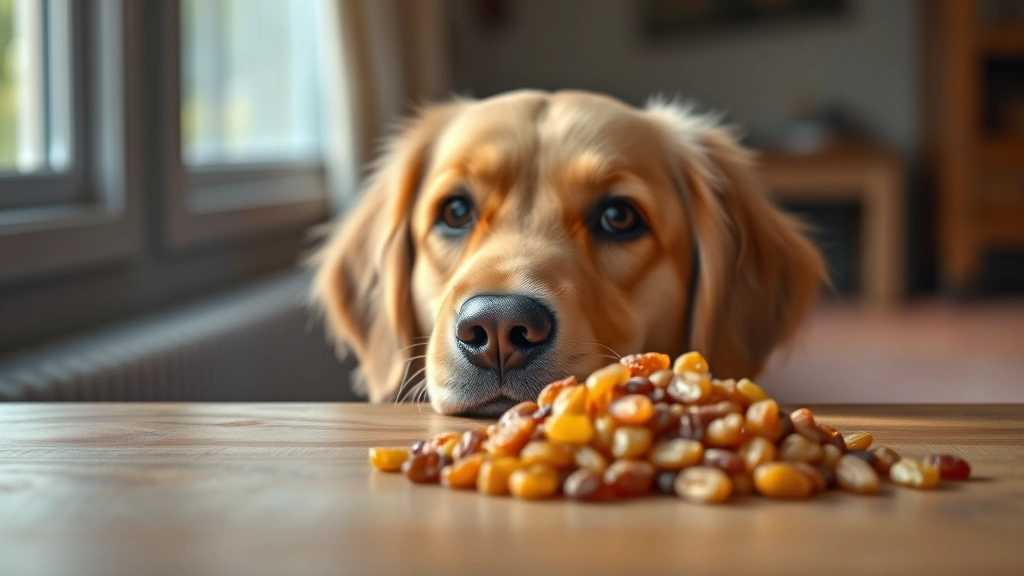
Here’s the straight answer: how many raisins can a dog eat? Zero. Nada. Not a single one. Raisins are toxic to dogs, and there’s no safe amount your pup should consume. I know that sounds dramatic, but stick with me because this is genuinely important stuff that could save your dog’s life.
Table of Contents
- Why Are Raisins So Dangerous for Dogs?
- Understanding Grape and Raisin Toxicity in Canines
- Symptoms of Raisin Poisoning in Dogs
- What Should You Do If Your Dog Eats Raisins?
- Raisins vs. Grapes: Are They Different for Dogs?
- Hidden Raisins: Where They Lurk in Human Foods
- Safe Treat Alternatives for Your Dog
- Preventing Accidental Raisin Ingestion
- Understanding Your Dog’s Dietary Needs and Restrictions
- When to Call the Vet: Raisin Ingestion Emergency Protocol
- Frequently Asked Questions
- Final Thoughts: Keeping Your Dog Safe
Why Are Raisins So Dangerous for Dogs?
Raisins contain a compound that’s genuinely toxic to canines, though scientists still aren’t 100% sure which specific substance causes the damage. What we do know is that raisins—along with their fresh counterpart, grapes—can trigger acute kidney failure in dogs. And yes, that’s as serious as it sounds.
The scary part? The toxicity isn’t dose-dependent in a predictable way. Some dogs might get sick from eating just a handful, while others could theoretically eat more without immediate symptoms. But that doesn’t mean it’s safe—it just means the response is unpredictable. This unpredictability is exactly why veterinarians recommend complete avoidance. Check out our Pet Food Safety guide for more information on dangerous foods.
Understanding Grape and Raisin Toxicity in Canines
The toxicity of grapes and raisins in dogs was first documented in the early 2000s, and since then, veterinarians have been sounding the alarm. The American Kennel Club (AKC) lists grapes and raisins as foods that should never be given to dogs under any circumstances. The AKC’s official stance is crystal clear on this one.
What makes this particularly tricky is that the reaction isn’t immediate in all cases. Some dogs show symptoms within 24-72 hours, while others might take longer to display signs of poisoning. This delayed reaction can make it harder to pinpoint the cause if your dog gets into a bowl of raisins without your knowledge.
Symptoms of Raisin Poisoning in Dogs
If your dog has consumed raisins, watch for these warning signs:
- Vomiting – often the first sign
- Diarrhea – may be present within hours
- Lethargy – your dog seems unusually tired or unresponsive
- Loss of appetite – refusing food or treats
- Abdominal pain – whining, restlessness, or hunching
- Excessive thirst and urination – signs of kidney stress
- Tremors or seizures – in severe cases
The most dangerous aspect is kidney damage, which might not show obvious symptoms until significant harm has occurred. This is why PetMD recommends contacting your vet immediately if you suspect raisin ingestion, even if your dog seems fine.
What Should You Do If Your Dog Eats Raisins?
First, don’t panic—but do act quickly. Here’s your action plan:
- Contact your vet or poison control immediately – Call the ASPCA Animal Poison Control Center at (888) 426-4435 or your emergency vet. Time matters.
- Tell them how many raisins – Be as specific as possible about the quantity and when your dog ate them.
- Don’t wait for symptoms – Even if your dog seems perfectly fine, get professional advice. Kidney damage can be silent.
- Bring the raisin package if possible – This helps your vet understand exactly what your dog consumed.
- Monitor closely at home – Watch for any of the symptoms mentioned above.
Your vet might recommend inducing vomiting if caught soon enough, or they might do bloodwork to check kidney function. Either way, professional guidance is non-negotiable here.
Raisins vs. Grapes: Are They Different for Dogs?
Nope. Both grapes and raisins contain the same toxic compound, and both should be completely avoided. The only difference is that raisins are concentrated—they’re just dried grapes with the water removed. So technically, raisins might be even more dangerous because you’re getting more of the toxic substance in a smaller volume of food.
This means if you’re keeping your dog away from grapes (which you absolutely should be), you need to be equally vigilant about raisins hiding in other foods. Raisins show up in unexpected places like breakfast cereals, granola bars, baked goods, and trail mix. That innocent-looking snack you’re munching on? Could be deadly for your pup if they steal a bite.
Hidden Raisins: Where They Lurk in Human Foods
This is where things get tricky. Raisins aren’t always obvious. Check your Pet Nutrition Advice resources before sharing any human food with your dog. Common culprits include:
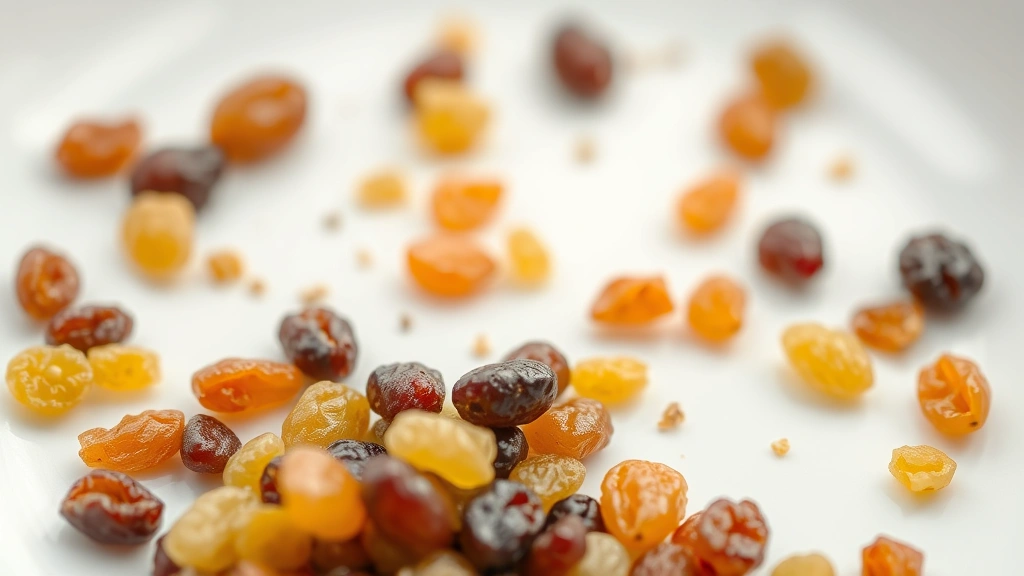
- Breakfast cereals (Raisin Bran, anyone?)
- Granola and granola bars
- Oatmeal cookies and raisin cookies
- Trail mix and nut mixes
- Bran muffins
- Certain yogurts with mix-ins
- Some energy bars
- Homemade baked goods
- Certain sauces and condiments
The sneaky nature of hidden raisins is why you need to be a food detective. Always check ingredient labels before giving your dog any human food, and when in doubt, don’t share it.
Safe Treat Alternatives for Your Dog
Just because raisins are off the menu doesn’t mean your dog has to miss out on tasty treats. There are plenty of dog-safe options that’ll make their tail wag just as hard. Check out our Safe Vegetables for Dogs guide for some delicious alternatives.
Great options include:
- Carrots – crunchy, low-calorie, and good for teeth
- Apples – sweet and refreshing (remove seeds first)
- Pumpkin – great for digestion
- Blueberries – packed with antioxidants
- Watermelon – hydrating and delicious
- Sweet potatoes – nutritious and filling
- Plain peanut butter – a classic favorite (xylitol-free, please!)
- Bananas – in moderation
These alternatives give your dog the satisfaction of a special treat without any of the danger. Plus, many of them have actual nutritional benefits, so you’re not just indulging—you’re being a responsible pet parent.
Preventing Accidental Raisin Ingestion
Prevention is always better than emergency vet visits. Here’s how to keep raisins away from your curious canine:
- Store raisins and grapes in high cabinets – Out of sight, out of mind, and out of reach.
- Keep trail mix and granola secured – These are easy targets for counter surfers.
- Educate family members and guests – Make sure everyone knows raisins are off-limits.
- Check ingredient labels – Before giving your dog any human food.
- Use trash cans with lids – Dogs are resourceful little scavengers.
- Be extra careful during holidays – Raisins hide in lots of festive foods.
- Supervise your dog around food – Especially in social situations.
These simple precautions can prevent a potentially life-threatening situation. It’s much easier to keep raisins away than to deal with an emergency vet visit and potential kidney damage.
Understanding Your Dog’s Dietary Needs and Restrictions
Every dog is different, and understanding your individual pup’s dietary needs is crucial. Some dogs have additional Pet Dietary Restrictions beyond the obvious toxins. Factors like age, size, health conditions, and breed can all affect what your dog should and shouldn’t eat.
This is why talking to your vet about treats and human foods is always a smart move. They can give you personalized advice based on your dog’s specific health profile. What’s safe for one dog might not be safe for another, especially if your pup has kidney issues, diabetes, or other health concerns.
When to Call the Vet: Raisin Ingestion Emergency Protocol
Let’s be crystal clear: if you suspect your dog has eaten raisins, call your vet or poison control. Not tomorrow. Not after you see if they’re acting normal. Right now. Here’s what to have ready when you call:
- Your dog’s weight
- Estimated number of raisins consumed
- Time of ingestion
- Any symptoms you’ve already noticed
- Your dog’s medical history
- Current medications (if any)
The ASPCA Animal Poison Control Center is available 24/7 and can provide immediate guidance. There may be a consultation fee, but it’s worth every penny when your dog’s life is on the line.
Frequently Asked Questions
Can dogs eat one raisin?
No. Even a single raisin carries the risk of toxicity. The dangerous compound in raisins affects dogs unpredictably, so there’s no safe minimum amount. One raisin might cause no visible symptoms, or it might trigger a serious reaction. The safest approach is complete avoidance.

How long after eating raisins do dogs get sick?
Symptoms can appear anywhere from 24 to 72 hours after ingestion, though some dogs might show signs within a few hours. The delayed response is part of what makes raisin toxicity so dangerous—by the time symptoms appear, significant kidney damage might already be occurring.
Are dried grapes and raisins the same thing?
Yes, raisins are dried grapes. They contain the same toxic compound, just in a more concentrated form. Both should be kept completely away from your dog.
What’s the difference between grape toxicity and raisin toxicity in dogs?
There’s no meaningful difference—both are toxic due to the same compound. The only distinction is concentration: raisins are more concentrated because the water has been removed, potentially making them slightly more dangerous per gram.
Can small dogs eat raisins without getting sick?
No. Toxicity isn’t determined by dog size. While smaller dogs might show symptoms from fewer raisins, larger dogs can also experience severe reactions. The unpredictable nature of the toxicity means no dog—regardless of size—should consume raisins.
Should I induce vomiting if my dog ate raisins?
Don’t do this without professional guidance. Your vet might recommend inducing vomiting if caught soon enough, but if too much time has passed, it could cause more harm. Always call your vet first—they’ll guide you on the best course of action.
Are there any safe amounts of raisins for dogs?
No. There is no safe amount. The toxicity is unpredictable and can cause kidney failure. Complete avoidance is the only safe approach.
What about raisin water or grape juice?
These should also be avoided. The toxic compound is present in the fruit itself and its juice, so any form of grape or raisin product poses a risk.
Final Thoughts: Keeping Your Dog Safe
The answer to “how many raisins can a dog eat” is definitively zero. There’s no wiggle room here, no special circumstances where it becomes okay. Raisins are toxic to dogs, period. But here’s the good news: you have complete control over preventing accidental ingestion. By being aware of where raisins hide, keeping them securely stored, and educating everyone in your household about this danger, you can keep your pup safe.
Your dog depends on you to make smart decisions about what goes in their mouth. They can’t read ingredient labels or understand why that raisin-studded muffin is dangerous. That responsibility falls on you, and it’s one worth taking seriously. When in doubt about any food, ask your vet. When you suspect ingestion, call poison control immediately. Your vigilance could literally save your dog’s life.
For more information on keeping your dog healthy, check out our resources on Human Foods for Weight Management in Pets and continue building your knowledge about canine nutrition and safety.





