

So you’re wondering how many teeth do adult dogs have? The answer is 42—yes, your pup is packing way more chompers than you are. While humans settle for a measly 32 teeth, our canine companions come equipped with a full arsenal of 42 teeth designed for tearing, grinding, and the occasional shoe destruction.
Table of Contents
- The Complete Canine Dental Lineup: Breaking Down the 42
- Puppy Teeth vs. Adult Teeth: The Great Transition
- Understanding Dog Tooth Types and Their Functions
- The Adult Dog Dental Formula Explained
- Why Dogs Need All Those Teeth
- Common Dental Problems in Adult Dogs
- Keeping Your Dog’s Teeth Healthy
- Aging and Your Dog’s Teeth
- Breed Differences in Dental Health
- Frequently Asked Questions
- Summary: Your Dog’s Impressive Dental Arsenal
The Complete Canine Dental Lineup: Breaking Down the 42
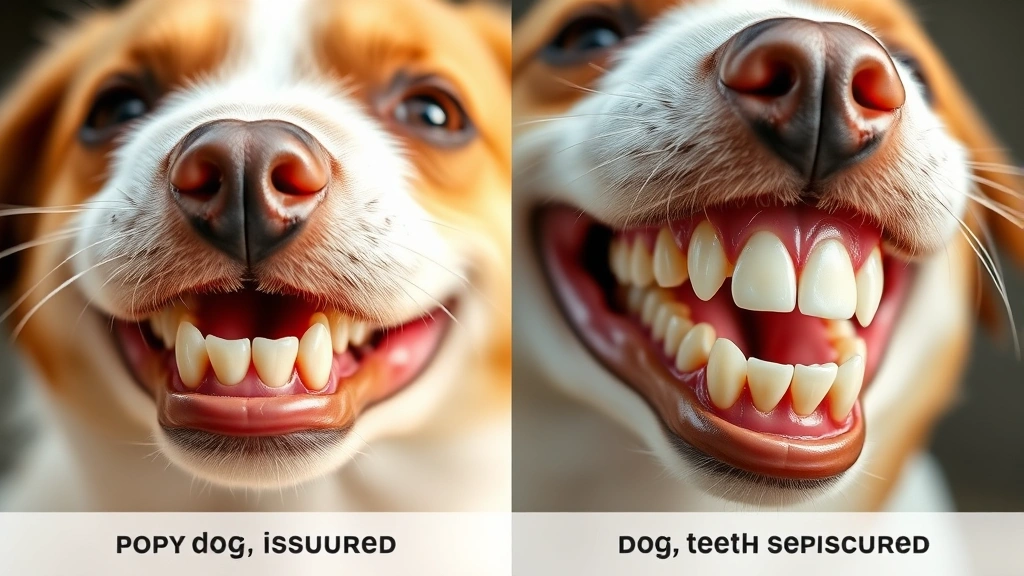
Adult dogs have a specific dental formula that would make any orthodontist weep. Those 42 teeth aren’t randomly scattered throughout your dog’s mouth—they’re strategically positioned for maximum effectiveness. The breakdown goes like this: 12 incisors (the tiny front teeth), 4 canines (those impressive fangs), 16 premolars (the workhorses in the middle), and 10 molars (the heavy hitters in the back). Each tooth serves a distinct purpose in your dog’s eating arsenal.
The canines are probably what most people picture when they think of dog teeth. These are the long, pointy teeth that make dogs look fierce at the dog park. But honestly, those incisors do a lot of the real work—they’re great for grooming, picking up small objects, and gnawing on what not to feed your dog when you’re not looking.
Puppy Teeth vs. Adult Teeth: The Great Transition
Here’s where it gets interesting. Puppies are actually born without visible teeth, and their baby teeth (called deciduous teeth) start coming in around 3-5 weeks of age. These little pups have 28 temporary teeth that will eventually fall out. Then, around 3-7 months old, the adult teeth start erupting, and those baby teeth get pushed out. It’s basically a canine version of losing your baby teeth, except it happens way faster and with way more drool.
By the time your dog reaches adulthood (around 6-7 months), all 42 permanent teeth should be in place. If your pup is taking longer or seems to have retained baby teeth, that’s when you might need to call the vet about food issues or dental concerns.
Understanding Dog Tooth Types and Their Functions
Let’s talk about what makes each tooth type special. The incisors are small and sharp, perfect for precision work like picking parasites off fur or nibbling on treats. The canines are the celebrities of the mouth—long, pointed, and designed for gripping prey. These are what give dogs that intimidating look when they bare their teeth.
The premolars are where the real action happens. These teeth have sharp edges and are designed for shearing meat and tough materials. Then come the molars, which have flat surfaces for crushing and grinding. Together, the premolars and molars make up about 60% of your dog’s total dental power. That’s why your dog can chomp through a toy in seconds while you’d need a hacksaw.
The Adult Dog Dental Formula Explained
Veterinarians use a specific notation to describe dog teeth: 3/3 1/1 4/4 2/3. This fancy formula represents the number of each tooth type on one side of the upper and lower jaw. The numbers correspond to incisors, canines, premolars, and molars respectively. Multiply each side by two (since dogs have mirror images on both sides), and you get your total of 42 teeth. It’s like a mathematical proof that your dog is built for maximum chewing efficiency.
Why Dogs Need All Those Teeth
Dogs are carnivores by nature (even if your pup would happily eat safe vegetables for dogs all day). Their 42 teeth evolved to handle raw meat, bones, and tough materials. The arrangement of their teeth allows them to use a scissor-like motion with their premolars to slice through meat efficiently. This is why raw feeding advocates often point out that your dog’s teeth are perfectly designed for that diet.
Even if your dog eats kibble, those teeth are still doing important work. Chewing helps keep their jaw strong, their teeth clean, and their mind stimulated. It’s also why puppies chew everything—they’re not trying to destroy your furniture; they’re just maintaining their dental health and exploring their world.
Common Dental Problems in Adult Dogs
Just because dogs have 42 teeth doesn’t mean they’re immune to dental issues. Periodontal disease affects a huge percentage of adult dogs, and it’s not always obvious. You might notice bad breath, difficulty eating, or swollen gums. Some dogs lose teeth as they age, which is totally normal. Others develop tartar buildup that requires professional cleaning.
If you notice your dog dropping food, drooling excessively, or showing signs of mouth pain, it’s time for a dental checkup. Regular brushing and appropriate chewing activities can help keep those 42 teeth in tip-top shape. Some dogs also benefit from dental treats or toys designed to reduce plaque buildup.
Keeping Your Dog’s Teeth Healthy
Maintaining those 42 teeth requires some effort on your part. The best thing you can do is brush your dog’s teeth regularly—daily is ideal, but even a few times a week helps. Use a dog-specific toothpaste (never human toothpaste) and a soft-bristled brush. Your dog might think you’re crazy at first, but most dogs get used to it.
Providing appropriate chew toys also helps. Natural rubber toys, rope toys, and dental chews can all contribute to oral health. Avoid hard toys that might crack teeth, and be cautious with can dogs eat fruits that have pits or hard seeds. Regular veterinary dental exams are essential too—your vet can spot problems early before they become expensive.
Aging and Your Dog’s Teeth
As dogs age, their teeth naturally wear down. Senior dogs might lose a tooth or two, which is completely normal. However, losing multiple teeth or showing signs of dental disease shouldn’t be ignored. Some older dogs benefit from softer food if their teeth are compromised, but most dogs manage fine even with fewer teeth.
The key is catching problems early. A dog that’s missing one molar won’t have issues eating, but a dog with advanced periodontal disease might be in pain and not showing obvious signs. Regular dental checkups become even more important as your dog ages.
Breed Differences in Dental Health
While all adult dogs have 42 teeth, some breeds are more prone to dental problems than others. Small breeds like Chihuahuas and Dachshunds often have crowded teeth, which makes them more susceptible to plaque buildup and decay. Larger breeds generally have fewer dental issues, but they can still develop problems if their teeth aren’t properly maintained.

Brachycephalic breeds (flat-faced dogs like Bulldogs and Pugs) sometimes have misaligned teeth, which can lead to early wear and potential problems. If you have a breed prone to dental issues, talk to your vet about a preventive care plan.
Frequently Asked Questions
Do all adult dogs have exactly 42 teeth?
Yes, healthy adult dogs should have 42 permanent teeth. Some dogs might lose teeth due to injury, disease, or age, but the standard adult dog dental set is 42 teeth. Occasionally, a dog might be born missing a tooth or two due to genetics, but this is rare.
At what age do dogs have all their adult teeth?
Most dogs have their complete set of 42 adult teeth by 6-7 months of age. Some larger breed dogs might take until 8 months to finish the eruption process. If your dog still has baby teeth past 8 months, consult your vet.
Can you tell a dog’s age by their teeth?
You can estimate a young dog’s age by their teeth development, but it’s much harder with adult dogs. Once all permanent teeth are in, wear patterns and tartar buildup give clues to age, but it’s not precise. Your vet is better equipped to estimate age from dental examination.
What should I do if my dog loses a tooth?
Losing one tooth occasionally isn’t a crisis, especially if your dog is older. However, if your dog is young and loses a tooth, or if multiple teeth are lost, schedule a vet visit. Tooth loss can indicate infection, injury, or disease that needs treatment.
Are dog teeth stronger than human teeth?
Dog teeth are shaped differently and designed for different purposes, but they’re not necessarily “stronger.” They’re more specialized for tearing and grinding meat. However, dogs can exert more bite force than humans, which is distributed across their 42 teeth.
Summary: Your Dog’s Impressive Dental Arsenal
So there you have it—your adult dog has 42 teeth, each one serving a specific purpose in their mouth’s ecosystem. From the tiny incisors to the powerful molars, these teeth are perfectly designed for a carnivore’s lifestyle. Whether your pup is a kibble-crunching couch potato or a raw-feeding enthusiast, those 42 teeth are working hard every single day.
Taking care of your dog’s dental health isn’t complicated, but it does require consistency. Regular brushing, appropriate chew toys, and veterinary checkups will keep those 42 teeth in great shape for years to come. And hey, at least your dog doesn’t have to floss.





