
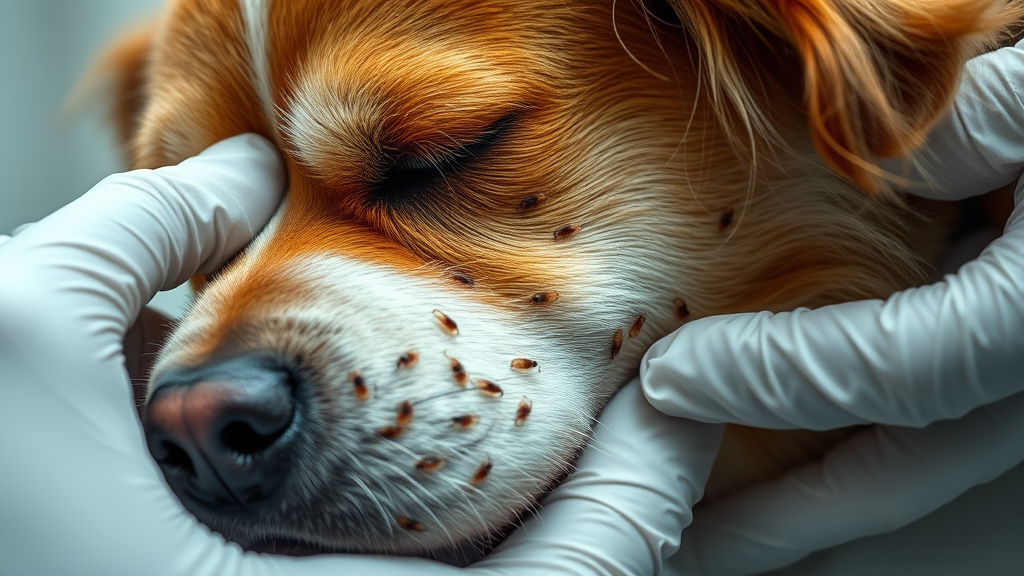
Fleas are one of the most persistent and troublesome parasites that can affect both our beloved pets and our households. These tiny, blood-sucking insects not only cause discomfort to our furry companions but can also pose significant health risks to humans. Understanding the relationship between pet fleas and human health is crucial for maintaining a pest-free environment that protects every member of your family.
Many pet owners wonder whether they can contract fleas from their dogs, and the answer is more complex than a simple yes or no. While humans aren’t the preferred host for dog fleas, these adaptable parasites can and will bite humans when the opportunity arises. The key to preventing flea infestations lies in understanding their lifecycle, recognizing the signs of infestation, and implementing comprehensive prevention strategies that protect both pets and people.
Understanding Fleas and Their Lifecycle
Fleas are wingless insects belonging to the order Siphonaptera, with over 2,000 species worldwide. The most common flea affecting dogs is Ctenocephalides canis (dog flea) and Ctenocephalides felis (cat flea), with cat fleas actually being more prevalent on dogs in many regions. These parasites have evolved specifically to feed on warm-blooded animals and have developed remarkable jumping abilities, capable of leaping up to 150 times their own body length.
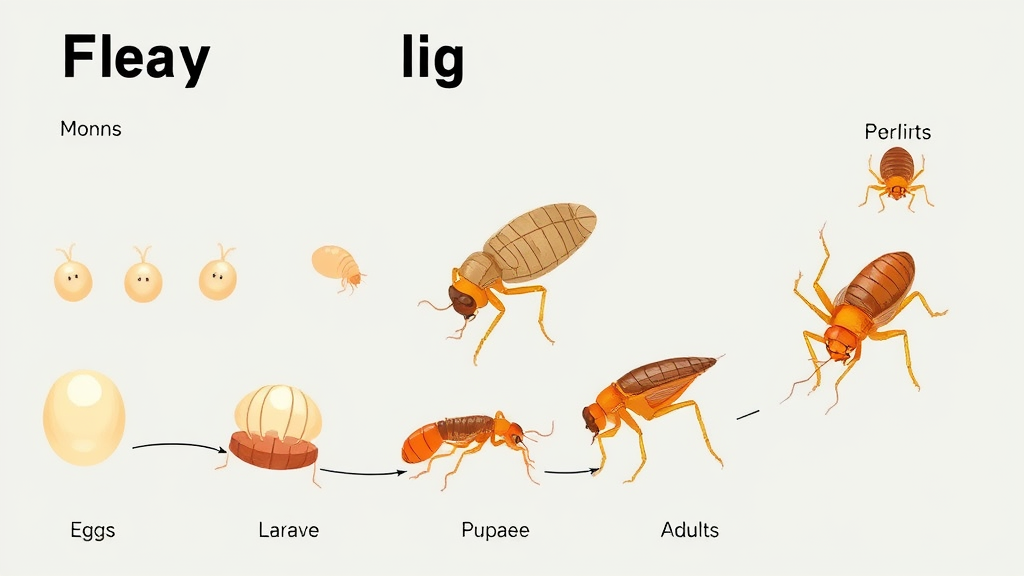
The flea lifecycle consists of four distinct stages: egg, larva, pupa, and adult. Understanding this cycle is crucial for effective prevention and treatment. Adult fleas represent only about 5% of the total flea population in an infested environment, while eggs make up approximately 50%, larvae 35%, and pupae 10%. This means that for every flea you see on your pet, there are potentially 19 more in various stages of development in your home environment.
Female fleas can lay up to 50 eggs per day, which fall off your pet and scatter throughout your home environment. These eggs hatch into larvae within 2-14 days, depending on temperature and humidity conditions. The larvae feed on organic debris, including adult flea feces (which contains undigested blood), skin cells, and other organic matter found in carpets, upholstery, and pet bedding.
Can Humans Get Fleas from Dogs?
The question of whether can dog fleas live on humans is a common concern among pet owners. While dog fleas prefer canine hosts, they will bite humans when their preferred host is unavailable or when human activity disturbs their environment. However, fleas cannot complete their entire lifecycle on humans due to our relatively hairless skin and different body temperature compared to their preferred hosts.
Dog fleas may bite humans, particularly around the ankles and lower legs, causing itchy, red bumps similar to mosquito bites. These bites typically appear in clusters or lines and can cause significant discomfort. Some individuals may develop allergic reactions to flea bites, resulting in more severe swelling, blistering, or secondary infections from scratching.
While fleas don’t establish permanent colonies on humans, they can temporarily hitchhike on human clothing or hair. The question of whether can dog fleas live in human hair arises frequently, and while fleas may temporarily hide in human hair, they cannot survive long-term without access to their preferred host. They require the specific conditions found on their target animals to complete their reproductive cycle successfully.
According to the Centers for Disease Control and Prevention, fleas can transmit various diseases to humans, including plague, typhus, and cat scratch disease. While these diseases are relatively rare in developed countries, the potential for transmission emphasizes the importance of maintaining effective flea control measures.
Identifying Flea Problems in Your Home
Early detection of flea problems is essential for preventing full-scale infestations. What do fleas look like on dogs is an important question for pet owners to understand. Adult fleas are small, dark brown insects about 1-3mm in length with flattened bodies that allow them to move easily through pet fur. They have powerful hind legs adapted for jumping and are often visible as quick-moving specks on your pet’s skin.
One of the most reliable indicators of flea presence is “flea dirt” – small, dark specks that look like ground pepper scattered through your pet’s fur. This is actually flea feces containing digested blood. To test if these specks are flea dirt, place them on a damp white paper towel. If they turn reddish-brown, you’ve confirmed flea presence.
Common signs of flea infestation in pets include excessive scratching, biting at the skin, red or irritated skin, hair loss, and restless behavior. In severe cases, pets may develop flea allergy dermatitis, characterized by intense itching and skin inflammation. Young, elderly, or immunocompromised pets may also develop anemia from severe flea infestations.
Environmental signs include finding fleas jumping in carpeted areas, particularly in spots where pets spend time. You might also notice small bite marks on your own ankles or lower legs. The American Veterinary Medical Association recommends regular inspection of pets and their environment as part of routine preventive care.
Comprehensive Flea Prevention Strategies
Effective flea prevention requires a multi-faceted approach that addresses both your pet and the environment. Understanding how do dogs get fleas helps inform prevention strategies. Dogs typically acquire fleas through contact with infested animals, contaminated environments, or by picking up flea eggs and larvae from outdoor areas where infected animals have been.
Regular grooming and inspection of your pet is the first line of defense. Use a fine-toothed flea comb to check for adult fleas and flea dirt, paying particular attention to areas where fleas congregate, such as the base of the tail, neck, and behind the ears. Bathing your pet with a gentle, flea-repelling shampoo can help remove existing fleas and eggs while making the environment less hospitable for new infestations.
Veterinary-approved flea prevention products are the most effective long-term solution. These include topical treatments, oral medications, and flea collars that provide ongoing protection. Modern flea preventatives not only kill adult fleas but also disrupt the flea lifecycle by preventing egg development or larval growth. The FDA’s Center for Veterinary Medicine provides guidance on safe and effective flea control products.
Environmental management is equally important. Regular vacuuming of carpets, upholstery, and pet bedding removes eggs, larvae, and pupae from the environment. Pay special attention to areas under furniture, along baseboards, and in pet sleeping areas. Dispose of vacuum bags immediately or empty bagless canisters, as fleas can continue developing inside.
Treatment Options for Flea Infestations
When prevention fails and a flea infestation occurs, prompt and comprehensive treatment is essential. Treatment must address both the pet and the environment simultaneously, as treating only one aspect will likely result in re-infestation. The approach should be systematic and sustained, as the flea lifecycle means that new adults will continue emerging for several weeks after initial treatment.
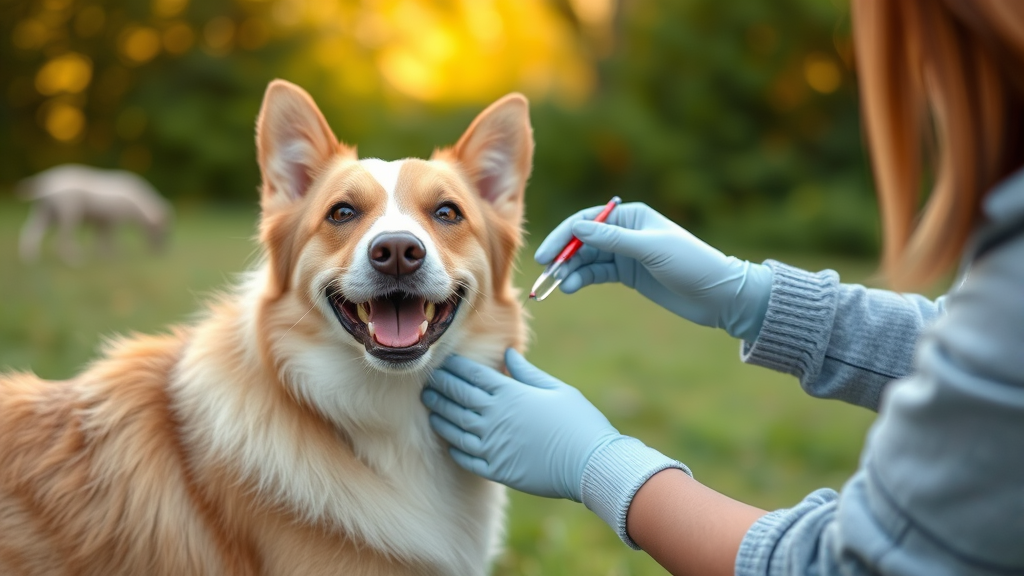
For pets, veterinary consultation is recommended to determine the most appropriate treatment protocol. Prescription flea treatments are generally more effective than over-the-counter options and may include spot-on treatments, oral medications, or injectable products. These treatments typically kill adult fleas within 12-24 hours and provide residual protection against new infestations.
It’s important to distinguish between fleas and other parasites that might affect pets. Questions like can dogs get lice arise because some symptoms overlap, but the treatment approaches differ significantly. Proper identification ensures appropriate treatment and prevents wasted time and resources.
Environmental treatment involves thorough cleaning and the application of premise sprays or powders designed to eliminate flea eggs, larvae, and pupae. Professional pest control services may be necessary for severe infestations, particularly in multi-pet households or when environmental conditions favor flea development.
The ASPCA emphasizes the importance of treating all pets in the household simultaneously, even if only one shows signs of infestation. Fleas can easily transfer between animals and may be present on asymptomatic pets.
Environmental Control and Home Management
Effective environmental control is crucial for breaking the flea lifecycle and preventing re-infestation. The home environment provides ideal conditions for flea development, with carpeting, upholstery, and pet bedding offering perfect breeding grounds. Temperature and humidity control can significantly impact flea survival, as these parasites thrive in warm, humid conditions.
Regular washing of pet bedding, blankets, and removable fabric items in hot water (140°F or higher) kills all stages of fleas. Items that cannot be washed should be treated with appropriate insecticides or removed temporarily during treatment. Steam cleaning carpets and upholstery can also be effective, as the high temperature kills fleas and their eggs.
Yard management is often overlooked but equally important. Fleas can survive in outdoor environments, particularly in shaded, humid areas where pets spend time. Regular lawn maintenance, including mowing and removing debris, reduces flea habitat. Beneficial nematodes, microscopic worms that feed on flea larvae, can be applied to outdoor areas as a biological control method.
Indoor humidity control can make environments less hospitable to fleas. Maintaining indoor humidity below 50% can significantly reduce flea survival rates, though this may not be practical in all climates. Air circulation and dehumidification in problem areas can help create conditions unfavorable to flea development.
Health Implications for Pets and Humans
Flea infestations pose various health risks to both pets and humans beyond the immediate discomfort of bites. For pets, severe flea infestations can lead to anemia, particularly dangerous for puppies, senior dogs, or animals with compromised immune systems. Flea allergy dermatitis is another serious concern, causing intense itching that can lead to secondary bacterial infections from excessive scratching.
Some pets develop behavioral changes due to flea discomfort, including increased aggression, anxiety, or depression. The constant irritation can affect sleep patterns, appetite, and overall quality of life. In extreme cases, severe flea infestations have been linked to pet deaths, particularly in very young or debilitated animals.
For humans, flea bites can cause allergic reactions ranging from mild irritation to severe dermatitis. Some individuals are particularly sensitive to flea saliva and may develop large, painful welts that take weeks to heal. Secondary infections can occur if bite sites are scratched excessively, introducing bacteria into broken skin.
The potential for disease transmission, while relatively low in developed countries, remains a concern. According to the World Health Organization, fleas can transmit serious diseases including plague, endemic typhus, and various rickettsial diseases. While rare, these diseases can be serious or even fatal if not properly treated.
Mental health impacts shouldn’t be overlooked either. Persistent flea problems can cause significant stress and anxiety for pet owners, affecting sleep quality and overall well-being. The knowledge that one’s home is infested with parasites can be psychologically distressing and may impact social activities and relationships.
Frequently Asked Questions
Can humans catch fleas directly from their dogs?
While humans cannot become permanently infested with dog fleas, they can certainly be bitten by fleas from their pets. Dog fleas will bite humans when their preferred host is unavailable or when human activity disturbs their environment. However, fleas cannot complete their full lifecycle on humans due to our body temperature and lack of sufficient hair coverage. The concern about does dog fleas live in human hair is valid, but fleas may only temporarily hide in human hair and cannot establish permanent colonies there.
How long can fleas survive in a home without pets?
Adult fleas can survive for several weeks to a few months in a home without pets, depending on environmental conditions. However, they require a blood meal to reproduce and will eventually die without access to a suitable host. Flea eggs, larvae, and pupae can survive much longer – up to several months in favorable conditions. This is why homes can seem to suddenly develop flea problems when pets return after an absence, as the dormant flea population becomes active when stimulated by vibration, heat, and carbon dioxide from returning hosts.
Are natural flea remedies effective for preventing infestations?
While some natural remedies may provide limited repellent effects, they are generally not sufficient as standalone flea prevention methods. Essential oils like lavender, peppermint, or eucalyptus may have some deterrent properties, but scientific evidence for their effectiveness is limited. Diatomaceous earth, cedar chips, and regular bathing with Dawn dish soap are popular home remedies, but they cannot match the efficacy of veterinary-approved flea prevention products. Natural methods may be used as supplementary measures but should not replace proven prevention strategies, especially in areas with high flea populations.
How quickly do flea infestations develop and spread?
Flea infestations can develop rapidly under ideal conditions. A single female flea can lay up to 50 eggs per day, and under optimal temperature and humidity conditions, the complete lifecycle from egg to adult can occur in as little as 14 days. However, this process typically takes 3-6 weeks under normal household conditions. The exponential nature of flea reproduction means that a few fleas can quickly become hundreds or thousands. Early intervention is crucial, as waiting even a few weeks can turn a minor problem into a major infestation requiring professional treatment.
What’s the difference between flea bites on humans and other insect bites?
Flea bites on humans typically appear as small, red bumps with a dark center, often arranged in clusters or lines. They commonly occur on the lower legs, ankles, and feet, as fleas cannot jump very high and tend to bite the most accessible areas. Flea bites are intensely itchy and may develop into larger welts in sensitive individuals. Unlike mosquito bites, which usually appear as isolated bumps, flea bites often occur in groups. The bites may remain itchy for several days to a week, and scratching can lead to secondary infections.
Can fleas transmit diseases between pets and humans?
Yes, fleas can act as vectors for several diseases that can affect both pets and humans. These include plague, murine typhus, cat scratch disease (Bartonella), and various tapeworm species. However, disease transmission is relatively uncommon in developed countries with good veterinary care and flea control measures. The risk is higher in areas with poor sanitation, high stray animal populations, or where fleas are not routinely controlled. Regular flea prevention and prompt treatment of infestations significantly reduce the risk of disease transmission.
How effective are flea bombs and premise sprays for treating homes?
Flea bombs and premise sprays can be effective components of a comprehensive flea control program, but they have limitations. These products primarily target adult fleas and may not penetrate deeply enough into carpets and upholstery to reach all developmental stages. They work best when combined with thorough vacuuming before and after application, washing of fabrics, and concurrent treatment of pets. Professional-grade products are generally more effective than consumer versions. However, these treatments should be part of an integrated approach that includes pet treatment and environmental management for optimal results.





