
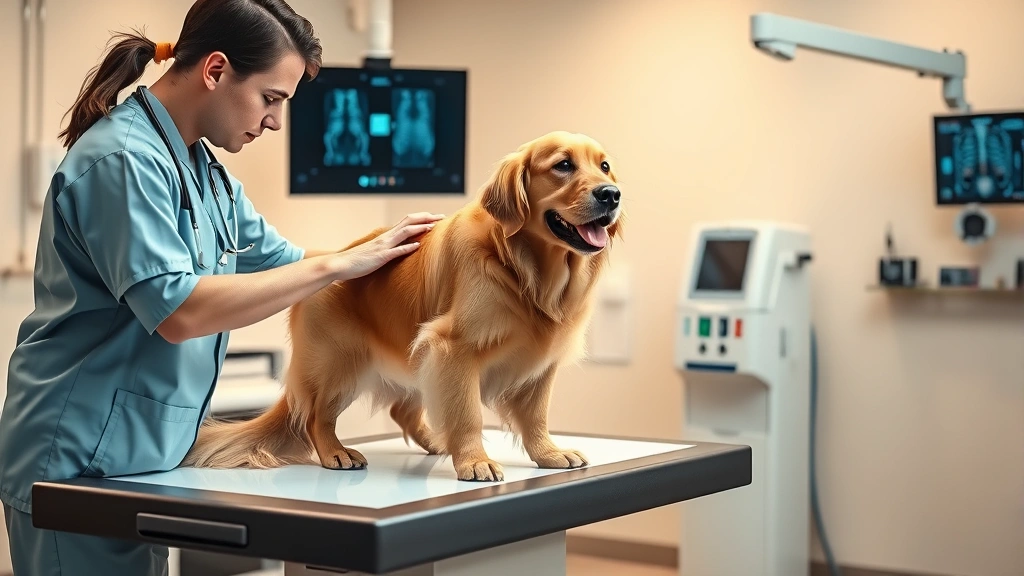
So your pup ate something questionable, or maybe they’re limping around like they just lost a dance-off with the couch. Either way, your vet’s probably mentioned X-rays, and now you’re wondering: how much do dog x-rays cost? The short answer? It depends on a bunch of factors, but you’re looking at anywhere from $150 to $500+ for a basic radiograph. The long answer? Well, stick around because we’re about to break down everything you need to know about canine imaging costs in 2024.
Table of Contents
- Understanding Dog X-Ray Pricing Basics
- Factors That Affect Canine Radiograph Costs
- Regional Price Variations for Dog Radiographs
- Single-View vs. Multi-View X-Ray Expenses
- Specialized Imaging: When X-Rays Aren’t Enough
- Anesthesia and Sedation Add-Ons
- Emergency Vet Clinic X-Ray Costs
- Insurance Coverage for Dog Radiographs
- Money-Saving Tips for Dog X-Ray Expenses
- Understanding What Your Vet Is Actually Imaging
- Common Reasons Vets Recommend Dog X-Rays
- Digital vs. Traditional Film X-Rays
- Frequently Asked Questions
- Summary: Managing Dog X-Ray Costs
Understanding Dog X-Ray Pricing Basics
The cost of dog x-rays isn’t one-size-fits-all, and that’s where things get tricky. Your vet’s overhead, your location, your dog’s size, and the complexity of what they’re imaging all play a role. A simple chest X-ray for your Chihuahua costs way less than full-body radiographs for your German Shepherd with suspected hip dysplasia. Most vets charge between $150-$300 for a single-view X-ray, but if your dog needs multiple angles or full-body imaging, you could be looking at the higher end of that spectrum or beyond.
Factors That Affect Canine Radiograph Costs
Several variables influence dog x-ray pricing, and understanding them helps you anticipate expenses. Dog size matters significantly—larger dogs require more radiation and longer exposure times, which increases costs. A Dachshund’s paw X-ray runs cheaper than a Great Dane’s shoulder imaging. Your geographic location also matters; urban veterinary clinics typically charge more than rural practices. Equipment quality and clinic reputation play roles too. Some clinics have state-of-the-art digital radiography systems that cost more but deliver faster results and lower radiation doses.
Regional Price Variations for Dog Radiographs
If you’re in New York City or Los Angeles, expect premium pricing. Urban veterinary clinics often charge $200-$400 for standard X-rays, sometimes more. Rural areas might offer the same service for $100-$200. The Midwest typically falls somewhere in the middle. These aren’t hard rules—a fancy rural clinic might charge city prices, while a budget-conscious urban vet might undercut expectations. Always call ahead and ask for pricing; most clinics are transparent about costs.
Single-View vs. Multi-View X-Ray Expenses
Your vet might recommend just one X-ray view or multiple angles of the same area. A single-view radiograph (one angle of one body part) costs less than multi-view imaging (typically 2-3 angles). Multi-view X-rays provide more diagnostic information and cost roughly 50-100% more than single views. For example, a single-view paw X-ray might run $150, while three views of the same paw could be $250-$350. Your vet will recommend what’s necessary for diagnosis—don’t assume you can skip views to save money, as incomplete imaging might mean repeating the process.
Specialized Imaging: When X-Rays Aren’t Enough
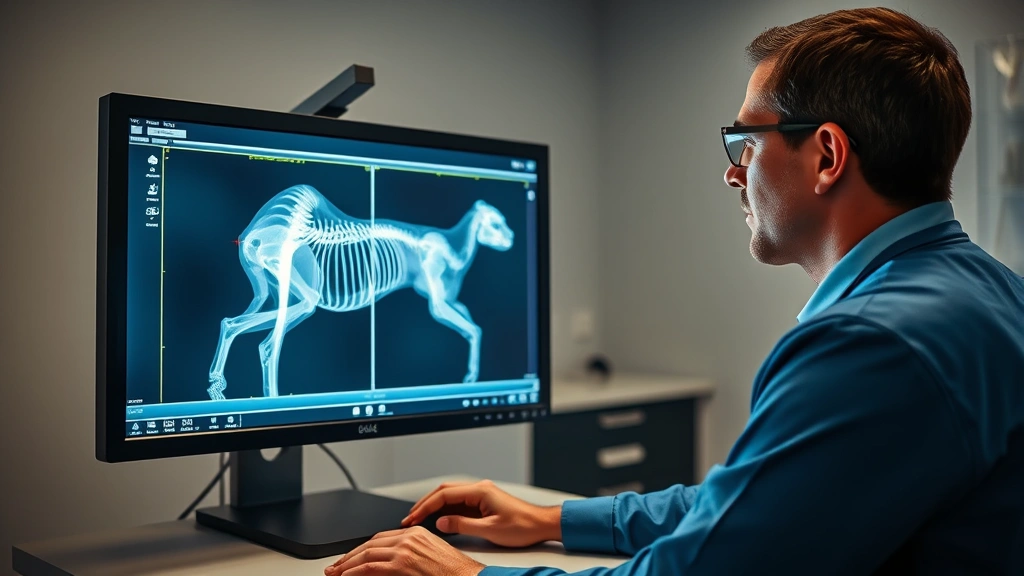
Sometimes your vet needs more than traditional X-rays. Ultrasound, CT scans, and MRI imaging cost significantly more. Ultrasound typically runs $200-$500, while CT scans start around $500-$2,000+. MRI is the priciest option at $1,500-$3,000+. These specialized imaging techniques provide detailed information that standard radiographs can’t offer, particularly for soft tissue issues. If your vet recommends advanced imaging, ask why—it’s usually because standard X-rays won’t give them the diagnostic clarity needed. You might also consider pet telehealth options for second opinions before committing to expensive imaging.
Anesthesia and Sedation Add-Ons
Some dogs need sedation or anesthesia for X-rays—anxious pups, aggressive dogs, or those requiring positioning that’s uncomfortable when conscious. Sedation typically adds $100-$300 to your bill, while full anesthesia adds $200-$500+. The type of medication used, your dog’s age and health status, and monitoring requirements all affect pricing. Senior dogs or those with health conditions might need pre-anesthesia bloodwork ($100-$200 additional), which is actually a good safety measure. Always ask if sedation is truly necessary or if your dog can manage without it.
Emergency Vet Clinic X-Ray Costs
Emergency veterinary clinics charge premium prices for everything, including X-rays. Expect to pay 2-3 times more than your regular vet would charge. An X-ray costing $200 at your family vet might run $400-$600 at an emergency clinic. This premium reflects 24/7 staffing, specialized equipment, and the urgent nature of the visit. If your dog has a non-emergency injury that can wait until morning, you’ll save significantly by scheduling with your regular vet. However, if your pup is genuinely in distress, the cost difference shouldn’t factor into your decision.
Insurance Coverage for Dog Radiographs
Pet insurance might cover X-ray costs, depending on your policy. Most comprehensive plans cover diagnostic imaging at 70-90% after your deductible. Some budget plans offer lower coverage percentages or exclude certain types of imaging. Review your policy’s specifics—some plans have annual limits, some exclude hereditary conditions, and some have waiting periods for orthopedic issues. If you don’t have insurance, ask your vet about payment plans or when to call the vet with cost concerns before proceeding with imaging.
Money-Saving Tips for Dog X-Ray Expenses
You don’t have to accept the first quote. Call multiple clinics and compare prices—you might find significant variations. Some clinics offer package deals if your dog needs multiple imaging sessions. Ask if digital X-rays are available; they’re often faster and cheaper than traditional film radiography. Consider asking your vet if they can wait a few days for non-emergency imaging—some clinics offer discounts for scheduled appointments versus walk-ins. If your dog needs ongoing monitoring, discuss long-term imaging plans with your vet; bundling appointments sometimes reduces per-image costs.
Understanding What Your Vet Is Actually Imaging
Before paying for X-rays, understand exactly what your vet is imaging and why. Are they checking for foreign objects, fractures, arthritis, or something else? Different body areas have different costs. Paw or tooth X-rays typically cost less than abdominal or thoracic imaging because they’re smaller areas. Hip dysplasia screening requires specific positioning and multiple views, which increases costs. Your vet should explain the imaging plan and expected costs upfront. If they’re vague about pricing or the reason for imaging, it’s fair to ask for clarification.
Common Reasons Vets Recommend Dog X-Rays
Your vet typically recommends X-rays for suspected fractures, foreign body ingestion, orthopedic issues like hip dysplasia, or abdominal pain investigations. Dental X-rays help identify tooth decay or root problems. Chest X-rays screen for heart or lung issues. Abdominal X-rays investigate digestive problems or suspected blockages. If your dog ate something potentially dangerous, your vet might recommend X-rays to determine if surgery is necessary—in this case, the imaging cost is minor compared to potential emergency surgery costs ($1,500-$5,000+). When your vet recommends imaging, ask what they expect to find and how results will change treatment.
Digital vs. Traditional Film X-Rays
Most modern veterinary clinics use digital radiography, which costs less than traditional film and provides faster results. Digital X-rays expose your dog to less radiation, which is a bonus. Some older clinics still use film radiography, which might be slightly cheaper but takes longer to develop and exposes your dog to more radiation. When calling for quotes, ask if they use digital or film equipment. Digital is generally preferable for both safety and efficiency, though the cost difference might be minimal (usually within $10-$30 per image).
Frequently Asked Questions
How much do basic dog X-rays typically cost?
Basic single-view dog X-rays typically cost $150-$300, depending on location, clinic, and dog size. Multiple views of the same area can run $250-$400. Always call your vet for specific pricing in your area.
Do I need to pay extra if my dog requires sedation for X-rays?
Yes, sedation or anesthesia adds $100-$500+ to your X-ray bill. Some dogs can handle X-rays without sedation, while others need it for safety and accurate imaging. Your vet will recommend what’s necessary.

Is pet insurance worth it for X-ray coverage?
Pet insurance can be worthwhile if your dog has a history of injuries or health issues. Most plans cover 70-90% of diagnostic imaging costs after your deductible. Review your specific policy to understand coverage limits and exclusions.
Why are emergency vet X-rays so expensive?
Emergency clinics charge 2-3 times more than regular vets due to 24/7 staffing, specialized equipment, and the urgent nature of care. If your dog’s condition isn’t truly emergent, waiting for your regular vet saves money.
Can I get a second opinion on X-ray results without paying for new imaging?
Absolutely. Ask your vet for digital copies of the X-rays and request a consultation with a veterinary specialist. Many specialists will review existing images for a consultation fee ($50-$200) rather than requiring new imaging.
What’s the difference between X-rays and ultrasound for dogs?
X-rays show bone and some soft tissue structures, while ultrasound excels at imaging organs and soft tissues. X-rays typically cost less ($150-$300) than ultrasound ($200-$500), but each serves different diagnostic purposes.
Are there payment plans available for expensive imaging?
Many veterinary clinics offer payment plans through services like CareCredit. Ask your vet about financing options if cost is a concern. Some clinics also offer discounts for upfront payment.
How long does a dog X-ray appointment take?
A simple X-ray appointment typically takes 15-30 minutes without sedation. With sedation, plan for 1-2 hours to account for pre-medication monitoring and recovery time. Emergency clinics might take longer due to high volume.
Summary: Managing Dog X-Ray Costs
Understanding how much dog x-rays cost helps you budget for your pup’s healthcare. Most standard X-rays run $150-$400, with additional costs for sedation, multiple views, or specialized imaging. Your location, clinic choice, and dog size all influence pricing. Don’t hesitate to call multiple clinics for quotes—prices vary significantly. Ask your vet to explain exactly what imaging is needed and why, ensuring you’re not paying for unnecessary tests. If cost is a concern, discuss payment plans or ask about pet dietary restrictions and other preventive measures that might avoid future imaging needs. Remember, diagnostic imaging often prevents more expensive emergency procedures down the road, making it a worthwhile investment in your dog’s health. For additional information on veterinary costs and preventive care, consult resources from the American Kennel Club, PetMD, or your veterinary school’s educational resources.





