

When your beloved dog is experiencing pain or discomfort, it’s natural to want to provide immediate relief. Many pet owners reach for their medicine cabinet and wonder if they can safely give their dog aspirin. This common household medication has been used for decades to treat pain and inflammation in humans, but the question remains: can you give dogs aspirin safely?
The relationship between aspirin and canine health is complex and requires careful consideration. While aspirin can be used for dogs in certain circumstances, it comes with significant risks and should never be administered without proper veterinary guidance. Understanding the facts about aspirin use in dogs can help you make informed decisions about your pet’s health and avoid potentially dangerous situations.
Understanding Aspirin and How It Works
Aspirin, also known as acetylsalicylic acid, belongs to a class of medications called nonsteroidal anti-inflammatory drugs (NSAIDs). It works by inhibiting the production of prostaglandins, which are chemicals in the body that cause inflammation, pain, and fever. This mechanism makes aspirin effective for treating various conditions in humans, including headaches, arthritis, and cardiovascular issues.
The FDA classifies aspirin as an over-the-counter medication for humans, but its effects on dogs are significantly different. Dogs metabolize aspirin much more slowly than humans, which means the medication stays in their system longer and can accumulate to dangerous levels.
Unlike humans, who can safely take aspirin daily for various health conditions, dogs require much more careful monitoring and dosage adjustment. The canine liver processes aspirin differently, making dogs more susceptible to toxicity and adverse reactions.
Can Dogs Take Aspirin?
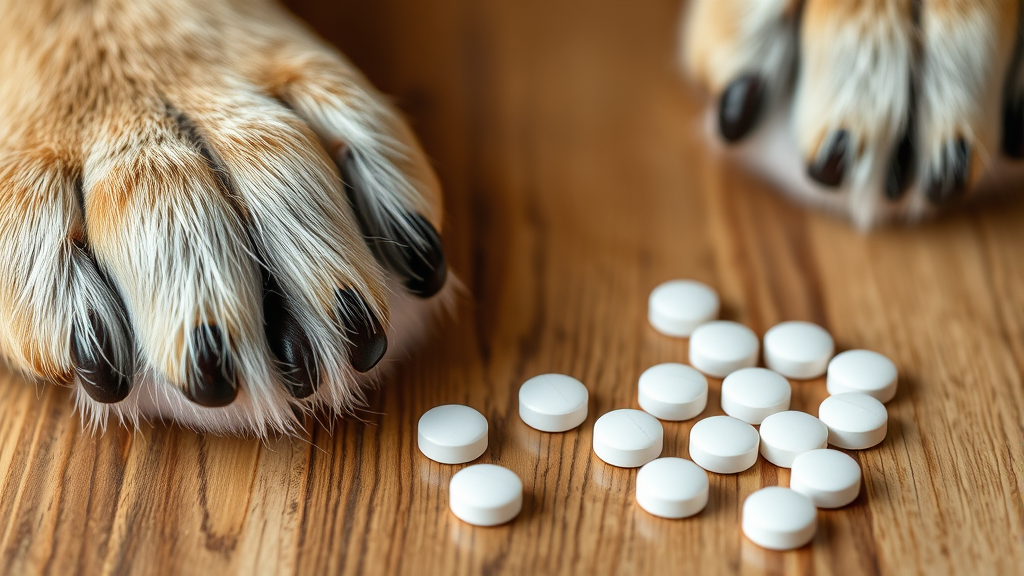
The short answer is that dogs can take aspirin, but only under strict veterinary supervision and in specific circumstances. The American Veterinary Medical Association emphasizes that human medications should never be given to pets without professional guidance.
Veterinarians may occasionally prescribe aspirin for dogs with certain conditions, such as osteoarthritis or as part of cardiac therapy. However, this decision is made after careful evaluation of the dog’s overall health, weight, age, and potential drug interactions. The key difference between human and veterinary use is the dosage, frequency, and duration of treatment.
It’s crucial to understand that what works safely for humans doesn’t automatically translate to safe use in dogs. Many pet owners make the mistake of calculating dog dosages based on human recommendations, which can lead to serious complications. If you’re considering what painkillers can i give my dog, aspirin should never be your first choice without veterinary consultation.
Risks and Side Effects of Aspirin in Dogs
The risks associated with giving aspirin to dogs are substantial and can be life-threatening. The most common and serious side effects include gastrointestinal problems, kidney damage, and bleeding disorders. Dogs are particularly susceptible to gastric ulceration and bleeding when taking aspirin, even at prescribed doses.
Gastrointestinal side effects are the most frequently observed complications. These can range from mild stomach upset and vomiting to severe ulceration and internal bleeding. Signs of gastrointestinal distress include loss of appetite, vomiting, diarrhea, and dark, tarry stools that may indicate bleeding.
Kidney damage is another serious concern, especially in older dogs or those with pre-existing kidney conditions. Aspirin can reduce blood flow to the kidneys, potentially causing acute kidney injury or worsening chronic kidney disease. The National Center for Biotechnology Information has documented numerous cases of NSAID-induced kidney problems in dogs.
Bleeding disorders represent perhaps the most dangerous risk. Aspirin interferes with platelet function, which is essential for blood clotting. This can lead to prolonged bleeding from minor injuries and, in severe cases, internal hemorrhaging. Dogs taking aspirin should be monitored closely for any signs of abnormal bleeding.
Safe Dosage Guidelines
If a veterinarian determines that aspirin is appropriate for your dog, the dosage will be calculated based on several factors including the dog’s weight, age, health status, and the specific condition being treated. The general veterinary guideline for aspirin in dogs is typically 5-10 mg per pound of body weight every 12 hours, but this can vary significantly.
Never attempt to calculate the dosage yourself or use human aspirin formulations without veterinary approval. Baby aspirin is sometimes used for small dogs, but even this requires professional guidance. Regular aspirin tablets are generally too strong for most dogs and can easily lead to overdose.
Duration of treatment is equally important as dosage. Unlike some medications that can be used long-term, aspirin therapy in dogs is typically short-term due to the cumulative risks. Your veterinarian will establish a specific treatment plan that includes regular monitoring and reassessment.

When Veterinarians Prescribe Aspirin
Veterinarians may consider aspirin therapy for dogs in specific medical situations. Osteoarthritis is one of the most common conditions where aspirin might be prescribed, particularly for older dogs experiencing joint pain and inflammation. However, newer, safer NSAIDs specifically designed for dogs are usually preferred.
Cardiovascular conditions represent another area where aspirin might be beneficial. Some dogs with heart disease may benefit from aspirin’s anti-platelet effects to help prevent blood clots. This use requires careful cardiac evaluation and ongoing monitoring by a veterinary cardiologist.
Post-surgical pain management is occasionally another indication, though modern veterinary practice typically favors dog-specific pain medications. The decision to use aspirin post-operatively depends on the type of surgery, the dog’s health status, and the availability of alternative pain management options.
Safer Alternatives to Aspirin
Modern veterinary medicine offers numerous safer alternatives to aspirin for managing pain and inflammation in dogs. Veterinary-specific NSAIDs such as carprofen, meloxicam, and deracoxib are designed specifically for canine physiology and have better safety profiles than human medications.
These veterinary NSAIDs are formulated to be more gentle on the canine digestive system while providing effective pain relief. They’re available in various forms including tablets, chewable treats, and injectable formulations, making administration easier for both pets and owners.
Non-pharmaceutical approaches also play an important role in pain management. Physical therapy, weight management, joint supplements, and alternative therapies like acupuncture can provide significant relief for many conditions. These approaches often have fewer side effects and can be used long-term safely.
For immediate care situations, it’s important to know that just as you shouldn’t give aspirin without guidance, other human medications like can i give my dog tylenol also require careful consideration and veterinary approval.
Warning Signs and Emergency Situations
Recognizing the signs of aspirin toxicity in dogs is crucial for any pet owner. Early symptoms include vomiting, diarrhea, loss of appetite, and lethargy. As toxicity progresses, more serious signs may develop including difficulty breathing, pale gums, weakness, and collapse.
Gastrointestinal bleeding is a particularly dangerous complication that may manifest as vomiting blood, dark tarry stools, or pale gums indicating blood loss. If you notice any of these signs in a dog that has received aspirin, seek immediate veterinary attention.
Neurological symptoms can also occur with aspirin poisoning, including confusion, seizures, and loss of coordination. These signs indicate severe toxicity and require emergency treatment. The ASPCA Animal Poison Control Center provides 24/7 assistance for pet poisoning emergencies.
If you suspect aspirin toxicity, don’t wait for symptoms to worsen. Contact your veterinarian immediately or call a pet poison control hotline. Time is critical in treating aspirin overdose, and early intervention can make the difference between recovery and serious complications.
Prevention and Proper Pain Management
The best approach to canine pain management starts with prevention and early intervention. Regular veterinary checkups can help identify potential pain-causing conditions before they become severe. This is particularly important for senior dogs who are more prone to arthritis and other chronic conditions.
Maintaining your dog’s optimal weight is one of the most effective ways to prevent and manage joint pain. Excess weight puts additional stress on joints and can worsen conditions like arthritis. A balanced diet and regular exercise appropriate for your dog’s age and condition are essential components of pain prevention.
When pain management is necessary, always consult with your veterinarian first. They can evaluate your dog’s specific needs and recommend the safest, most effective treatment options. This might include prescription medications, supplements, physical therapy, or a combination of approaches.
Creating a comprehensive pain management plan with your veterinarian ensures that your dog receives appropriate care while minimizing risks. This plan should include regular monitoring, adjustment of treatments as needed, and clear guidelines for when to seek emergency care.
It’s also worth noting that some conditions may require you to how to tell if a dog has a fever or monitor other symptoms that might indicate the need for different treatments entirely.
Frequently Asked Questions
Can I give my dog baby aspirin for pain?
Baby aspirin should only be given to dogs under veterinary supervision. While the lower dose may seem safer, dogs metabolize aspirin differently than humans, and even baby aspirin can cause serious side effects. Always consult your veterinarian before giving any medication to your dog, and consider safer alternatives like can dogs have benadryl for specific conditions when appropriate.
How much aspirin is safe for a 50-pound dog?
There is no safe dosage that can be recommended without veterinary evaluation. While general guidelines exist (typically 5-10 mg per pound every 12 hours), the appropriate dose depends on your dog’s overall health, age, other medications, and the specific condition being treated. Only a veterinarian can determine if aspirin is appropriate and what dosage would be safe for your individual dog.
What should I do if my dog accidentally ate aspirin?
If your dog has accidentally ingested aspirin, contact your veterinarian or pet poison control immediately. Don’t wait for symptoms to appear, as early treatment is crucial. Provide information about how much was consumed, when it happened, and your dog’s weight. Do not induce vomiting unless specifically instructed by a veterinary professional, as this can sometimes cause additional complications.
Are there any natural alternatives to aspirin for dog pain relief?
Yes, several natural approaches can help manage dog pain including omega-3 fatty acids, glucosamine and chondroitin supplements, turmeric, and physical therapy. However, these should complement, not replace, proper veterinary care. The National Institutes of Health has researched various natural anti-inflammatory compounds that may be beneficial for arthritis pain in both humans and animals.
Can aspirin interact with other medications my dog is taking?
Yes, aspirin can interact with many medications including other NSAIDs, steroids, blood thinners, and certain heart medications. These interactions can increase the risk of side effects or reduce the effectiveness of other treatments. This is why it’s crucial to inform your veterinarian about all medications and supplements your dog is currently taking before starting any new treatment. Some pet owners also wonder about other medications like can dogs have pepto bismol, which can also have interactions.
How long does it take for aspirin to work in dogs?
When prescribed appropriately by a veterinarian, aspirin typically begins to show effects within 1-2 hours in dogs. However, maximum anti-inflammatory effects may not be seen for several days of consistent use. The duration of action in dogs is longer than in humans due to slower metabolism, which is why dosing frequency is different. Never increase the dose or frequency if you don’t see immediate results, as this can lead to dangerous accumulation of the drug.
What are the signs that my dog needs pain medication?
Signs that your dog may be experiencing pain include limping, reluctance to move or exercise, changes in appetite, excessive panting, restlessness, whimpering, changes in sleeping patterns, and behavioral changes such as increased aggression or withdrawal. However, dogs often hide pain well, so subtle changes in behavior may be the only indicators. If you suspect your dog is in pain, schedule a veterinary evaluation rather than attempting to treat with human medications. Your vet can also guide you on can you put neosporin on a dog for minor injuries that might be causing discomfort.





