
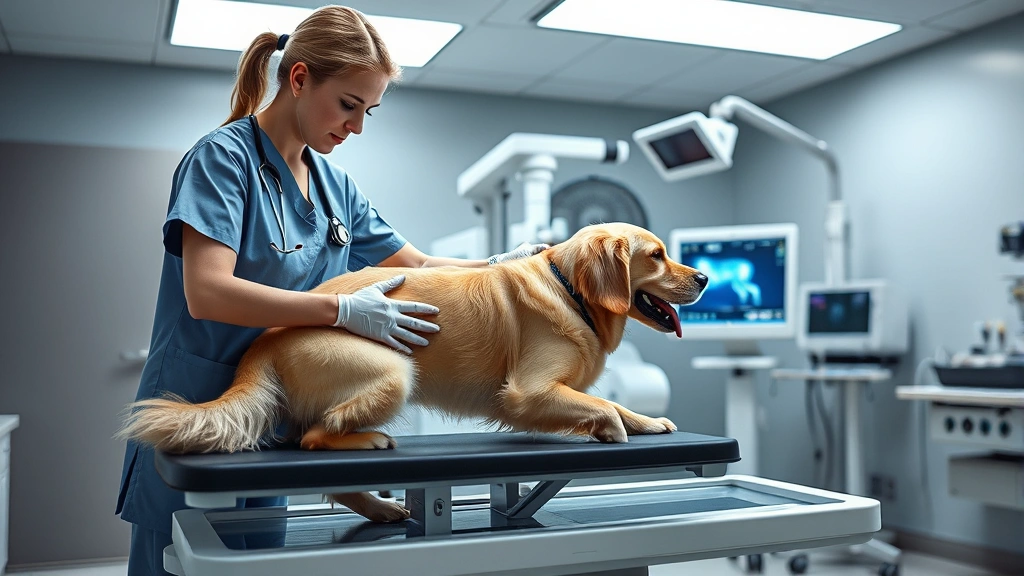
So you’re wondering how much is a dog x ray? Well, buckle up because the answer isn’t as straightforward as “just one number.” Dog x-rays can range anywhere from $150 to $600+ depending on a bunch of factors, and we’re going to break down exactly what determines your vet bill.
Table of Contents
- Understanding Dog X-Ray Costs in 2024
- Factors That Influence Dog Radiograph Pricing
- Breaking Down the Average Dog X-Ray Price by Region
- What’s Included in Your Dog X-Ray Bill?
- Sedation and Anesthesia: Hidden Costs You Need to Know
- Emergency vs. Routine X-Ray Costs
- Pet Insurance and X-Ray Coverage
- Specialized X-Ray Techniques Cost More
- How to Save Money on Dog X-Rays
- When Your Dog Absolutely Needs X-Rays
- Understanding Radiologist Consultation Fees
- Comparing X-Rays to Other Diagnostic Tools
- Regional Veterinary Cost Variations Explained
- Frequently Asked Questions
- Conclusion: Making Informed Decisions About Your Dog’s X-Ray Costs
Understanding Dog X-Ray Costs in 2024
The average dog x ray cost sits somewhere between $200-$400 for a standard radiograph. But here’s the kicker—that’s just the imaging itself. You might also be paying for the vet’s interpretation, sedation (if needed), or additional views. Think of it like ordering a pizza: the base price is one thing, but once you start adding toppings, the bill climbs fast.
Location matters too. Urban veterinary clinics in major cities charge significantly more than rural practices. A dog x-ray in New York City might cost double what it costs in rural Kansas. It’s frustrating, but that’s the reality of regional pricing differences.
Factors That Influence Dog Radiograph Pricing
Several variables determine your final bill when getting x-rays for your furry friend. Let’s break down the big ones:
Dog Size: Larger dogs require more radiation exposure and longer positioning time, which means higher costs. A German Shepherd x-ray costs more than a Chihuahua’s simply due to the physics involved.
Number of Views: Your vet might need multiple angles to get a complete picture. One view costs less than three views. It’s like photography—more shots mean more work and higher costs.
Sedation Requirements: If your pup is anxious or uncooperative, sedation might be necessary. That’s an extra $50-$200 depending on the drug used and your dog’s weight.
Urgency: Emergency after-hours x-rays cost significantly more—sometimes 2-3 times the standard rate. Your 2 AM emergency visit will hit your wallet harder than a Tuesday afternoon appointment.
Breaking Down the Average Dog X-Ray Price by Region
Here’s where geography becomes your wallet’s best friend or worst enemy:
Metropolitan Areas: $300-$600 per x-ray. Urban clinics have higher overhead, specialized equipment, and board-certified radiologists on staff.
Suburban Clinics: $200-$350 per x-ray. These practices balance affordability with quality care.
Rural Practices: $150-$250 per x-ray. Lower overhead means lower costs passed to pet parents.
International pricing varies wildly too. UK vets charge £100-£300, while Australian clinics run AUD $200-$500. If you’re traveling with your dog, budget accordingly.
What’s Included in Your Dog X-Ray Bill?
When your vet quotes you a price, understand what you’re actually paying for. The cost typically includes:
- Radiographic imaging (the actual x-ray)
- Positioning and handling of your dog
- Vet’s initial interpretation
- Digital storage and records
- One printed copy (usually)
What’s often NOT included:
- Veterinarian specialist review (radiologist consultation adds $100-$300)
- Sedation or anesthesia
- Additional views or follow-up imaging
- Rushed results (expedited reports cost extra)
- Contrast agents (for special studies)
Always ask your vet to itemize the bill. You’d be surprised how many pet parents don’t realize what they’re actually paying for.
Sedation and Anesthesia: Hidden Costs You Need to Know
Here’s where your bill can balloon unexpectedly. If your dog needs sedation for x-rays, you’re looking at additional charges:
Light Sedation: $50-$100. This keeps your dog calm but responsive.
Deep Sedation: $100-$200. Your dog’s basically knocked out but not fully anesthetized.
General Anesthesia: $200-$500+. Full unconsciousness with intubation and monitoring.
Anxious dogs, aggressive breeds, or those with mobility issues often need sedation. It’s not optional—it’s necessary for quality images and your dog’s safety. The vet can’t get good x-rays if your pup is thrashing around like a furry tornado.
Emergency vs. Routine X-Ray Costs
Timing is everything when it comes to vet bills. A routine x-ray during business hours costs significantly less than an emergency visit.
Daytime Appointment (8 AM – 5 PM): Standard pricing applies. You’re paying the normal rate.
Evening Appointment (5 PM – 10 PM): Add 20-30% to your bill. The clinic stays open late, which costs them more.
After-Hours Emergency (10 PM – 8 AM): Double or triple the cost. Emergency clinics have different overhead, specialized staff, and limited availability.
Weekend Visits: 50-100% markup. Vets don’t want to work weekends, so they charge accordingly.
If your dog ate something suspicious at 11 PM on a Saturday, yes, that emergency x-ray is going to hurt. Budget $400-$800 for after-hours imaging. This is why pet insurance with emergency coverage exists.
Pet Insurance and X-Ray Coverage
Before you pay out of pocket, check your pet insurance policy. Many plans cover 70-90% of diagnostic imaging costs after your deductible. Some plans have no deductible for emergency care.
A typical pet insurance claim for a $300 x-ray might leave you paying only $30-$90 out of pocket. That’s a game-changer for expensive diagnostic procedures. Pet telehealth services can also help you determine if an x-ray is truly necessary before you commit to the cost.
If you don’t have insurance, ask your vet about payment plans. Many practices offer CareCredit or similar financing options that let you spread costs over 6-12 months interest-free.
Specialized X-Ray Techniques Cost More
Standard radiographs are one thing, but some situations require fancy imaging:
Digital Radiography: Standard, no extra cost usually.
Contrast Studies: Add $200-$500. Barium or other contrast agents help visualize soft tissues. Your vet injects or feeds contrast material, then takes x-rays at intervals.
Orthopedic Imaging: $300-$600. Specialized positioning for joint or bone evaluation.
Dental X-Rays: $100-$300. Intraoral dental radiographs require special equipment and positioning.
Computed Radiography (CR): Similar cost to digital radiography but sometimes charged slightly higher.
These specialized techniques provide crucial diagnostic information but definitely impact your final bill. Your vet will explain why they’re recommending specific imaging types.
How to Save Money on Dog X-Rays
Let’s get practical. Here are legitimate ways to reduce your x-ray costs:
Get Multiple Quotes: Call three local vets and ask their x-ray pricing. You might find a $200 difference between clinics.
Ask About Package Deals: Some clinics offer discounts if you’re getting multiple x-rays or combining services.
Schedule During Business Hours: Avoid emergency visits when possible. A $300 routine x-ray becomes $600+ in the ER.
Use telehealth vet appointments First: Get a vet’s opinion before committing to expensive imaging. Sometimes x-rays aren’t necessary.
Ask About online pet diagnostics: Some vets offer remote radiologist reviews that cost less than in-house specialist consultations.
Join a Pet Wellness Plan: Annual plans sometimes include discounted diagnostic imaging.
Negotiate: Seriously. Ask if the vet can reduce costs or offer a cash discount. You’d be surprised how often they say yes.
When Your Dog Absolutely Needs X-Rays
Not every suspected problem requires radiographs, but some situations absolutely demand them:
- Suspected fractures or orthopedic injuries
- Foreign body ingestion (your dog ate something they shouldn’t have)
- Chronic coughing or respiratory issues
- Abdominal pain or distension
- Lameness lasting more than a few days
- Pre-surgical evaluation
- Follow-up imaging for known conditions
- Cancer screening in older dogs
Your vet should explain why they’re recommending x-rays. If they can’t justify it clearly, ask questions. Sometimes bloodwork or ultrasound provides better information for less money.
Understanding Radiologist Consultation Fees
Here’s something many pet parents don’t realize: the vet who takes the x-ray might not be the one interpreting it. Specialist radiologists charge extra.
In-House Interpretation: Usually included in your x-ray cost. The vet looks at images immediately.
Radiologist Consultation: Add $100-$300. A board-certified radiologist reviews images and provides detailed written report.
Telemedicine Radiologist: $75-$200. Remote specialists review digital images and send reports within 24-48 hours.
For complex cases, radiologist consultation is worth every penny. They catch things general practitioners might miss. But for straightforward fracture confirmation? Your regular vet’s interpretation usually suffices.
Comparing X-Rays to Other Diagnostic Tools
X-rays aren’t always the best diagnostic choice. Here’s how they stack up cost-wise:

X-Rays: $200-$400. Best for bones, lungs, foreign bodies.
Ultrasound: $250-$500. Better for soft tissue organs, pregnancy, fluid evaluation.
CT Scan: $800-$2,500. Most detailed, but overkill for many situations.
MRI: $1,500-$3,000. Reserved for complex neurological or orthopedic cases.
Bloodwork: $100-$400. Often done first to narrow down the problem.
Your vet should recommend the most cost-effective diagnostic tool for your dog’s specific situation. Sometimes a combination of tests costs less than jumping straight to advanced imaging.
Regional Veterinary Cost Variations Explained
Why does a dog x-ray cost so much more in San Francisco than in Sioux Falls? Several factors:
Cost of Living: Higher rent, staff salaries, and operating expenses in major cities get passed to clients.
Competition: Urban areas have more vets, but also higher demand and specialized practices that charge premium rates.
Equipment Investment: State-of-the-art digital radiography systems cost $100,000+. Urban clinics with newer equipment charge more.
Staff Expertise: Clinics with board-certified specialists charge more than general practitioners.
Overhead: A Manhattan clinic’s rent is literally 10x a rural clinic’s rent. Those costs factor into every service.
This isn’t unfair—it’s just economics. If you’re in an expensive area and cost is prohibitive, ask your vet if they can refer you to a lower-cost clinic or animal hospital in a nearby less-expensive region.
Frequently Asked Questions
How much does a dog x-ray cost on average?
The average dog x-ray costs between $200-$400 in 2024. However, prices range from $150 in rural areas to $600+ in major metropolitan cities. Emergency after-hours x-rays cost significantly more, often $400-$800. Your final bill depends on location, dog size, number of views needed, and whether sedation is required.
Is pet insurance worth it for x-ray costs?
Absolutely, especially if your dog is prone to injuries or has chronic conditions requiring regular imaging. Most pet insurance plans cover 70-90% of diagnostic imaging costs after your deductible. A $300 x-ray might cost you only $30-$90 out of pocket with insurance. For dogs with ongoing health issues, insurance easily pays for itself.
Why do emergency vet x-rays cost so much more?
Emergency clinics have higher overhead costs: they’re staffed 24/7, maintain specialized equipment, pay premium wages for after-hours work, and have limited client volume to spread costs across. A routine $300 x-ray becomes $600-$900 at 2 AM because you’re paying for that entire infrastructure to be available.
Can I get a dog x-ray without seeing a vet first?
No, not legally. Veterinarians must examine your dog before ordering x-rays. However, telehealth vet appointments can provide initial consultation at lower cost, potentially determining if x-rays are necessary before you commit to imaging expenses.
Do I need to pay extra for the vet to interpret the x-ray?
Usually interpretation is included in your x-ray cost. However, if you want a board-certified radiologist’s review (recommended for complex cases), expect to pay an additional $100-$300. Telemedicine radiologist consultations cost $75-$200 and typically provide results within 24-48 hours.
What’s the difference between a regular x-ray and a contrast study?
Regular x-rays show bones and some soft tissues. Contrast studies use special dyes or barium to highlight specific organs or the GI tract, providing more detailed information. Contrast studies cost $200-$500 more than regular radiographs because they require additional materials, positioning time, and multiple images at intervals.
Are there cheaper alternatives to x-rays?
Sometimes. Ultrasound costs similarly ($250-$500) but shows different information. Bloodwork ($100-$400) often identifies problems before expensive imaging is needed. Always ask your vet if a less expensive diagnostic test might work first. However, some situations absolutely require x-rays for accurate diagnosis.
Can I get dog x-rays at a low-cost clinic?
Yes. Low-cost veterinary clinics and animal hospitals often charge $100-$200 for x-rays. Check your local animal shelter, humane society, or search “low-cost vet clinic near me.” Quality is usually excellent; the lower cost comes from non-profit status, reduced overhead, or volunteer support. Call ahead to confirm they offer radiography services.
Conclusion: Making Informed Decisions About Your Dog’s X-Ray Costs
So, how much is a dog x ray? The answer is: it depends on many factors, but expect $200-$400 for a standard radiograph in most areas. Emergency visits cost significantly more, sedation adds expense, and specialist consultations increase the bill further.
Here’s your action plan: First, get your vet’s recommendation and ask them to itemize all costs. Second, call 2-3 other clinics for price comparisons—you might save $100+ easily. Third, check if pet insurance covers the procedure or if your clinic offers payment plans. Fourth, ask if your vet can determine if x-rays are truly necessary before ordering them.
Remember, x-rays are diagnostic tools that provide crucial information for your dog’s health. While costs matter, getting accurate diagnosis is more important than saving a few dollars. A $300 x-ray that identifies a treatable condition is worth infinitely more than a missed diagnosis.
Your dog can’t tell you what’s wrong, so quality imaging is often the only way to find answers. Budget accordingly, explore your options, and don’t hesitate to ask questions about costs. Your vet should be transparent about pricing and willing to discuss alternatives if cost is a concern.





