
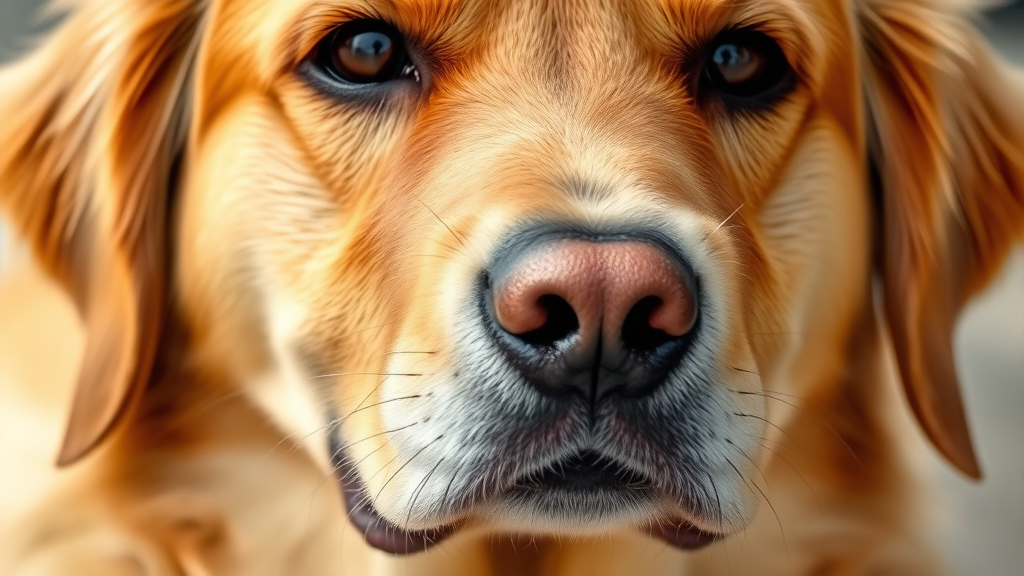
Many dog owners are surprised to discover that their furry companions can develop skin conditions remarkably similar to human acne. Just like teenagers dealing with breakouts, dogs can experience pimples, blackheads, and other skin irritations that require careful attention and proper treatment. Understanding how to identify and safely handle these skin issues is crucial for maintaining your pet’s comfort and preventing more serious complications.
Dog pimples, medically known as canine acne or folliculitis, are more common than most pet parents realize. These skin eruptions typically appear on areas with sparse hair coverage, such as the chin, lips, and muzzle. While the condition might seem minor, improper handling can lead to bacterial infections, scarring, or chronic skin problems that affect your dog’s quality of life.
Understanding Dog Pimples: The Basics
Dog pimples are inflammatory skin lesions that occur when hair follicles become clogged with oil, dead skin cells, and bacteria. This condition, technically called canine acne or muzzle folliculitis, primarily affects young dogs between 5 months to 1 year of age, though it can occur in dogs of any age. The condition is particularly common in short-haired breeds such as Bulldogs, Boxers, Great Danes, and German Shorthaired Pointers.
Unlike human acne, which is largely driven by hormonal changes, can dogs get pimples is often related to physical irritation, poor hygiene, or genetic predisposition. The sebaceous glands in dogs produce oils that can become trapped in hair follicles, creating an environment where bacteria can thrive and cause inflammation.
The anatomy of a dog’s skin plays a crucial role in acne development. Dogs have a higher concentration of hair follicles per square inch compared to humans, and their skin is generally thinner. This makes them more susceptible to follicular irritation and subsequent bacterial infections when proper care isn’t maintained.

Common Causes of Canine Acne
Several factors contribute to the development of pimples in dogs, with mechanical irritation being the most common culprit. Dogs that frequently rub their faces against rough surfaces, dig in dirt, or push their muzzles through fence gaps are at higher risk. Food and water bowls made from plastic or other porous materials can harbor bacteria that irritate the sensitive skin around the mouth and chin area.
Hormonal fluctuations during adolescence can trigger acne in young dogs, similar to human teenagers. Additionally, stress, poor nutrition, and compromised immune systems can make dogs more susceptible to skin problems. Some dogs may develop acne as a secondary condition to other skin issues like hot spots, which can create a cycle of irritation and inflammation.
Environmental allergens, including pollen, dust mites, and certain cleaning products, can also contribute to skin sensitivity and acne development. Dogs with food allergies may experience skin reactions that manifest as acne-like lesions, particularly around the face and mouth area where food contact is most frequent.
Identification and Symptoms
Recognizing dog pimples early is essential for effective treatment and preventing complications. The most common signs include small, raised red bumps on the chin, lips, and muzzle area. These lesions may appear as blackheads, whiteheads, or inflamed pustules similar to human acne. In severe cases, you might notice swelling, pain, and even bleeding from the affected areas.
Dogs with acne often exhibit behavioral changes such as excessive scratching, rubbing their face against furniture, or showing reluctance to eat from their regular bowls. Some dogs may develop fever symptoms if the condition becomes severely infected, including lethargy, loss of appetite, and warm skin around the affected areas.
It’s important to distinguish between acne and other skin conditions that may appear similar. Allergic reactions, insect bites, and fungal infections can all cause similar-looking lesions. If you notice any unusual discharge, foul odor, or if the condition spreads beyond the typical acne-prone areas, it’s crucial to seek veterinary evaluation.
Safe Treatment Methods at Home
When dealing with mild cases of dog acne, several safe home treatment methods can help alleviate symptoms and promote healing. The first step is maintaining excellent hygiene by gently cleaning the affected area with a warm, damp cloth twice daily. Use only mild, fragrance-free cleansers specifically designed for dogs, as human products can be too harsh and may worsen the condition.
Warm compresses applied for 5-10 minutes several times a day can help reduce inflammation and encourage natural drainage of clogged pores. Make sure the compress is comfortably warm, not hot, to avoid burning your dog’s sensitive skin. After applying heat, gently pat the area dry with a clean towel.
Topical treatments specifically formulated for canine skin can be beneficial when used correctly. Products containing benzoyl peroxide in concentrations of 2.5% or lower are generally safe for dogs and can help unclog pores and reduce bacteria. However, similar to questions about topical antibiotics, always consult with your veterinarian before applying any medication to your dog’s skin.

When to See a Veterinarian
While mild acne can often be managed at home, certain signs indicate the need for professional veterinary care. If the lesions are deep, numerous, or accompanied by significant swelling and pain, veterinary intervention is necessary. Additionally, if home treatments haven’t shown improvement within 2-3 weeks, or if the condition appears to be worsening, it’s time to schedule an appointment.
Signs of secondary bacterial infection require immediate veterinary attention. These include thick yellow or green discharge, a foul odor emanating from the lesions, or if your dog shows signs of systemic illness such as lethargy or loss of appetite. Some dogs may also develop eye irritation if the infection spreads to nearby areas.
Your veterinarian may prescribe topical or systemic antibiotics, medicated shampoos, or other treatments based on the severity of the condition. In some cases, they might recommend allergy testing or dietary changes if food sensitivities are suspected to be contributing factors. Professional treatment is especially important for dogs with recurring acne episodes.
Prevention Strategies
Preventing dog acne requires a multi-faceted approach focusing on hygiene, environmental management, and proper nutrition. Regular grooming and face cleaning are essential, especially after meals and outdoor activities. Use stainless steel or ceramic food and water bowls instead of plastic ones, as these materials are less likely to harbor bacteria and are easier to keep clean.
Maintaining proper ear hygiene and overall cleanliness helps prevent the spread of bacteria that could contribute to facial acne. Wash your dog’s bedding regularly and ensure their sleeping area is clean and well-ventilated. If your dog tends to dig or rub against rough surfaces, try to redirect this behavior or limit access to problematic areas.
Nutrition plays a crucial role in skin health. Ensure your dog receives a balanced diet rich in omega-3 fatty acids, which support skin health and reduce inflammation. Some dogs benefit from limited ingredient diets if food allergies are suspected. Always provide fresh, clean water and consider adding skin-supporting supplements after consulting with your veterinarian.
What NOT to Do
When dealing with dog pimples, certain actions can worsen the condition or cause serious complications. Never squeeze, pop, or pick at your dog’s pimples, as this can drive bacteria deeper into the skin, cause scarring, and spread infection to surrounding areas. This practice can also be extremely painful for your pet and may cause them to become defensive or aggressive during future handling.
Avoid using human acne medications or harsh chemicals on your dog’s skin. Products containing salicylic acid, hydrogen peroxide in high concentrations, or alcohol-based solutions can cause severe irritation and chemical burns. While you might wonder about antibiotic ointments, many human medications are toxic to dogs and should never be used without veterinary approval.
Don’t ignore persistent or worsening symptoms hoping they’ll resolve on their own. Untreated acne can lead to deep skin infections, permanent scarring, and chronic skin problems that are much more difficult and expensive to treat. Additionally, avoid over-cleaning the affected area, as excessive scrubbing can irritate the skin and actually worsen the condition.
Frequently Asked Questions
Can dogs get pimples like humans do?
Yes, dogs can develop pimples similar to humans, though the underlying causes may differ. Canine acne typically affects the chin, lips, and muzzle area and is more common in young dogs and short-haired breeds. The condition involves clogged hair follicles that become inflamed and infected with bacteria, creating lesions that look remarkably similar to human acne.
What breeds are most prone to developing acne?
Short-haired breeds are most susceptible to canine acne, including Bulldogs, Boxers, Great Danes, German Shorthaired Pointers, Mastiffs, and Rottweilers. These breeds have coarser hair and more prominent facial features that can contribute to follicular irritation. However, any dog can develop acne under the right circumstances, regardless of breed or coat type.
Is it safe to pop my dog’s pimples?
No, you should never pop or squeeze your dog’s pimples. This can drive bacteria deeper into the skin, cause painful scarring, and spread infection to surrounding areas. Popping pimples can also be extremely uncomfortable for your dog and may lead to more serious complications requiring veterinary treatment. Always allow lesions to heal naturally or seek professional veterinary care.
How long does it take for dog acne to clear up?
Mild cases of dog acne typically improve within 2-4 weeks with proper care and hygiene. However, more severe cases or those with secondary bacterial infections may take 6-8 weeks or longer to fully resolve. The healing time depends on the severity of the condition, the dog’s age and immune system, and how quickly appropriate treatment is started.
Can diet affect my dog’s acne?
Yes, diet can play a significant role in skin health and acne development. Food allergies or sensitivities can manifest as skin problems, including acne-like lesions around the mouth and face. A balanced diet rich in omega-3 fatty acids can help reduce inflammation and support healthy skin. If you suspect food allergies, consult your veterinarian about elimination diets or allergy testing.
When should I take my dog to the vet for acne?
Seek veterinary care if the acne doesn’t improve within 2-3 weeks of home treatment, if lesions are deep or numerous, or if you notice signs of infection such as thick discharge, foul odor, or significant swelling. Also consult your vet if your dog shows signs of systemic illness, has recurring acne episodes, or if you’re unsure about the proper diagnosis and treatment approach.
Are there any home remedies that are safe for dog acne?
Safe home remedies include gentle cleaning with warm water and mild dog-specific cleansers, applying warm compresses to reduce inflammation, and maintaining excellent hygiene around food and water bowls. Always use stainless steel or ceramic bowls instead of plastic ones. However, avoid human acne products, harsh chemicals, or any treatment not specifically approved by your veterinarian, as these can cause more harm than good.





