
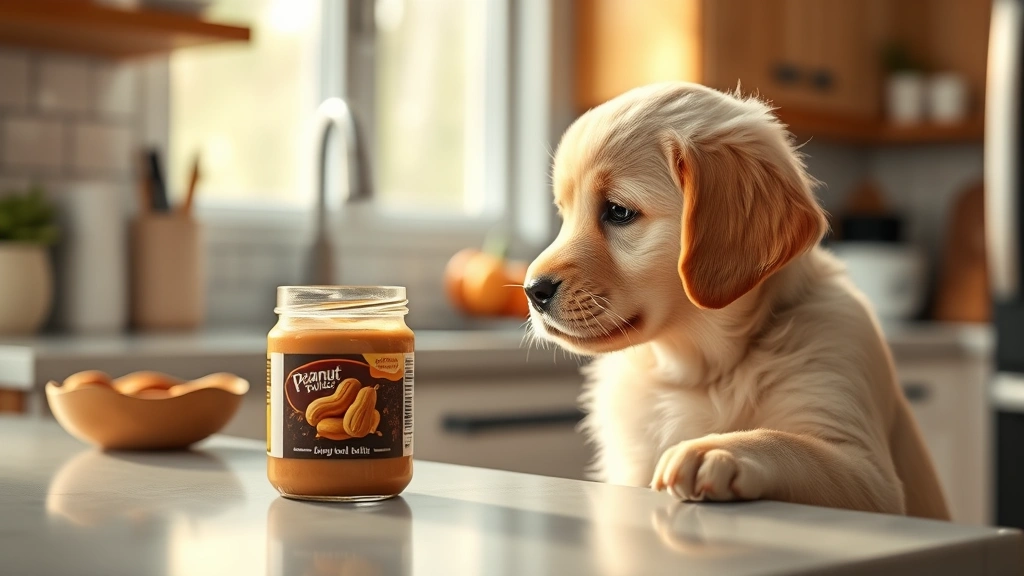
So you’re sitting there with your morning toast, peanut butter spread thick and delicious, and your dog gives you that look. You know the one—those big puppy eyes that say, “Please, just a tiny taste.” But before you cave to that adorable pressure, let’s talk about how much peanut butter can dogs have, because not all peanut butter is created equal, and the wrong kind could land your furry friend in serious trouble.
Table of Contents
- Is Peanut Butter Safe for Dogs at All?
- The Safe Amount: Size Matters
- Why Peanut Butter Should Be an Occasional Treat
- Reading Labels: The Xylitol Danger Zone
- Creative Ways to Serve Safe Peanut Butter to Your Dog
- Peanut Butter Allergies and Sensitivities in Dogs
- Healthier Alternatives to Consider
- What About Peanut Butter for Puppies?
- Senior Dogs and Peanut Butter
- The Bottom Line on Peanut Butter Portions
- Frequently Asked Questions
Is Peanut Butter Safe for Dogs at All?
The good news? Plain, unsalted peanut butter is generally safe for dogs in moderation. Dogs actually enjoy the taste, and it can be a decent source of protein and healthy fats. The bad news? There’s a massive asterisk attached to that statement. Not all peanut butters are created equal, and some contain ingredients that are absolutely toxic to dogs. Before you even think about the amount, you need to check that ingredient list like you’re reading a legal contract.
The main culprit lurking in some peanut butters is xylitol, an artificial sweetener that’s increasingly popular in “sugar-free” and “healthy” brands. Xylitol poisoning in dogs is no joke—it can cause hypoglycemia, liver damage, and even death. Always check the label before sharing any peanut butter with your pup.
The Safe Amount: Size Matters
Now that we’ve established which peanut butter is okay, let’s talk quantities. The amount your dog can safely have depends entirely on their size. This isn’t a one-size-fits-all situation, and giving a Chihuahua the same portion as a Great Dane would be ridiculous.
Small dogs (under 25 lbs): Stick to about ½ to 1 teaspoon per day. That’s literally a tiny dab on your finger.
Medium dogs (25-50 lbs): You can go up to 1-2 tablespoons per day, but that’s still considered a treat, not a meal component.
Large dogs (50+ lbs): Large breeds can handle up to 2-3 tablespoons daily, but again, this should be an occasional treat, not a daily staple.
These amounts assume it’s plain peanut butter with no added sugar, salt, or (heaven forbid) xylitol. If your dog is overweight or has dietary restrictions, even these amounts might be too much.
Why Peanut Butter Should Be an Occasional Treat
Even though peanut butter is non-toxic in safe amounts, it’s calorie-dense and high in fat. A single tablespoon of peanut butter contains about 95 calories and 8 grams of fat. For a 10-pound dog, that’s a significant chunk of their daily caloric intake. Regularly feeding your dog peanut butter can contribute to obesity, which opens the door to all sorts of health problems like diabetes, joint issues, and heart disease.
Additionally, the high fat content can trigger pancreatitis in some dogs, especially those with sensitive digestive systems or a history of pancreatic issues. If your dog has ever had pancreatitis, peanut butter should be completely off the menu.
Reading Labels: The Xylitol Danger Zone
This is where things get serious. Xylitol is toxic to dogs at remarkably small doses. As little as 0.1 grams per kilogram of body weight can cause problems, and some dogs have had severe reactions from just a single lick of xylitol-containing peanut butter. Brands to watch out for include some “natural” and “keto-friendly” options, though the list keeps growing.
Always read the ingredient list. If you see xylitol, sorbitol, or other sugar alcohols listed, put that jar back on the shelf immediately. Better yet, stick with trusted brands that clearly state “xylitol-free” on the label. When in doubt, what not to feed your dog includes any peanut butter you’re unsure about.
Creative Ways to Serve Safe Peanut Butter to Your Dog
If you’ve confirmed your peanut butter is safe and you’re sticking to the right portions, here are some fun ways to give it to your pup:
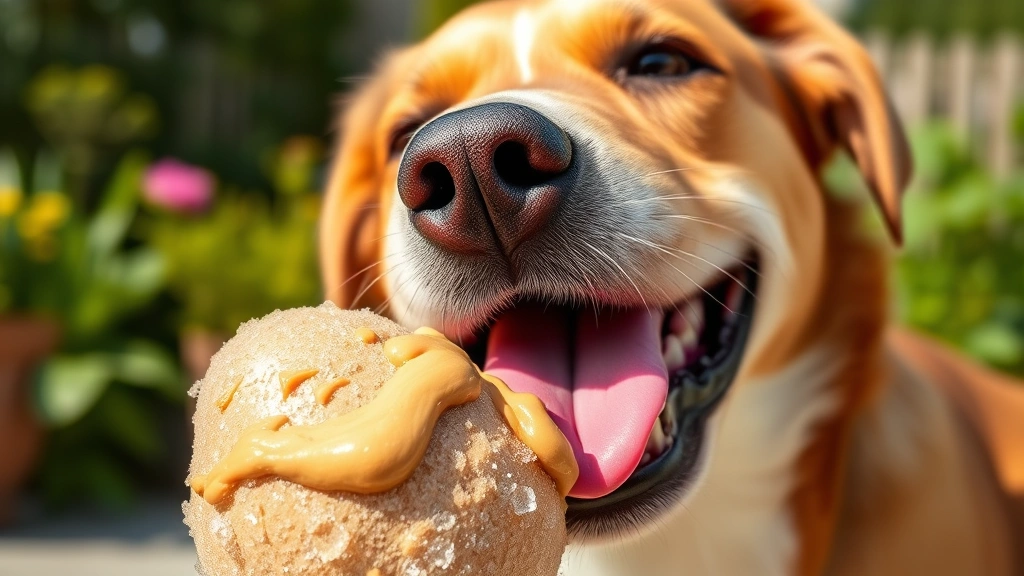
The Kong Toy Classic: Spread a thin layer inside a Kong toy and freeze it. This creates a long-lasting treat that keeps dogs entertained for hours. It’s especially great for anxious dogs or those who need mental stimulation.
Peanut Butter Treats: Mix a small amount of peanut butter with dog-safe ingredients like pumpkin puree or sweet potato, then freeze in ice cube trays. These homemade treats are healthier than many store-bought options.
The Lick Mat: Spread a thin layer on a lick mat and freeze it. This slows down consumption and makes the treat last longer, which is better for portion control and mental enrichment.
Training Reward: Use tiny amounts as high-value training rewards. Dogs go crazy for peanut butter, making it perfect for reinforcing good behavior.
Peanut Butter Allergies and Sensitivities in Dogs
While peanut allergies are relatively rare in dogs compared to humans, they do happen. Some dogs might be sensitive to the high fat content rather than allergic to peanuts specifically. Signs of a peanut butter problem include itching, vomiting, diarrhea, or ear infections.
If you’re introducing peanut butter to your dog for the first time, start with a tiny amount and monitor for any adverse reactions over the next 24-48 hours. If your dog has existing food sensitivities or allergies, check with your vet before introducing peanut butter, even if it’s technically safe for most dogs.
Healthier Alternatives to Consider
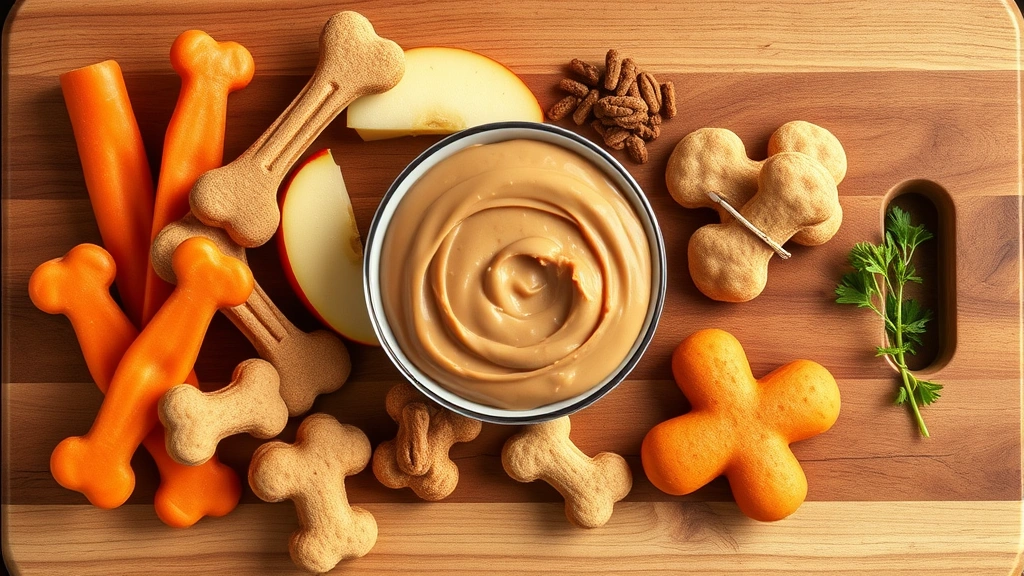
If you want to give your dog a special treat but you’re concerned about peanut butter, there are plenty of other options. Healthy snack alternatives for dogs include plain carrots, apple slices (without seeds), green beans, and watermelon. These options are lower in calories and fat, making them better for dogs watching their waistline.
For protein-rich treats, protein sources from human food that are safe for dogs include plain cooked chicken, turkey, and beef. These provide the nutritional benefits without the calorie overload.
What About Peanut Butter for Puppies?
Puppies have different nutritional needs than adult dogs, and their digestive systems are still developing. While plain peanut butter isn’t toxic to puppies, it’s generally not recommended as a regular treat. The high fat content can upset their developing digestive systems, and the calories can interfere with proper growth.
If you want to give your puppy a special treat, stick with puppy safe human foods that are specifically appropriate for their age and size. Your veterinarian can provide guidance on age-appropriate treats during your puppy’s wellness visits.
Senior Dogs and Peanut Butter
Senior dogs often benefit from smaller portions of everything, including treats. If your older dog has dental issues, arthritis, or digestive sensitivity, peanut butter might not be the best choice. The sticky texture can be difficult for dogs with dental problems, and the fat content might aggravate digestive issues or pancreatitis.
Always consider your senior dog’s individual health status before offering peanut butter. When in doubt, talk to your vet about whether it’s appropriate for your specific dog.
The Bottom Line on Peanut Butter Portions
Here’s the simple truth: plain, unsalted, xylitol-free peanut butter can be safe for dogs in very small amounts. But “safe” doesn’t mean “healthy” or “recommended as a regular treat.” Think of it as an occasional indulgence, like how you might treat yourself to ice cream on a hot day—it’s fine sometimes, but not every day.
Before you give your dog any peanut butter, ask yourself three questions: Is it xylitol-free? Is it unsalted? And does your dog’s current diet have room for the extra calories? If you can answer yes to all three, a tiny amount of peanut butter won’t hurt. If you’re unsure about any of these factors, skip it and choose a safer alternative.
Remember, your dog doesn’t need peanut butter to be happy. They’re happy because you’re there, you love them, and you feed them. The peanut butter is just the cherry on top of an already pretty sweet deal.
Frequently Asked Questions
Can dogs have peanut butter every day?
No. While small amounts of plain peanut butter are safe, it shouldn’t be given daily due to its high fat and calorie content. Occasional treats are fine, but daily peanut butter can contribute to obesity and other health issues. Reserve it for special occasions or training rewards.
What happens if my dog eats peanut butter with xylitol?
Xylitol is toxic to dogs and can cause rapid insulin release leading to hypoglycemia, liver damage, and potentially death. If your dog ingests xylitol-containing peanut butter, contact your veterinarian or an emergency vet clinic immediately. Don’t wait to see if symptoms develop—time is critical.
Is creamy or crunchy peanut butter safer for dogs?
Both creamy and crunchy peanut butter are equally safe (assuming they’re xylitol-free and unsalted). However, creamy peanut butter is slightly easier to digest and poses no choking risk, making it marginally better for dogs. Crunchy peanut butter is fine, but always supervise.
Can I use peanut butter as a training treat?
Yes, peanut butter can be an excellent high-value training treat because dogs love it. Use tiny amounts—just a small dab on your finger or a pea-sized portion—to reward good behavior. This keeps portions controlled while still providing strong motivation for training.
What brands of peanut butter are safest for dogs?
Jif, Skippy, and Peter Pan are generally safe choices that don’t contain xylitol. However, always check the current ingredient list, as manufacturers sometimes change formulations. Avoid “natural,” “organic,” and “keto-friendly” brands unless you’ve verified they’re xylitol-free, as these are more likely to contain sugar alcohols.
My dog ate a whole jar of peanut butter. Should I panic?
If it was xylitol-free peanut butter, your dog will likely be okay but may experience digestive upset like vomiting or diarrhea due to the high fat content. Monitor them closely and contact your vet if symptoms develop. If the jar contained xylitol, this is an emergency—seek veterinary care immediately.
Can peanut butter cause pancreatitis in dogs?
Yes, the high fat content in peanut butter can trigger pancreatitis in susceptible dogs, especially those with a history of the condition. If your dog has ever had pancreatitis, avoid peanut butter entirely and choose low-fat alternatives instead.





