
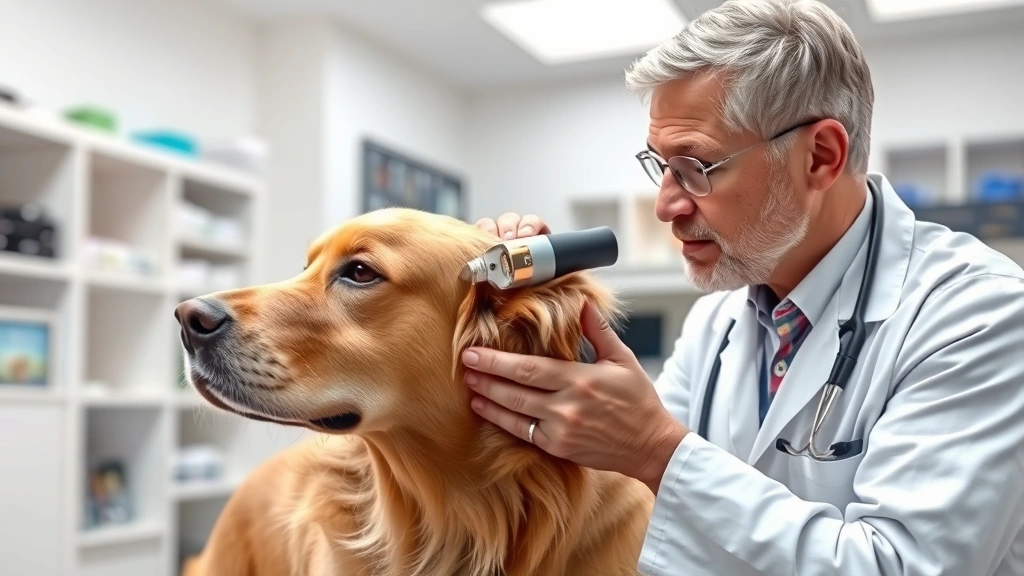
If you’re wondering how much peroxide for dog wounds, ear infections, or other issues, you’ve landed in the right place—because this is actually way more complicated than just grabbing that brown bottle from under your sink and going to town. Hydrogen peroxide can be useful for dogs in certain situations, but it’s also a substance that requires serious respect and proper dosing. Let’s break down everything you need to know about using peroxide safely on your furry friend.
Table of Contents
- Understanding Hydrogen Peroxide and Your Dog
- Safe Peroxide Dosing for Wound Cleaning
- Ear Cleaning and Infection Treatment
- Inducing Vomiting: When Peroxide Becomes Critical
- Peroxide for Skin Conditions and Yeast
- What Concentration is Actually Safe?
- Signs Your Dog Had Too Much Peroxide
- Alternatives to Peroxide for Common Dog Issues
- When to Call Your Vet Instead of DIY
- Storing Peroxide Safely Around Dogs
- Frequently Asked Questions
- Final Thoughts on Peroxide and Your Pup
Understanding Hydrogen Peroxide and Your Dog
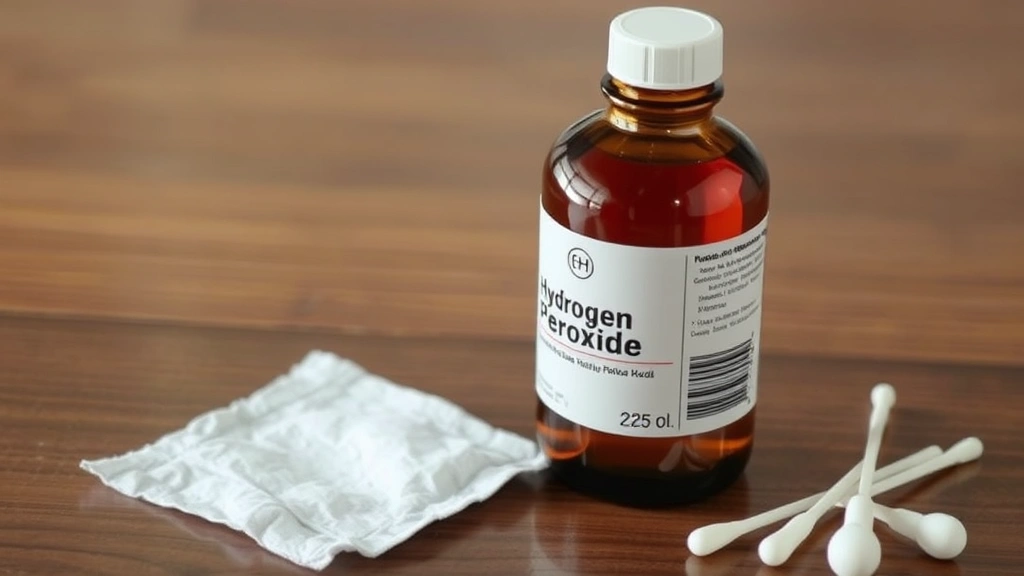
Hydrogen peroxide comes in various concentrations, and this matters tremendously when you’re dealing with your pup. The most common household version is 3% hydrogen peroxide, which is what most people have sitting around. There’s also 6%, 10%, and even higher concentrations used for industrial purposes—and yeah, you definitely don’t want those anywhere near Fido. The concentration level directly impacts safety, effectiveness, and potential risks. Think of it like the difference between a gentle breeze and a hurricane; both are wind, but one is way more dangerous.
Safe Peroxide Dosing for Wound Cleaning
When it comes to cleaning minor cuts or scrapes, 3% hydrogen peroxide is generally considered safe for topical use on dogs. Here’s the practical breakdown: dilute the 3% solution with equal parts water, creating a 1.5% solution. Apply this gently to the wound using a clean cloth or cotton ball. Never pour undiluted peroxide directly onto open wounds, as this can damage healthy tissue and cause gas bubbles that might lead to more problems. For small wounds, you’re looking at just a few applications—think of it as a quick rinse rather than a soak. This approach aligns with veterinary guidance on PetMD’s wound care recommendations.
Ear Cleaning and Infection Treatment
Dog ear infections are incredibly common, and many pet parents wonder if peroxide can help. Here’s where things get tricky: while some vets recommend diluted peroxide for ear cleaning, the concentration and method matter enormously. If your vet suggests using peroxide for ear issues, they’ll typically recommend a 1-2% solution at most. Never use full-strength 3% peroxide in ears, as it can damage the delicate ear canal tissue and the eardrum. The safest approach? Get your vet’s specific approval and exact instructions before applying anything into those ear canals. Your dog’s hearing is too precious to gamble with.
Inducing Vomiting: When Peroxide Becomes Critical
This is where peroxide’s role becomes genuinely important for dog safety. If your dog has ingested something toxic—like chocolate, xylitol, or certain medications—your vet might recommend using 3% hydrogen peroxide to induce vomiting quickly, before the substance gets absorbed. The dosage here is specific: typically 1 teaspoon per 10 pounds of body weight, given orally. However, and this is absolutely crucial, you should never do this without explicit veterinary guidance. Some toxins shouldn’t be vomited back up, and improper dosing can cause serious harm. This is a situation where you call your vet or poison control immediately—not something to wing. For poisoning concerns, our guide on telehealth advice for pet poisoning can help you connect with professionals quickly.
Peroxide for Skin Conditions and Yeast
Some pet owners use diluted peroxide as part of managing certain skin conditions or yeast infections. If you go this route, the solution should be no stronger than 1-2%, and you’re applying it topically to affected areas. Never soak your dog in peroxide or use it as a full-body bath without veterinary approval. The skin is your dog’s largest organ and primary defense against infection—damaging it with too-strong peroxide is counterproductive. Many vets now prefer specialized medicated shampoos or other treatments over peroxide for skin issues, so check with your veterinarian before attempting this approach.
What Concentration is Actually Safe?
Let’s get crystal clear on concentrations because this is where people mess up: 3% hydrogen peroxide (standard drugstore variety) can be used topically on dogs when diluted 1:1 with water. Anything stronger than 3% should never be used on dogs without explicit veterinary instruction. Never use food-grade hydrogen peroxide (typically 35%) on dogs—that’s industrial strength and can cause serious chemical burns and internal damage if ingested or applied to skin. When in doubt about the concentration you have, check the label carefully or call your vet before using it.
Signs Your Dog Had Too Much Peroxide
If your dog has been exposed to too much peroxide or too strong a concentration, watch for these warning signs: vomiting, drooling excessively, abdominal pain, lethargy, difficulty breathing, or tremors. Gas bubbles can form in blood vessels if peroxide enters the bloodstream, which is a serious emergency. If you notice any of these symptoms after peroxide exposure, contact your vet or emergency clinic immediately. Don’t wait around hoping it’ll resolve on its own. Our resource on emergency vet for food poisoning has information about when to seek urgent care.
Alternatives to Peroxide for Common Dog Issues
Honestly, there are often better options than peroxide for most dog health issues. For wound cleaning, plain saline solution or just clean water works great. For ear infections, your vet might recommend medicated ear drops or oral antibiotics. For skin issues, medicated shampoos or topical antifungals are often more effective. For potential poisoning, activated charcoal or other treatments might be better than inducing vomiting. The point is: peroxide shouldn’t be your go-to unless your vet specifically recommends it. Modern veterinary medicine has developed better, safer alternatives for most situations.
When to Call Your Vet Instead of DIY
If your dog has any kind of health issue—wound, infection, potential poisoning, or skin problem—your first call should be to your vet, not to your medicine cabinet. They can assess the situation, determine if peroxide is appropriate, and give you exact dosing instructions if it is. This is especially true for anything involving ingestion, since the wrong treatment can make poisoning worse. Your vet has years of training and knows your individual dog’s health history. That’s worth way more than internet advice, including this article. For complex diagnostic situations, online pet diagnostics can also provide professional guidance when needed.
Storing Peroxide Safely Around Dogs
If you keep hydrogen peroxide in your home, store it safely where your dog can’t accidentally ingest it. That means up high, in a locked cabinet, or somewhere completely inaccessible. Peroxide bottles can look appealing to curious dogs, and accidental ingestion of even small amounts of concentrated solution can cause problems. Also, keep it away from light and heat, as peroxide degrades over time anyway. Replace your bottle regularly so you know it’s still effective if you ever need it for legitimate purposes.
Frequently Asked Questions
Can I use 3% hydrogen peroxide on my dog’s wound?
Yes, but only when diluted 1:1 with water to create a 1.5% solution. Apply gently to minor cuts or scrapes with a clean cloth. Never pour undiluted peroxide directly onto open wounds, as it can damage healthy tissue.
How much peroxide should I give my dog to induce vomiting?
The typical dose is 1 teaspoon per 10 pounds of body weight, but you should never do this without explicit veterinary guidance. Call your vet or poison control immediately if your dog has ingested something toxic.

Is peroxide safe for dog ears?
Only if your vet specifically recommends it and provides exact instructions. The concentration should be no stronger than 1-2%, and you must be very careful not to damage the delicate ear canal. Many vets now prefer other treatments.
What’s the difference between food-grade and regular hydrogen peroxide?
Food-grade hydrogen peroxide is typically 35% concentration and is industrial-strength. Regular drugstore peroxide is 3%. Never use food-grade peroxide on dogs—it can cause serious chemical burns and internal damage.
What should I do if my dog accidentally drank hydrogen peroxide?
Contact your vet or poison control immediately. Watch for vomiting, drooling, abdominal pain, lethargy, or difficulty breathing. The amount and concentration matter, but any accidental ingestion warrants professional guidance.
Are there better alternatives to peroxide for dog wounds?
Yes. Plain saline solution, clean water, or specialized pet wound cleansers are often better choices. Your vet can recommend the best option for your dog’s specific situation.
Final Thoughts on Peroxide and Your Pup
So, how much peroxide for dog use? The honest answer is: as little as possible, and only under veterinary guidance. While 3% hydrogen peroxide has legitimate uses for dogs in specific situations—diluted for wound cleaning or as directed for poisoning emergencies—it’s not a first-line treatment for most issues. Modern veterinary medicine offers safer, more effective alternatives for nearly everything. Your dog’s health is too important to rely on home remedies when professional guidance is available. When in doubt, call your vet. They’ll give you the exact dosing, concentration, and method for your individual dog’s needs. That’s always the safest bet.





