
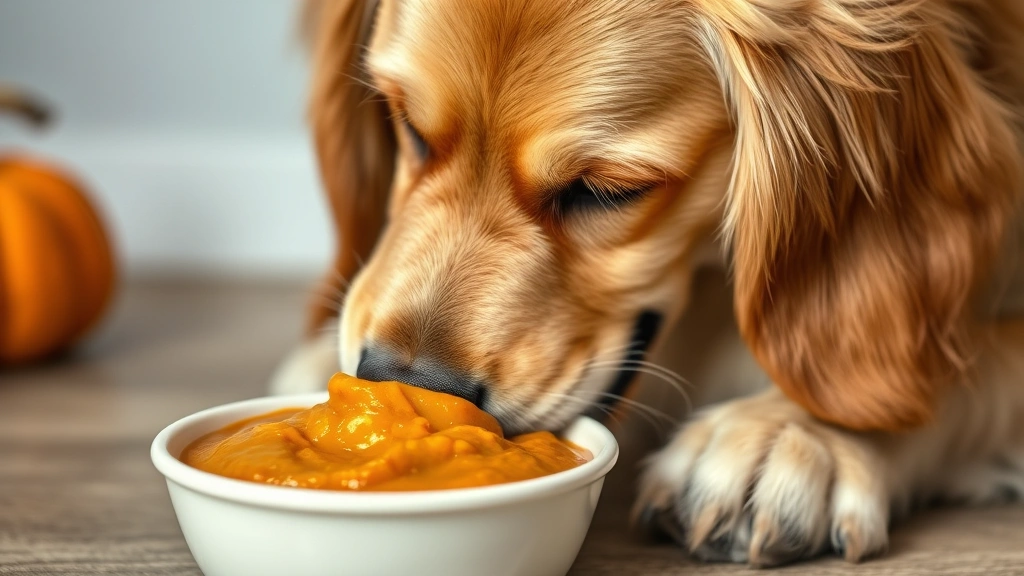
So you’ve heard that how much pumpkin to give a dog daily is basically the golden ticket to solving your pup’s digestive drama, and honestly? You’re not entirely wrong. Pumpkin is like nature’s little orange miracle worker for dogs—it’s packed with fiber, it’s tasty, and it actually works. But before you start scooping puree into your dog’s bowl like you’re prepping a Thanksgiving pie, let’s talk about the actual amounts, because too much of a good thing can backfire faster than your dog running away from a bath.
Table of Contents
- Why Pumpkin Is Your Dog’s Best Friend (Digestively Speaking)
- The Basic Dosage: How Much Pumpkin Should Your Dog Eat?
- Pumpkin Dosage by Dog Size: A Quick Reference
- Frequency Matters: How Often Should You Give Pumpkin?
- Pure Pumpkin vs. Pumpkin Pie Filling: Know the Difference
- How to Serve Pumpkin to Your Dog
- When to Use Pumpkin for Constipation vs. Diarrhea
- Combining Pumpkin with Other Foods and Supplements
- Potential Side Effects and When to Stop
- Long-Term Use: Can Your Dog Eat Pumpkin Daily?
- Seasonal Considerations and Availability
- Frequently Asked Questions
- Final Thoughts: Getting the Pumpkin Dosage Right
Why Pumpkin Is Your Dog’s Best Friend (Digestively Speaking)
Pumpkin has become the go-to remedy for both constipation and diarrhea in dogs, which honestly seems like magic. The secret? It’s all about the fiber content and moisture. Pumpkin contains soluble fiber that absorbs water in the digestive tract, helping regulate bowel movements whether your dog is too plugged up or too loose. Plus, it’s gentle on the stomach, which is why vets recommend it almost as often as they recommend changing your dog’s water bowl. The natural enzymes and nutrients in pumpkin also support healthy gut bacteria, making it basically a probiotic smoothie for your furry friend.
The Basic Dosage: How Much Pumpkin Should Your Dog Eat?
Here’s where we get specific. The standard recommendation for pumpkin for dog digestion is about 1 to 4 tablespoons per day, depending on your dog’s size. Small dogs (under 15 pounds) typically get 1 teaspoon to 1 tablespoon, medium dogs (15-30 pounds) get 1 to 2 tablespoons, and larger dogs (over 30 pounds) can handle up to 4 tablespoons daily. The key is starting small and working your way up—think of it like introducing any new food to your dog’s diet. You wouldn’t slam down a whole pumpkin pie on day one, so don’t do it to your pup either.

Pumpkin Dosage by Dog Size: A Quick Reference
Let’s break this down so you don’t have to do math at 6 AM when your dog is having digestive issues. Toy breeds and small dogs (Chihuahuas, Yorkies, Pomeranians) should get about 1 teaspoon to 1 tablespoon. Medium breeds (Beagles, Cocker Spaniels, Bulldogs) do well with 1 to 2 tablespoons. Large and giant breeds (Labs, German Shepherds, Great Danes) can take 2 to 4 tablespoons. These amounts assume you’re using pure pumpkin puree, not the pie filling stuff loaded with sugar and spices. If your dog weighs somewhere between categories, just use your judgment—it’s not an exact science, and a little variance won’t hurt.
Frequency Matters: How Often Should You Give Pumpkin?
You can give your dog pumpkin once or twice daily, depending on the severity of their digestive issue. For mild cases, once daily is usually enough. For more stubborn problems, twice daily works better. Most dogs show improvement within 24 to 48 hours, though some need a full week to get back to normal. Don’t exceed the recommended daily amounts, because while pumpkin is safe, too much fiber can actually cause constipation—yes, the opposite of what you’re trying to fix. It’s like when you take too much of a good supplement and end up feeling worse. Your dog’s digestive system is a delicate balance, and pumpkin is meant to tip the scales back to normal, not overload them.
Pure Pumpkin vs. Pumpkin Pie Filling: Know the Difference
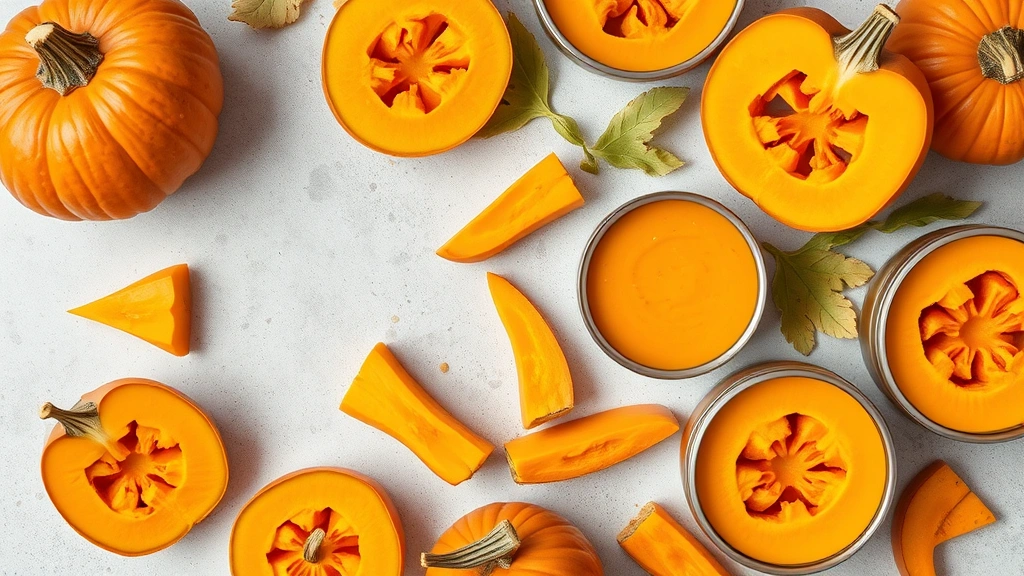
This is crucial, and I cannot stress it enough: use pure pumpkin puree, not pumpkin pie filling. Pie filling is loaded with sugar, spices, and sometimes xylitol, which is toxic to dogs. Pure pumpkin puree is just… pumpkin. No additives, no drama. You can find it in the baking aisle of most grocery stores, usually right next to the pie filling (which is why people mess this up). Check the label—it should literally just say “pumpkin” or “100% pumpkin puree.” Some people even make their own by roasting and pureeing fresh pumpkin, which is the ultimate flex if you’ve got the time.
How to Serve Pumpkin to Your Dog
There are about a million ways to give your dog pumpkin, so pick whatever works best for your situation. The simplest method is mixing it directly into their regular food—most dogs won’t even notice it’s there because pumpkin is basically dog candy. You can also mix it with their water to make pumpkin broth, freeze it in ice cube trays for a refreshing treat, or mix it into plain yogurt (unsweetened, obviously) for a probiotic boost. Some people even bake pumpkin dog treats. For dogs that are being picky, you can warm the pumpkin slightly to release more aroma, which usually does the trick. The goal is getting them to eat it without making it a battle.
When to Use Pumpkin for Constipation vs. Diarrhea
Here’s the fascinating part: pumpkin works for both problems. For constipation, the fiber helps bulk up stool while the moisture helps it pass more easily. For diarrhea, the soluble fiber absorbs excess water and firms things up. The dosage is the same either way, but the mechanism is different. It’s like pumpkin is a digestive mediator that just helps your dog’s system find its happy medium. If your dog has been straining for days or has bloody stools, that’s a vet visit, not a pumpkin situation. Same goes if the diarrhea is severe or accompanied by vomiting. Pumpkin is great for minor digestive hiccups, not for serious medical issues.
Combining Pumpkin with Other Foods and Supplements
Pumpkin plays well with others. You can combine it with bland diet recipes for sick pets like plain boiled chicken and rice for maximum digestive support. Many people also add it to sweet potatoes, which provides similar benefits and creates a nutritious, fiber-rich meal. Pumpkin also works well alongside probiotics and digestive enzymes. Just space out any supplements by a couple hours to avoid interactions. If you’re making pet treat recipes, pumpkin is an excellent base ingredient that adds nutrition without the calories of grain-based fillers.

Potential Side Effects and When to Stop
Pumpkin is generally safe, but there are a few things to watch for. Excessive amounts can cause constipation, vomiting, or gas. If your dog starts acting lethargic, has a loss of appetite, or develops new digestive issues after starting pumpkin, dial it back or stop. Some dogs might have a sensitivity to pumpkin specifically, though this is rare. If you notice any concerning symptoms, check out online vet advice for food reactions or contact your vet directly. Also, if your dog is on a restricted diet for medical reasons, confirm with your vet that pumpkin won’t interfere with their treatment plan.
Long-Term Use: Can Your Dog Eat Pumpkin Daily?
Yes, many dog owners give their dogs pumpkin as a regular part of their diet, especially if they’re prone to digestive issues. Some people use it year-round as a preventative measure. The fiber content actually supports overall digestive health, so it’s not just for emergencies. However, long-term use should be at the lower end of the dosage range—think 1 to 2 tablespoons daily rather than the maximum amounts. You want to maintain balance, not create dependency. Also, if you’re using pumpkin long-term, rotate it with other fiber sources like human food alternatives for pets to keep things varied and interesting for your dog’s digestive system.

Seasonal Considerations and Availability
Fresh pumpkin puree is easiest to find during fall, but canned pure pumpkin is available year-round at most grocery stores. If you can’t find canned pumpkin, you can substitute with other fiber-rich foods like sweet potato puree or cooked carrots, though pumpkin is ideal. Some pet stores also sell pumpkin powder specifically formulated for dogs, which is convenient for travel or storage. The powder version is more concentrated, so you’d use less—usually about 1/4 to 1/2 teaspoon per dose, but check the package instructions.
Frequently Asked Questions
Can I give my dog too much pumpkin?
Yes, absolutely. Too much pumpkin can cause constipation, gas, or upset stomach. Stick to the recommended amounts based on your dog’s size, and don’t exceed 4 tablespoons daily even for large dogs. Think of pumpkin as a supplement, not a meal replacement.

How long does it take for pumpkin to work?
Most dogs show improvement within 24 to 48 hours. Some take up to a week to fully regulate. If there’s no improvement after a week, or if symptoms worsen, contact your vet because something else might be going on.
Is canned pumpkin safe for dogs?
Yes, 100% pure canned pumpkin puree is perfectly safe and actually preferred by many vets because it’s consistent and convenient. Just make absolutely sure it’s pure pumpkin, not pie filling with added sugar and spices.
Can puppies eat pumpkin?
Yes, puppies can eat pumpkin in smaller amounts (start with 1/4 to 1/2 teaspoon). Puppy digestive systems are more sensitive, so introduce it gradually and watch for any reactions.
What if my dog doesn’t like the taste of pumpkin?
Most dogs love pumpkin, but if yours is being difficult, try mixing it with something they do like—wet food, yogurt, or warm broth. You can also warm it slightly to make it more aromatic and appealing.
Can I use fresh pumpkin instead of canned?
Yes, fresh pumpkin works great, but make sure it’s plain cooked pumpkin with no added seasonings. Roast and puree it yourself, then portion it out. Canned is just more convenient and has consistent nutrition info.
Final Thoughts: Getting the Pumpkin Dosage Right
So here’s the bottom line: how much pumpkin to give a dog daily depends on size, but the general rule is 1 teaspoon to 4 tablespoons split across one or two feedings. Start small, watch your dog’s response, and adjust as needed. Use pure pumpkin puree, not pie filling, and don’t exceed the recommended amounts. Most dogs improve within 48 hours, and pumpkin is safe for long-term use at moderate doses. If your dog isn’t improving or has severe symptoms, that’s a vet conversation, not a DIY situation. Pumpkin is an amazing, affordable, natural remedy that works for most digestive issues, but it’s not a magic cure-all. It’s a tool in your pet care toolkit, and used correctly, it’ll have your dog’s digestion running smoothly in no time.





