
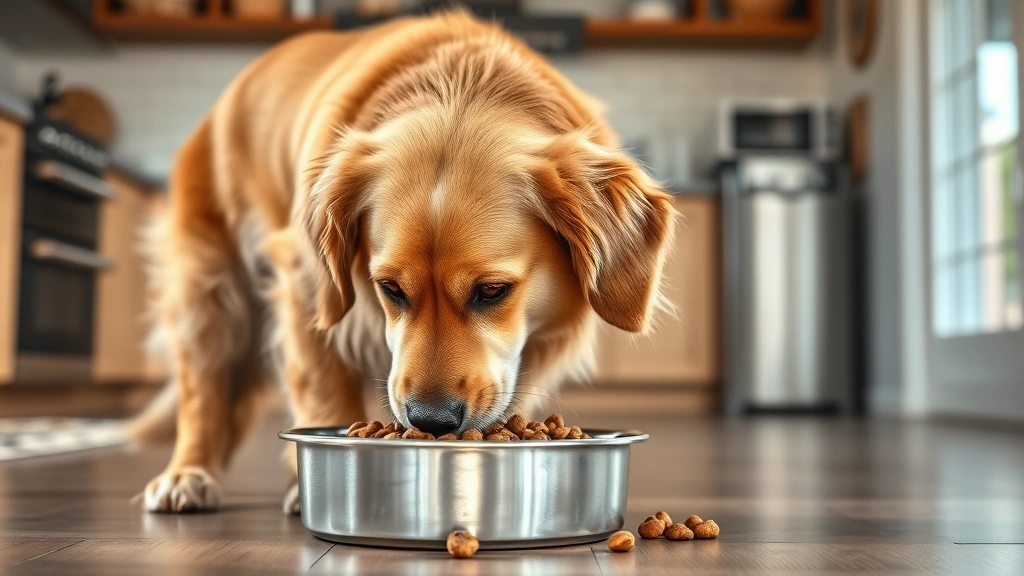
So you’re standing in front of your dog’s food bowl wondering how much should I be feeding my dog, and honestly? You’re not alone. This is one of the most common questions pet parents ask, and it’s way more nuanced than just dumping kibble until the bowl looks full. Your pup’s nutritional needs depend on age, size, activity level, and metabolism—basically, feeding your dog is like meal planning for a tiny, furry roommate with very specific dietary requirements.
Table of Contents
- Understanding Your Dog’s Caloric Needs
- Puppy Feeding: The Growing Stage
- Adult Dog Portions: Finding the Sweet Spot
- Senior Dogs and Metabolic Changes
- Breed-Specific Feeding Considerations
- Activity Level: The Game Changer
- Reading Dog Food Labels Like a Pro
- Managing Weight and Body Condition
- Special Diets and Health Conditions
- Treats and Training Rewards Count
- Transitioning Between Foods
- Monitoring and Adjusting
- Frequently Asked Questions
- The Bottom Line on Dog Portions
Understanding Your Dog’s Caloric Needs
Before you can figure out portions, you need to understand how many calories your dog actually needs daily. The general rule of thumb is that an average adult dog requires about 25-30 calories per pound of body weight per day, but this varies wildly depending on activity level and age. A couch potato Basset Hound needs way less than a Border Collie who’s training for agility competitions.
The easiest way to calculate this? Multiply your dog’s weight in pounds by 30, then adjust from there. A 50-pound Lab would need around 1,500 calories daily as a baseline, but if that Lab is a working dog or extremely active, bump it up to 1,800-2,000 calories. If your Lab prefers napping to jogging, dial it back to 1,200-1,300 calories. This is where knowing your individual dog’s lifestyle becomes crucial.
Puppy Feeding: The Growing Stage
Puppies are tiny eating machines with metabolisms that make adult dogs look lazy. Young pups need roughly twice the calories per pound of body weight compared to adult dogs because they’re building bones, muscles, and brains all at once. A growing puppy typically needs 3-4 meals per day until around 6 months old, then you can transition to 2-3 meals daily.
When your puppy is 8 weeks old, they might only need ½ to 1 cup of food per meal, but by 6 months, a large breed puppy could be eating 2-3 cups per meal. Always check your specific puppy safe human foods guide if you’re adding anything to their diet. The tricky part? Feeding them enough to support growth without overfeeding, which can cause joint problems in large breed dogs.
Adult Dog Portions: Finding the Sweet Spot
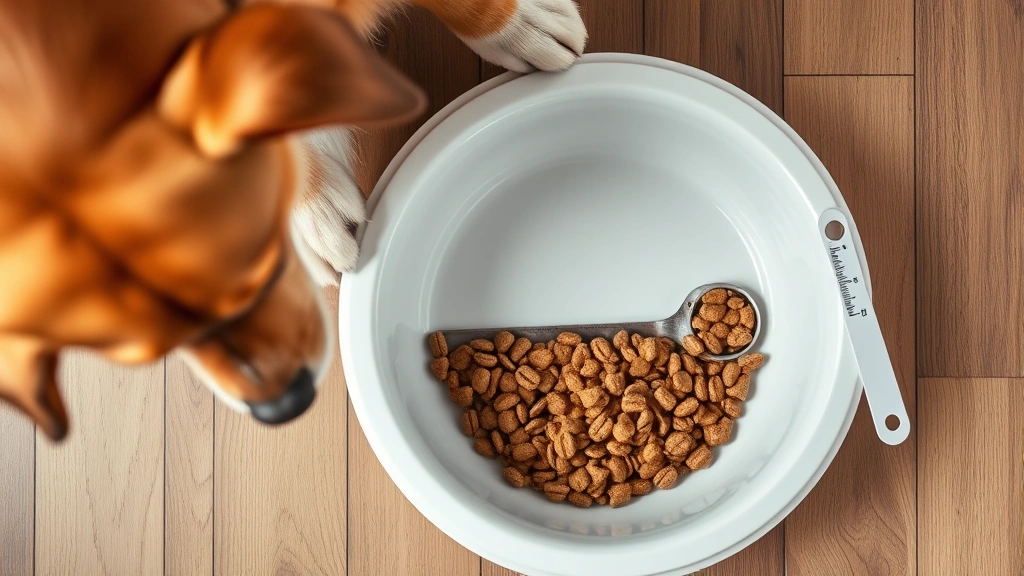
Once your dog reaches adulthood (around 12-18 months depending on breed size), their caloric needs stabilize. Most adult dogs do well on 1-2 cups of quality kibble per day, split into two meals. But here’s the thing—that’s incredibly generic advice. A 30-pound Cocker Spaniel might thrive on 1.5 cups daily, while a 30-pound Husky might need 2.5 cups because of their higher metabolism and activity level.
The best approach? Start with the feeding guidelines on your dog food bag (they’re actually pretty helpful), then watch your dog’s body condition over 2-3 weeks. You should be able to feel their ribs without pressing hard, see a waist when you look from above, and notice an abdominal tuck from the side. If your dog is getting chunky, reduce portions by 10-15%. If you can see ribs too prominently, increase portions slightly.
Senior Dogs and Metabolic Changes
As dogs age, their metabolism slows down and they typically become less active. Senior dogs (usually 7+ years) often need 10-15% fewer calories than their younger adult counterparts. However, they might need higher quality protein to maintain muscle mass as they age. Some senior dogs actually need more frequent meals because their digestive systems become less efficient, so three smaller meals might work better than two larger ones.
Watch for weight gain in senior years—it’s super common and can exacerbate joint problems and other age-related issues. If your senior dog is gaining weight on the same portions they’ve eaten for years, it’s time to adjust.
Breed-Specific Feeding Considerations
Different breeds have wildly different nutritional needs. Small breeds like Chihuahuas and Yorkshire Terriers have faster metabolisms and need more calories per pound than large breeds. A 5-pound Chihuahua might need 250-300 calories daily, while a 100-pound Great Dane might only need 1,800-2,000 calories—less per pound despite being massive.
Large and giant breeds need special attention to avoid overfeeding during growth phases. Overfeeding large breed puppies is one of the fastest ways to develop hip dysplasia and other orthopedic problems. These breeds also benefit from slower growth rates, which is why large breed puppy formulas have different nutrient ratios than regular puppy food.
Activity Level: The Game Changer
A working dog, agility competitor, or hiking buddy needs significantly more calories than a couch companion. Performance dogs might need 1.5-2 times their baseline caloric needs depending on intensity and frequency of activity. If you’re training your dog for competitions or doing regular intense exercise, you’ll notice they can eat substantially more without gaining weight.
Conversely, indoor dogs with minimal exercise need fewer calories. This is where healthy snack alternatives for dogs become important—if you’re giving treats, they count toward daily calories. Those little training treats add up fast.
Reading Dog Food Labels Like a Pro
Dog food bags list feeding guidelines, but these are often overestimated because manufacturers want you buying more food. Use them as a starting point, not gospel. Check the calorie content per cup (usually listed on the bag or manufacturer’s website). Premium foods often have higher calorie density, so you might feed less volume but still hit caloric targets.
Ingredient quality matters too. A dog eating high-quality food with better digestibility might actually need less volume than a dog eating budget kibble because more of it is being utilized. This is where consulting the sustainable dog food options can help you find nutrient-dense choices.
Managing Weight and Body Condition
Obesity is one of the most common health problems in dogs, and it’s almost always a feeding issue. Overweight dogs face increased risk of diabetes, joint problems, heart disease, and shortened lifespans. If your dog is overweight, reduce portions by 10-15% and increase exercise gradually. Don’t slash calories dramatically—that’s uncomfortable and unsustainable.
Use human foods for weight management in pets strategically. Low-calorie veggies like carrots, green beans, and broccoli can bulk up meals without adding significant calories, making your dog feel fuller while eating fewer calories overall.
Special Diets and Health Conditions
Dogs with health issues might need specialized feeding plans. Diabetic dogs need consistent meal timing and portion control. Dogs with kidney disease need restricted protein. Those with digestive issues might need frequent small meals. Allergic dogs might need elimination diets or limited ingredient foods. Always work with your vet when your dog has health conditions—they might recommend specific food brands or feeding schedules that wouldn’t work for a healthy dog.
Treats and Training Rewards Count
This is where most dog owners mess up portions. Treats should make up no more than 10% of your dog’s daily calories. If your dog needs 1,500 calories daily, treats should total 150 calories max. That’s not much—maybe 5-6 small training treats or one medium biscuit. If you’re doing serious training with lots of rewards, use tiny pieces of low-calorie treats or use kibble from their daily portion as training rewards.
Transitioning Between Foods
When switching dog foods, do it gradually over 7-10 days to avoid digestive upset. Mix increasing amounts of new food with decreasing amounts of old food. This also gives you a chance to adjust portions if the new food has different calorie density. Some dogs need different volumes when switching brands even if the calories are similar.
Monitoring and Adjusting
Feeding your dog isn’t a set-it-and-forget-it situation. Check your dog’s body condition monthly and weigh them every 2-3 months if possible. As they age, activity changes, or seasons shift, their needs might change. That winter weight gain? Totally normal, but address it in spring by increasing exercise and slightly reducing portions.
Frequently Asked Questions
How do I know if I’m feeding my dog the right amount?
Your dog should have a visible waist, you should be able to feel their ribs without pressing hard, and they should have an abdominal tuck when viewed from the side. They should maintain stable weight and have good energy levels. If they’re gaining weight or seem lethargic, adjust portions down. If they seem hungry or are losing weight, increase portions gradually.
Can I free-feed my dog?
Free-feeding (leaving food out all day) works for some dogs but causes overeating and obesity in most. It also makes it harder to monitor how much your dog is eating and can mask health issues. Scheduled meals (usually 2 per day for adults) are generally better for weight management and digestive health.
Should I feed my dog once or twice daily?
Most adult dogs do best with two meals daily, spaced 8-12 hours apart. This helps maintain stable blood sugar and prevents hunger-related behavior problems. Puppies need more frequent meals (3-4 daily), and some senior dogs benefit from three smaller meals. Large breeds should eat twice daily to reduce bloat risk.
What if my dog is always hungry?
Constant hunger can indicate health issues (parasites, diabetes, thyroid problems) or simply that your dog isn’t getting enough volume. Try adding low-calorie veggies like safe vegetables for dogs to bulk up meals without adding calories. See your vet to rule out medical issues.
How much should I be feeding my dog if they’re overweight?
Reduce current portions by 10-15% and increase exercise. Monitor weight loss over 4-6 weeks (aim for 1-2% body weight loss per week). If progress stalls, reduce portions another 10%. Never cut calories drastically. Work with your vet if your dog isn’t losing weight—some health conditions make weight loss difficult.
Do different dog food brands require different portions?
Yes, absolutely. Premium foods are often more calorie-dense, so you might feed less volume. Budget foods might require larger portions to hit caloric targets. Always check the calorie content per cup and adjust portions accordingly, not just the volume recommended on the bag.
Is it okay to give my dog table scraps?
Small amounts of safe foods are fine if they fit within daily calorie goals, but many human foods are toxic to dogs. Stick to safe options and account for them in daily calories. Check harmful foods for dogs before sharing anything from your plate.
The Bottom Line on Dog Portions
Figuring out how much should I be feeding my dog requires understanding your individual dog’s age, size, activity level, and metabolism. Start with breed and size guidelines, then adjust based on body condition and weight trends. Most adult dogs thrive on 1-2 cups of quality food daily split into two meals, but your dog might need more or less. Monitor regularly, adjust seasonally, and remember that treats count toward daily calories. When in doubt, ask your vet—they can provide personalized recommendations based on your dog’s health history and current condition. Your dog’s long-term health depends on getting portions right, so it’s worth getting it dialed in.





