

So, how often do dogs need bordetella vaccine? If you’re scratching your head wondering whether your pup needs another shot or if you’re just starting this whole vaccination journey, you’re in the right place. The bordetella vaccine is one of those things that separates the casual dog owner from the truly responsible pet parent—and honestly, it’s not as complicated as it sounds.
Table of Contents
- What Exactly Is Bordetella Anyway?
- The Standard Bordetella Vaccination Schedule
- Initial Puppy Vaccination Protocol
- High-Risk Dogs and Frequent Vaccination
- Low-Risk Dogs and Less Frequent Boosters
- Understanding Intranasal vs. Injectable Vaccines
- Bordetella Vaccine Side Effects: What to Expect
- When Your Dog Might Not Need Bordetella Vaccine
- Vaccine Timing and Other Vaccinations
- Cost Considerations for Bordetella Vaccination
- Breed-Specific Considerations
- Frequently Asked Questions
- Summary: Creating Your Dog’s Vaccination Plan
What Exactly Is Bordetella Anyway?
Before we talk about scheduling, let’s get real about what bordetella actually is. Bordetella bronchiseptica is a bacterium that causes kennel cough—that awful, hacking cough that sounds like your dog swallowed a seal. If you’ve ever been around a dog with kennel cough, you know it’s absolutely miserable. The good news? It’s preventable with proper vaccination. The bordetella vaccine helps your furry friend avoid this respiratory nightmare, especially if they spend time in boarding facilities, dog parks, or grooming salons where the virus spreads faster than gossip at a dog park.

The Standard Bordetella Vaccination Schedule
Here’s the straightforward answer: most dogs need a bordetella booster every 6 to 12 months. But wait—there’s more nuance to this than a single timeframe. Your vet might recommend annual shots if your dog is a social butterfly who frequents dog parks, boarding facilities, or dog shows. If your pup is more of a homebody who rarely leaves the house, your vet might suggest every 12 months or even less frequently. The key is discussing your dog’s lifestyle with your veterinarian to determine the best schedule for your specific situation. You can even schedule a telehealth vet appointment to discuss vaccination schedules without leaving home.

Initial Puppy Vaccination Protocol
If you’ve got a new puppy, the bordetella vaccination timeline is slightly different. Puppies typically receive their first bordetella shot at 6-8 weeks of age, followed by a second dose 2-4 weeks later. Then they’ll need a booster at one year of age. After that initial series, the annual or semi-annual schedule kicks in depending on your vet’s recommendation and your dog’s exposure risk. Think of it like building immunity armor—you need multiple coats before it’s fully protective.

High-Risk Dogs and Frequent Vaccination
Some dogs are basically the social media influencers of the dog world. If your pup falls into the high-risk category—meaning they’re regularly exposed to other dogs in close quarters—they might need more frequent bordetella boosters. Dogs that attend daycare, boarding facilities, training classes, or dog shows are prime candidates for the 6-month booster schedule. These environments are like petri dishes for respiratory viruses, so extra protection is genuinely warranted. Your vet can assess your dog’s risk level and recommend accordingly.

Low-Risk Dogs and Less Frequent Boosters
On the flip side, if your dog is basically a homebody who only hangs out with you and maybe one trusted canine buddy, they might not need bordetella vaccines as frequently—or at all, depending on your vet’s assessment. Some veterinarians argue that low-risk dogs don’t need bordetella vaccination if they’re never exposed to boarding facilities or group settings. However, this is definitely a conversation to have with your vet rather than making assumptions. You might consider a virtual vet consultation to discuss your individual dog’s needs.

Understanding Intranasal vs. Injectable Vaccines
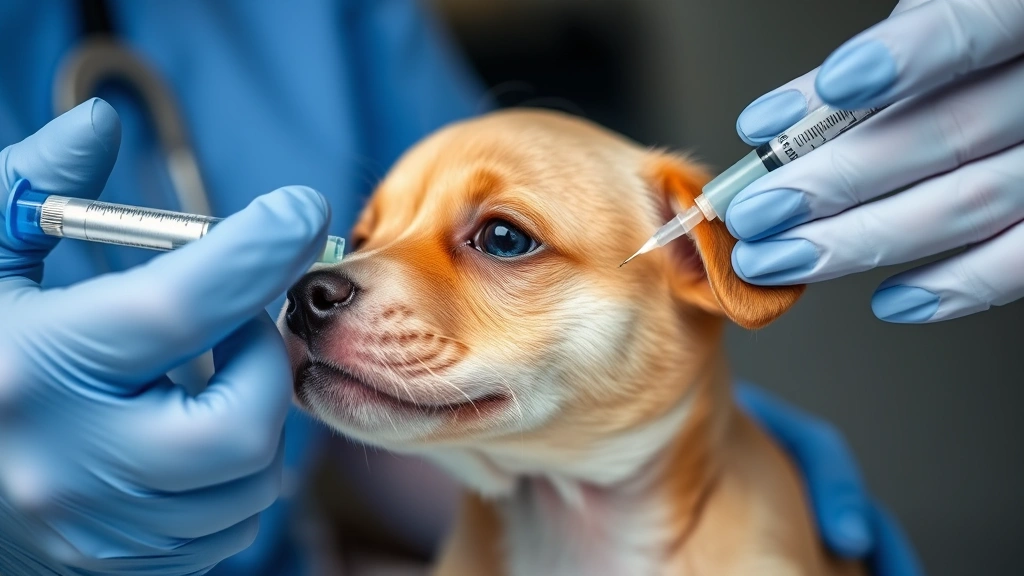
Here’s something that trips people up: bordetella vaccines come in two forms—intranasal (squirted up the nose) and injectable (the needle approach). The intranasal version typically provides immunity for about 12 months, while the injectable version might need boosters every 6-12 months depending on the product. Some vets prefer one over the other based on their experience and your dog’s temperament. The intranasal version can be easier for some dogs since there’s no needle involved, but it does require your pup to sit still while the vet squirts something in their nose—which, let’s be honest, some dogs find absolutely ridiculous.

Bordetella Vaccine Side Effects: What to Expect
Like any vaccine, bordetella shots can cause mild side effects in some dogs. You might notice your pup is a bit lethargic, has a slight fever, or experiences mild loss of appetite for a day or two. Some dogs develop a mild cough after the intranasal vaccine—which is ironic since the vaccine is supposed to prevent cough. These reactions are typically mild and resolve on their own within 24-48 hours. Serious side effects are rare, but contact your vet immediately if your dog experiences severe swelling, difficulty breathing, or signs of an allergic reaction. Supporting your dog’s immune system with proper nutrition can also help them recover quickly from vaccinations.

When Your Dog Might Not Need Bordetella Vaccine
Not every dog needs the bordetella vaccine, and that’s okay. If your dog never leaves your home, never visits boarding facilities, never attends dog parks or training classes, and never comes into contact with other dogs, your vet might determine that bordetella vaccination isn’t necessary. However, most vets recommend it as a precaution because life happens—emergencies occur, situations change, and you might eventually need boarding or grooming services. It’s easier to keep your dog protected than to risk a serious respiratory infection later.
Vaccine Timing and Other Vaccinations
Bordetella vaccines can usually be given at the same time as other vaccines, though some vets prefer spacing them out. Your dog’s core vaccines (rabies, distemper, parvovirus) are absolutely essential, while bordetella is considered a non-core vaccine that depends on lifestyle. When you visit your vet for annual wellness exams, they’ll review your dog’s complete vaccination history and recommend what’s needed. Don’t hesitate to use remote pet health monitoring services to keep track of vaccination dates between visits.

Cost Considerations for Bordetella Vaccination
The bordetella vaccine is relatively affordable, typically costing between $20-40 per shot depending on your location and veterinary clinic. This is a small investment compared to treating a full-blown case of kennel cough, which can require antibiotics, cough suppressants, and veterinary visits. If cost is a concern, discuss payment plans or ask your vet about vaccine clinics that offer discounted rates. Many animal shelters and rescue organizations also offer low-cost vaccination clinics throughout the year.

Breed-Specific Considerations
While bordetella affects all dog breeds equally, some breeds might be more susceptible to severe respiratory complications if they contract kennel cough. Brachycephalic breeds (flat-faced dogs like Bulldogs and Pugs) and toy breeds with smaller airways can experience more serious symptoms. If you own one of these breeds, your vet might recommend more frequent bordetella boosters regardless of lifestyle. Additionally, senior dogs and those with pre-existing respiratory conditions should definitely stay up-to-date on bordetella vaccination to prevent complications.

Frequently Asked Questions
Can my dog get kennel cough even if vaccinated?
Yes, unfortunately. The bordetella vaccine is effective but not 100% foolproof. However, vaccinated dogs typically experience milder symptoms and recover faster than unvaccinated dogs. Think of it like the flu vaccine in humans—it doesn’t guarantee you won’t get sick, but it significantly reduces severity.
How long does bordetella immunity last?
Immunity typically lasts 6-12 months depending on the vaccine type and your dog’s individual immune response. This is why regular boosters are recommended, especially for high-risk dogs. Your vet can help determine the optimal schedule for your specific dog.
Is bordetella vaccine required by law?
No, bordetella vaccination is not legally required in most areas. However, boarding facilities, dog daycares, and grooming salons often require proof of current bordetella vaccination as a condition of service. Always check with facilities your dog will attend about their vaccination requirements.
What’s the difference between kennel cough and bordetella?
Kennel cough is the disease (the symptoms), while bordetella is one of the primary bacterial culprits that causes it. Kennel cough can be caused by bordetella, viruses, or a combination of pathogens, but bordetella is the most common preventable cause.
Can senior dogs receive bordetella vaccine?
Yes, senior dogs can and often should receive bordetella vaccination. Older dogs have weaker immune systems, making them more vulnerable to severe respiratory infections. Always consult your vet about appropriate vaccination schedules for senior pets.
Is the intranasal vaccine better than the injectable?
Both are effective, and the choice depends on your dog’s individual needs and preferences. The intranasal vaccine provides faster immunity and doesn’t require a needle, but some dogs find it uncomfortable. The injectable version is more traditional and works well for most dogs. Your vet can recommend the best option for your pup.
Summary: Creating Your Dog’s Vaccination Plan
So, bringing this all together: how often do dogs need bordetella vaccine really depends on your individual dog’s lifestyle, age, and health status. Most active dogs need boosters every 6-12 months, while less social pups might do fine with annual shots or even less frequent vaccination. The best approach is having an honest conversation with your veterinarian about your dog’s exposure risks and letting them guide you toward the right schedule. Remember, the bordetella vaccine is an investment in your dog’s health and respiratory comfort—not to mention a way to be a responsible pet parent in your community by preventing disease spread. Whether you schedule regular in-person vet visits or use telehealth options to discuss vaccination schedules, staying proactive about your dog’s health is what matters most. Your pup will thank you by avoiding that miserable kennel cough and living their best, healthiest life.





