
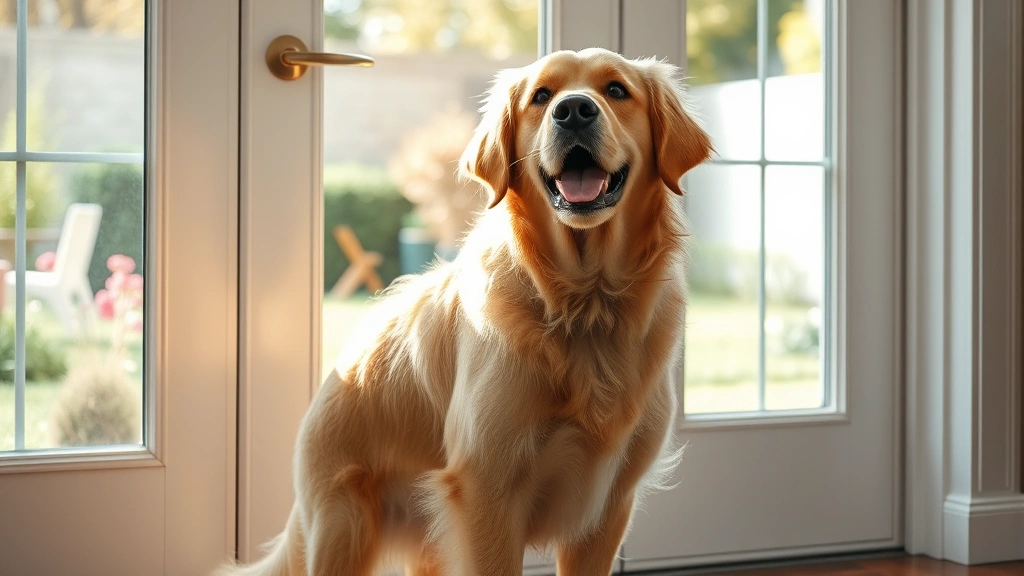
So, how often do dogs need to go out? If you’re a dog owner asking yourself this question at 3 AM while your pup stares at you with those irresistible eyes, you’re not alone. The answer isn’t one-size-fits-all—it depends on age, size, health, and honestly, how much your dog has been scheming to get extra outdoor time.
Table of Contents
- The General Rule: Puppies vs. Adult Dogs
- Age-Specific Bathroom Break Guidelines
- Factors That Affect Bathroom Frequency
- Medical Conditions and Potty Frequency
- Weather and Environmental Factors
- Training and Behavioral Considerations
- The Middle-of-the-Day Dilemma
- Seasonal Changes and Routine Adjustments
- Signs Your Dog Needs to Go Out
- Frequently Asked Questions
- Summary: Creating Your Dog’s Perfect Bathroom Schedule
The General Rule: Puppies vs. Adult Dogs
Let’s start with the basics. Puppies are basically tiny furry chaos agents with bladders the size of peas. Young pups (under 6 months) typically need to go out every 2-3 hours, plus immediately after eating, drinking, playing, or waking up. It’s exhausting, but hey, that’s the puppy tax.
Adult dogs (1-7 years) usually need to go out 3-4 times per day—typically in the morning, midday, evening, and before bedtime. Senior dogs (7+ years) might need 4-6 outings daily as their bladder control weakens and they develop age-related health issues.
Age-Specific Bathroom Break Guidelines
Understanding your dog’s life stage is crucial for maintaining their health and your sanity. A general rule of thumb: puppies can hold their bladder for one hour per month of age (so a 3-month-old can hold it for about 3 hours). This means potty training requires patience, consistency, and probably several carpet cleaning sessions.
Adolescent dogs (6 months to 2 years) are still developing bladder control, so they’ll need frequent outings even though they’re bigger and more independent. Adult dogs hit their stride around 2 years old and can typically hold it for 8-10 hours, though that doesn’t mean they should regularly.
Factors That Affect Bathroom Frequency
Not all dogs are created equal. Size matters—small breeds like Chihuahuas and Yorkies often need more frequent bathroom breaks than larger breeds because they have smaller bladders proportionally. A Great Dane might seem like they need to go out constantly due to their size, but they actually have better bladder capacity.
Diet plays a huge role too. Dogs eating high-fiber diets or multiple meals daily will need more frequent potty breaks. If you’re feeding your pup healthy pet treats throughout the day, expect more outdoor trips. Medical conditions like diabetes, urinary tract infections, or digestive issues can dramatically increase bathroom frequency.
Medical Conditions and Potty Frequency
Some dogs develop health issues that require more frequent bathroom breaks. Incontinence in senior dogs is common and frustrating for both pup and owner. Urinary tract infections make dogs need to go out constantly—sometimes they’ll ask to go out every 30 minutes. Conditions like Cushing’s disease and diabetes insipidus increase water intake, which means more bathroom trips.
According to the American Kennel Club, if your dog suddenly starts needing to go out more frequently, it’s worth a vet visit to rule out underlying health issues. Don’t just assume your pup is being difficult—they might be trying to tell you something important.
Weather and Environmental Factors
Here’s something many dog owners don’t consider: weather affects bathroom frequency. In winter, dogs might hold it longer because they hate the cold (who can blame them?), but they might also have more accidents indoors due to discomfort. In summer, increased water intake means more bathroom breaks.
Dogs also adjust their bathroom habits based on routine. If you always take them out at 7 AM, their body clock will sync to that schedule. Consistency is your friend here—it actually makes training easier and helps predict when your dog will need outdoor time.
Training and Behavioral Considerations
Beyond biological needs, dogs also go outside for mental stimulation and enrichment. A bored dog might ask to go out more frequently just for something to do. This is different from actual bathroom needs, but it’s still important for their wellbeing. That’s why incorporating zero-waste pet care practices during outdoor time can be both environmentally responsible and enriching.
Some dogs develop anxiety around bathroom time, especially if they’ve had negative experiences. Others become obsessive about going out. Understanding your individual dog’s behavior helps you distinguish between genuine need and habit or anxiety.
The Middle-of-the-Day Dilemma
One of the biggest challenges for working dog owners is the midday bathroom break. Dogs left alone for 8-10 hours daily will struggle, leading to accidents and anxiety. This is why many people hire dog walkers or use doggy daycare. If you can’t arrange midday breaks, consider a dog door (if you have a secure yard) or training pads as a temporary solution, though outdoor bathroom breaks are always preferable.
According to PetMD, regularly forcing dogs to hold it for extended periods can lead to urinary tract infections and behavioral problems. If your schedule doesn’t allow for frequent bathroom breaks, it might be worth reconsidering your dog ownership situation or finding creative solutions.
Seasonal Changes and Routine Adjustments
Your dog’s bathroom schedule might shift with the seasons. Longer daylight hours in summer mean more outdoor time naturally. Winter might require adjusted schedules due to weather. Some dogs develop seasonal patterns—needing more water (and thus more bathroom breaks) in hot weather.
Daylight saving time can actually throw off your dog’s internal clock. They’re creatures of habit, and sudden schedule shifts can cause accidents. Gradually adjusting their bathroom schedule by 15-minute increments helps them adapt.
Signs Your Dog Needs to Go Out
Beyond scheduled times, learn to read your dog’s signals. Scratching at the door, pacing, whining, sniffing around, or sudden restlessness usually means bathroom time is imminent. Some dogs develop specific signals—mine does a little spin before heading to the door. Recognizing these cues prevents accidents and shows your pup you’re paying attention.
Accidents happen, but they’re usually communication attempts. A dog having frequent accidents indoors might be signaling health issues, anxiety, or simply that their schedule needs adjustment. Never punish accidents; instead, reassess their bathroom routine and consult your vet if problems persist.
Frequently Asked Questions
Can dogs hold their bladder overnight?
Adult dogs can typically hold their bladder for 8-10 hours, making overnight periods manageable for most. However, this doesn’t mean they’re comfortable doing so regularly. Senior dogs and puppies usually can’t hold it overnight without accidents. If your dog regularly has nighttime accidents, consult your vet—it could indicate diabetes, incontinence, or UTIs.
How many times should a dog pee per day?
Most adult dogs urinate 3-5 times daily, with defecation typically occurring 1-3 times daily. Puppies and seniors might go more frequently. The exact number depends on diet, water intake, age, size, and health status. If your dog suddenly changes their bathroom frequency significantly, it warrants veterinary attention.
Is it bad to leave a dog alone for 8 hours?
Regularly leaving dogs alone for 8+ hours without bathroom breaks can cause stress, anxiety, and health issues. While some adult dogs can physically hold it, it’s not ideal for their wellbeing or training. If you work long hours, consider hiring a dog walker, using daycare, or adjusting your schedule. Your dog’s mental and physical health depends on regular outdoor access.
Do dogs need to go out in bad weather?
Yes, dogs still need bathroom breaks in rain, snow, and extreme temperatures. However, you can minimize time outside and provide protective gear (dog coats, booties). Some dogs develop weather-related anxiety or refusal. Patience and positive reinforcement help, but never force a dog to go outside if they’re genuinely distressed—there might be underlying anxiety issues to address.
Why does my dog suddenly need to go out more?
Sudden increases in bathroom frequency often signal health issues like UTIs, diabetes, or digestive problems. Environmental changes, diet modifications, or increased water intake can also cause changes. Stress and anxiety sometimes manifest as frequent bathroom requests. If the change persists more than a few days, contact your veterinarian.
Summary: Creating Your Dog’s Perfect Bathroom Schedule
So, how often do dogs need to go out? The honest answer is: it depends. Most adult dogs thrive with 3-4 scheduled outdoor breaks daily, but your individual pup might need adjustments based on age, health, size, and lifestyle. Puppies need frequent breaks, seniors need more patience, and every dog deserves consistency and understanding.
The best approach is observing your dog’s natural patterns, establishing a routine they can count on, and remaining flexible when life happens. If you’re ever unsure whether your dog’s bathroom habits are normal, your veterinarian is your best resource. And remember, those trips outside aren’t just about bathroom breaks—they’re bonding opportunities, exercise time, and mental stimulation that keep your dog happy and healthy.
Whether you’re incorporating puppy-safe human foods into training or managing a senior dog’s increased needs, understanding your dog’s bathroom requirements is fundamental to responsible pet ownership. Every dog is unique, so pay attention to what works for yours—and enjoy those outdoor adventures together.





