
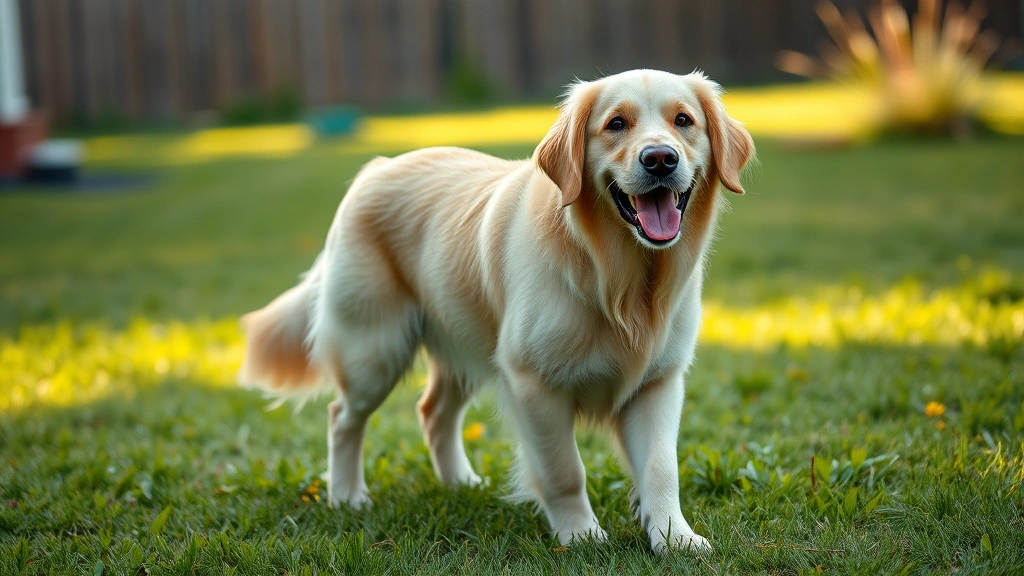
So, how often do dogs need to urinate? If you’re asking yourself this question, you’re not alone. Dog owners everywhere wonder whether their pup is hitting the bathroom too much, too little, or just right. The truth is, there’s no one-size-fits-all answer, but we’re about to break down everything you need to know about your dog’s bathroom habits.
Table of Contents
- The Basics: How Many Times a Day Should Your Dog Pee?
- Age Matters: Puppies vs. Adult Dogs vs. Seniors
- Size and Breed Considerations in Urination Frequency
- Diet and Hydration: What Goes In Must Come Out
- Health Conditions That Affect Bathroom Frequency
- Gender Differences in Dog Urination Patterns
- Seasonal and Environmental Factors
- Medical Monitoring and When to Call the Vet
- Training and Managing Your Dog’s Bathroom Schedule
- Special Situations: Travel, Medication, and Life Changes
- Frequently Asked Questions
- Conclusion: Understanding Your Dog’s Unique Bathroom Needs
The Basics: How Many Times a Day Should Your Dog Pee?
Most adult dogs need to urinate between 3 to 5 times per day, though this can vary wildly depending on individual factors. Your dog might be a bathroom ninja who goes out four times daily like clockwork, or they might be more of a casual three-timer. The key is understanding what’s normal for YOUR dog, not comparing them to your neighbor’s golden retriever.
Puppies, however, are a different beast entirely. Young pups can’t hold their bladder worth a darn and typically need to go out 8 to 10 times daily. If you’ve got a new puppy, prepare yourself for frequent outdoor adventures—it’s basically your life now.
Age Matters: Puppies vs. Adult Dogs vs. Seniors
Your dog’s age is one of the biggest factors affecting urination frequency. Puppies under 12 weeks old have virtually zero bladder control and need to eliminate roughly every 1-2 hours. This is why housebreaking requires patience and a sense of humor.
Between 3 to 6 months, puppies improve slightly and might manage 4-6 bathroom trips daily. By 6 to 12 months, they’re getting closer to adult patterns with about 4-5 trips per day.
Senior dogs (typically 7+ years) often need more frequent bathroom breaks again. Their bladder muscles weaken, their kidneys work differently, and they simply can’t hold it as long. If your older dog suddenly needs to go out more often, that’s usually totally normal—not a sign of laziness on their part.
Size and Breed Considerations in Urination Frequency
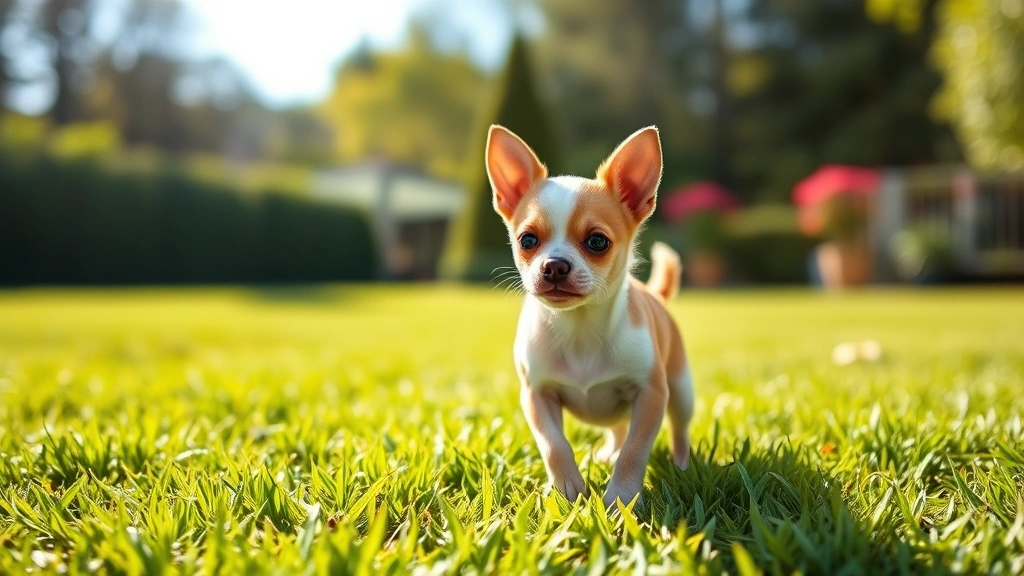
Smaller dogs generally need to urinate more frequently than larger breeds. A Chihuahua might need 5-7 trips daily, while a Great Dane might be satisfied with 3-4. This is partly because small dogs have proportionally smaller bladders relative to their body size, and partly because they have faster metabolisms.
Certain breeds are also known for being more frequent pee-ers. Toy breeds, in particular, seem to have tiny bladders and big bathroom needs. If you’ve got a small breed, don’t be shocked if your dog wants out more often than the neighborhood’s German Shepherd.
Diet and Hydration: What Goes In Must Come Out
What your dog eats and drinks directly impacts how often they need to pee. Dogs on pet nutrition advice that includes wet food or raw diets consume more moisture and will naturally urinate more frequently. Dry kibble-fed dogs might pee less often since they’re consuming less water overall.
Water intake is huge here. A dog that has constant access to fresh water will pee more than one with restricted water availability. This is actually healthy—frequent urination helps flush the urinary tract and prevents infections. If you’re looking to adjust your dog’s water intake for specific reasons, hydrating human foods for pets can be a game-changer.
Health Conditions That Affect Bathroom Frequency
Sometimes increased urination isn’t just normal variation—it’s a sign something’s up health-wise. Diabetes, urinary tract infections, kidney disease, and Cushing’s syndrome can all cause dogs to pee more frequently than usual. If your dog suddenly starts asking to go out way more often, it’s worth a vet visit.
Conversely, if your dog isn’t peeing enough, that’s also concerning. Dehydration, kidney problems, or urinary blockages can reduce urination frequency. The sweet spot is consistent, regular bathroom trips without dramatic changes.
For monitoring these changes, remote pet health monitoring can help you track patterns and share data with your vet. It’s like having a bathroom diary without the creepy vibes.
Gender Differences in Dog Urination Patterns
Male and female dogs have slightly different urination patterns. Female dogs typically have a larger bladder capacity and can hold urine longer, so they might pee slightly less frequently than males. Males, especially unneutered males, often mark territory and might pee more often in small amounts, especially when on walks.
Spaying and neutering can affect bathroom habits too. Some dogs become slightly less frequent pee-ers after these procedures, while others show no change. It’s just another variable in the complicated equation of dog bathroom science.
Seasonal and Environmental Factors
Believe it or not, the season and weather affect how often dogs pee. In summer, when dogs drink more water due to heat, they’ll urinate more frequently. In winter, some dogs might pee less often since they’re drinking less water overall.
Environmental stress matters too. A dog in a new home, at a boarding facility, or in an unfamiliar place might hold their urine longer due to anxiety. Once they settle in, their bathroom frequency usually normalizes.
Medical Monitoring and When to Call the Vet
You should know your dog’s baseline bathroom habits so you can spot when something changes. If your dog suddenly starts peeing significantly more or less, that’s worth investigating. Other red flags include straining to urinate, blood in urine, accidents in the house (in a previously housetrained dog), or signs of pain during bathroom time.
According to the American Kennel Club, sudden changes in urination patterns warrant a veterinary evaluation. Your vet might recommend pet telehealth for an initial consultation if you’re concerned but want to start with a quick chat rather than an in-person visit.
Training and Managing Your Dog’s Bathroom Schedule
Once you understand how often your dog needs to urinate, you can work with their natural rhythm rather than against it. Establish a consistent schedule with bathroom breaks at similar times each day. Most dogs thrive on routine and will adapt their bathroom needs to your schedule over time.
For puppies and newly adopted dogs, aim for bathroom breaks first thing in the morning, after meals, after playtime, before bedtime, and several times throughout the day. This consistency helps with housetraining and reduces accidents.
If you’re concerned about your dog’s weight or overall health in relation to their bathroom habits, human foods for weight management in pets can provide insights into how diet affects urination frequency and overall wellness.
Special Situations: Travel, Medication, and Life Changes
Travel can mess with your dog’s bathroom schedule. A dog in a car, at a hotel, or in an unfamiliar place might hold their urine longer than usual. This is stressful for them, so try to provide bathroom breaks as frequently as possible when traveling.
Certain medications also affect urination frequency. If your vet prescribes something new and you notice bathroom habit changes, mention it at your next check-up. It might be a normal side effect or something worth adjusting.
Frequently Asked Questions
Is it normal for my dog to pee 6 times a day?
Yes, absolutely! Especially if your dog is small, young, or drinks a lot of water. Six times daily is within the normal range for many dogs. The key is whether this is normal for YOUR dog or a sudden change.
How long can a dog hold their urine?
Adult dogs can typically hold their urine for 6-8 hours, though this varies by individual. Puppies can hold it roughly one hour per month of age (so a 3-month-old puppy can hold it about 3 hours). Senior dogs might only manage 4-6 hours. Never force a dog to hold it longer than is comfortable—it’s not healthy.
Why is my dog peeing more than usual?
Increased urination can be caused by increased water intake, diet changes, medical conditions like diabetes or UTIs, medications, stress, or aging. If it’s a sudden change, contact your vet to rule out health issues.
Can I train my dog to pee less frequently?
Not really, and you shouldn’t try. Your dog pees as often as their body needs them to. What you CAN do is establish a consistent bathroom schedule that works for your lifestyle. Your dog will adapt their bathroom timing to your routine.
Is it bad if my dog doesn’t pee for several hours?
Not necessarily, but it depends on the context. If your dog is sleeping or resting indoors and hasn’t had water recently, holding it for a few hours is fine. However, if your dog has access to water and isn’t peeing regularly, that could indicate a problem worth investigating.
Conclusion: Understanding Your Dog’s Unique Bathroom Needs
The bottom line on how often dogs need to urinate is this: most adult dogs pee 3-5 times daily, but your individual dog’s needs depend on age, size, diet, health, and about a dozen other factors. Puppies and seniors need more frequent breaks. Small dogs pee more often than large dogs. And what’s normal for your dog is what matters most.
Pay attention to your dog’s baseline habits, watch for sudden changes, and don’t hesitate to chat with your vet if something seems off. Your dog can’t tell you when something’s wrong, so being observant about their bathroom patterns is one of the best things you can do for their health. Now go let your pup out—they’re probably giving you that look right now anyway.





