
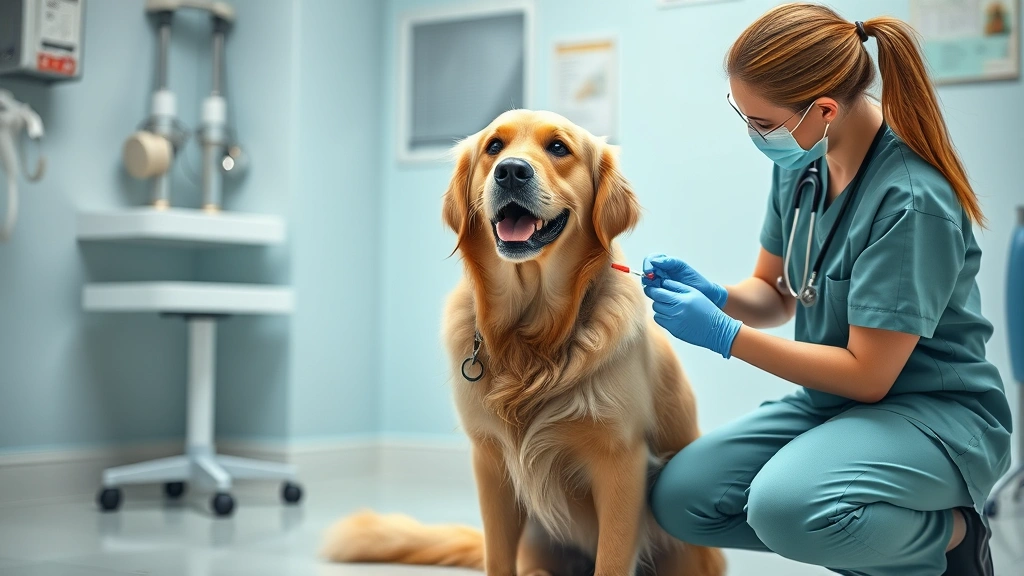
If you’re wondering how often does a dog get rabies shots, you’re asking one of the most important questions a responsible pet parent can ask. Rabies is no joke—it’s a deadly virus that affects your dog’s brain and nervous system, and it’s 100% fatal once symptoms show up. But here’s the good news: rabies vaccination is incredibly effective at preventing this nightmare scenario. Let’s break down everything you need to know about keeping your furry friend protected.
Table of Contents
- Understanding Rabies and Why Your Dog Needs Protection
- The Initial Rabies Vaccination Schedule for Puppies
- Adult Dog Rabies Shot Frequency: The Standard Schedule
- State and Local Rabies Requirements You Should Know
- Senior Dogs and Rabies Vaccination Decisions
- What About Dogs with Health Issues or Allergies?
- Travel and Rabies Vaccination Requirements
- Rabies Vaccination and Exposure: What Happens if Your Dog Gets Bitten?
- Cost Considerations for Rabies Shots
- Keeping Track of Your Dog’s Vaccination Schedule
- Common Myths About Rabies Vaccination Debunked
- When to Contact Your Vet About Rabies Vaccination
- Frequently Asked Questions
Understanding Rabies and Why Your Dog Needs Protection
Rabies is a viral infection transmitted through saliva, usually via a bite from an infected animal. Wildlife like raccoons, bats, and skunks are common culprits, but any mammal can carry it. Once your dog shows symptoms—aggression, excessive drooling, fear of water—it’s already too late. Death follows within days. That’s why prevention through vaccination is absolutely critical.
The rabies vaccine works by training your dog’s immune system to recognize and fight the virus before it causes damage. It’s one of the most reliable vaccines available, with protection rates exceeding 99% when properly administered and maintained.
The Initial Rabies Vaccination Schedule for Puppies
Here’s where it gets specific: puppies typically receive their first rabies shot between 12 to 16 weeks of age. This initial vaccination is crucial because puppies haven’t yet developed immunity to most diseases. Your vet will schedule this during your puppy’s routine wellness visit, often alongside other core vaccines.
After that first shot, your puppy needs a booster vaccination one year later. This second dose is essential because the initial vaccine might not provide complete, lasting immunity in all puppies. Once your dog has received these two initial doses properly spaced, you’re onto the maintenance schedule.
Adult Dog Rabies Shot Frequency: The Standard Schedule
Once your dog is past the puppy stage, rabies vaccination schedule becomes much more straightforward. Most states require dogs to get a rabies booster shot every three years. Some vaccines are labeled for one-year protection, while others provide three-year immunity. Your vet will use the appropriate vaccine based on your dog’s age, health status, and local regulations.
Here’s the thing though: just because a vaccine is labeled for three-year protection doesn’t mean you can ignore it. Many vets recommend sticking to a three-year schedule, but some prefer annual boosters for extra safety, especially for dogs that spend lots of time outdoors or around wildlife. Talk to your vet about what makes sense for your specific pup.
State and Local Rabies Requirements You Should Know
This is where things get legally important. Rabies vaccination requirements vary by location, and some places are stricter than others. Most states mandate that dogs be vaccinated against rabies, but the frequency differs. Some require annual shots, others every three years. A few states even have different rules for dogs living in urban versus rural areas.
Check with your local animal control or veterinary board to understand the specific requirements where you live. Non-compliance can result in fines, and if your unvaccinated dog bites someone, the legal consequences can be severe. Plus, your dog might face quarantine or worse if exposed to rabies without proper vaccination.
Senior Dogs and Rabies Vaccination Decisions
As your dog enters their golden years, rabies vaccination becomes a bit more nuanced. Senior dogs (typically 7+ years) might have weaker immune responses, and some vets recommend continuing regular boosters while others suggest titering—a blood test that measures antibody levels to determine if immunity is still present.
This is definitely a conversation to have with your vet. They know your senior dog’s health history and can make an informed recommendation. Some older dogs benefit from continued boosters, while others might have sufficient immunity without them. Never skip this discussion just because your dog is getting older.
What About Dogs with Health Issues or Allergies?
Not every dog can receive rabies vaccines without complications. Dogs with certain health conditions, severe allergies, or previous vaccine reactions might need special consideration. Some vets recommend delaying vaccination in these cases, while others use modified protocols.

If your dog has had a reaction to vaccines before, definitely mention it before your rabies vaccination appointment. Your vet might recommend pre-medication with antihistamines or steroids, or they might suggest a different vaccine formulation. The goal is protection without putting your dog’s health at risk.
Travel and Rabies Vaccination Requirements
Planning to travel with your dog across state lines or internationally? Many places have specific rabies vaccination requirements. Some states require proof of current vaccination before allowing dogs to enter. International travel often demands even stricter documentation, including rabies titers and specific vaccination dates.
If you’re considering virtual pet checkups, keep in mind that rabies vaccination must be administered in person by a licensed veterinarian. You can’t get this done remotely, so plan ahead if you’re traveling. Your vet can provide documentation proving your dog’s vaccination status, which you’ll need for travel purposes.
Rabies Vaccination and Exposure: What Happens if Your Dog Gets Bitten?
Let’s say your dog gets bitten by a wild animal or another dog of unknown vaccination status. If your dog is current on rabies vaccination, your vet will typically administer a booster shot immediately. This post-exposure booster ensures maximum protection and usually allows your dog to avoid quarantine.
If your dog isn’t vaccinated and gets bitten, the situation becomes much more serious. Your dog might need to be quarantined for up to six months while being observed for symptoms. This is expensive, stressful, and completely preventable with proper vaccination. Another reason why staying current is so important.
Cost Considerations for Rabies Shots
Rabies vaccination is one of the most affordable preventive care measures available. A single rabies shot typically costs between $15 to $30, though prices vary by location and whether you’re getting it at a full-service vet clinic or a low-cost vaccination clinic. Some areas offer free or reduced-cost rabies clinics through animal control or nonprofit organizations.
Compare this to the cost of treating an exposed dog (hundreds to thousands), potential legal liability if your dog bites someone, or the emotional devastation of losing a pet to rabies. The vaccine is an absolute bargain. If cost is a concern, look for community vaccination events or discuss payment plans with your vet.
Keeping Track of Your Dog’s Vaccination Schedule
Here’s a practical tip: mark your calendar or set phone reminders for when your dog’s rabies booster is due. Many vets will send reminders, but it’s smart to keep track yourself. Some people use their dog’s birthday as a reference point or keep records in their phone.
Your vet should provide a vaccination certificate each time your dog gets a rabies shot. Keep these records safe—you’ll need them for travel, boarding, dog parks, and other situations. Some vets offer online portals where you can access vaccination records anytime. If you switch vets, ask for copies of all vaccination records to maintain continuity of care.
Common Myths About Rabies Vaccination Debunked
Myth: “My dog only stays indoors, so they don’t need rabies shots.” Reality: Bats can enter homes, and indoor dogs can escape. Rabies vaccination is still essential and legally required in most places.
Myth: “Rabies vaccines cause autism in dogs.” Reality: This is completely false. There’s zero scientific evidence linking vaccines to autism in dogs or any animal.

Myth: “One rabies shot protects your dog for life.” Reality: Most vaccines require boosters every one to three years to maintain immunity.
Myth: “Rabies is so rare that vaccination isn’t necessary.” Reality: Rabies is rare precisely because of widespread vaccination. If we stopped vaccinating, cases would skyrocket.
When to Contact Your Vet About Rabies Vaccination
You should reach out to your vet if your dog is due for a rabies booster, if they’ve had a previous vaccine reaction, or if they’ve been exposed to a potentially rabid animal. If your dog shows any neurological symptoms like behavior changes, excessive drooling, or aggression, contact your vet immediately—though hopefully, vaccination prevents you from ever seeing these signs.
If you’re unsure about your dog’s vaccination history or haven’t had them checked recently, schedule an appointment. Your vet can review records and make sure your dog is protected. Pet telehealth services can answer general questions, but the actual vaccination must happen in person.
Frequently Asked Questions
How often does a dog get rabies shots after the initial series?
After the initial puppy series (two shots spaced one year apart), adult dogs typically receive rabies boosters every three years, though some areas require annual shots. Check your local regulations and discuss the best schedule with your vet.
Can I get my dog’s rabies shot at a low-cost clinic instead of my regular vet?
Yes, absolutely. Low-cost vaccination clinics, often run by animal control or nonprofits, provide legitimate rabies vaccines at reduced prices. The vaccine is the same quality as what you’d get at a full-service clinic. Just make sure the clinic is licensed and records are properly documented.
What if I missed my dog’s rabies booster appointment?
If you’re a few weeks late, don’t panic. Contact your vet and schedule an appointment as soon as possible. You won’t need to restart the entire vaccination series. However, if your dog gets bitten while overdue, the situation becomes more complicated, so don’t let it slide too long.
Is there a rabies titer test instead of repeated vaccinations?
Yes, some vets offer rabies titers, which measure antibody levels to determine if your dog still has immunity. However, titers are more expensive than boosters and aren’t accepted everywhere for legal compliance. They’re sometimes used for senior dogs or those with vaccine sensitivities, but boosters remain the standard.
Can I give my dog the rabies vaccine myself?
No. Rabies vaccines must be administered by a licensed veterinarian. This is both a legal requirement and a safety issue. The vet needs to ensure proper administration, monitor for reactions, and document everything correctly.
What happens if my dog is allergic to the rabies vaccine?
Contact your vet immediately. Mild allergic reactions might be manageable with pre-medication or a different vaccine formulation. Severe reactions are rare but serious. Your vet can discuss alternative options or modified protocols to keep your dog protected while minimizing risk.
Summary: Dogs need their first rabies shot between 12-16 weeks of age, followed by a booster one year later. After that, most dogs receive rabies boosters every three years, though some areas require annual shots. Stay current with your dog’s vaccinations, keep records safe, and discuss the best schedule with your vet based on your location and your dog’s health status. Rabies vaccination is affordable, effective, and absolutely essential for protecting your dog and your community. For additional pet health concerns, check out our guide on harmful foods for dogs and pet dietary restrictions. In emergencies involving potential toxins, the pet poison hotline is an invaluable resource.





