
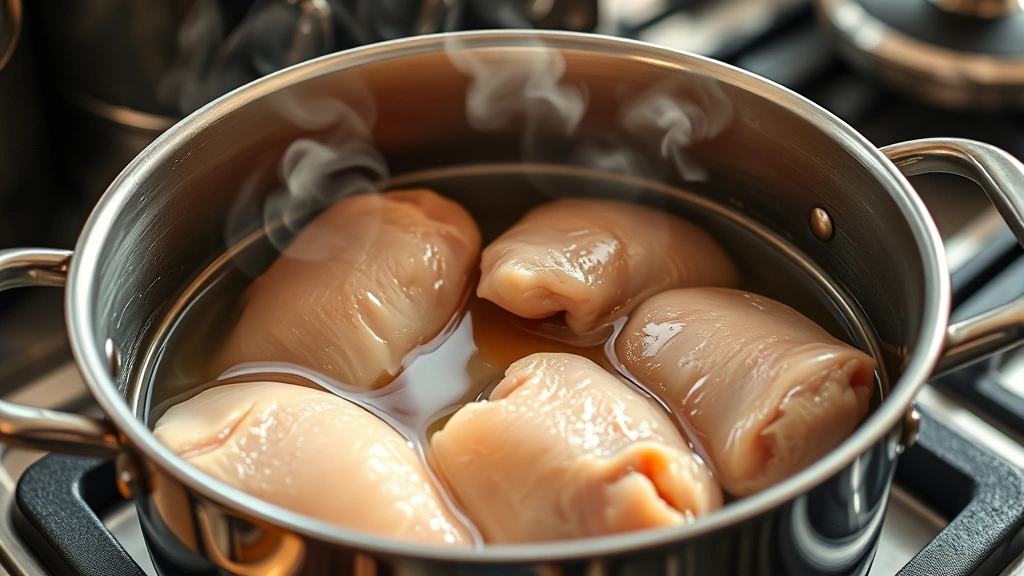
Learning how to boil chicken for dogs is one of the easiest ways to give your furry friend a nutritious, delicious treat that beats those mystery-meat kibbles every single time. Whether you’re dealing with a picky eater, a dog with digestive issues, or just want to add some protein-packed goodness to their diet, boiled chicken is basically the golden ticket of dog nutrition. And the best part? It takes about 15 minutes and requires zero fancy cooking skills.
Table of Contents
- Why Boiled Chicken Is Perfect for Dogs
- What You’ll Need: Minimal Equipment Required
- Step-by-Step Guide: Boiling Chicken for Dogs
- Storing Your Boiled Chicken Properly
- Serving Suggestions and Portion Control
- Safety Considerations and Precautions
- Can You Use the Cooking Water?
- Common Mistakes to Avoid
- Boiled Chicken for Different Dog Situations
- Frequently Asked Questions
- Final Thoughts: Your Dog Will Thank You
Why Boiled Chicken Is Perfect for Dogs
Your dog doesn’t care about Instagram-worthy plating or complex flavor profiles—they just want something that tastes amazing and makes their tail wag. Boiled chicken delivers exactly that. Unlike processed dog treats loaded with preservatives and mystery ingredients, plain boiled chicken is pure protein heaven for your pup.
Chicken is lean, packed with essential amino acids, and incredibly digestible. It’s especially brilliant for dogs with sensitive stomachs or those recovering from illness. Check out our guide on human foods for pets with sensitive stomachs for more insights on gentle nutrition options.
The beauty of this method is that you control every ingredient—no mystery additives, no questionable by-products, just honest-to-goodness chicken. It’s also way cheaper than fancy boutique dog treats, which means you can actually afford to give your dog quality food without raiding your retirement fund.
What You’ll Need: Minimal Equipment Required
Here’s the gloriously simple part: you probably already have everything in your kitchen. Seriously, this isn’t rocket science.
- Chicken breasts or thighs (boneless, skinless)
- A pot (any size works)
- Water (filtered or tap, your dog isn’t a snob)
- A knife for cutting
- Tongs or a slotted spoon (optional but handy)
That’s literally it. No special dog-cooking equipment needed. You’re not preparing a five-course meal here; you’re just boiling some chicken, which is something humans have been doing for thousands of years.
Step-by-Step Guide: Boiling Chicken for Dogs
Let’s break this down into ridiculously simple steps so even someone who can’t boil water (ironically) can pull this off.
Step 1: Choose Your Chicken
Grab boneless, skinless chicken breasts or thighs. Thighs are actually fattier and more flavorful, which dogs absolutely lose their minds over. Avoid chicken with skin and bones—you want to make this safe and easy to digest. Buy whatever’s on sale; your dog won’t judge you for being budget-conscious.
Step 2: Rinse and Prep
Give your chicken a quick rinse under cold water. Place it in your pot and cover it with water—about 2-3 inches of water above the chicken is perfect. You’re not making chicken soup here; you’re just cooking the meat.
Step 3: Bring to a Boil
Turn the heat to high and let that water come to a rolling boil. You’ll see some foam or scum rise to the surface—that’s totally normal and not anything to panic about. You can skim it off if you’re feeling fancy, but honestly, it won’t hurt your dog.
Step 4: Reduce Heat and Simmer
Once it’s boiling, turn the heat down to medium or medium-low. You want a gentle simmer, not a raging boil that’ll dry out your chicken. This is where patience pays off.
Step 5: Cook Until Done
Boneless chicken breasts typically take 12-15 minutes. Thighs might need 15-20 minutes. The chicken is done when it’s cooked through—no pink inside and it shreds easily with a fork. If you’re paranoid (which is totally valid), use a meat thermometer: 165°F is the magic number.
Step 6: Cool It Down
This is crucial: let that chicken cool completely before giving it to your dog. Hot chicken can burn their mouth and their digestive system. Patience, grasshopper. While you’re waiting, check out our pet food safety guide for more crucial handling tips.
Step 7: Cut and Serve
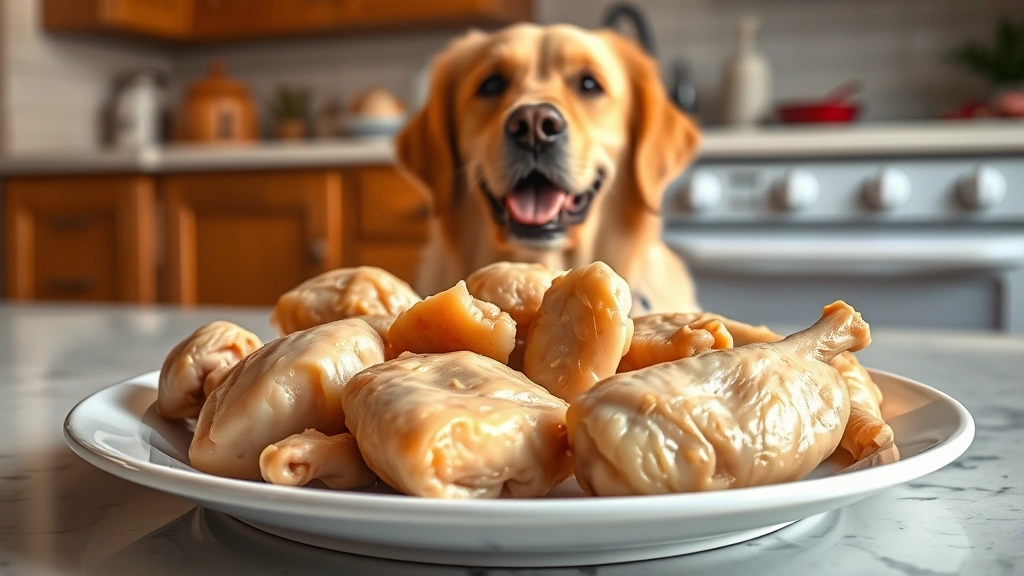
Once cooled, cut the chicken into bite-sized pieces appropriate for your dog’s size. A Great Dane gets bigger chunks than a Chihuahua, obviously. Store the water if you want to use it as a gravy—dogs love that stuff.
Storing Your Boiled Chicken Properly
You’ve done all this work; you’re not going to let it go bad, right? Smart thinking.
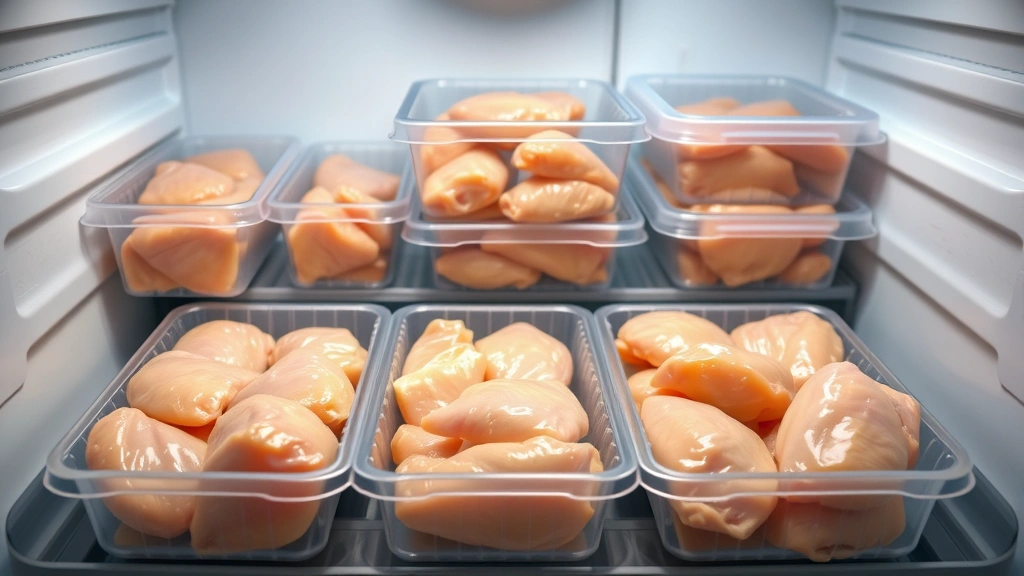
Refrigerator Storage: Boiled chicken lasts about 3-4 days in an airtight container in the fridge. Perfect for adding to their regular food throughout the week or using as training treats.
Freezer Storage: Freeze it in ice cube trays for perfect portion sizes, or in larger containers. Frozen boiled chicken keeps for about 2-3 months. Thaw it in the fridge overnight before serving—no microwave nuking, which can create hot spots.
Pro tip: freeze the cooking water in ice cube trays too. Pop one into their food bowl for a nutrient-rich flavor boost that dogs absolutely adore. It’s basically chicken-flavored gold for your pup.
Serving Suggestions and Portion Control
Now comes the fun part—actually giving this delicious stuff to your dog. But hold your horses; portion control matters.
Boiled chicken should be a supplement or treat, not a complete meal replacement. Generally, treats should make up no more than 10% of your dog’s daily caloric intake. For a 50-pound dog, that’s roughly 50-100 calories, which translates to about 2-3 ounces of boiled chicken daily.
Use it as:
- A training reward (perfect for reinforcing good behavior)
- A mixer with their regular kibble (makes boring food exciting)
- A high-value treat for puzzle toys
- A recovery food after illness or surgery
- A special occasion snack when they’ve been extra good
Our pet treat recipes guide has tons of creative ways to use boiled chicken beyond just serving it plain.
Safety Considerations and Precautions
Before you go full chicken-crazy, let’s talk safety because your dog’s health is no joke.
No Seasoning, Ever: This is non-negotiable. No salt, no garlic, no onions, no spices. Plain chicken only. Garlic and onions are actually toxic to dogs, so keep that seasoning shaker far, far away.
Bones Are a No-Go: Always use boneless chicken. Cooked bones splinter and can cause serious intestinal blockages. Not worth the risk, ever.
Watch for Allergies: Some dogs have chicken sensitivities (rare but possible). Start with small amounts and monitor for itching, digestive upset, or vomiting. If your dog has known chicken allergies, obviously skip this entirely.
Thyroid Concerns: If your dog has thyroid issues, check with your vet before making boiled chicken a regular thing, as excessive amounts can interfere with thyroid medication absorption.
For more comprehensive food safety information, check out our pet nutrition advice section.
Can You Use the Cooking Water?
Absolutely, and you should. That water is basically chicken stock—liquid gold for your dog. It’s packed with nutrients and flavor. Pour it over their regular kibble to make it more appetizing, or freeze it in ice cube trays for later.
The only exception: if you added any salt or seasoning (which you shouldn’t), then skip the water. But plain boiled chicken water? Your dog will think you’ve just handed them the best gift ever.
Common Mistakes to Avoid
Learn from others’ mishaps so you don’t have to:
- Overcooking: Boiling chicken for 45 minutes doesn’t make it better; it just makes it dry and less nutritious. 12-20 minutes is the sweet spot.
- Using rotisserie chicken: Those are delicious for humans but loaded with seasoning and sometimes garlic. Stick to plain boiled chicken.
- Forgetting to cool it: Impatient dogs (and owners) can get burned. Cool it completely, seriously.
- Mixing with rice without measuring: Chicken and rice is great, but rice should be about 50% of the mixture to avoid excess carbs.
- Assuming more is better: Chicken is healthy, but moderation matters. Your dog still needs their regular balanced diet.
Boiled Chicken for Different Dog Situations
Different dogs, different needs—here’s how to tailor this approach:
Picky Eaters: Add small pieces of boiled chicken to their kibble. Suddenly that boring food becomes irresistible.
Dogs Recovering from Illness: Boiled chicken is bland enough for sensitive systems but nutritious enough to help recovery. Often recommended by vets for post-surgery diets.
Senior Dogs: Easier to chew and digest than tougher treats. Perfect for dogs with dental issues.
High-Energy Dogs: Use as a training reward. The protein helps with muscle maintenance during activity.
Dogs with Digestive Issues: The simplicity makes it ideal for sensitive stomachs. No weird additives to upset their system.
Frequently Asked Questions
Can I boil chicken with the skin on?
Technically yes, but the skin is fatty and can upset sensitive stomachs. Boneless, skinless is your safest bet. If you’re using bone-in chicken for flavor, remove all bones and skin before serving to your dog.
How long does boiled chicken last in the fridge?
About 3-4 days in an airtight container. After that, toss it. Better safe than sorry with food storage.
Can puppies eat boiled chicken?
Absolutely! Puppies can eat plain boiled chicken, but keep portions tiny since they have smaller stomachs. It’s actually great for growing pups because of the protein content.
Is boiled chicken better than raw chicken for dogs?
Boiled is safer because it eliminates bacteria like salmonella. While some raw-feeding advocates swear by it, boiling is the safer choice for most dog owners. Check with your vet if you’re considering raw diets.
Can I add vegetables to the boiling water?
You can boil dog-safe vegetables separately (carrots, green beans, sweet potato) and mix them with the chicken, but don’t add them to the chicken water with salt or seasonings. Keep it simple and safe.
What if my dog has chicken allergies?
Skip boiled chicken entirely and talk to your vet about alternative proteins like turkey, beef, or fish. Some dogs do have legitimate chicken sensitivities, though it’s less common than people think.
Can I use chicken broth instead of plain water?
Store-bought chicken broth usually has salt and seasonings—big no-nos for dogs. Stick with plain water. You can make your own unsalted broth if you want, but plain boiled chicken is simpler and safer.
Final Thoughts: Your Dog Will Thank You
Learning how to boil chicken for dogs is genuinely one of the best things you can do for your pup’s nutrition and happiness. It’s cheap, it’s easy, it’s healthy, and your dog will absolutely lose their mind when they see you preparing it. No fancy equipment, no complicated techniques, just good old-fashioned boiled chicken that’ll make your dog the happiest furry friend on the block.
Start with small amounts, monitor how your dog responds, and enjoy watching them go absolutely bonkers over this simple treat. Your wallet will thank you, your dog’s health will thank you, and honestly, you’ll probably thank yourself for discovering how ridiculously easy this is.
For more creative ways to use boiled chicken, check out our homemade dog biscuits guide and explore the world of healthy pet treats. Your dog’s taste buds are in for a treat.





