
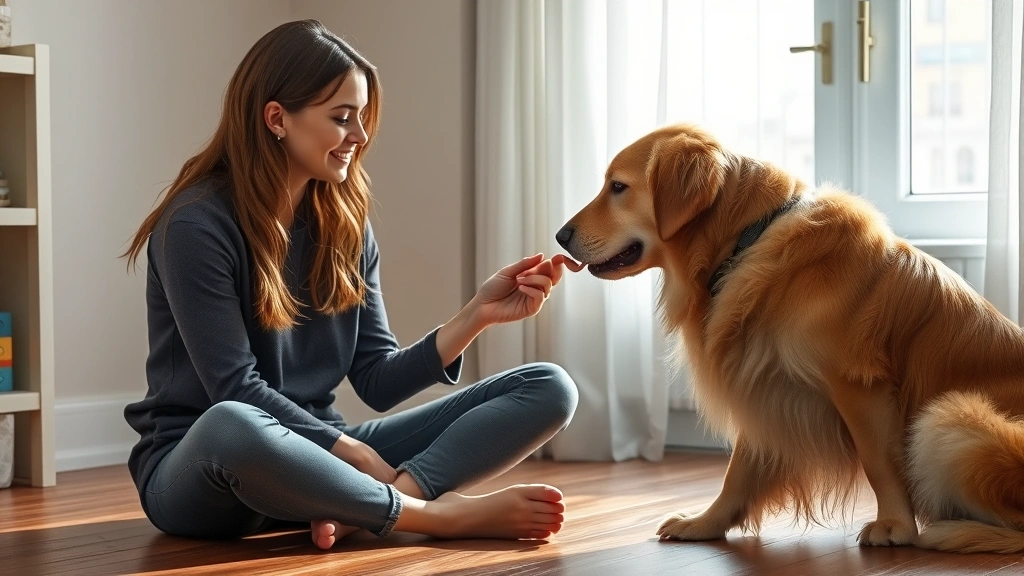
Learning how to get a dog to like you is one of the best skills you can develop, whether you’re meeting your friend’s new puppy or trying to win over a rescue dog with trust issues. The truth is, dogs aren’t complicated creatures—they just want to know you’re safe, fun, and worth their attention. If you’ve ever felt rejected by a pup who’d rather sniff literally anything else than acknowledge your existence, don’t worry. We’ve got the secrets to turning you into every dog’s favorite human.
Table of Contents
- Understand What Dogs Actually Want From You
- Master the Art of High-Value Treats
- Use Positive Reinforcement Every Single Time
- Respect Their Personal Space (Yes, Really)
- Engage in Play and Exercise Together
- Be Consistent and Predictable
- Master Calm, Confident Energy
- Use Food-Based Bonding Strategically
- Learn to Read Dog Body Language
- Spend Quality Time Together Regularly
- Avoid Common Mistakes That Push Dogs Away
- Frequently Asked Questions
- Conclusion: You’ve Got This
Understand What Dogs Actually Want From You
Before you can master how to get a dog to like you, you need to think like a dog. Dogs don’t care about your job title, your Instagram followers, or whether you remembered to floss. They care about consistency, safety, and whether you’re about to provide something awesome. A dog’s affection is earned through trust and positive associations, not through forced cuddles or baby talk that makes everyone uncomfortable. When a dog likes you, it’s because you’ve proven yourself to be a source of good things—food, fun, safety, and companionship.
Master the Art of High-Value Treats
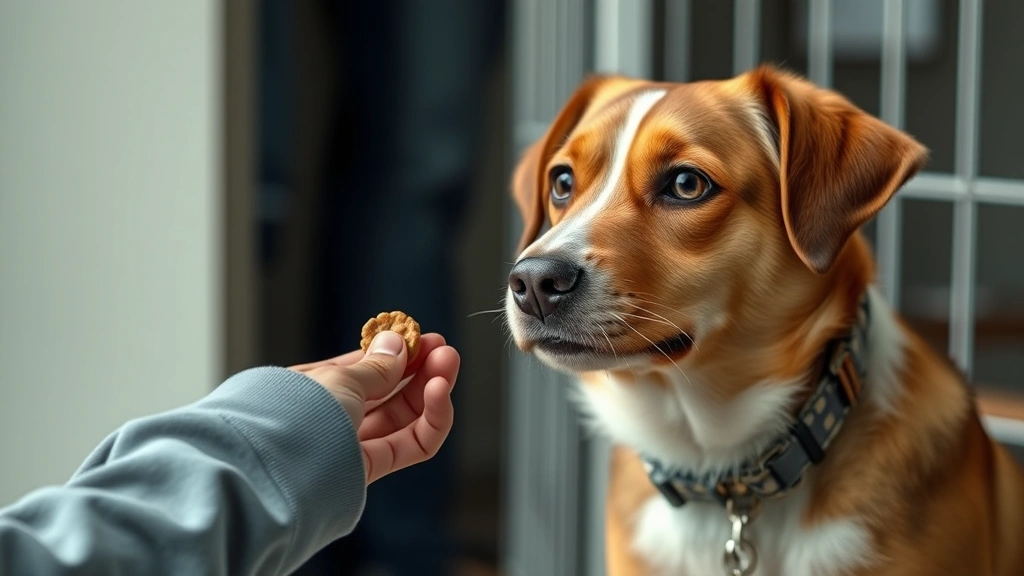
Nothing says “I’m the coolest human alive” quite like having the good snacks. High-value treats are the nuclear option in dog training and bonding. We’re not talking about those sad, stale kibble pieces from the bottom of the bag. We’re talking about the premium stuff that makes a dog’s eyes light up like you just invented cheese. High-value treats from kitchen ingredients can be surprisingly simple to make and infinitely more effective than store-bought alternatives. The key is using treats that are small (so you can give multiple without overfeeding), soft (so they’re quick to eat), and absolutely irresistible. Cooked chicken, small pieces of hot dog, or freeze-dried liver are dog magnets. When you’re building dog affection, always have these treats on hand during interactions.

Use Positive Reinforcement Every Single Time
Dogs repeat behaviors that result in rewards. This is science, not magic. When a dog does literally anything you like—makes eye contact, sits near you, acknowledges your existence—reward it immediately. This creates a positive association where the dog’s brain goes, “Oh, that human makes good things happen.” You don’t need to be a professional trainer to do this. Just be consistent and enthusiastic. Every time your target dog looks at you, boom—treat. Every time they come closer, boom—treat and praise. Within days, you’ll notice the dog seeking you out because you’ve become a walking vending machine of happiness. This is the foundation of dog bonding techniques that actually work.
Respect Their Personal Space (Yes, Really)
Here’s where most people mess up: they try too hard. Dogs have personal space preferences just like humans do. Some dogs love being petted immediately; others need time to warm up. The worst thing you can do is corner a dog and force affection on them. Instead, let the dog come to you. Sit on the floor, look away (dogs find direct eye contact threatening), and let them investigate at their own pace. Offer your hand for them to sniff. If they approach, great! If they don’t, that’s information too—they need more time. Respecting boundaries actually makes dogs trust you faster because you’re not being a creepy, invasive weirdo. Once a dog realizes you’re not going to force anything, they relax, and relaxed dogs are friendly dogs.

Engage in Play and Exercise Together
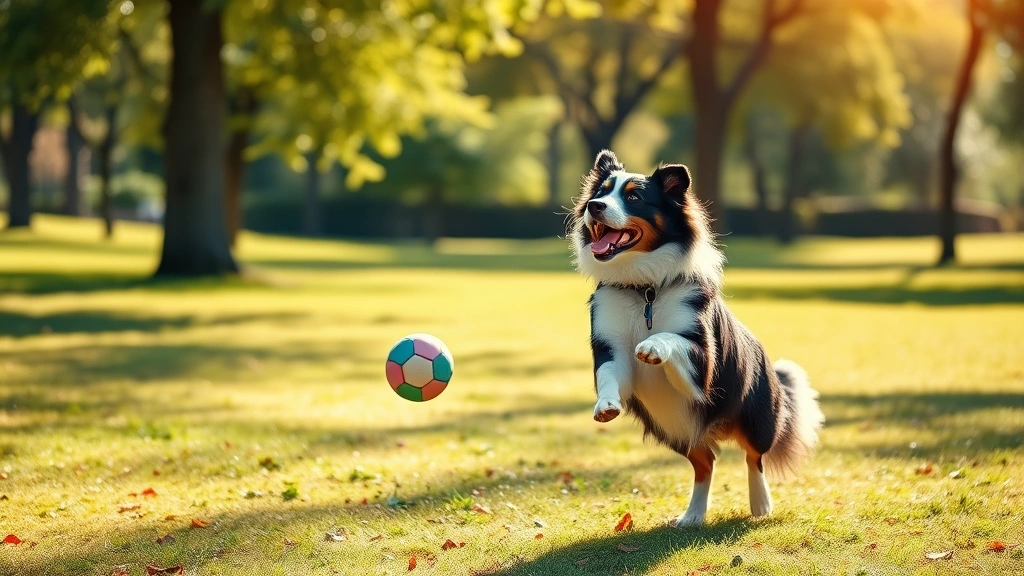
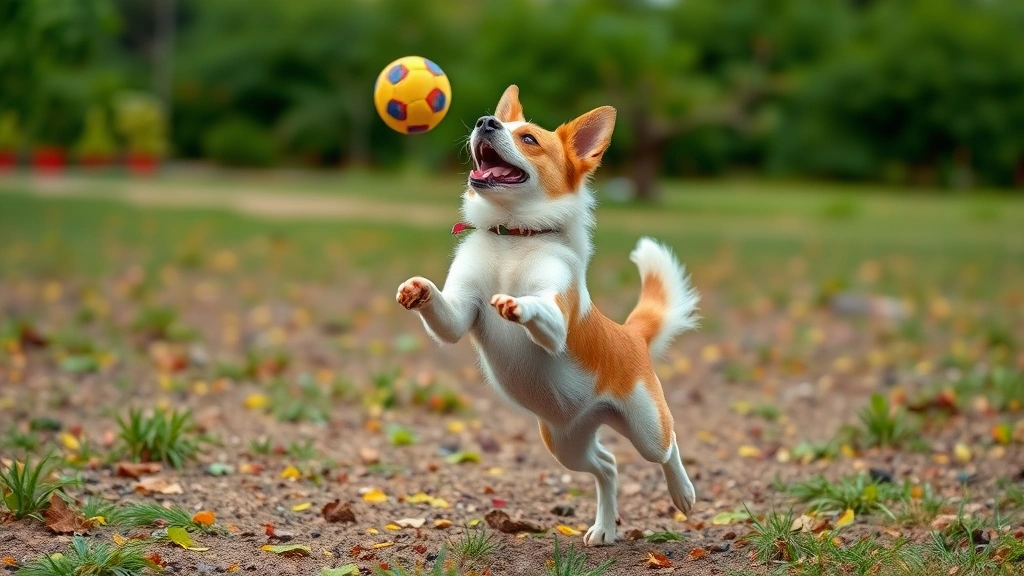
Nothing bonds a human and dog faster than shared fun. Play is how dogs communicate, build trust, and burn off the crazy energy that makes them act like furry lunatics. Whether it’s fetch, tug-of-war, or chase games, active play creates positive memories and endorphins. A tired dog is also a happy dog, and a happy dog likes you. If the dog isn’t into your favorite game, switch it up. Some dogs go nuts for fetch, others would rather play tug, and some just want to run around like their tail’s on fire. The point is to participate in something the dog enjoys. This is especially important when you’re winning over a nervous dog or one with a rough past.
Be Consistent and Predictable
Dogs are creatures of habit, and they love knowing what to expect from you. If you’re sometimes nice and sometimes ignore them, they won’t know how to feel about you. But if you’re consistently friendly, consistently rewarding, and consistently showing up, dogs develop trust. This means showing up at the same times, using the same commands, and maintaining the same energy. Unpredictable humans are suspicious. Predictable humans are friends. This is especially crucial when you’re trying to bond with a rescue dog or shelter dog who’s had inconsistent care in the past.
Master Calm, Confident Energy
Dogs are incredibly perceptive to human emotion and body language. If you’re nervous, anxious, or overly excited, the dog picks up on it and mirrors that energy. When you’re trying to win over a dog, approach with calm confidence. Speak in a normal, relaxed voice (not the weird high-pitched baby voice). Move slowly and deliberately. Breathe normally. Dogs find calm humans trustworthy. Anxious humans? Not so much. Think of it like this: a dog wants to follow a leader, not babysit a nervous wreck. When you exude calm confidence, dogs naturally gravitate toward you.
Use Food-Based Bonding Strategically
Beyond just treats, mealtime can be a bonding opportunity. If you’re staying with a dog for a while, volunteer to feed them or help with meals. This creates a positive association where the dog learns that you = food and safety. Can dogs eat peanut butter is a common question, and the answer is yes (in moderation), making it perfect for bonding. You can also make DIY pet treats or explore pet treat recipes to create special bonding moments. If a dog is anxious, calming foods for anxious pets can help them relax around you, making positive interactions more likely. The combination of food, safety, and your presence becomes irresistible.

Learn to Read Dog Body Language
Understanding what a dog is trying to tell you is crucial. A wagging tail doesn’t always mean a happy dog—it can also mean an anxious one. Ears pinned back, tucked tail, yawning, and lip licking are stress signals. A dog that’s truly comfortable will have a soft body, relaxed ears, and a natural tail position. By reading these signals, you can adjust your approach. If a dog is showing stress signals, give them space. If they’re showing relaxed, happy signals, keep doing what you’re doing. This awareness prevents you from pushing too hard and actually helps you bond faster because you’re respecting the dog’s emotional state.
Spend Quality Time Together Regularly
Consistency isn’t just about being predictable; it’s about showing up regularly. Dogs develop affection through repeated positive interactions. If you only see a dog once a month, you’re not going to build a strong bond. But if you’re interacting with them several times a week, you’re creating memories and trust. If you’re taking a dog in a car seat to hang out regularly, you’re sending the message that this dog is worth your time and effort. Dogs notice and appreciate that commitment.
Avoid Common Mistakes That Push Dogs Away
Some people accidentally sabotage their chances of getting a dog to like them. Don’t make these mistakes: forcing interaction, ignoring the dog’s boundaries, being unpredictable, using punishment-based training, or having chaotic energy. Also, don’t assume every dog wants to be your best friend immediately. Some dogs are naturally aloof or need time. That’s okay. Respect their personality and work within it. Dogs like people who respect their individuality, not people who try to force them into a mold.
Frequently Asked Questions
How long does it take for a dog to like you?
This varies wildly depending on the dog’s personality, past experiences, and how often you interact. Some dogs are instant friends and will love you after one good play session. Others might take weeks or months, especially if they’ve had negative experiences with humans. The key is consistency and patience. Keep showing up with treats, positive energy, and respect for boundaries, and most dogs will come around.
What if a dog just doesn’t like me no matter what I do?
Some dogs have preferences for certain people, and that’s totally normal. Not every dog will like every human, and that’s okay. Some dogs prefer men over women, or vice versa. Some dogs had bad experiences that make them wary of certain types of people. If a dog genuinely doesn’t like you after consistent, respectful efforts, accept it gracefully. There are plenty of other dogs in the world who will think you’re amazing.
Is it okay to give a dog treats to make them like you?
Absolutely. Using treats is one of the most effective, science-backed methods for building positive associations. The dog isn’t being “bribed” in a negative way—they’re learning that you’re a source of good things. This is how all dog training works. Just make sure the treats are healthy, appropriate for the dog’s diet, and given in moderation so you’re not overfeeding.

Can dogs sense if you’re nervous around them?
Yes, dogs are incredibly perceptive to human emotions. If you’re nervous, anxious, or afraid, dogs pick up on your body language, scent changes, and voice tone. This can make them nervous too. If you’re trying to bond with a dog and you’re anxious, work on calming yourself first. Take deep breaths, remind yourself that the dog isn’t a threat, and approach with confidence.
What’s the best way to approach a strange dog?
Always ask the owner for permission first. Then, approach slowly from the side (not head-on), let the dog sniff your hand, and avoid reaching over the dog’s head to pet them. Let the dog initiate contact when possible. Speak in a calm, normal voice and avoid sudden movements. This respectful approach works on most dogs.

Conclusion: You’ve Got This
Learning how to get a dog to like you isn’t rocket science, but it does require patience, consistency, and genuine respect for the dog as an individual. The five proven methods—using high-value treats, positive reinforcement, respecting boundaries, engaging in play, and maintaining calm, predictable energy—work because they address what dogs actually care about. Dogs are simple creatures with straightforward needs: safety, fun, food, and companionship. When you provide those things consistently, dogs naturally gravitate toward you. Remember that every dog is different, and what works for one might not work for another. Stay flexible, keep treats handy, and approach every dog with genuine interest in getting to know them. Before you know it, you’ll be that person every dog in the neighborhood wants to hang out with. And honestly, that’s a pretty cool superpower to have.





