
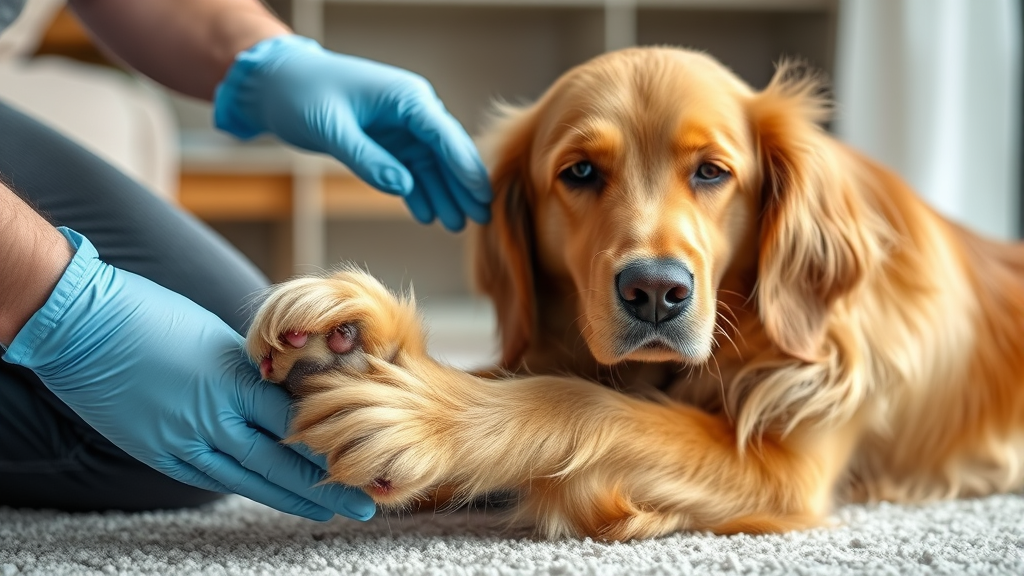
When your beloved canine companion suffers a minor wound, your first instinct is to help them heal as quickly and safely as possible. While serious injuries always require veterinary attention, many minor cuts, scrapes, and abrasions can be effectively treated at home with the right knowledge and supplies. Understanding how to heal a dog wound fast at home not only saves you emergency vet visits but also provides immediate relief for your furry friend.
Dog wounds can occur from various sources – rough play, outdoor adventures, grooming accidents, or simple mishaps around the house. The key to successful home treatment lies in proper assessment, thorough cleaning, and consistent care. However, it’s crucial to recognize when a wound requires professional veterinary intervention versus when home remedies are appropriate and safe.
Assessing Wound Severity
Before attempting any home treatment, you must accurately assess whether your dog’s wound is suitable for home care. Minor wounds that can be treated at home typically include shallow cuts less than half an inch deep, small scrapes, minor abrasions, and superficial puncture wounds. These wounds should have clean, straight edges and minimal bleeding that stops within a few minutes of applying pressure.
Look for signs that indicate the wound is manageable at home: the injury doesn’t gape open, there’s no visible fat, muscle, or bone, bleeding is minimal and easily controlled, and your dog isn’t showing signs of severe pain or distress. The wound should also be in an accessible location where you can properly clean and monitor it.
Wounds that require immediate veterinary attention include deep cuts that expose underlying tissue, wounds longer than one inch, puncture wounds from unknown objects, bite wounds from other animals, wounds with embedded debris that won’t wash out, and any injury showing signs of infection. Additionally, if your dog shows signs of shock, excessive bleeding that won’t stop, or extreme pain, professional help is necessary.
Immediate First Aid Steps
The first moments after your dog sustains a wound are critical for preventing complications and promoting healing. Begin by staying calm, as your dog will pick up on your energy and anxiety can make the situation more difficult. Gently restrain your dog if necessary, using a muzzle if they’re in pain and might bite, even if they’re normally gentle.
Apply direct pressure to control bleeding using a clean cloth or gauze pad. Hold pressure for 3-5 minutes without lifting the cloth to check, as this can disrupt clot formation. If blood soaks through, add more layers rather than removing the original cloth. For wounds on extremities, you can elevate the injured area above heart level to help reduce bleeding.
Once bleeding is controlled, examine the wound more closely for foreign objects, dirt, or debris. Remove any visible debris with clean tweezers, but don’t attempt to remove objects that are deeply embedded. If you notice signs of a fever developing, this could indicate the beginning of an infection and may require additional attention.
Proper Cleaning and Disinfecting Techniques
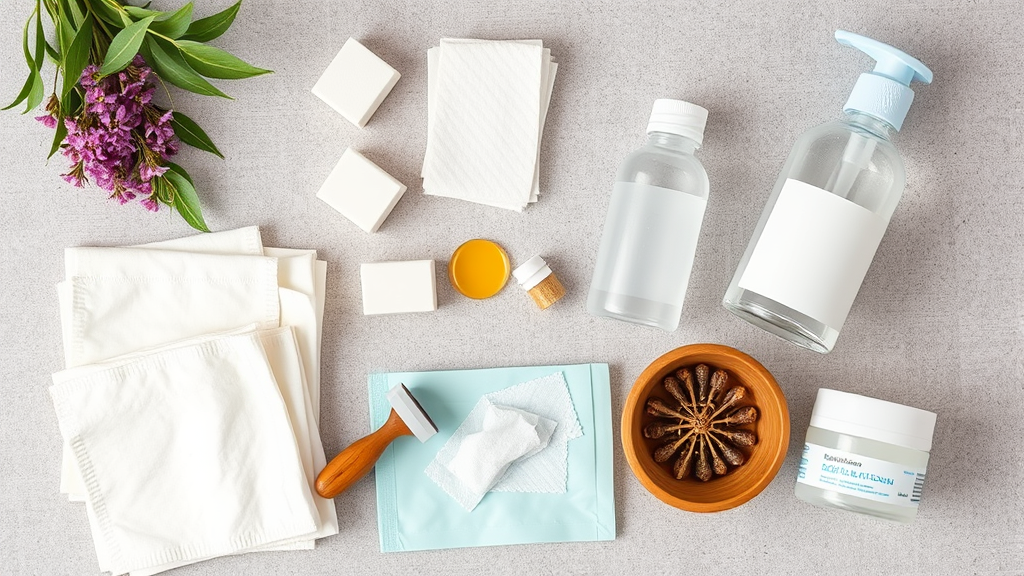
Thorough cleaning is perhaps the most crucial step in home wound care, as it removes bacteria and debris that could lead to infection. Begin by washing your hands thoroughly and gathering your supplies: clean water, mild soap or saline solution, clean cloths or gauze, and gloves if available.
Rinse the wound gently with clean water or saline solution to remove loose debris and blood. Use a syringe or squeeze bottle to create gentle pressure that helps flush out contaminants without causing additional trauma. Avoid using hydrogen peroxide or alcohol directly on the wound, as these can damage healthy tissue and slow healing.
For cleaning solution, use either sterile saline or a mild soap solution. Commercial wound cleaners designed for pets are also excellent options. Clean from the center of the wound outward, using a fresh section of cloth for each wipe to avoid recontaminating the area. Many pet owners wonder about topical antibiotics, and questions like can you put Neosporin on a dog are common when considering wound care options.
Natural Home Remedies for Faster Healing
Several natural remedies can accelerate your dog’s wound healing when used appropriately. Honey, particularly medical-grade Manuka honey, has powerful antibacterial properties and creates a protective barrier over the wound. Apply a thin layer directly to clean wounds and cover with a light bandage. The honey helps maintain moisture while fighting bacteria.
Aloe vera gel provides soothing relief and promotes healing through its anti-inflammatory properties. Use pure aloe vera gel without additives, applying a small amount to clean wounds. Coconut oil also offers antimicrobial benefits and can help keep wound edges soft and pliable as they heal.
Turmeric paste, made from turmeric powder and water, has natural antiseptic and anti-inflammatory properties. Apply sparingly to minor wounds, though be aware it may temporarily stain your dog’s fur. Calendula cream or oil is another excellent natural option that promotes tissue regeneration and reduces inflammation.
Bandaging and Wound Protection
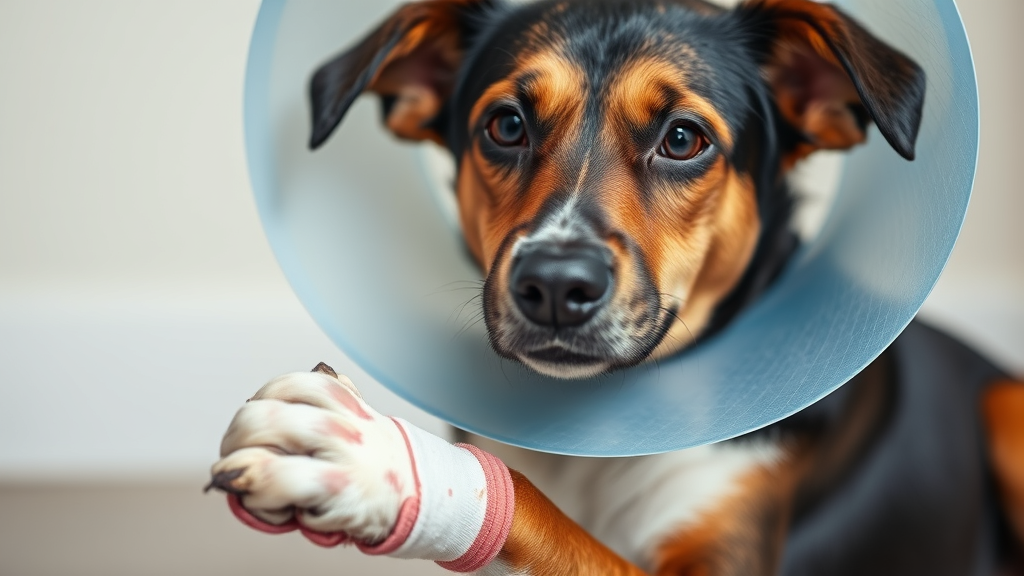
Proper bandaging protects the wound from further contamination while allowing it to heal. Not all wounds require bandaging – some heal better when exposed to air. Generally, bandage wounds that are in areas prone to dirt exposure, on the feet or legs, or those your dog won’t stop licking.
When bandaging, use a three-layer system: a non-stick pad directly over the wound, gauze for padding and absorption, and an outer wrap for security. The bandage should be snug but not tight – you should be able to slip one finger underneath. Check circulation by pressing on the toes or skin below the bandage; color should return quickly when pressure is released.
Change bandages daily or whenever they become wet or soiled. Watch for signs of bandage-related problems: swelling above or below the bandage, foul odors, excessive drainage, or signs of decreased circulation. Some dogs may develop hot spots under bandages, so understanding what causes hot spots on dogs can help you recognize and prevent this complication.
Monitoring Healing Progress
Successful wound healing follows predictable stages, and monitoring progress helps ensure complications don’t develop. During the first 24-48 hours, expect some swelling, redness, and mild discharge as the body begins the inflammatory phase of healing. The wound edges should start to come together, and bleeding should be minimal or absent.
By day 3-5, you should notice decreased swelling and the formation of new tissue. The wound may develop a slight scab or protective covering. Healthy discharge is clear to slightly yellow and minimal in quantity. Any increase in swelling, heat, or discharge after the first few days may indicate infection.
During the proliferation phase (days 5-21), new tissue fills the wound from the bottom up and edges continue to contract. The area may be slightly pink but shouldn’t be hot or painful. Final healing and remodeling can take several weeks to months, during which the new tissue strengthens and hair regrowth begins.
When to Seek Professional Help
Despite your best efforts, some situations require professional veterinary intervention. Watch for signs of infection including increased redness spreading away from the wound, heat, swelling that worsens after day 2, foul-smelling discharge, red streaks extending from the wound, and systemic signs like lethargy or loss of appetite.
If your dog develops a fever, this could indicate a serious infection requiring immediate attention. Learning how to tell if a dog has a fever can help you recognize when complications are developing. Other concerning signs include wounds that don’t show improvement after 3-4 days, wounds that reopen or get larger, and excessive licking or scratching that prevents healing.
Certain types of wounds always require professional care regardless of size: bite wounds from other animals, wounds contaminated with feces or dirt that won’t clean properly, wounds near the eyes or genitals, and wounds in dogs with compromised immune systems or underlying health conditions. According to the American Veterinary Medical Association, prompt professional care can prevent minor injuries from becoming serious complications.
Prevention Strategies
The best wound care is prevention. Regular grooming helps you spot potential problems early and keeps your dog’s skin healthy. Keep your dog’s nails trimmed to prevent scratching injuries, and maintain a safe environment by removing hazards like sharp objects, toxic plants, and rough surfaces that could cause injury.
During outdoor activities, inspect your dog’s paws and body for cuts, thorns, or embedded debris. Consider protective gear like booties for dogs who frequently walk on rough terrain. Proper socialization and training can prevent many bite wounds from other animals, while regular veterinary checkups help identify and address skin conditions before they lead to secondary injuries.
Maintaining your dog’s overall health through proper nutrition, regular exercise, and preventive care strengthens their immune system and promotes faster healing when injuries do occur. A healthy dog with a strong immune system will heal more quickly and with fewer complications than one in poor health.
Some dog owners also explore alternative treatments for various conditions. For instance, understanding how to treat dog ear infection without vet care can be helpful for minor ear issues, though serious infections always require professional attention. The ASPCA provides excellent resources for pet emergency care and poisoning prevention.
Frequently Asked Questions
How long does it take for a dog wound to heal at home?
Minor wounds typically heal within 7-14 days with proper home care. Shallow cuts and scrapes may heal in as little as 3-5 days, while deeper wounds can take 2-3 weeks. Factors affecting healing time include your dog’s age, overall health, wound location, and how well you follow proper care protocols. Wounds on areas with good blood supply heal faster than those on extremities.
Can I use human wound care products on my dog?
Some human products are safe for dogs, but many are not. Saline solution, plain soap, and medical-grade honey are generally safe. However, avoid products containing zinc oxide, which is toxic to dogs if ingested. Many pet owners ask questions like can you use Neosporin on dogs or is Neosporin safe for dogs, and while small amounts may be okay for minor wounds, it’s better to use products specifically designed for pets.
What should I do if my dog won’t stop licking the wound?
Excessive licking can delay healing and introduce bacteria. Use an Elizabethan collar (cone) to prevent access to the wound, apply bitter apple spray around (not on) the wound area, or cover the wound with a bandage. Distraction techniques like puzzle toys or increased exercise can also redirect your dog’s attention. If licking persists despite these measures, consult your veterinarian as there may be underlying pain or irritation.
When should I change the bandage on my dog’s wound?
Change bandages daily or whenever they become wet, soiled, or loose. Check bandages twice daily for signs of problems like swelling, odor, or discharge. If the bandage becomes wet, change it immediately as moisture can promote bacterial growth. For minor wounds that are healing well, you may be able to leave the wound unbandaged after the first few days to allow air exposure.
What are the signs that a wound is infected?
Signs of infection include increasing redness and swelling after day 2, heat around the wound, foul-smelling discharge, pus formation, red streaks extending from the wound, and the wound becoming more painful rather than less painful over time. Systemic signs include fever, lethargy, loss of appetite, and swollen lymph nodes. If you suspect infection, seek veterinary care immediately as infections can spread rapidly and become life-threatening.
Can I give my dog pain medication for wound pain?
Never give human pain medications to dogs, as many are toxic to them. Aspirin, ibuprofen, and acetaminophen can cause serious organ damage or death in dogs. If your dog appears to be in significant pain, contact your veterinarian for appropriate pain management options. Some natural remedies like cold compresses can provide mild pain relief, but professional guidance is best for managing significant discomfort.
How can I tell if my dog’s wound needs stitches?
Wounds that gape open, are longer than one inch, deeper than half an inch, have jagged edges that won’t stay closed, are bleeding heavily, or expose underlying tissue typically need professional closure. If you can see fat, muscle, or bone, the wound definitely requires veterinary attention. When in doubt, it’s better to have a professional evaluate the wound, as proper closure can significantly improve healing outcomes and reduce scarring.





