
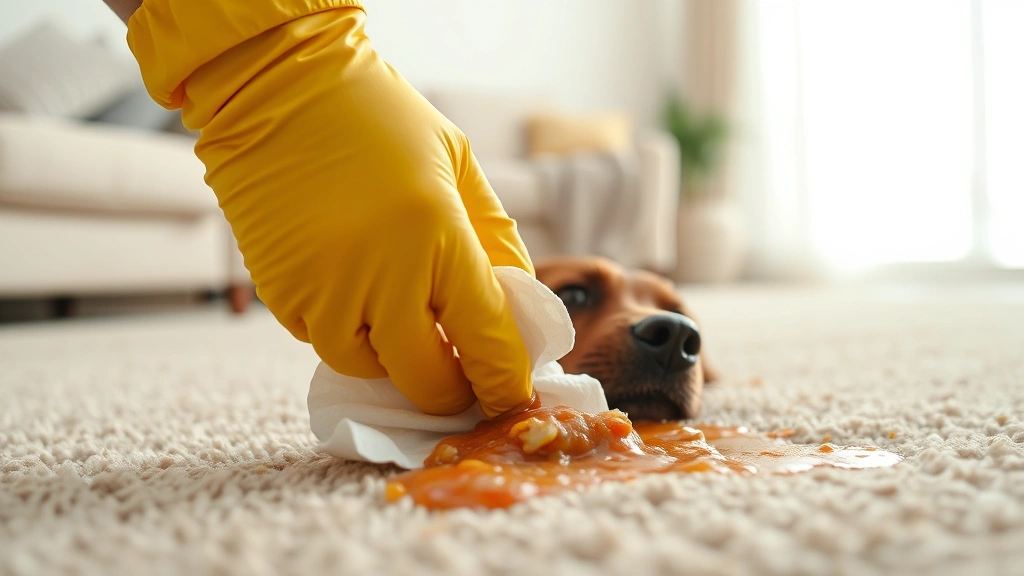
If you’re here, you’ve probably already discovered that how to get dog puke out of carpet is one of those pet parent problems nobody warns you about. Your adorable furry friend just decided your living room carpet was the perfect canvas for their digestive masterpiece, and now you’re standing there wondering if your carpet is ruined forever. Spoiler alert: it’s not. With the right approach and a little elbow grease, you can restore your carpet to its former glory.
Table of Contents
- Why Dogs Vomit and When to Worry
- The Immediate Response: Act Fast on Fresh Vomit
- Method 1: The Baking Soda Powerhouse
- Method 2: The Vinegar and Water Solution
- Method 3: The Enzyme Cleaner Approach
- Method 4: The Hydrogen Peroxide Solution
- Method 5: The Professional-Grade Carpet Cleaner
- Tackling Stubborn Odors: The Smell Won’t Quit
- Preventing Future Incidents: Stop the Vomit Before It Starts
- Special Considerations for Different Carpet Types
- When to Replace vs. When to Clean
- Frequently Asked Questions
- Summary: Your Carpet Will Survive
Dog vomit is one of those inevitable pet ownership challenges that strikes at the worst possible times—usually right before guests arrive or on a Sunday when every cleaning service is closed. But here’s the good news: there are proven methods that work, and I’m about to walk you through all of them.
Why Dogs Vomit and When to Worry
Before we dive into the cleanup, let’s talk about why your pup is hurling in the first place. Dogs vomit for tons of reasons—sometimes it’s nothing serious, like they ate too fast or got into something they shouldn’t have. Other times, it could indicate a more serious issue like food poisoning or an underlying health condition.
If your dog is vomiting frequently or showing other signs of distress, check out our guide on what not to feed your dog to ensure you’re not accidentally giving them something toxic. For recurring issues, online vet advice for food reactions can help you identify dietary triggers. If you suspect something serious, don’t hesitate to reach out through pet telehealth services for professional guidance.
The Immediate Response: Act Fast on Fresh Vomit
The first rule of dog vomit removal is speed. Fresh vomit is infinitely easier to clean than dried vomit that’s had time to set into your carpet fibers. Here’s what you need to do immediately:
First, grab some paper towels or old rags—don’t use anything you care about. Blot up the solid matter gently; don’t rub or scrub yet. Rubbing will push the vomit deeper into the carpet fibers and make your job significantly harder. Work from the outside edges of the mess toward the center to prevent spreading. Once you’ve removed the bulk of it, you’re ready for the next step.
Method 1: The Baking Soda Powerhouse
Baking soda is your best friend when it comes to pet messes. This method works because baking soda neutralizes odors and absorbs moisture, two critical elements in vomit cleanup.
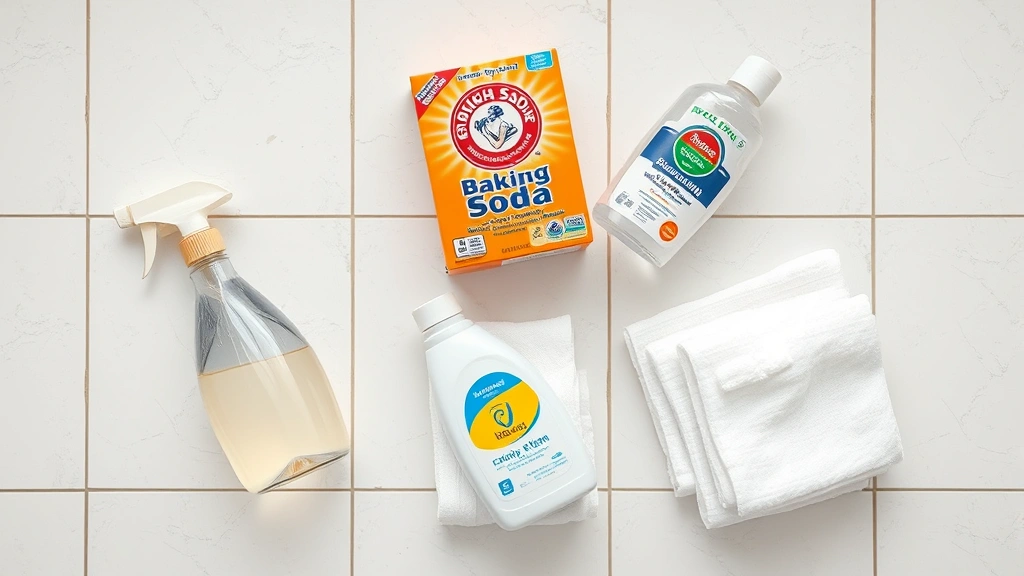
Here’s exactly how to do it: After blotting up the initial mess, generously sprinkle baking soda directly over the affected area. Let it sit for 15-30 minutes—this gives it time to absorb the moisture and odor. Then vacuum it up thoroughly. If the spot still smells, repeat the process. The beauty of this method is that it’s non-toxic, budget-friendly, and won’t damage your carpet.
Method 2: The Vinegar and Water Solution
This classic combination is a game-changer for pet stains. Vinegar’s acidity breaks down the vomit’s acidic components while also neutralizing odors.
Mix equal parts white vinegar and water in a spray bottle. Spray the affected area until it’s damp but not soaked. Let it sit for 5-10 minutes, then blot with clean cloths. The vinegar smell will dissipate as it dries, taking the vomit odor with it. For stubborn stains, you might need to repeat this process twice. Some people add a few drops of dish soap to the mixture for extra cleaning power, but go easy—too much soap creates residue that attracts dirt.
Method 3: The Enzyme Cleaner Approach
Enzyme cleaners are specifically designed to break down organic matter like vomit, urine, and feces. They contain natural enzymes that literally digest the proteins in the mess, which is why they’re so effective.
Apply the enzyme cleaner according to the product instructions—usually this means spraying it on and letting it sit for 24-48 hours. This extended contact time allows the enzymes to do their work. Then vacuum or blot up the residue. Enzyme cleaners are particularly useful for dog vomit because they eliminate both the visible stain and the odor at a molecular level. Your dog won’t be tempted to revisit the spot.
Method 4: The Hydrogen Peroxide Solution
For light-colored carpets, hydrogen peroxide can work wonders. It’s a mild bleaching agent that lifts stains without being as harsh as chlorine bleach.
Test it on a hidden area first—some carpet dyes don’t react well to hydrogen peroxide. If it’s safe for your carpet, spray a 3% hydrogen peroxide solution directly on the stain. Let it bubble for a few minutes (that’s the peroxide doing its job), then blot with clean towels. This method is particularly effective for fresh vomit stains because the peroxide actively breaks down the organic material.
Method 5: The Professional-Grade Carpet Cleaner
Sometimes you need the heavy artillery. If the vomit has set in, spread across a large area, or multiple cleaning attempts haven’t worked, it’s time to call in the professionals.
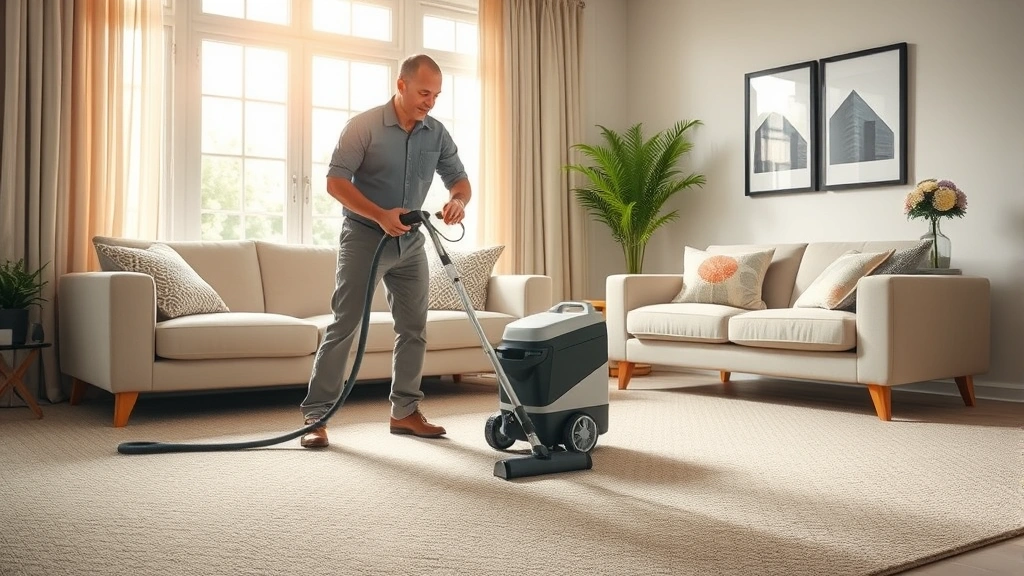
Professional carpet cleaning services have industrial-strength equipment and commercial-grade cleaning solutions that can handle even the nastiest messes. They’ll typically use hot water extraction (steam cleaning) to deep clean the affected area and surrounding carpet. Yes, it costs more than DIY methods, but it’s often worth it for peace of mind and guaranteed results. Plus, they can treat the entire room, not just the stain, which helps eliminate any lingering odor your nose might miss.
Tackling Stubborn Odors: The Smell Won’t Quit
Even after you’ve cleaned the visible stain, dog vomit odor can linger in your carpet for weeks. This is because vomit contains acidic compounds that penetrate deep into carpet fibers and padding.
After cleaning, sprinkle baking soda again and let it sit overnight before vacuuming. You can also place bowls of white vinegar or activated charcoal around the room to absorb remaining odors. Some people swear by crumpled newspaper or coffee grounds as odor absorbers. Open windows and run fans to improve air circulation. If the smell persists after a week, you might need professional odor removal services or consider replacing the carpet padding underneath.
Preventing Future Incidents: Stop the Vomit Before It Starts
The best cleanup method is prevention. While you can’t always stop your dog from vomiting, you can reduce the frequency by being mindful of what they eat.
Avoid giving your dog table scraps, especially fatty or spicy foods. Keep human foods for pets with food allergies away from your pup—check our resource on human foods for pets with food allergies to learn what’s safe. Feed your dog at consistent times rather than free-feeding throughout the day. This helps regulate their digestive system and makes vomiting less likely.
If your dog tends to eat too quickly, use a slow-feeder bowl. If they have recurring vomiting issues, consult with your vet about dietary adjustments. For serious cases, emergency food poisoning telehealth services can provide quick guidance without a vet visit.
Special Considerations for Different Carpet Types
Not all carpets are created equal, and your cleaning method might need adjustment based on your carpet type.
For delicate or antique carpets, avoid hydrogen peroxide and stick with gentler methods like baking soda and vinegar. Wool carpets require special care—enzyme cleaners work great, but avoid excessive moisture. Synthetic carpets are generally more forgiving and can handle most cleaning methods. Always test any cleaning solution on a hidden area first. Better to be cautious than end up with bleached or damaged carpet.
When to Replace vs. When to Clean
Sometimes cleaning just isn’t enough. If the vomit has soaked through to the padding underneath, you might be looking at replacement rather than cleaning.
Signs that replacement might be necessary include persistent odor even after professional cleaning, visible staining that won’t come out, or soft, squishy spots indicating water damage to the padding. In these cases, spot replacement of the affected section is often possible and more affordable than replacing the entire carpet. Most carpet installers can match existing carpet and seamlessly blend in new sections.
Frequently Asked Questions
How long does dog vomit smell last in carpet?
Dog vomit odor can last anywhere from a few days to several weeks depending on how thoroughly you clean and how deep the vomit penetrated. Fresh vomit that’s cleaned immediately usually stops smelling within 2-3 days. Vomit that’s been sitting for hours or days can linger for weeks if not properly treated. Using enzyme cleaners or professional services significantly reduces odor duration.
Can I use bleach on dog vomit stains?
Avoid bleach on most carpets. While it’s a powerful disinfectant, bleach can damage carpet fibers and create permanent discoloration. It’s also toxic to pets if they ingest residue. Stick with safer alternatives like hydrogen peroxide, vinegar, or enzyme cleaners. If you absolutely must use bleach, dilute it heavily and test on a hidden area first.
What’s the best enzyme cleaner for dog vomit?
Popular enzyme cleaners include Nature’s Miracle, Rocco & Roxie, and Zout. These are specifically formulated for pet messes and contain enzymes that break down organic matter. Read reviews and choose one with high ratings for odor elimination. Most are available at pet stores, online retailers, or grocery stores.
Should I use hot or cold water for dog vomit cleanup?
Use cold water for fresh vomit. Hot water can actually set protein-based stains, making them harder to remove. Cold water helps prevent the stain from bonding to carpet fibers. Once you’ve removed the initial mess, you can use warm water for rinsing, but always start with cold.
How do I know if my dog’s vomiting is serious?
Occasional vomiting is usually nothing to worry about, but frequent vomiting, vomiting with blood, lethargy, or loss of appetite warrants a vet visit. If your dog vomits more than once a week or shows other symptoms, contact your veterinarian. For quick guidance, services like pet telehealth can help you determine if a vet visit is necessary.
Summary: Your Carpet Will Survive
Dog vomit on your carpet is gross, inconvenient, and sometimes stressful—but it’s totally manageable. The key is acting fast, choosing the right cleaning method for your situation, and being persistent if the stain or odor doesn’t disappear immediately.
Start with simple methods like baking soda or vinegar and water. If those don’t work, move to enzyme cleaners or hydrogen peroxide. For stubborn cases, professional cleaning is worth the investment. Remember that prevention through proper diet and feeding habits can significantly reduce future incidents.
Your carpet doesn’t have to be ruined by one—or even several—vomit incidents. With these proven methods and a little patience, you’ll have your carpet looking and smelling fresh again in no time.





