

So your dog got themselves wedged somewhere ridiculous—between the couch and wall, under the deck, or stuck in a fence. Welcome to the club. Learning how to get dogs unstuck is honestly a rite of passage for pet owners, and the good news is that most situations are totally manageable without panicking or calling the fire department (though hey, no judgment if you do).
Table of Contents
- Why Dogs Get Stuck in the First Place
- Method 1: The Calm Approach and Gentle Coaxing
- Method 2: Lubrication for Tight Squeezes
- Method 3: Assess and Disassemble the Environment
- Method 4: The Two-Person Technique
- Method 5: When to Call a Professional
- Prevention: Stop the Stuckness Before It Starts
- Common Stuck Situations and Quick Fixes
- What NOT to Do When Your Dog Is Stuck
- Post-Extraction Care
- Frequently Asked Questions
- Conclusion: You’ve Got This
Dogs have this magical ability to squeeze into impossibly tight spaces, then look genuinely shocked when they can’t reverse the process. Whether your pup is physically trapped or just mentally convinced they’re stuck, we’ve got the solutions that actually work.
Why Dogs Get Stuck in the First Place
Before we talk about unsticking your furry escape artist, let’s understand why this happens. Dogs are curious creatures with poor spatial reasoning. They see a gap and think, “I can totally fit through that,” without calculating the width of their chest or considering how they’ll back out. Puppies and younger dogs are especially prone to this because they haven’t yet learned their own body dimensions.
Anxiety also plays a role. A stressed or frightened dog might wedge themselves into a tight space thinking it’s a safe den. Certain breeds like terriers and dachshunds were literally bred to go into tight spaces, so their instinct is stronger than their common sense.
Method 1: The Calm Approach and Gentle Coaxing
Your first instinct might be to panic, but that energy transfers directly to your dog. Take a breath. Most stuck dogs don’t need emergency extraction—they need patience and encouragement.
Here’s what to do: Approach slowly and speak in a calm, reassuring voice. Use high-value treats—we’re talking the good stuff, not regular kibble. Cream cheese, peanut butter, or chicken works wonders. Hold the treat close to your dog’s nose and slowly guide them backward or forward, depending on which direction they entered.
The key is not yanking or pulling aggressively. Gentle, consistent pressure combined with verbal encouragement often does the trick. Many dogs will work themselves free once they understand there’s motivation to move. This method works about 60% of the time for minor stuck situations, making it your first go-to solution.
Method 2: Lubrication for Tight Squeezes
When your dog is truly wedged—not just mentally stuck but physically compressed—lubrication becomes your best friend. This is especially useful for dogs stuck in fences, between tight spaces, or caught on something.
Use dog-safe lubricants like coconut oil, olive oil, or commercial pet-safe lubricants. Avoid human products like WD-40 or petroleum jelly in large quantities, as these can upset their stomach if ingested. Apply the lubricant generously around the stuck area and your dog’s body. Then gently work them free with slow, steady pressure.
The oil reduces friction and can make the difference between stuck and suddenly mobile. This method is particularly effective for dogs with thick coats or those wedged in tight spaces. Always wipe your dog down afterward to prevent them from sliding around your house like they’re on ice skates.
Method 3: Assess and Disassemble the Environment
Sometimes the problem isn’t your dog—it’s the obstacle. If your dog is stuck between furniture, under a deck, or in a fence, you might need to modify the environment rather than force your dog through it.
Quick fixes include: Moving the couch slightly to create more space, removing fence boards, or dismantling whatever they’re caught on. This takes more effort than treats and oil, but it’s often faster and safer than struggling with extraction.
If your dog is stuck under a deck or in a crawlspace, you might need to enlarge the opening or create a new exit route. This prevents injury to your dog and reduces stress for everyone involved. When dealing with fence-stuck situations, check out our guide on liquid bandage on dogs to address any minor scrapes after extraction.
Method 4: The Two-Person Technique
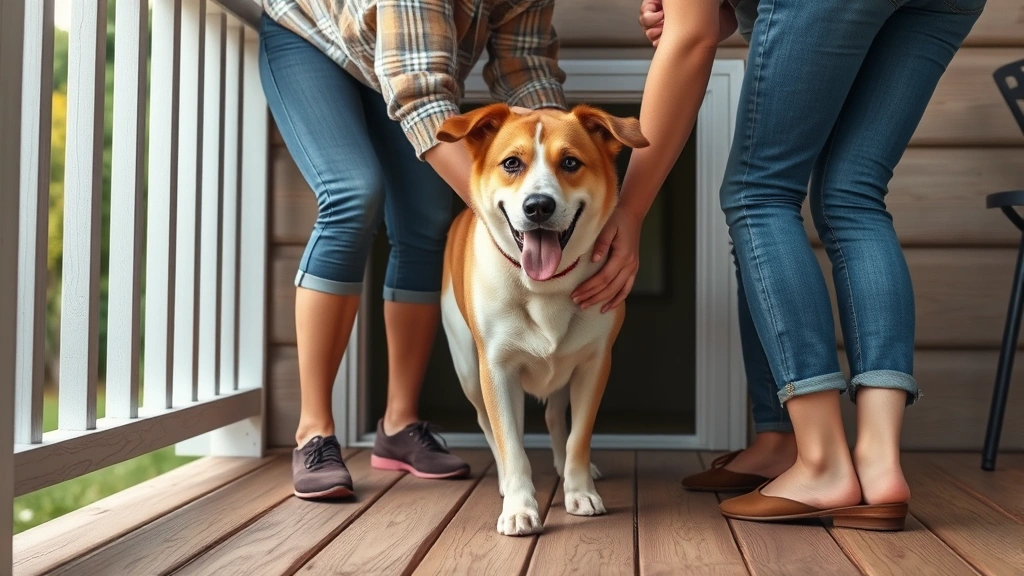
For larger dogs or serious stuck situations, having a second person makes everything easier. One person should provide treats and verbal encouragement while the other gently assists with extraction.
The assistant can support the dog’s hindquarters or chest, providing gentle forward or backward pressure while the first person guides with treats. This distributes the force and prevents injury. Never pull hard—this can cause muscle strain or joint damage. Instead, use coordinated, gentle movements.
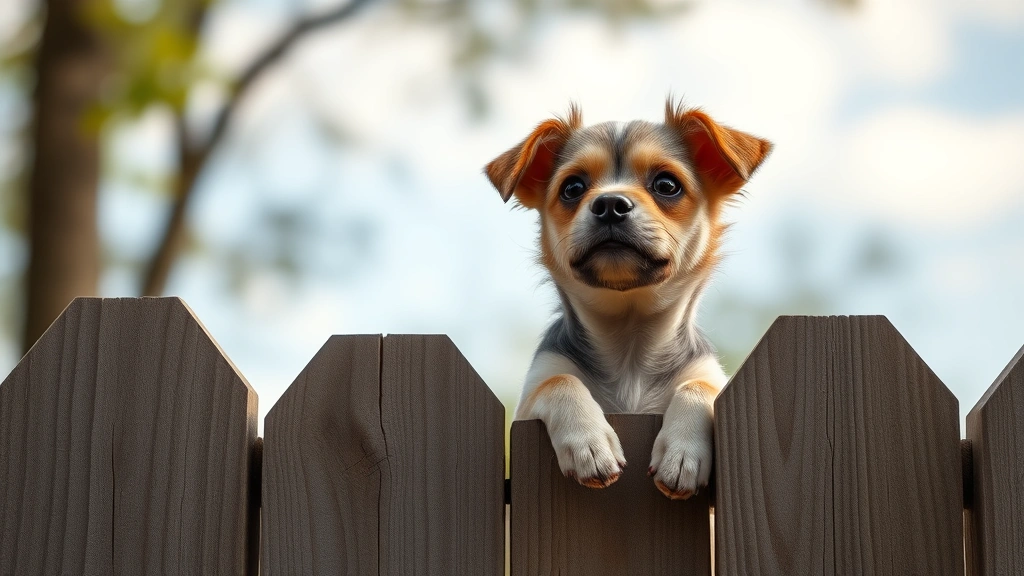
Communication between helpers is crucial. Establish a signal system: “On three, we gently pull,” or “I’m going to support his rear while you guide his front.” This prevents jerky movements that could panic your dog or cause injury.
Method 5: When to Call a Professional
If your dog has been stuck for more than 15-20 minutes, seems in pain, is unable to breathe properly, or if you’ve tried the above methods without success, it’s time to call for backup. Contact your veterinarian or local animal control.
A virtual pet checkup might help you assess whether the situation requires emergency care, but in-person evaluation is better for physical extraction situations. Emergency vets have specialized tools and expertise for complicated extractions.
Fire departments handle stuck dog calls regularly, and they genuinely don’t mind. It’s part of the job, and they’re really good at it. Never feel embarrassed about calling them—your dog’s safety is what matters.
Prevention: Stop the Stuckness Before It Starts
The best unsticking method is prevention. Dog-proof your home and yard by identifying potential trap zones. Seal gaps between furniture and walls, repair fence holes, and block access to crawlspaces.
Supervise your dog during outdoor time, especially puppies and curious breeds. Provide appropriate outlets for their digging and squeezing instincts—like digging boxes or tunneling toys. Regular exercise reduces the urge to explore dangerous spaces out of boredom.
Training also helps. Teach a solid “come” command and practice recall regularly. A dog that responds reliably to commands is less likely to get into stuck situations in the first place.
Common Stuck Situations and Quick Fixes
Stuck in a fence: Check for protruding nails or wire. Gently work the dog backward while lubricating the stuck area. If the fence is damaged, you might need to remove boards.
Stuck between couch and wall: Move the couch. Seriously, it’s easier than anything else. Your furniture can shift; your dog’s spine can’t.
Stuck under a deck: Offer high-value treats to lure them out the way they came in. If they won’t budge, you might need to partially disassemble the deck or create a new exit.
Stuck in a hole: This usually requires gentle extraction assistance. Support their weight as you lift them out to prevent joint strain.
For ongoing health concerns after a stuck incident, remote pet health monitoring can help you track your dog’s recovery.
What NOT to Do When Your Dog Is Stuck
Panic is contagious. Your dog feeds off your stress, which makes them more anxious and harder to extract. Stay calm—your dog will follow your lead.
Don’t pull hard or jerk your dog free. This can cause muscle tears, joint injuries, or spinal damage. Gentle, steady pressure is always better than force.
Avoid using harsh chemicals or toxic lubricants. Stick to dog-safe options that won’t poison your pup if ingested during grooming.
Don’t leave your dog stuck for extended periods hoping they’ll work themselves free. Time matters in extraction situations.
Post-Extraction Care
After successfully unsticking your dog, do a thorough health check. Look for scrapes, wounds, or signs of pain. Clean any minor injuries and monitor for limping or behavioral changes.
If your dog seems traumatized, give them space and comfort. Some dogs need a few hours to recover emotionally from the experience. Avoid immediately forcing them back into the situation or scolding them—they were already stressed.
For concerns about constipation or internal injuries after a stuck incident, read our article on constipation in dogs to understand warning signs.
Watch for delayed reactions. Sometimes dogs develop anxiety about the location where they got stuck. Gradually reintroduce them to the space with positive experiences and treats.
Frequently Asked Questions
Can I use butter or cooking oil to unstick my dog?
Yes, both work as lubricants. Coconut oil, olive oil, and butter are all dog-safe options. Just use enough to reduce friction around the stuck area. Avoid excessive amounts, as your dog might slip around afterward, and large quantities of oil can cause digestive upset if ingested.
How long can a dog safely stay stuck?
If your dog is physically trapped with compromised breathing or circulation, this is an emergency requiring immediate action. For non-emergency stuck situations, attempt extraction for 15-20 minutes. If unsuccessful, call a professional. Prolonged stress can cause panic and injury.
Will my dog get stuck again in the same place?
Not necessarily. Many dogs learn from the experience and avoid the situation. However, some dogs don’t retain this lesson, especially if they were young or if the space is particularly appealing. Prevention through environmental modification is your best bet.
Should I punish my dog for getting stuck?
Absolutely not. Your dog didn’t get stuck on purpose. Punishment will only increase anxiety and make future stuck situations worse. Focus on prevention and positive reinforcement instead.
What if my dog is stuck and won’t come out for treats?
Fear or pain might be preventing them from responding. Try different treats, speak more softly, and give them time to calm down. If they’re truly unresponsive, this indicates a medical emergency requiring professional intervention.
Can I use soap to unstick my dog?
Soap reduces friction but can irritate skin and eyes. Stick with oils or commercial pet-safe lubricants. If you do use soap, rinse thoroughly afterward.
Conclusion: You’ve Got This
Getting your dog unstuck is rarely as dramatic as it seems in the moment. Most situations resolve with calm encouragement, treats, and patience. Start with the gentle approach, escalate to lubrication if needed, and don’t hesitate to call professionals if the situation becomes serious.
Remember that your dog isn’t being stubborn or stupid—they’re scared and confused. Your calm, compassionate response makes all the difference. Keep emergency vet numbers handy, dog-proof your space, and try not to laugh too hard at your pup’s next ridiculous predicament. After all, these stories make the best pet owner conversations.





