
If your pup’s breath could knock a vulture off a fence, you’re not alone—and yes, how to get rid of dogs bad breath is a legitimate concern for millions of dog owners. That stinky dog breath isn’t just unpleasant when your furry friend licks your face; it’s often a sign that something needs attention. The good news? Most cases of canine halitosis are totally preventable and treatable with the right approach.
Table of Contents
- Understanding Why Your Dog’s Breath Smells Like a Dumpster Fire
- Solution #1: Professional Dental Cleaning (The Nuclear Option)
- Solution #2: Daily Teeth Brushing (The Most Important Habit)
- Solution #3: Dietary Changes and Chewing Solutions
- Solution #4: Water Additives and Oral Supplements
- Solution #5: Regular Vet Check-ups (Don’t Skip This)
- The Role of Diet in Canine Halitosis
- Natural Remedies and Home Treatments
- When to Worry: Signs Your Dog Needs Immediate Vet Attention
- Creating a Long-Term Breath Management Plan
- Frequently Asked Questions
- Summary: Your Dog’s Path to Fresh Breath
Understanding Why Your Dog’s Breath Smells Like a Dumpster Fire
Before we dive into solutions, let’s talk about why your dog’s breath smells worse than a gym locker room. The primary culprit is plaque and tartar buildup on your dog’s teeth. Unlike humans, dogs don’t brush their teeth (unless you make them), so bacteria party like it’s 1999 in their mouths, producing sulfur compounds that smell absolutely heinous. This is why dog breath odor gets progressively worse without intervention.
Other common causes include diet, gum disease, kidney problems, and diabetes. Sometimes it’s just poor oral hygiene, but occasionally it’s your pup’s way of saying something’s genuinely wrong. That’s why ruling out health issues with your vet is always step one.
Solution #1: Professional Dental Cleaning (The Nuclear Option)
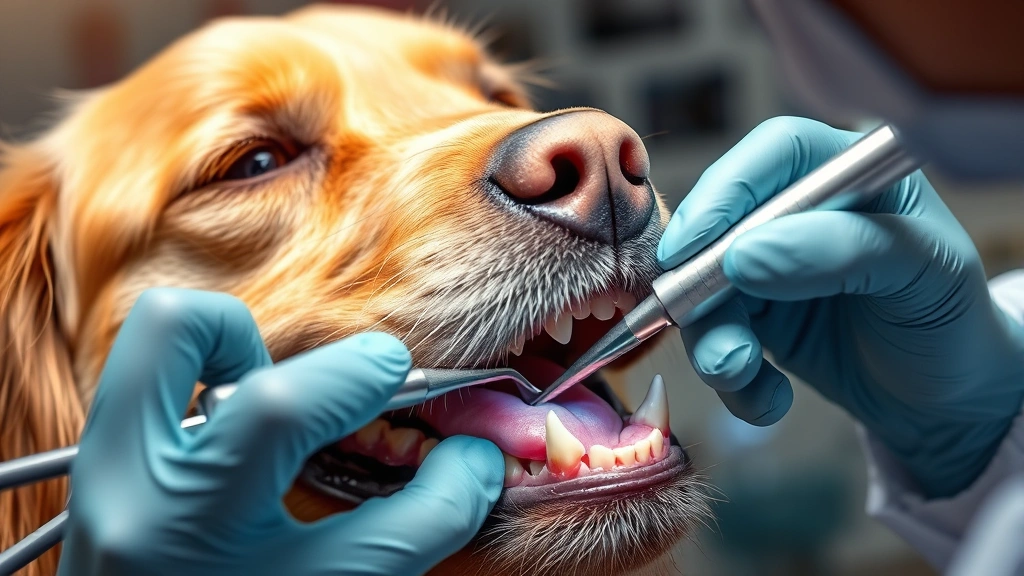
Let’s be real—professional dental cleaning is the gold standard for tackling severe bad breath in dogs. Your vet will anesthetize your dog, scrape away tartar and plaque, and send your pup home with a mouth that feels brand new. It’s not cheap (typically $300-$800), but it’s often the most effective solution.
After a professional cleaning, your dog’s breath will improve dramatically. The key is maintaining that improvement with consistent at-home care. Think of it as the foundation for everything else on this list. Many vets recommend annual cleanings for dogs prone to plaque buildup, though some dogs do fine with every other year.
Solution #2: Daily Teeth Brushing (The Most Important Habit)
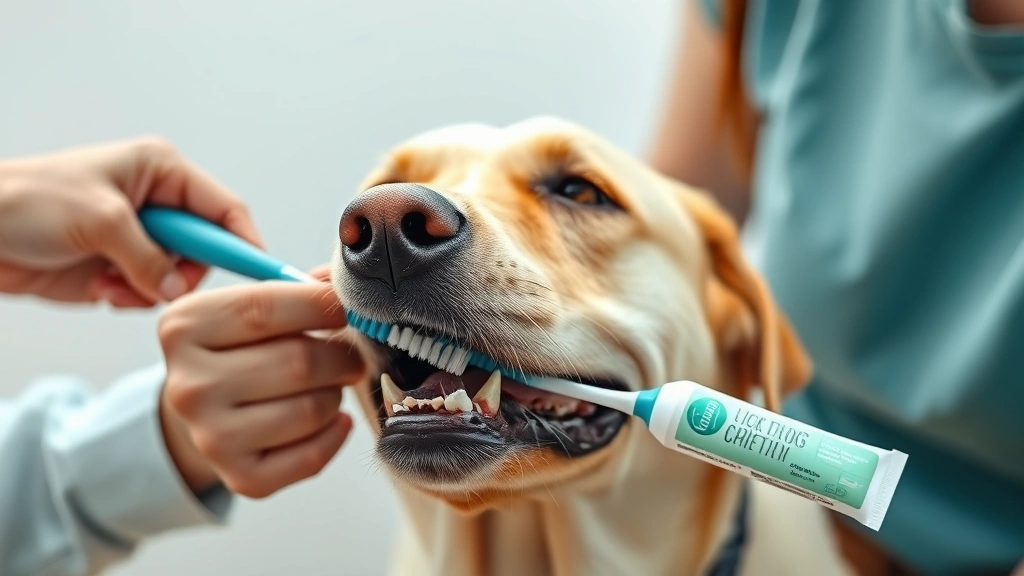
Yeah, we know—brushing your dog’s teeth sounds about as fun as a root canal. But here’s the thing: it’s genuinely the most effective preventative measure for eliminating dog breath naturally. Aim for daily brushing, but even three times a week makes a huge difference.
Use a dog-specific toothpaste (human toothpaste contains fluoride that’s toxic to dogs—yikes). Get your pup used to it gradually. Start by letting them lick the toothpaste off your finger, then progress to gentle brushing. Most dogs warm up to it eventually, especially if you make it a positive experience with praise and treats.
Pro tip: Electric toothbrushes designed for dogs are more effective than manual ones and require less elbow grease on your part. Your arms will thank you.
Solution #3: Dietary Changes and Chewing Solutions
What goes in directly affects what comes out—and what smells. Low-quality dog foods with lots of fillers and artificial ingredients can contribute to bad breath. Consider switching to a higher-quality diet with real meat as the primary ingredient.
Additionally, certain foods naturally help clean teeth. Raw carrots and apples work as natural abrasives. Just make sure they’re on the safe list—check out our guide on safe fruits for dogs to ensure you’re not accidentally feeding something toxic.
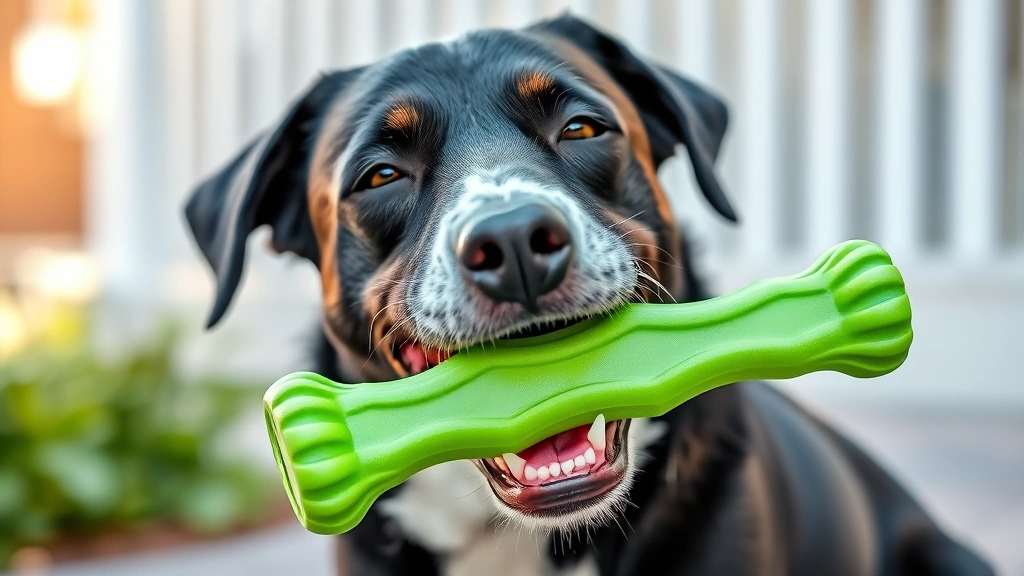
Dental chews and toys designed to reduce plaque are also game-changers. Products like Greenies, bully sticks, and rubber chew toys encourage chewing, which mechanically cleans teeth. Your dog gets to have fun while improving their oral health—it’s a win-win.
Solution #4: Water Additives and Oral Supplements
Water additives are an easy, low-effort way to support your dog’s oral health. These products contain enzymes that reduce bacteria in the mouth and freshen breath. Just add them to your dog’s water bowl daily—no brushing required (though you should still brush when possible).
Oral probiotics specifically designed for dogs can also help balance mouth bacteria. Look for products with ingredients like glucose oxidase, which breaks down the sulfur compounds responsible for stinky breath. Some supplements also contain chlorophyll, a natural breath freshener.
These aren’t magic bullets, but they’re excellent supplementary tools when combined with other strategies. Think of them as the supporting cast to the main event of brushing and professional cleanings.
Solution #5: Regular Vet Check-ups (Don’t Skip This)
Sometimes bad breath is your dog’s way of saying “Hey, something’s wrong down here.” Gum disease, tooth decay, kidney disease, and diabetes can all cause halitosis. Your vet can identify these issues during a routine examination before they become serious problems.
Schedule annual check-ups, and mention the breath issue specifically. Your vet might recommend blood work or other diagnostics if they suspect systemic disease. Catching these problems early makes treatment easier and cheaper in the long run.
The Role of Diet in Canine Halitosis
Your dog’s diet plays a bigger role in breath quality than most owners realize. Dry kibble is generally better for teeth than wet food because the chewing action provides some mechanical cleaning. However, not all kibble is created equal.
High-quality, grain-free diets with real meat tend to produce better breath than budget brands loaded with corn and soy. If your dog has a sensitive stomach, check out our article on human foods for pets with sensitive stomachs to ensure dietary changes don’t cause digestive issues.
Avoid feeding your dog table scraps, especially fatty or sugary foods that promote bacterial growth. And always check our harmful foods for dogs guide before sharing anything from your plate.
Natural Remedies and Home Treatments
While professional solutions are most effective, some natural remedies can help manage mild bad breath. Coconut oil has antibacterial properties—add a small amount to your dog’s food or use it as a toothpaste base. Parsley is another natural breath freshener; just sprinkle a bit on their food.
Bone broth (unsalted, no onions or garlic) can support oral health and overall wellness. Some owners swear by adding a bit to their dog’s meals. Raw bones (never cooked) also provide natural teeth cleaning, though supervise your dog to prevent choking.
That said, these remedies work best as supplements to proper dental care, not replacements. Your dog still needs brushing and professional cleanings for serious halitosis.
When to Worry: Signs Your Dog Needs Immediate Vet Attention
Most bad breath is annoying but harmless. However, certain signs indicate a more serious problem requiring immediate veterinary care. If your dog’s breath suddenly becomes unbearably foul, if they’re drooling excessively, if their gums are bleeding or swollen, or if they’re having trouble eating—get them to the vet ASAP.
Severe halitosis combined with lethargy, weight loss, or increased thirst could signal kidney disease or diabetes. These conditions need professional diagnosis and treatment. Your vet will perform blood work and oral exams to identify the underlying cause.
Creating a Long-Term Breath Management Plan
Getting rid of your dog’s bad breath isn’t a one-time fix; it’s an ongoing commitment. Here’s a realistic long-term plan:
- Daily: Brush teeth (or at least 3-4 times weekly), add water additives, provide dental chews
- Monthly: Evaluate breath improvement, adjust diet if needed
- Annually: Professional dental cleaning and vet check-up
- As needed: Supplement with oral probiotics or natural remedies
This multi-pronged approach addresses bad breath from every angle. Most dogs see significant improvement within 2-3 weeks of starting a consistent routine.
Frequently Asked Questions
Is bad breath in dogs normal?
Some mild odor is normal, but truly foul breath isn’t. If your dog’s breath smells like death warmed over, it’s time to investigate. Most cases indicate plaque buildup or dietary issues, both of which are correctable.
Can I use human toothpaste on my dog?
Absolutely not. Human toothpaste contains fluoride and xylitol, both toxic to dogs. Always use dog-specific toothpaste, which typically contains enzymes that break down plaque and comes in flavors dogs actually enjoy.
How often should I get my dog’s teeth professionally cleaned?
Most vets recommend annual cleanings, though some dogs need them more frequently. Your vet can assess your individual dog’s needs based on breed, age, and oral health status. For more information on dietary support between cleanings, see our guide on bland diet recipes for sick pets.
What’s the best dental chew for bad breath?
Greenies, bully sticks, and dental-specific rawhide chews are all effective. Look for products approved by the Veterinary Oral Health Council (VOHC). The best chew is one your dog will actually use regularly.
Can diet alone fix bad breath?
Diet helps, but it’s rarely enough on its own for significant halitosis. Combine dietary improvements with brushing, professional cleanings, and dental chews for best results.
Does bad breath mean my dog has tooth decay?
Not necessarily. While tooth decay causes bad breath, so do plaque buildup, gum disease, and systemic health issues. Only a vet can determine the exact cause through examination.
Summary: Your Dog’s Path to Fresh Breath
Getting rid of your dog’s bad breath requires a multi-faceted approach, but the effort is absolutely worth it. Start with a professional dental cleaning if the problem is severe, then commit to daily brushing as your foundation. Supplement with dietary improvements, dental chews, and water additives. Schedule regular vet check-ups to catch any underlying health issues early.
Most importantly, be consistent. Your dog’s oral health won’t improve overnight, but with dedication, you’ll notice fresher breath within weeks. Your pup will reward you with better health and more pleasant face licks. That’s a win in anyone’s book.
Remember, how to get rid of dogs bad breath isn’t a mystery—it’s just a matter of understanding the causes and committing to the solutions. Your dog’s mouth (and your nose) will thank you.





