
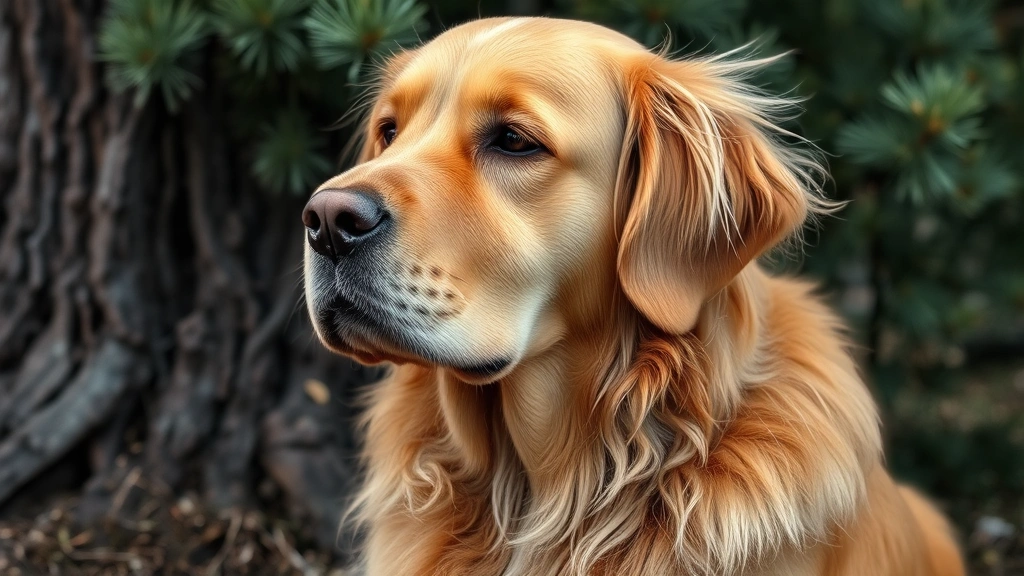
If your furry friend has gotten into a sticky situation with tree sap, how to get sap out of dog fur becomes your immediate priority—and honestly, it’s way more manageable than you’d think. Tree sap is one of those annoying substances that can matted into your dog’s coat faster than they can say “squirrel,” but the good news is that you don’t need to panic or rush to the groomer’s office just yet.
Table of Contents
- Why Tree Sap Gets Stuck in Dog Fur
- Method 1: The Peanut Butter Power Move
- Method 2: Coconut Oil for the Natural Approach
- Method 3: Rubbing Alcohol for Stubborn Sap
- Method 4: Olive Oil and Patience
- Method 5: Commercial Pet Sap Remover Products
- Step-by-Step Removal Process
- Prevention: The Best Medicine
- When to Call a Professional Groomer
- Aftercare and Coat Maintenance
- Common Mistakes to Avoid
- Frequently Asked Questions
- Summary: You’ve Got This!
We’ve all been there: your pup comes back from a woodland adventure looking like they’ve been dipped in nature’s glue. Pine sap, tree resin, and sticky residue can turn a beautiful coat into a tangled mess in minutes. But here’s the thing—most pet parents don’t realize that removing sap from dog fur is actually pretty straightforward with the right approach and a little patience.
Why Tree Sap Gets Stuck in Dog Fur
Before we dive into the removal methods, let’s understand why tree sap clings to your dog’s coat like it’s got a personal vendetta. Tree sap is a natural adhesive that hardens when exposed to air, making it incredibly sticky. Dogs with longer coats or curly fur are especially vulnerable because the sap can weave between individual strands and create stubborn mats.
The longer the sap sits in your dog’s fur, the harder it becomes to remove. This is why quick action is your best friend when it comes to sap removal. Most sap removal for dogs works best within the first few hours of contact.
Method 1: The Peanut Butter Power Move
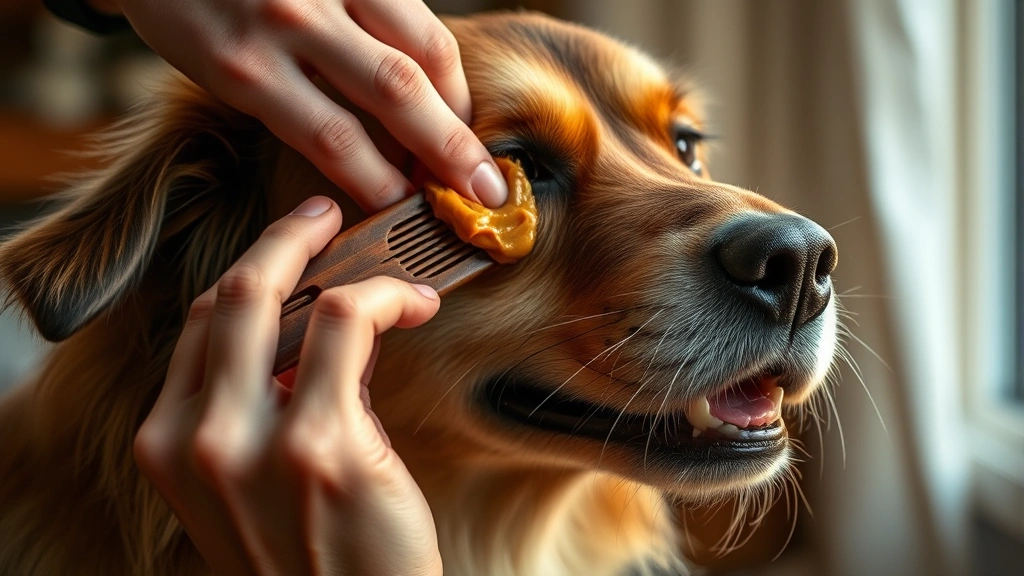
Yes, you read that right—peanut butter isn’t just for dog treats. This creamy kitchen staple is one of the most effective solutions for dog fur sap removal because the oils in peanut butter break down the adhesive properties of tree sap.
Here’s how to use it: Apply natural, creamy peanut butter (avoid xylitol-containing brands, which are toxic to dogs) directly to the sap-affected area. Let it sit for about 5-10 minutes, then gently work it through the fur with your fingers or a comb. The sap should start to ball up and separate from the hair. Once you’ve removed the bulk of the sap, wash the area thoroughly with warm water and dog shampoo.
The best part? Your dog will think you’re the coolest pet parent ever, even if they do end up with a peanut butter facial in the process.
Method 2: Coconut Oil for the Natural Approach
If you’re looking for a gentler, all-natural option, coconut oil is your answer. This versatile oil works similarly to peanut butter but has the added benefit of being great for your dog’s skin and coat health. In fact, incorporating coconut oil into your routine is a smart move—check out our guide on skin and coat health foods for more information on maintaining a healthy coat.
Apply virgin coconut oil directly to the sap, massage it in gently, and wait 10-15 minutes. The warmth of your hands and the oil’s natural properties will help dissolve the sap. Comb through carefully, and the sap should come right out. Follow up with a thorough wash using warm water and your regular dog shampoo.
Method 3: Rubbing Alcohol for Stubborn Sap
For those particularly stubborn patches of tree sap that won’t budge, rubbing alcohol is a game-changer. This method works because alcohol dissolves the resinous compounds in tree sap.
Dampen a clean cloth with rubbing alcohol and gently dab it onto the affected area. Let it sit for a minute or two, then use a fine-toothed comb to gently work through the sap. Be careful not to scrub aggressively—you want to be gentle to avoid irritating your dog’s skin. After removing the sap, rinse thoroughly with water and wash with dog shampoo to remove any alcohol residue.
Always test a small area first and avoid getting alcohol near your dog’s eyes or mouth. If your dog has sensitive skin, this method might not be the best choice.
Method 4: Olive Oil and Patience
Sometimes the simplest solutions are the best ones. Olive oil is a household staple that works wonders on tree sap and is completely safe for your pup. The key here is patience—this method takes a bit longer but is incredibly gentle.
Warm the olive oil slightly (not hot—test it on your wrist first), then apply it generously to the sap-covered area. Let it sit for 20-30 minutes, allowing the oil to penetrate and break down the sap’s stickiness. Gently comb through the fur, and the sap should start separating. You may need to repeat this process a couple of times for stubborn spots. Finish with a good wash using warm water and dog shampoo.
Method 5: Commercial Pet Sap Remover Products
If you prefer a ready-made solution, several commercial products are specifically designed to remove sap from pet fur. These products are formulated to be safe for dogs while being effective against tree sap and other sticky substances.
Follow the manufacturer’s instructions carefully, and always do a patch test first. Most commercial removers work similarly to the oil-based methods but may work faster. Many pet parents keep a bottle on hand during spring and summer when outdoor adventures are more frequent.
Step-by-Step Removal Process
Regardless of which method you choose, follow this general process for best results:
Step 1: Assess the damage. Determine how much sap is in the fur and whether it’s concentrated in one area or spread throughout.
Step 2: Choose your removal method based on what you have available and your dog’s skin sensitivity.
Step 3: Apply your chosen solution generously to the affected area.
Step 4: Wait the recommended time—don’t rush this step. Patience is crucial.
Step 5: Use a fine-toothed comb to gently work through the sap. Comb from the skin outward, not the other way around.
Step 6: Rinse thoroughly with lukewarm water.
Step 7: Wash with dog shampoo and dry completely.
For more information on proper coat care, check out our article on can you use human conditioner on dogs—it covers important details about post-treatment coat conditioning.
Prevention: The Best Medicine
While knowing how to remove sap is essential, preventing the problem in the first place is even better. During spring and early summer when tree sap is most active, try to keep your dog away from pine, fir, and other sap-producing trees.
If your dog loves outdoor adventures and you can’t avoid sap-prone areas, consider these prevention strategies: keep your dog’s coat well-groomed and conditioned, check their fur regularly after outdoor time, and consider using a dog coat or sweater in heavily wooded areas.
When to Call a Professional Groomer
In some cases, extensive sap matting might require professional intervention. If the sap has created large mats or covers a significant portion of your dog’s coat, a professional groomer has specialized tools and expertise to handle the situation without damaging your dog’s skin or coat.
Don’t feel bad about calling in reinforcements—sometimes it’s the best option for your pup’s comfort and safety. Professional groomers deal with all sorts of sticky situations (literally) and won’t judge you for needing help.
Aftercare and Coat Maintenance
After successfully removing the sap, your dog’s coat might need some TLC. The removal process, while necessary, can be a bit harsh on the fur. Consider using a moisturizing dog conditioner to restore shine and softness to the affected area.
Regular grooming, proper nutrition, and quality dog food all contribute to a healthy, resilient coat that’s less prone to matting and damage. Our guide on skin and coat health foods provides excellent information on nutrition-based coat care.
If you’re looking for ways to boost your dog’s overall health, consider making homemade treats with coat-supporting ingredients. Check out our pet treat recipes for some delicious and nutritious options.
Common Mistakes to Avoid
When removing sap from your dog’s fur, avoid these common pitfalls:
Don’t use hot water: This can actually make the sap stickier and cause it to set further into the coat.
Don’t pull or yank: Aggressive combing can damage the hair shaft and irritate your dog’s skin.
Don’t use human hair products: Stick to dog-specific products to avoid skin irritation.
Don’t ignore small spots: Small sap spots can turn into major mats if left untreated.
Don’t rush the process: Take your time with each step for the best results.
Frequently Asked Questions
Is tree sap dangerous for dogs?
Tree sap itself isn’t typically toxic, but it can cause discomfort and skin irritation if left in the coat for extended periods. The main concern is matting, which can pull on the skin and create hot spots. Always remove sap promptly to prevent these complications.
Can I use baby oil to remove sap from dog fur?
Yes, baby oil works similarly to olive oil and coconut oil. It’s safe for dogs and can effectively break down sap. Just make sure to wash it out thoroughly afterward, as it can leave the coat looking greasy.
How long does it take to remove sap from dog fur?
Depending on the method and amount of sap, the process typically takes 15-45 minutes. The peanut butter method is often the quickest, while the olive oil method takes longer but is gentler.
Will the sap damage my dog’s coat permanently?
In most cases, no. Once the sap is removed and the coat is properly cared for, it should return to normal. However, if the sap has caused significant matting or damage, the affected hair might need to be trimmed.
Can I prevent sap from sticking to my dog’s fur?
While you can’t make the fur completely sap-proof, keeping the coat well-groomed and conditioned can help. A healthy, well-maintained coat is more resistant to matting and damage.
Summary: You’ve Got This!
Getting sap out of your dog’s fur might seem like a daunting task, but with the right method and a little patience, it’s totally manageable. Whether you go with the peanut butter power move, coconut oil, rubbing alcohol, olive oil, or a commercial product, you have multiple effective options at your disposal.
The key is to act quickly, be gentle with your pup, and follow through with proper aftercare. Your dog will be back to their fluffy, sap-free self in no time. And remember, if you ever feel overwhelmed or the situation is beyond your comfort level, professional groomers are always there to help.
Keep your dog’s coat healthy and beautiful with proper nutrition and regular grooming. For more information on maintaining optimal coat health, don’t forget to explore our resources on skin and coat care. Your furry friend deserves the best, and now you know exactly how to handle one of nature’s stickiest situations!





