
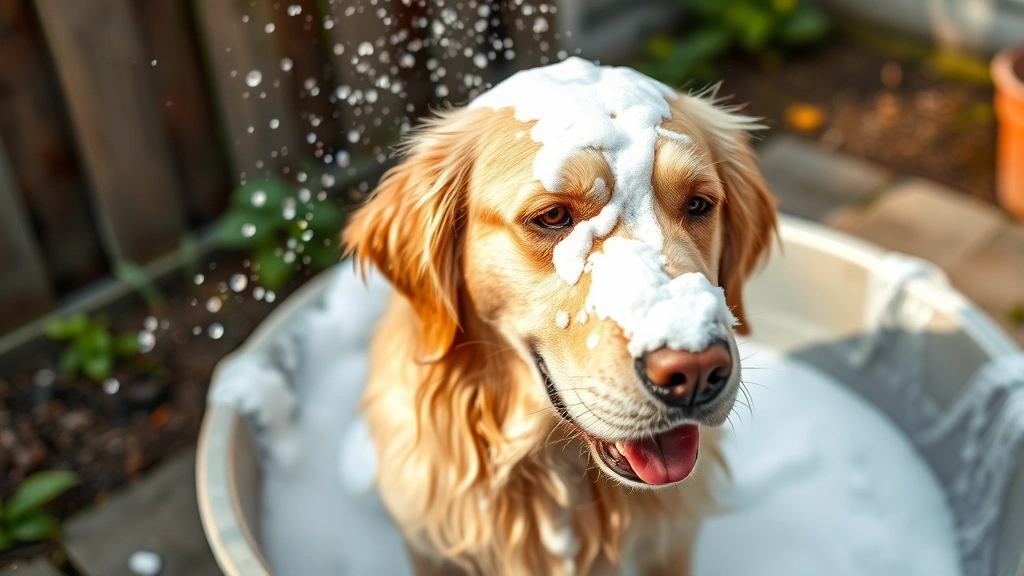
If you’re wondering how to get skunk smell off dog, you’re probably standing next to a very unfortunate pup right now, trying not to gag. Don’t panic—your dog isn’t permanently marinated in skunk juice, and this situation is absolutely fixable. I’ve got the real solutions that actually work, not those internet myths that’ll just waste your time and money.
Table of Contents
- Why Your Dog Got Skunked (And Why It Smells So Bad)
- Method 1: The Baking Soda and Hydrogen Peroxide Solution (Most Effective)
- Method 2: Tomato Juice (It’s a Myth, But Here’s Why)
- Method 3: Commercial Skunk Odor Removers
- Method 4: Vinegar and Baking Soda Rinse
- Method 5: Enzymatic Dog Shampoo Treatment
- What NOT to Do When Removing Skunk Smell
- Preventing Future Skunk Encounters
- When to Call the Vet
- Timeline: How Long Does Skunk Smell Last?
- FAQ: Your Skunk Smell Questions Answered
- Final Thoughts: Your Dog Will Survive This
Why Your Dog Got Skunked (And Why It Smells So Bad)
Skunks spray as a defense mechanism, releasing a cocktail of sulfur-containing compounds called thiols and thioacetates. These aren’t just stinky—they’re chemically stubborn. Regular soap and water won’t touch them because they’re oily and bond tightly to your dog’s fur and skin. The smell can linger for weeks if you don’t use the right approach. Your dog probably thought the skunk was just another furry friend to investigate, and well… lesson learned.
Method 1: The Baking Soda and Hydrogen Peroxide Solution (Most Effective)
This is the gold standard for removing skunk odor from dogs. The chemistry here actually works: hydrogen peroxide oxidizes the thiols, breaking down the sulfur compounds, while baking soda neutralizes the remaining odor.
What you’ll need:
- 1 quart of 3% hydrogen peroxide (the drugstore kind)
- ¼ cup baking soda
- 1 teaspoon of dish soap (any brand)
- Warm water
- Old towels (you won’t want these back)
Instructions:
- Mix the hydrogen peroxide, baking soda, and dish soap in a bowl until you get a paste-like consistency
- Work the mixture into your dog’s fur, avoiding the eyes, nose, and mouth—this stuff stings
- Let it sit for 5-10 minutes (your dog will hate you temporarily)
- Rinse thoroughly with warm water
- Repeat if necessary
Pro tip: Do this outside or in the bathtub. Your bathroom will smell like a chemistry lab, but it beats the alternative.
Method 2: Tomato Juice (It’s a Myth, But Here’s Why)
Your grandmother probably told you to use tomato juice. Here’s the truth: it doesn’t actually neutralize skunk smell. What it does is mask the odor temporarily with a stronger smell. It’s not a real solution, but if you’re desperate and have tomato juice on hand, it’ll work for a few hours while you gather supplies for the real deal. Just don’t rely on it as your final solution.
Method 3: Commercial Skunk Odor Removers
Products specifically designed for skunk smell removal exist and many actually work. Brands like Nature’s Miracle Skunk Odor Remover and Thornell Skunk-Off are formulated with enzymes and oxidizing agents that break down those stubborn thiols.
Benefits:
- Easier to apply than mixing your own solution
- Specifically formulated for skunk compounds
- Usually less messy
The downside? They’re pricier than the DIY method, and you might not have them on hand during a skunk emergency. Keep one in your garage if you live in an area with skunk activity.

Method 4: Vinegar and Baking Soda Rinse
This is a gentler alternative if your dog has sensitive skin. While not as effective as the hydrogen peroxide method, it can reduce odor significantly.
Mix:
- 1 cup apple cider vinegar
- 2 cups water
- 2 tablespoons baking soda
Apply to your dog’s coat, let sit for 5 minutes, then rinse. The vinegar smell will fade as it dries, taking some of the skunk odor with it. This method works best when combined with a regular dog shampoo afterward.
Method 5: Enzymatic Dog Shampoo Treatment
After using one of the above methods, follow up with an enzymatic dog shampoo. These contain protease enzymes that break down organic compounds, including residual skunk odor molecules. Brands like Earthbath and Burt’s Bees make good enzymatic options that won’t dry out your dog’s skin.
This step is crucial for complete odor elimination and helps restore your dog’s skin and coat health after the trauma of being sprayed and treated.
What NOT to Do When Removing Skunk Smell
Let me save you from some common mistakes:
- Don’t use bleach: It’s toxic to dogs and won’t even work on skunk smell
- Don’t use vinegar alone: It masks the smell but doesn’t eliminate it
- Don’t bathe with regular shampoo first: Water opens the hair cuticles and spreads the skunk oil around—you’ll make it worse
- Don’t use perfume or cologne: You’ll just create a nauseating skunk-and-Axe-body-spray combo
Preventing Future Skunk Encounters
An ounce of prevention beats a pound of skunk removal:
- Keep your dog on a leash during dawn and dusk (prime skunk hours)
- Secure your trash cans—skunks are scavengers
- Remove pet food from outside
- Don’t leave your dog unsupervised in the yard at night
- Consider motion-activated lights to deter skunks
When to Call the Vet
Most skunk sprays are just smelly, not dangerous. However, when to call the vet about a skunk encounter includes:
- If your dog was sprayed in the eyes—flush with water and call immediately
- If your dog shows signs of illness (vomiting, letharness, loss of appetite)
- If your dog has open wounds or skin irritation
- If the smell persists after multiple treatments (could indicate a different issue)
Your vet can also provide prescription medicated shampoos if your dog’s skin becomes irritated from the spray or treatment.
Timeline: How Long Does Skunk Smell Last?
Without treatment, skunk smell can linger for 2-3 weeks. With proper treatment using the hydrogen peroxide and baking soda method, you can eliminate most of it in one or two applications. Some faint odor might persist for a few days, but it’ll be manageable. The thioacetates in skunk spray can also be released when your dog gets wet or sweaty, so expect occasional smell resurgences for up to two weeks even after treatment.
FAQ: Your Skunk Smell Questions Answered
Can I use human shampoo to wash off skunk smell?
No. Human shampoo isn’t formulated for dog skin pH and won’t break down skunk compounds. Stick with dog-specific products or the hydrogen peroxide and baking soda solution.
Is skunk spray toxic to dogs?
Skunk spray itself isn’t typically toxic, but it can cause temporary eye irritation, nausea, and mild respiratory irritation. If ingested in large quantities, it could cause digestive upset. Most dogs recover fine with just the smell as their punishment.
How long should I wait before bathing my dog after skunk spray?
Don’t wait. Bathe immediately with one of the methods listed above. The longer you wait, the more the odor compounds bond to your dog’s fur.
Will my dog get skunked again?
Probably not immediately—most dogs learn their lesson. But some stubborn pups need multiple encounters to understand that skunks aren’t friends. Prevention is your best bet.
Can I use the hydrogen peroxide solution on my dog’s face?
Absolutely not. Avoid the eyes, nose, and mouth entirely. Use a damp cloth with diluted vinegar solution for the face area instead.
Does the baking soda and hydrogen peroxide solution work on furniture?
Yes! The same formula works on couches, bedding, and carpets. Just don’t let it sit as long—5 minutes max—and test on a hidden area first.
Final Thoughts: Your Dog Will Survive This
Getting skunk smell off your dog isn’t fun, but it’s totally manageable with the right approach. The hydrogen peroxide and baking soda method is your best friend here—it’s cheap, effective, and you probably have most of the ingredients already. Your dog will forgive you for the bath, the smell will fade, and this will become a hilarious story you tell at the dog park. Just make sure to keep your pup on a leash during prime skunk hours from now on. Trust me, once is enough.





