

When your beloved canine companion ingests something toxic or harmful, knowing how to safely induce vomiting can be a life-saving skill. However, this emergency procedure should only be performed under specific circumstances and with extreme caution. Understanding when, how, and when NOT to make your dog vomit is crucial for every pet owner’s emergency toolkit.
This comprehensive guide will walk you through the safe methods of inducing vomiting in dogs, the critical situations that warrant this action, and the important safety considerations you must understand before attempting this procedure. Remember, while this information can be invaluable in emergencies, veterinary consultation should always be your first priority when possible.
When to Induce Vomiting in Dogs
Inducing vomiting should only be considered when your dog has recently consumed a toxic substance and it’s been less than 2 hours since ingestion. The ASPCA Animal Poison Control Center emphasizes that timing is crucial – the sooner you act, the more effective the procedure will be.
Common scenarios where inducing vomiting may be appropriate include when your dog has consumed chocolate, grapes, raisins, xylitol (artificial sweetener), certain medications, or other known toxins. If you’re dealing with chocolate ingestion specifically, understanding what to do if dog eats chocolate can provide additional guidance for this common emergency.
Before attempting to induce vomiting, always contact your veterinarian or a pet poison control hotline. They can provide specific guidance based on what your dog consumed, how much, and your pet’s size and health status. The professionals at these hotlines have extensive knowledge about which substances require immediate vomiting induction and which require different treatment approaches.
It’s also important to note that inducing vomiting is most effective when the substance is still in the stomach and hasn’t moved into the small intestine. This typically occurs within the first 30 minutes to 2 hours after ingestion, depending on the substance and your dog’s individual digestive timeline.
When NOT to Induce Vomiting
There are several critical situations where inducing vomiting can cause more harm than good. Never attempt to make your dog vomit if they have consumed caustic substances like bleach, drain cleaners, or other corrosive chemicals. These substances can cause additional damage to the esophagus and throat when brought back up.
Sharp objects should also never be vomited up, as they can cause severe internal injuries during the process. If your dog has swallowed bones, glass, or metal objects, seek immediate veterinary care instead. The American Veterinary Medical Association provides comprehensive guidelines on when veterinary intervention is the safer option.
Additionally, never induce vomiting if your dog is unconscious, having difficulty breathing, showing signs of severe distress, or if more than 2 hours have passed since ingestion. Dogs with certain medical conditions, such as megaesophagus or those who have recently undergone surgery, should not be made to vomit without professional veterinary guidance.
Petroleum products like gasoline, kerosene, or motor oil should never be vomited up due to the risk of aspiration pneumonia. These substances can be even more dangerous if they enter the lungs during the vomiting process.
Safe Methods for Inducing Vomiting
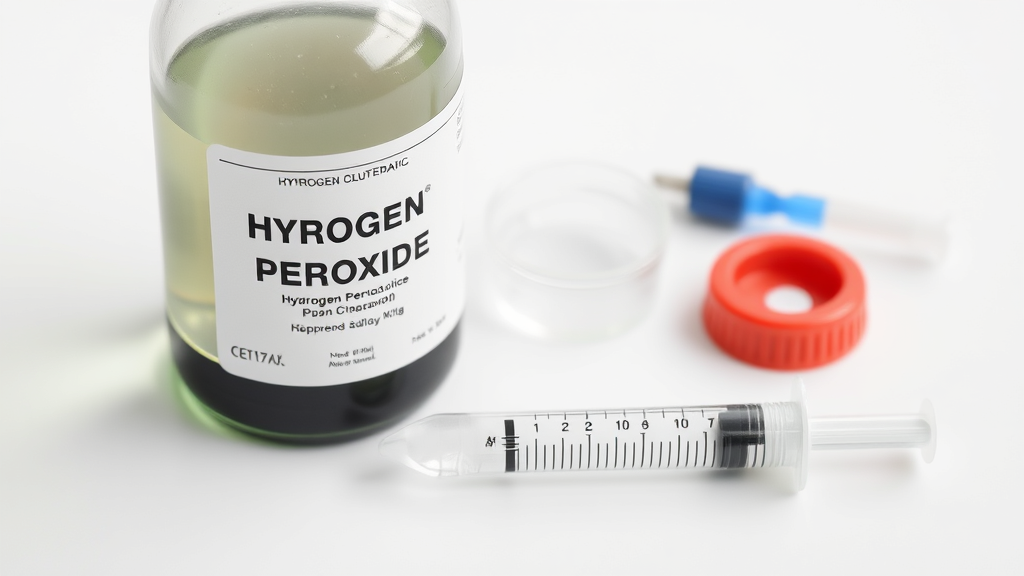
When veterinary guidance confirms that inducing vomiting is appropriate, there are only a few safe methods recommended by veterinary professionals. The most widely accepted and safest method involves using 3% hydrogen peroxide, which is commonly found in most household first aid kits.
It’s crucial to understand that many home remedies commonly suggested online are dangerous and should never be used. Salt, mustard, ipecac syrup, and dish soap can all cause additional toxicity or complications. Stick only to veterinary-approved methods and dosages.
Before beginning any procedure, ensure you have the necessary supplies ready: 3% hydrogen peroxide, a large syringe or turkey baster for administration, towels for cleanup, and your veterinarian’s contact information. Having everything prepared will help you act quickly and efficiently during this stressful situation.
For comprehensive information about how to induce vomiting in dogs, always consult current veterinary resources and follow professional guidance tailored to your specific situation.
The Hydrogen Peroxide Method
The 3% hydrogen peroxide method is the gold standard for safely inducing vomiting in dogs when recommended by a veterinary professional. The standard dosage is 1 teaspoon per 5 pounds of body weight, with a maximum dose of 3 tablespoons for larger dogs. This calculation is critical – too little won’t be effective, while too much can cause additional complications.
To administer the hydrogen peroxide, use a large syringe without a needle or a turkey baster to squirt the solution into the back of your dog’s mouth. Gently hold their muzzle closed and stroke their throat to encourage swallowing. The Pet Poison Helpline provides detailed step-by-step instructions for this procedure.
After administration, encourage your dog to walk around gently, as light activity can help stimulate the vomiting process. Vomiting should occur within 10-15 minutes of administration. If vomiting doesn’t occur within 15 minutes, you may repeat the dose once, but never exceed two total doses.
Monitor your dog closely throughout this process. If you’re learning how to make your dog throw up, remember that the goal is to remove the toxic substance quickly and safely while minimizing stress to your pet.

What to Do After Your Dog Vomits
Once your dog has successfully vomited, carefully examine the vomited material to confirm that the toxic substance has been expelled. Take photos if possible, as this information can be valuable for your veterinarian. Clean up the area immediately to prevent your dog or other pets from re-ingesting the expelled material.
Provide your dog with small amounts of fresh water to help rinse their mouth and prevent dehydration, but avoid giving large quantities immediately after vomiting. Monitor your pet closely for any signs of continued distress, difficulty breathing, or other concerning symptoms.
Even after successful vomiting, it’s important to follow up with your veterinarian. Some toxins may have already been absorbed, and additional treatment such as activated charcoal or IV fluids might be necessary. The FDA’s guidance on pet poisoning emphasizes the importance of professional follow-up care.
Keep a close eye on your dog for the next 24-48 hours, watching for any unusual symptoms. Sometimes dogs may experience delayed reactions or complications from both the original toxin and the vomiting process itself. Understanding why is my dog throwing up can help you distinguish between normal post-procedure effects and concerning symptoms.
Emergency Veterinary Contacts
Having emergency contact information readily available is crucial for any pet poisoning situation. Program these numbers into your phone and keep them in an easily accessible location in your home. The ASPCA Animal Poison Control Center (1-888-426-4435) operates 24/7 and can provide immediate guidance for poisoning emergencies.
Your local emergency veterinary clinic should also be on your emergency contact list. Many areas have 24-hour animal hospitals that specialize in emergency and critical care. Research these facilities in advance so you know exactly where to go if immediate veterinary care is needed.
The Pet Poison Helpline (1-855-764-7661) is another valuable resource that provides 24/7 support for pet poisoning emergencies. They work directly with veterinarians and can provide detailed treatment protocols based on the specific toxin involved.
Consider creating an emergency information sheet that includes your dog’s weight, age, medical conditions, current medications, and your veterinarian’s contact information. Having this information organized and easily accessible can save precious time during an emergency situation.
Prevention and Safety Measures
Prevention is always better than treatment when it comes to pet poisoning. Dog-proofing your home involves securing potential toxins in cabinets with childproof locks, keeping medications in secure containers, and being mindful of foods that are toxic to dogs. Understanding which foods are dangerous, such as learning about can dogs eat onions or can dogs have raisins, is essential for prevention.
Regularly inspect your home and yard for potential hazards, including plants that may be toxic to dogs, chemicals used for cleaning or maintenance, and small objects that could be swallowed. The Humane Society provides comprehensive lists of common household items that pose risks to pets.
Training your dog with commands like “leave it” and “drop it” can be invaluable in preventing poisoning incidents. These commands can stop your dog from consuming something dangerous before it becomes a medical emergency. Consistent training and positive reinforcement make these commands more reliable when you need them most.
Consider the specific risks in your area, such as seasonal toxins like antifreeze in winter or certain plants that may be more prevalent in your region. Staying informed about why cant dogs have chocolate and other common toxins helps you make informed decisions about your dog’s environment and safety.
Frequently Asked Questions
How long does it take for hydrogen peroxide to make a dog vomit?
Hydrogen peroxide typically causes vomiting within 10-15 minutes of administration. If your dog doesn’t vomit within 15 minutes, you may repeat the dose once, but never exceed two total doses. If vomiting still doesn’t occur after the second dose, contact your veterinarian immediately for alternative treatment options.
What should I do if my dog won’t vomit after giving hydrogen peroxide?
If your dog doesn’t vomit after two doses of hydrogen peroxide, do not give additional doses. Contact your veterinarian or emergency animal clinic immediately. They may need to use professional-grade medications to induce vomiting or may recommend alternative treatments such as activated charcoal or gastric lavage.
Can I use salt or other household items to make my dog vomit?
No, never use salt, mustard, dish soap, or ipecac syrup to induce vomiting in dogs. These substances can cause additional toxicity, electrolyte imbalances, or other serious complications. Only use 3% hydrogen peroxide as recommended by veterinary professionals, and only when specifically advised to do so.
Is it safe to induce vomiting if my dog ate chocolate several hours ago?
Generally, inducing vomiting is most effective within 2 hours of ingestion. If more than 2 hours have passed, the toxic substance may have moved beyond the stomach, making vomiting less effective and potentially more dangerous. Contact your veterinarian for guidance, as they may recommend alternative treatments based on the timing and amount consumed.
What signs indicate that I should take my dog to the vet immediately instead of inducing vomiting?
Seek immediate veterinary care if your dog is unconscious, having difficulty breathing, showing severe neurological symptoms, has consumed caustic substances or sharp objects, or if you’re unsure about what they ingested. Additionally, if your dog has underlying health conditions or is showing signs of severe distress, professional intervention is safer than home treatment.
How can I tell if my dog has successfully expelled the toxic substance?
Examine the vomited material carefully to look for evidence of the ingested substance. Take photos if possible for your veterinarian. However, even if you see some of the substance, it’s important to follow up with professional care, as some toxin may have already been absorbed or additional treatment may be necessary.
What should I watch for after my dog vomits?
Monitor your dog for continued vomiting, difficulty breathing, lethargy, seizures, or other unusual symptoms. Some dogs may experience mild stomach upset after the procedure, but severe or persistent symptoms warrant immediate veterinary attention. If you notice why is my dog throwing up yellow bile or other concerning signs, contact your veterinarian promptly for guidance.





