
Let’s be real—if you’re searching for how to get smell of dog urine out of couch, you’re probably at your wit’s end. That pungent, lingering odor isn’t just unpleasant; it’s a sign that your beloved furry friend has claimed your favorite sitting spot as their personal bathroom. Whether it’s a one-time accident or a recurring nightmare, we’ve got the solutions to transform your couch from smelly disaster back to the furniture you actually want to sit on.
Table of Contents
- Why Dog Urine Smell Sticks Around (And Why It’s So Stubborn)
- Act Fast: The Immediate Response Strategy
- The Baking Soda Method: A Budget-Friendly Champion
- Enzymatic Cleaners: The Scientific Solution
- Vinegar and Water Solution: The DIY Powerhouse
- Hydrogen Peroxide Treatment for Deeper Penetration
- Professional Upholstery Cleaning: When DIY Isn’t Enough
- Preventing Future Accidents: The Real Solution
- Understanding Your Dog’s Bathroom Behavior
- Protecting Your Investment: Couch-Saving Strategies
- Natural Alternatives and Eco-Friendly Options
- Frequently Asked Questions
- Summary: Your Action Plan
Why Dog Urine Smell Sticks Around (And Why It’s So Stubborn)
Before we tackle the cleanup, let’s understand the enemy. Dog urine contains uric acid crystals that bond to fabric fibers at a molecular level. These aren’t just surface-level stains—they embed themselves deep into upholstery, padding, and even the couch frame. The smell intensifies when the urine dries, and humidity can reactivate it, making your couch smell like a dog bathroom all over again. It’s frustrating, but understanding this chemistry helps us fight back effectively.
Act Fast: The Immediate Response Strategy
Timing is everything when dealing with fresh accidents. If you catch your pup mid-puddle or spot the accident within minutes, you’re in luck. Blot (don’t rub!) the affected area with paper towels or an old cloth to absorb as much urine as possible. Resist the urge to scrub—that just pushes the liquid deeper into the fabric. Once you’ve blotted up the excess, you can move on to deeper cleaning methods. Speed matters because fresh urine is easier to neutralize before those uric acid crystals fully set in.
The Baking Soda Method: A Budget-Friendly Champion
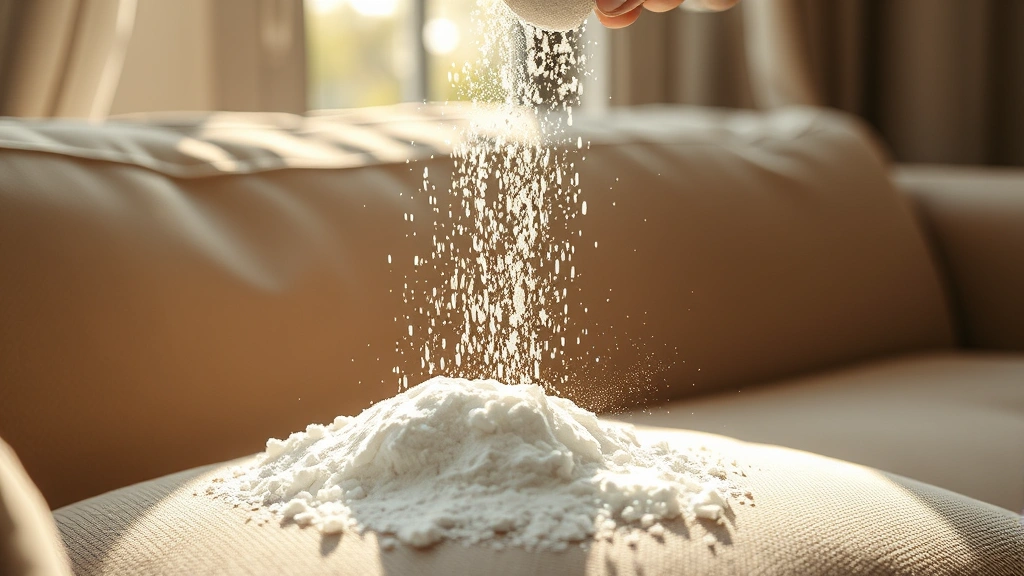
One of the most effective and affordable ways to eliminate dog urine odor is baking soda. This humble kitchen staple actually neutralizes odors rather than just masking them. Here’s the process: After blotting the area, sprinkle a generous amount of baking soda directly onto the affected spot. Let it sit for at least 12 hours—overnight is ideal. The longer it sits, the more odor it absorbs. Vacuum it up thoroughly, and you’ll notice a significant improvement. For stubborn smells, repeat this process two or three times. Many pet owners swear by this method because it’s non-toxic, safe around kids and pets, and costs just a few dollars.
Enzymatic Cleaners: The Scientific Solution
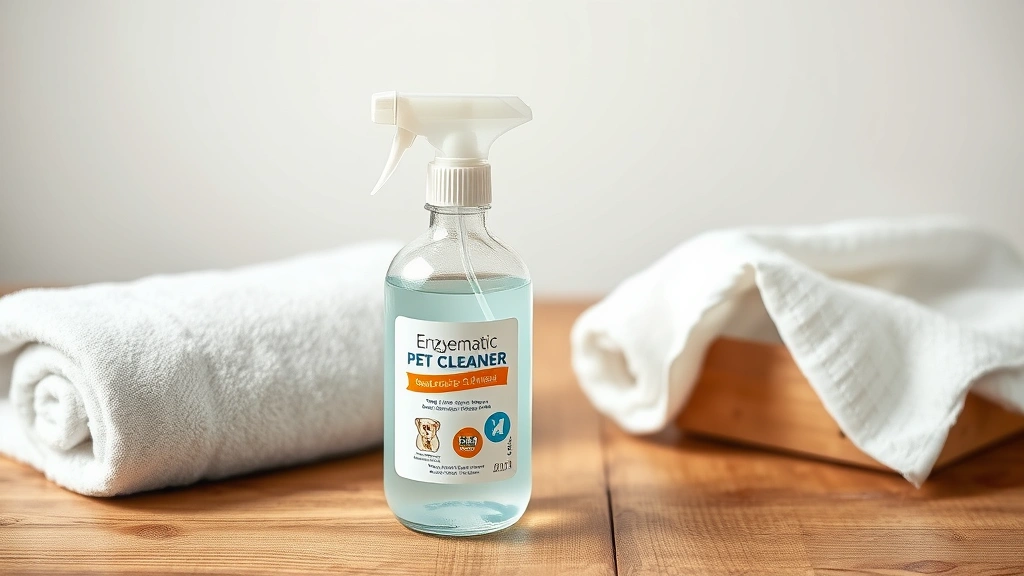
If baking soda alone doesn’t cut it, enzymatic cleaners are your secret weapon. These products contain natural enzymes that break down the uric acid crystals at their source, completely eliminating the odor rather than masking it. Products like Nature’s Miracle or Rocco & Roxie are specifically formulated for pet accidents. Apply the cleaner according to package directions, and let it work for the recommended time—usually 24-48 hours. The enzyme action is genuinely impressive; it’s like having a microscopic cleanup crew working on your couch. This method is particularly effective for old, set-in stains that regular cleaning has failed to address. For those concerned about pet health and safety, enzymatic cleaners are non-toxic and pet-safe, though you’ll want to check product labels.
Vinegar and Water Solution: The DIY Powerhouse
White vinegar is another surprisingly effective option for removing dog urine smell from furniture. Mix equal parts white vinegar and water in a spray bottle, then lightly spray the affected area. The vinegar smell will be strong initially—almost as bad as the urine—but don’t panic. As it dries, the vinegar odor disappears, taking the urine smell with it. This works because vinegar’s acidity helps break down uric acid. After spraying, blot the area with clean towels and allow it to air dry completely. Some people combine this method with baking soda for a one-two punch: apply the vinegar solution first, then sprinkle baking soda once it’s dry. This combination tackles the problem from multiple angles.
Hydrogen Peroxide Treatment for Deeper Penetration
For couches with serious, stubborn odor problems, hydrogen peroxide can be remarkably effective. Mix one part 3% hydrogen peroxide with two parts water and a few drops of dish soap. Test this solution on an inconspicuous area first to ensure it doesn’t bleach your fabric. Once you’ve confirmed it’s safe, apply it to the stained area and let it sit for 10-15 minutes. The hydrogen peroxide oxidizes the uric acid, breaking it down at a molecular level. Blot thoroughly with clean towels and allow the couch to dry completely. This method is more aggressive than vinegar or baking soda, so use it when gentler methods haven’t worked. Always ensure proper ventilation when using hydrogen peroxide.
Professional Upholstery Cleaning: When DIY Isn’t Enough
Sometimes, despite your best efforts, the smell persists. This is when professional upholstery cleaning becomes worth the investment. Professional cleaners have industrial-grade equipment and specialized solutions that penetrate deeper than anything you can do at home. They can also identify whether the urine has soaked through the fabric into the padding or frame—a situation that requires professional intervention. Many professional cleaners offer pet-specific odor removal services. While more expensive than DIY methods, it’s often cheaper than replacing your couch, especially if it’s a quality piece. Check reviews and ask about their experience with pet odor removal specifically.
Preventing Future Accidents: The Real Solution
Once you’ve conquered the smell, prevention becomes crucial. If your dog is having repeated accidents, a virtual pet checkup can rule out medical issues like urinary tract infections or incontinence. Behavioral issues might require additional training or more frequent bathroom breaks. Some pet owners find that using a waterproof couch cover designed for pet owners prevents urine from ever reaching the fabric in the first place. These covers are washable, affordable, and can save you from future odor nightmares. Additionally, establishing a consistent bathroom schedule and using positive reinforcement for outdoor bathroom breaks can significantly reduce accidents indoors.
Understanding Your Dog’s Bathroom Behavior
Sometimes dogs have accidents because of anxiety, marking territory, or simply not understanding house training rules. Understanding the root cause helps prevent future incidents. Puppies, senior dogs, and those with medical issues are more prone to accidents. If your dog is otherwise well-trained, a sudden change in bathroom habits warrants investigation. Stress, changes in routine, or health problems could be factors. Consulting with a veterinary behaviorist or certified dog trainer can provide insights specific to your situation. For those interested in overall pet wellness, understanding what not to feed your dog can also prevent digestive issues that might lead to accidents.
Protecting Your Investment: Couch-Saving Strategies
Beyond cleaning and prevention, protecting your couch from future accidents is smart thinking. Waterproof furniture protectors, washable slipcovers, and strategic furniture placement can all help. Some pet owners use deterrent sprays to discourage dogs from returning to previous accident spots—dogs are naturally drawn to areas where they’ve eliminated before because they recognize the scent. Breaking this cycle is important. Enzymatic cleaners eliminate the smell completely, making the spot less attractive to your pup. For those with multiple pets or a history of accidents, investing in pet-proof furniture or keeping your dog off the couch entirely might be the most practical solution.
Natural Alternatives and Eco-Friendly Options
If you prefer natural solutions, several options exist beyond vinegar and baking soda. Activated charcoal can absorb odors effectively—place bowls of it near the affected area or sprinkle it directly on the couch. Essential oils like lavender or lemon can mask remaining odors, though they shouldn’t replace thorough cleaning. Some pet owners swear by coffee grounds or crumpled newspaper for odor absorption. However, these methods work best in combination with enzymatic cleaning for maximum effectiveness. Always ensure any treatment is pet-safe, as some essential oils and natural products can be toxic to dogs. When in doubt, consult your veterinarian before applying anything to furniture your dog frequents.
Frequently Asked Questions
How long does it take to remove dog urine smell from a couch?
The timeline depends on the cleaning method and how long the urine has been there. Baking soda typically requires 12-24 hours to show results. Enzymatic cleaners need 24-48 hours to fully work. Professional cleaning offers faster results but requires scheduling. Fresh accidents can be resolved in days, while old, set-in smells might take multiple treatments over weeks.
Can I use bleach to clean dog urine from my couch?
No, avoid bleach. While it might kill bacteria, it doesn’t break down uric acid crystals and can damage fabric. Bleach can also create harmful fumes when combined with urine. Stick with pet-safe alternatives like enzymatic cleaners, vinegar, or baking soda instead.
Will the smell come back after I clean it?
If you’ve thoroughly eliminated the odor using enzymatic cleaners or professional services, it shouldn’t return unless your dog has another accident in the same spot. However, humidity can sometimes reactivate old urine smells, which is why complete odor elimination is crucial. Prevent future accidents through training and behavioral management.
What if the smell is coming from inside the couch padding?
If urine has soaked through the fabric into the padding, DIY methods have limited effectiveness. Professional cleaning with specialized equipment is your best bet. In some cases, padding replacement might be necessary. This is why addressing accidents quickly is so important—early intervention prevents deep penetration.
Are enzymatic cleaners safe for pets and children?
Most commercial enzymatic cleaners designed for pet messes are non-toxic and pet-safe. However, always read labels carefully and follow application instructions. Keep pets and children away from the treated area until it’s completely dry. When in doubt, contact the product manufacturer or your veterinarian.
How can I tell if the smell is completely gone?
The nose can be deceiving—what smells gone to you might still be noticeable to your dog’s superior sense of smell. A black light (UV light) can help identify remaining urine spots. If your dog continues to have accidents in the same area, the smell likely isn’t completely eliminated. Repeat your cleaning process or consider professional help.
Summary: Your Action Plan
Getting the smell of dog urine out of your couch is absolutely achievable with the right approach. Start with immediate blotting for fresh accidents, then move to baking soda for mild odors or enzymatic cleaners for stubborn smells. Vinegar and hydrogen peroxide offer additional options depending on your couch’s fabric and your situation. When DIY methods fall short, professional upholstery cleaning provides guaranteed results. Most importantly, address the underlying cause of accidents through training, veterinary checkups, and behavioral management. If your dog is having repeated accidents, pet poison hotline resources and veterinary professionals can help rule out medical issues. With persistence and the right methods, your couch can smell fresh again—and with proper prevention strategies, it can stay that way. Remember, every dog has an accident or two; what matters is how quickly and thoroughly you address it.





