
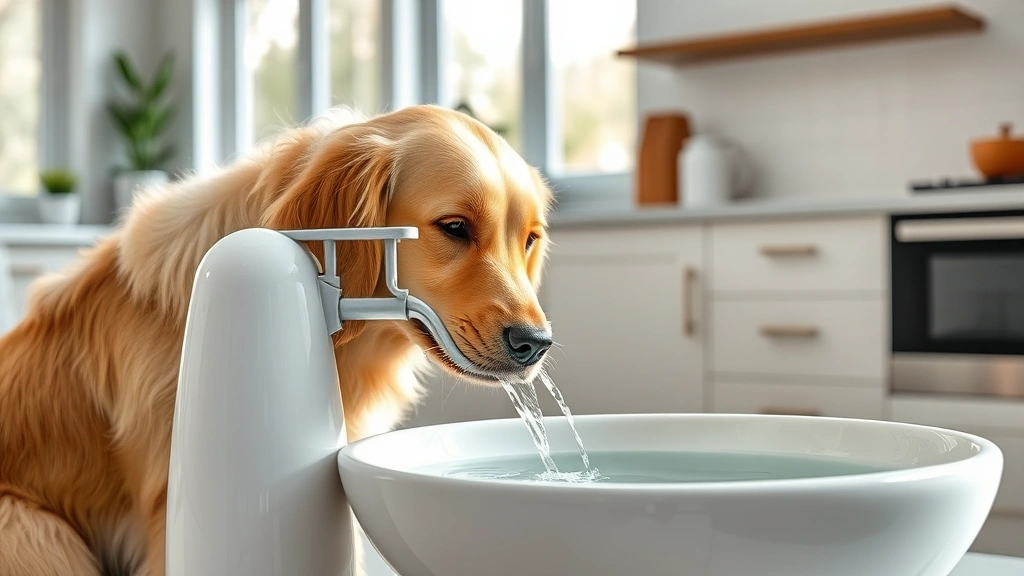
If you’re wondering how to get your dog to drink water, you’re not alone—plenty of dog parents face this frustrating challenge. Whether your pup is a stubborn water avoider or just seems indifferent to their bowl, dehydration in dogs is a serious concern that can lead to kidney problems, urinary tract infections, and other health issues. The good news? There are several proven strategies to encourage your furry friend to stay properly hydrated.
Table of Contents
- Why Your Dog Might Not Be Drinking Enough Water
- Tip #1: Upgrade to a Fresh Water Fountain
- Tip #2: Add Flavor to Encourage Canine Hydration
- Tip #3: Change Water Temperature and Location
- Tip #4: Incorporate Moisture-Rich Foods
- Tip #5: Make Drinking a Fun, Social Activity
- Watch for Signs of Dehydration in Dogs
- Understanding Your Dog’s Hydration Needs
- When to Call Your Veterinarian
- Summary: Getting Your Dog to Drink Water
- Frequently Asked Questions
Why Your Dog Might Not Be Drinking Enough Water
Before diving into solutions, let’s understand why dogs sometimes refuse water. Some pups are just naturally low-drinkers, while others might be turned off by the temperature, taste, or location of their water bowl. Certain medical conditions like kidney disease, diabetes, or dental problems can also suppress thirst. Additionally, dogs eating wet food may feel like they’re getting enough moisture already. If your dog’s water intake suddenly drops, it’s worth a vet visit to rule out underlying health issues.
Tip #1: Upgrade to a Fresh Water Fountain
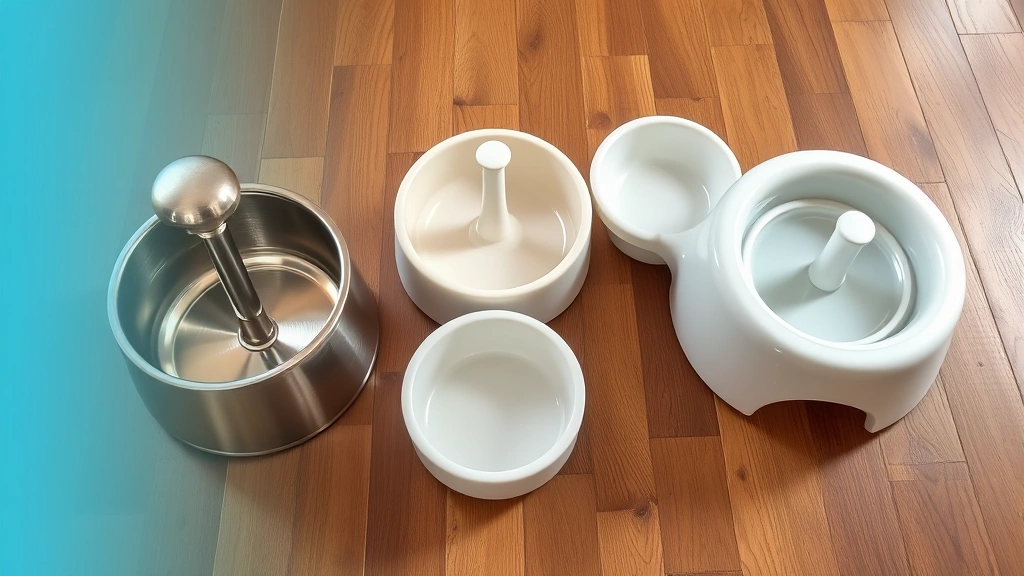
Dogs are attracted to moving water—it’s instinctive! A dog water fountain mimics natural running water sources, making hydration feel more appealing. These fountains keep water circulating and oxygenated, which many dogs find irresistible. Plus, the constant flow means fresher water throughout the day. Pet fountains come in various styles, from simple ceramic bowls to fancy stainless steel models. Most dogs will increase their water consumption significantly once you introduce one of these into their routine.
Tip #2: Add Flavor to Encourage Canine Hydration
Sometimes a little flavor boost does the trick. Try adding low-sodium broth, a splash of unsalted bone broth, or even a tiny bit of apple juice to your dog’s water bowl. These additions make water more enticing without being unhealthy. Just ensure any additions are dog-safe and don’t contain xylitol or excess sodium. You can also try freezing broth into ice cubes for a refreshing treat that counts toward hydration. This approach works especially well for picky drinkers who need extra motivation.
Tip #3: Change Water Temperature and Location
Your dog might have preferences you haven’t considered. Some dogs prefer cold water, while others like it at room temperature. Experiment with different temperatures to see what your pup gravitates toward. Additionally, the location of the water bowl matters more than you’d think. If the bowl is near the food area, some dogs avoid it—they prefer separation between eating and drinking zones. Try placing water bowls in multiple locations around your home, especially near where your dog spends the most time. During travel, check out our guide on pet food safety during travel to ensure proper hydration away from home.
Tip #4: Incorporate Moisture-Rich Foods
While you’re working on increasing water intake, incorporate more moisture into your dog’s diet. Wet dog food, fresh vegetables like cucumbers and watermelon (in moderation), and homemade broths all contribute to overall hydration. Our article on human foods for picky eaters offers great options that can boost water content. Just remember that these shouldn’t replace fresh water—they’re supplementary. For portion guidance, check our resource on human food portion sizes for pets to maintain balanced nutrition.
Tip #5: Make Drinking a Fun, Social Activity
Dogs often mimic their owners and other pets. Try drinking water yourself near your dog, or let them watch other pets drinking. Some dogs respond well to positive reinforcement—praise and treats when they drink water. You can also make it a game: offer water after playtime or exercise when your dog is naturally thirsty. Creating positive associations with drinking encourages the behavior you want to see.
Watch for Signs of Dehydration in Dogs
While you’re implementing these strategies, know the warning signs of dehydration. These include excessive panting, dry gums, lethargy, sunken eyes, and loss of skin elasticity. If your dog shows these symptoms or if you notice sudden changes in drinking habits, contact your veterinarian immediately. Severe dehydration can be life-threatening and may require professional intervention, especially if it’s related to food poisoning or other medical emergencies. Our guide on emergency vet for food poisoning provides information on when to seek immediate care.
Understanding Your Dog’s Hydration Needs
The general rule is that dogs need about one ounce of water per pound of body weight daily, though this varies based on activity level, diet, and climate. Active dogs, those eating dry kibble, and dogs in hot weather need more water than their sedentary counterparts. Monitor your dog’s water intake and urine output—these are good indicators of hydration status. If you’re unsure whether your dog is drinking enough, your vet can provide personalized recommendations based on your dog’s specific needs.
When to Call Your Veterinarian
If your dog refuses water for more than a few hours, drinks excessively (polydipsia), or shows any signs of illness, schedule a vet appointment. Sudden changes in drinking behavior can indicate diabetes, kidney disease, urinary tract infections, or other serious conditions. Your veterinarian can perform tests to rule out medical issues and provide guidance tailored to your dog’s health profile. Never ignore persistent drinking problems—early intervention can prevent serious complications.
Summary: Getting Your Dog to Drink Water
Learning how to get your dog to drink water requires patience and experimentation. Start by upgrading to a water fountain, try adding safe flavor boosters, adjust water temperature and bowl location, incorporate moisture-rich foods into their diet, and make drinking a positive experience. Most importantly, monitor your dog’s hydration status and consult your vet if you notice concerning changes. Every dog is unique, so what works for one pup might not work for another. Keep trying different approaches until you find what motivates your furry friend to stay properly hydrated and healthy.
Frequently Asked Questions
How much water should my dog drink daily?
Most dogs need approximately one ounce of water per pound of body weight each day. However, this varies based on diet type, activity level, weather, and individual health factors. Dogs eating wet food may need less additional water than those on dry kibble. Always consult your veterinarian for personalized recommendations for your specific dog.
Is it normal for dogs to drink less water in winter?
Yes, it’s relatively normal for dogs to drink slightly less water during colder months since they lose less moisture through panting. However, they still need adequate hydration. If you notice a dramatic decrease in water intake during winter, it could indicate an underlying health issue and warrants a veterinary visit.
Can I use bottled water for my dog?
Bottled water is generally safe for dogs, though filtered tap water is usually sufficient and more economical. Some dogs are sensitive to mineral content in certain bottled waters. If your tap water quality is questionable, bottled water is a good alternative, but it’s not necessary for most dogs.
Why is my dog drinking too much water suddenly?
Excessive drinking (polydipsia) can indicate several health issues including diabetes, kidney disease, urinary tract infections, or hormonal imbalances. Sudden changes in drinking behavior should be evaluated by your veterinarian promptly, as these conditions require professional diagnosis and treatment.
Do ice cubes count toward my dog’s water intake?
Ice cubes are mostly water, so they do contribute to hydration, though dogs may not consume them as efficiently as liquid water. Many dogs enjoy ice cubes as treats, especially in warm weather. You can freeze broth or diluted bone broth into ice cube trays for added nutrition and appeal.





