
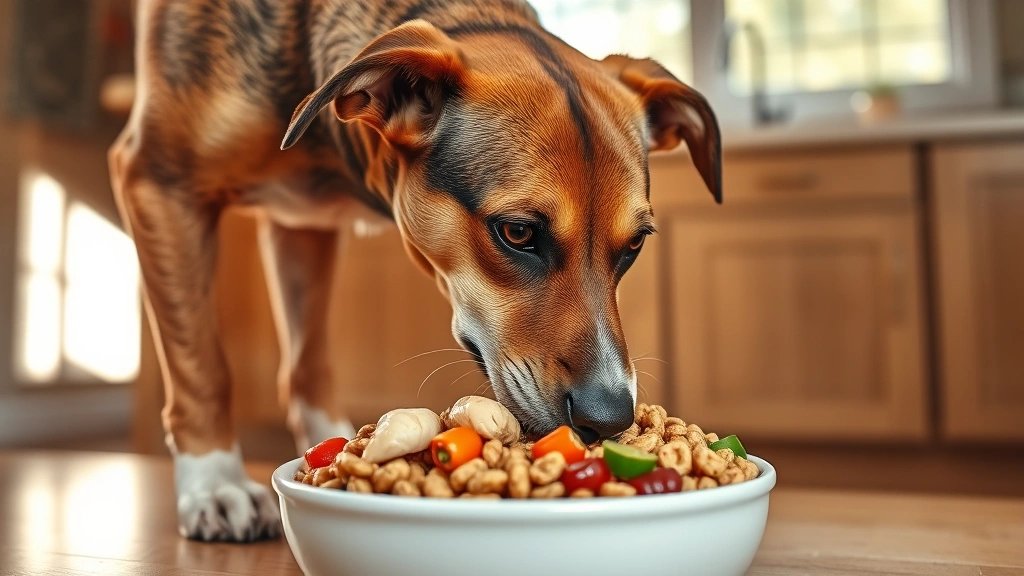
If you’re wondering how to help a dog gain weight, you’re not alone—plenty of dog parents face this challenge, whether their pup is recovering from illness, a picky eater, or just naturally lean. The good news? There are plenty of straightforward, proven methods to help your furry friend pack on some healthy pounds without turning mealtime into a battle.
Table of Contents
- Understanding Why Your Dog Might Be Underweight
- Method 1: Upgrade to High-Calorie Dog Food
- Method 2: Add Nutrient-Dense Toppers and Mix-Ins
- Method 3: Incorporate Protein-Rich Additions
- Method 4: Optimize Meal Frequency and Portion Control
- Method 5: Address Behavioral and Environmental Factors
- Choosing the Right Calorie-Dense Treats
- Supplements and Special Considerations
- Monitoring Progress and Adjusting Your Approach
- Common Mistakes to Avoid
- Frequently Asked Questions
- Final Thoughts: Getting Your Dog to a Healthy Weight
Weight gain in dogs isn’t just about aesthetics. A dog at a healthy weight has better energy levels, stronger joints, and improved overall health. But before you start loading up the kibble bowl, let’s talk strategy. Not all weight gain is created equal, and the approach depends on why your dog is underweight in the first place.
Understanding Why Your Dog Might Be Underweight
Before diving into solutions, it’s worth understanding the root cause. Dogs lose weight or fail to gain it for several reasons: medical issues like parasites, thyroid problems, or digestive disorders; stress and anxiety; picky eating habits; or simply inadequate calorie intake. Some breeds are naturally lean—think greyhounds or whippets—but if your dog looks ribs-and-hip-bones prominent, it’s time to act.
The first step should always be a vet checkup to rule out underlying health issues. Once you’ve got the all-clear, you can focus on nutritional strategies. This is where knowing when to call the vet about food becomes crucial for monitoring progress.
Method 1: Upgrade to High-Calorie Dog Food
The simplest approach to help a dog gain weight is swapping their current food for a higher-calorie option. Look for premium dog foods with at least 25-30% protein and higher fat content (around 15-20%). These formulas pack more nutritional punch per cup than standard kibble.
Brands designed for active dogs or puppies often contain more calories and nutrients. If your dog has a sensitive stomach, transition gradually over 7-10 days to avoid digestive upset. Mix the new food with the old, slowly increasing the ratio until you’ve made the full switch.
Pro tip: Wet food often contains more calories than dry kibble and is more palatable for picky eaters. Sometimes combining wet and dry food creates the perfect motivator for dogs who turn their nose up at plain kibble.
Method 2: Add Nutrient-Dense Toppers and Mix-Ins
Here’s where things get fun and delicious. Adding toppers to your dog’s regular meals boosts calorie intake without requiring a complete food overhaul. Vet-approved human foods for pets can be game-changers when it comes to increasing palatability and calories.
Excellent toppers include:
- Pumpkin puree (plain, not pie filling)—adds fiber and nutrients
- Sweet potato—calorie-dense and nutritious
- Bone broth—adds flavor and collagen for joint health
- Eggs—protein powerhouses
- Plain Greek yogurt—probiotics plus protein
- Salmon oil—omega-3s and extra calories
Start with small amounts—a tablespoon or two mixed into meals—and increase gradually. These additions make kibble more appealing while sneaking in extra nutrition. Dogs who are bored with their food often respond enthusiastically to toppers.
Method 3: Incorporate Protein-Rich Additions
Protein is essential for muscle development and weight gain. Protein sources from human food can supplement your dog’s diet safely when chosen carefully.
Safe protein additions include:
- Lean ground beef or turkey (cooked, no seasoning)
- Chicken breast (boneless, skinless, cooked)
- Plain cottage cheese
- Unsalted peanut butter (check for xylitol—it’s toxic to dogs)
- Fish like salmon or sardines
A small amount of cooked chicken or beef mixed into kibble significantly boosts calorie and protein content. For dogs with serious weight concerns, you might add a quarter-cup of cooked lean meat to each meal. This approach works especially well for picky eaters who respond to real food flavors.
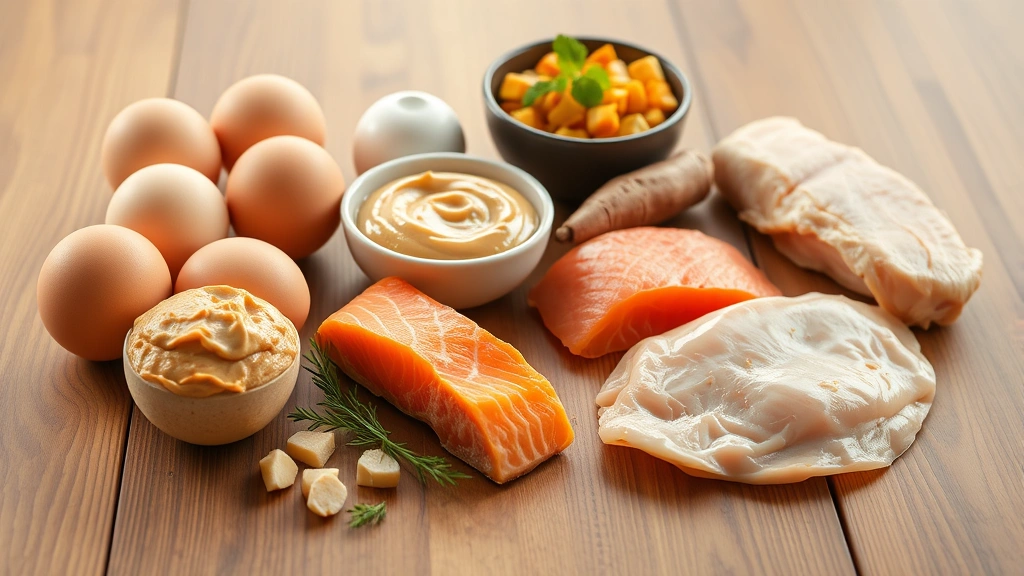
Always ensure any additions are cooked (if needed) and free from harmful seasonings like garlic, onion, or excessive salt.
Method 4: Optimize Meal Frequency and Portion Control
Sometimes the issue isn’t what dogs eat, but how often and how much. Puppies and underweight dogs benefit from more frequent meals. Instead of one or two meals daily, try three or four smaller meals spread throughout the day. This approach is gentler on digestion and helps prevent bloating while increasing total calorie intake.
Use a dog food calculator or consult your vet to determine appropriate portions for your dog’s target weight, not current weight. This prevents overfeeding while ensuring you’re aiming for realistic goals. Gradually increase portions as your dog’s weight improves.
Feeding at consistent times also helps regulate appetite and digestion. Dogs thrive on routine, and scheduled meals make it easier to monitor whether your pup is actually eating what you’re offering.
Method 5: Address Behavioral and Environmental Factors
Sometimes weight gain struggles relate to stress, anxiety, or environmental issues rather than food quality. Dogs experiencing stress may refuse food or burn excess calories through nervous behavior. Create a calm, quiet feeding space away from other pets or household chaos.
Multi-dog households can be tricky—if one dog is hogging food or your underweight pup is intimidated during meals, feed them separately. This ensures your dog actually gets the nutrition you’re providing rather than losing it to a more assertive packmate.
Exercise also plays a role. While you want your dog gaining weight, excessive activity burns calories. Temporarily reduce intense exercise while increasing food intake, then gradually reintroduce activity as weight improves. This balance prevents you from fighting an uphill battle.
Choosing the Right Calorie-Dense Treats
Treats can contribute significantly to weight gain when chosen wisely. Healthy snack alternatives for dogs help you add calories without guilt. Look for treats with high fat and protein content.
Consider options like:
- Freeze-dried meat treats
- Cheese (in moderation)
- Nut butters on a spoon
- Homemade treats with oats and peanut butter
Treats shouldn’t exceed 10% of daily calories, but for underweight dogs trying to gain, they’re valuable calorie boosters. Just ensure they’re nutritionally sound and free from harmful ingredients.
Supplements and Special Considerations
Some dogs benefit from supplements during weight-gain phases. Fish oil supports skin and coat health while adding calories. Probiotics aid digestion, especially if your dog has a sensitive stomach. Always consult your vet before adding supplements—they can recommend appropriate options based on your dog’s specific situation.
For dogs recovering from illness or surgery, your vet might recommend prescription weight-gain diets formulated specifically for recovery. These are worth considering if your dog isn’t responding to standard approaches.

Monitoring Progress and Adjusting Your Approach
Track your dog’s weight weekly or bi-weekly rather than obsessing daily. Weight fluctuates naturally, and you’re looking for consistent upward trends. Take photos from the side and above to visually assess body condition—you should feel ribs without pressing hard, and see a waist when viewed from above.
If you’re not seeing progress after 3-4 weeks, revisit your strategy. Perhaps your dog needs higher-calorie food, more frequent meals, or additional toppers. Some dogs require combination approaches rather than single solutions.
Keep your vet in the loop about progress. They can adjust recommendations based on how your dog responds and identify if underlying issues are preventing weight gain.
Common Mistakes to Avoid
Don’t suddenly switch foods or drastically increase portions—this causes digestive upset and defeats the purpose. Avoid low-quality fillers; they’re cheap calories without nutrition. Don’t rely solely on treats; balanced meals matter more. And please, don’t skip the vet visit assuming it’s just a picky eater situation.
One major mistake is assuming all weight gain is good weight gain. Your goal is healthy weight—muscle and body condition, not just numbers on a scale. This is why working with your vet matters; they ensure your dog is gaining weight appropriately.
Frequently Asked Questions
How long does it take for a dog to gain weight?
Most dogs show noticeable weight gain within 3-4 weeks of dietary changes, though some take longer. Consistency matters more than speed. Expect gradual, steady progress rather than dramatic overnight changes. Factors like age, metabolism, and underlying health conditions affect timeline.
Can I use peanut butter to help my dog gain weight?
Yes, peanut butter is calorie-dense and most dogs love it. However, check the label for xylitol, a sweetener toxic to dogs. Natural peanut butter without added ingredients works best. A tablespoon mixed into meals or offered as a treat adds significant calories. Use it as part of your overall strategy rather than the sole solution.
What if my dog still won’t eat despite these methods?
Persistent appetite loss warrants veterinary investigation. Issues like dental disease, gastric problems, or medication side effects might be culprits. Your vet can run tests and prescribe appetite stimulants if necessary. Sometimes a combination of appetite medication plus dietary improvements works best.
Is there a difference between healthy and unhealthy weight gain in dogs?
Absolutely. Healthy weight gain includes muscle development and appropriate body condition—you should see definition and feel ribs without pressing. Unhealthy gain is pure fat accumulation, often from excessive calories without proper nutrition. This is why balanced, nutrient-dense food matters more than just increasing portions.
Should I consult a veterinary nutritionist?
For persistent weight issues or dogs with special health needs, a veterinary nutritionist provides personalized meal plans. They’re especially helpful for dogs with allergies, digestive disorders, or complex medical histories. Your regular vet can refer you to a board-certified nutritionist.
Final Thoughts: Getting Your Dog to a Healthy Weight
Learning how to help a dog gain weight requires patience, consistency, and often a multi-pronged approach. Start with a vet checkup, upgrade food quality, add nutrient-dense toppers, increase meal frequency, and address behavioral factors. Most importantly, focus on healthy weight gain through balanced nutrition rather than just packing on pounds.
Every dog is unique, and what works for one might not work for another. Track progress, stay flexible with your approach, and maintain open communication with your vet. With these proven methods and a bit of persistence, your underweight pup will be thriving at a healthy weight before you know it. Your dog’s health and happiness depend on getting this right, and you’ve got all the tools to succeed.





