
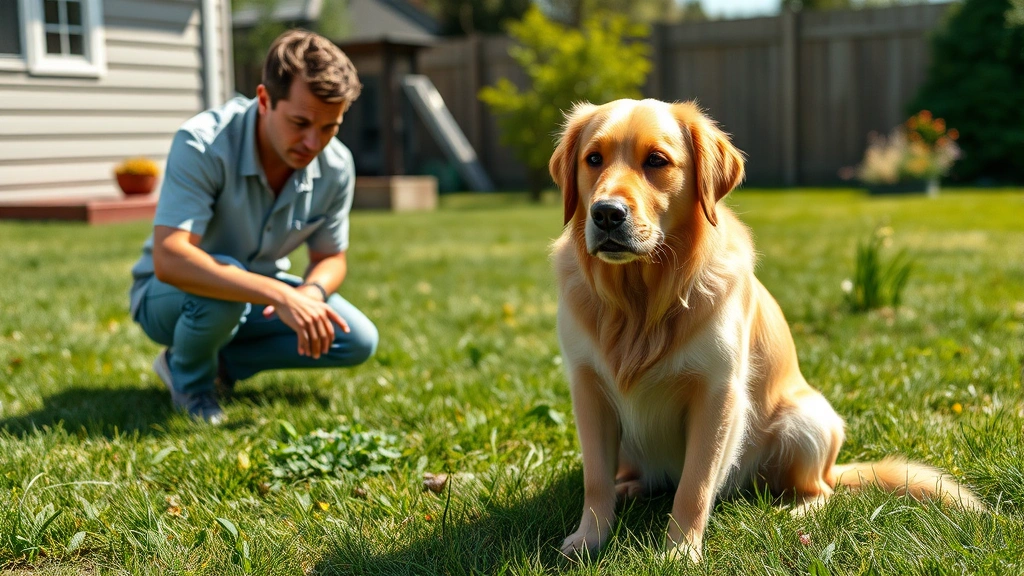
If your pup hasn’t pooped in a couple of days, you’ve probably started to worry. How to help a dog with constipation is one of those questions that catches every dog owner off guard at least once. The good news? Doggy constipation is usually fixable without a trip to the emergency vet clinic, and we’re here to walk you through the best solutions.
Table of Contents
- Why Your Dog is Backed Up (And It’s More Common Than You Think)
- Remedy #1: Boost Hydration to Keep Things Moving
- Remedy #2: Add Fiber-Rich Foods to Their Diet
- Remedy #3: Get Your Dog Moving with Exercise
- Remedy #4: Try Gentle Abdominal Massage
- Remedy #5: Consider Vet-Approved Supplements and Stool Softeners
- When to Worry: Red Flags That Need Veterinary Attention
- Dietary Changes: Preventing Future Constipation
- Age, Breed, and Other Risk Factors
- The Bottom Line on Dog Constipation
- Frequently Asked Questions
Why Your Dog is Backed Up (And It’s More Common Than You Think)
Before we jump into fixes, let’s talk about why your furry friend is experiencing constipation in the first place. Dogs can get constipated for tons of reasons—some minor, some worth a vet visit. Common culprits include dehydration, lack of exercise, dietary changes, swallowed foreign objects, or even just getting older. Sometimes it’s as simple as your dog eating something they shouldn’t have (we’re looking at you, rawhide chewers).
The thing about dog constipation is that it’s not always obvious at first. You might notice your pup straining during bathroom breaks, producing hard or small stools, or going several days without defecating. Some dogs get a little grumpy when they’re constipated—and honestly, can you blame them?
Remedy #1: Boost Hydration to Keep Things Moving
Water is your first line of defense against constipation. A dehydrated dog is a constipated dog, plain and simple. Make sure your pup has constant access to fresh, clean water throughout the day. If your dog isn’t drinking enough, try some wet food, bone broth, or even ice cubes (some dogs find them irresistible).
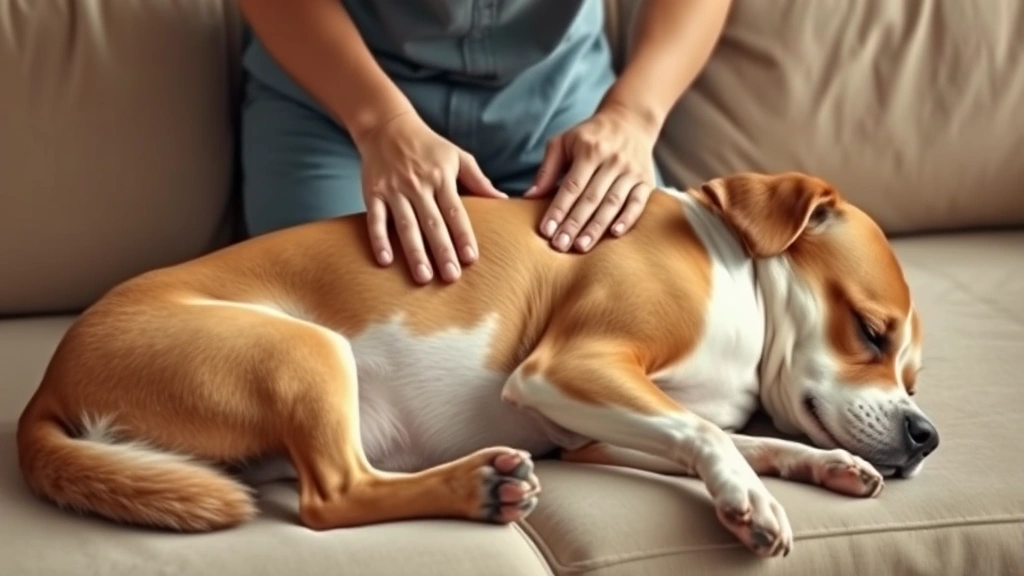
You can also add moisture to their meals by mixing in hydrating human foods for pets like pumpkin puree or plain cooked chicken broth. These aren’t just tasty—they actually help with digestive regularity. A good rule of thumb: if your dog’s urine is dark yellow, they need more water.
Remedy #2: Add Fiber-Rich Foods to Their Diet
Fiber is basically nature’s plumbing system. Adding the right foods to your dog’s diet can work wonders for constipation. Pumpkin is the MVP here—not the sugary pie filling, but plain canned pumpkin. A tablespoon or two mixed into their food can help soften stool and get things moving again.
Other excellent fiber sources include sweet potatoes, green beans, and oat bran. Check out our guide on high-fiber human foods for pets to see what’s safe to add to your dog’s meals. Just introduce new foods gradually to avoid creating more digestive chaos.
Remedy #3: Get Your Dog Moving with Exercise
Sometimes constipation is just a sign that your dog needs to get their rear in gear—literally. A sedentary dog is more prone to digestive slowdowns. Increasing exercise and playtime can stimulate bowel movements naturally.
Even a 15-minute walk around the block can make a difference. The physical activity helps move things through their digestive tract and promotes overall gut health. Plus, your dog gets to sniff around and do their business outside, which is what nature intended anyway.
Remedy #4: Try Gentle Abdominal Massage
Here’s a technique that works surprisingly well: gentle abdominal massage. With your dog lying on their side, use slow circular motions on their belly in a clockwise direction (following the path of their colon). This can help stimulate bowel movements and provide some comfort.
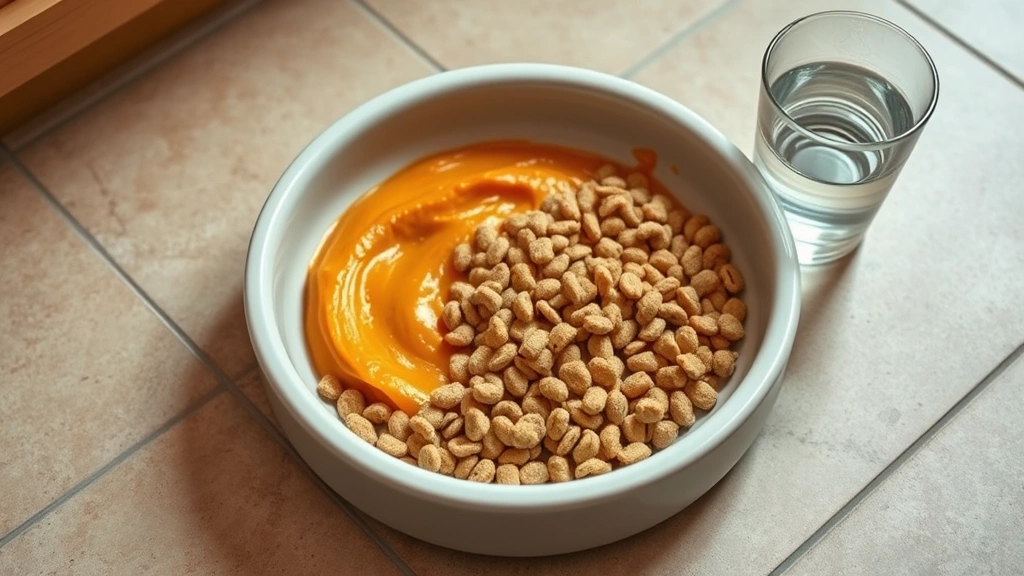
Spend about 5-10 minutes doing this a couple times a day. Your dog will probably enjoy the attention, and you might just help them feel better in the process. It’s a win-win that costs absolutely nothing.
Remedy #5: Consider Vet-Approved Supplements and Stool Softeners
If natural remedies aren’t cutting it after a few days, it’s time to talk to your vet about supplements or stool softeners. Products like psyllium husk powder or specially formulated canine probiotics can help regulate digestion. Your vet might also recommend miralax or other stool softeners that are safe for dogs.
Never give your dog human laxatives without veterinary approval—some can actually be dangerous for pups. Always check with your vet about vet-approved human foods for pets and supplements before introducing them.
When to Worry: Red Flags That Need Veterinary Attention
Most cases of dog constipation resolve within a few days with home remedies. But there are situations where you should call your vet immediately. If your dog hasn’t pooped in more than 3-4 days, is vomiting, seems lethargic, or is in obvious pain, get them to a veterinarian ASAP.
These symptoms could indicate a blockage, megacolon, or other serious conditions that require professional diagnosis and treatment. Don’t play around with these warning signs—better safe than sorry when it comes to your pup’s health.
Dietary Changes: Preventing Future Constipation
Once you’ve solved the immediate problem, think about prevention. If your dog is prone to constipation, you might need to make permanent dietary adjustments. Look into pet diet transition advice if you’re considering switching to a higher-fiber food.
Some dogs do better on grain-free diets, while others need more whole grains and vegetables. Every dog is different, so what works for your neighbor’s golden retriever might not work for your dachshund. A vet or canine nutritionist can help you figure out the best long-term approach.
Age, Breed, and Other Risk Factors
Certain dogs are more susceptible to constipation than others. Senior dogs, small breeds, and dogs with mobility issues are at higher risk. If your dog falls into any of these categories, you might want to be proactive about fiber intake and hydration.
Breeds like pugs and bulldogs sometimes struggle with digestive issues due to their body structure. Understanding your dog’s specific needs can help you prevent constipation before it becomes a problem.
The Bottom Line on Dog Constipation
Helping a dog with constipation doesn’t have to be complicated or expensive. In most cases, increasing water intake, adding fiber, and boosting exercise will get your pup back to their regular pooping schedule. Start with the simple remedies, and escalate to vet intervention only if needed.
Remember, constipation is uncomfortable for your dog, so address it promptly. A few days of extra attention to their diet and activity level can save you a stressful vet visit and get your dog feeling normal again. Your dog will thank you—probably by finally producing that long-awaited poop.
Frequently Asked Questions
How long can a dog go without pooping?
Most healthy dogs poop once or twice daily. If your dog hasn’t gone for more than 3-4 days, that’s considered constipation and warrants attention. However, some dogs naturally go less frequently, so know your pup’s normal routine.
Is pumpkin really effective for dog constipation?
Yes, plain canned pumpkin is highly effective for mild constipation. The high fiber content and moisture help soften stool and promote regular bowel movements. Start with 1-4 tablespoons depending on your dog’s size, mixed into their regular food.
Can I give my dog a human laxative?
No, never give your dog human laxatives without explicit veterinary approval. Some human products are toxic to dogs. Always consult your vet before introducing any new supplements or medications.
What’s the difference between constipation and obstruction?
Constipation is difficulty passing stool, while obstruction is a complete blockage. Obstructions are emergencies requiring immediate surgery. If your dog is vomiting, in severe pain, or hasn’t pooped in days despite home remedies, seek emergency vet care.
Should I be worried if my dog is straining to poop?
Occasional straining isn’t unusual, but consistent straining is a sign of constipation or other issues. If it persists for more than a day or two, contact your vet for evaluation.





