

Dog diarrhea is one of the most common health concerns that pet owners face, and it can be both distressing for your furry friend and worrying for you as their caregiver. While occasional loose stools may not be cause for immediate alarm, persistent diarrhea can lead to dehydration, nutrient loss, and underlying health complications that require prompt attention.
Understanding how to effectively manage and prevent diarrhea in dogs is essential for maintaining your pet’s overall health and happiness. From dietary adjustments to recognizing warning signs that require veterinary intervention, there are numerous strategies you can employ to help your canine companion overcome digestive distress and return to their normal, energetic self.
Understanding the Common Causes of Dog Diarrhea
Dog diarrhea can stem from a variety of factors, ranging from simple dietary indiscretions to more serious underlying health conditions. One of the most frequent culprits is sudden dietary changes, which can disrupt your dog’s digestive system and lead to loose stools. When dogs consume unfamiliar foods, table scraps, or garbage, their intestinal tract may struggle to process these new substances effectively.
Stress and anxiety also play significant roles in digestive health. Moving to a new home, introducing new pets, or changes in routine can trigger stress-induced diarrhea in sensitive dogs. Additionally, intestinal parasites such as roundworms, hookworms, and giardia are common causes, particularly in puppies and dogs with compromised immune systems.
Food allergies and intolerances represent another major category of diarrhea triggers. Some dogs develop sensitivities to specific proteins, grains, or additives in their food, leading to chronic digestive issues. According to the American Veterinary Medical Association, bacterial infections, viral infections, and inflammatory bowel disease can also contribute to persistent diarrhea episodes.
Immediate Care and First Aid Measures
When your dog develops diarrhea, the first step is to assess the severity and take immediate action to prevent dehydration. Withholding food for 12-24 hours allows the digestive system to rest and reset, but always ensure your dog has access to fresh, clean water. During this fasting period, monitor your pet closely for signs of dehydration, including lethargy, dry gums, and loss of skin elasticity.
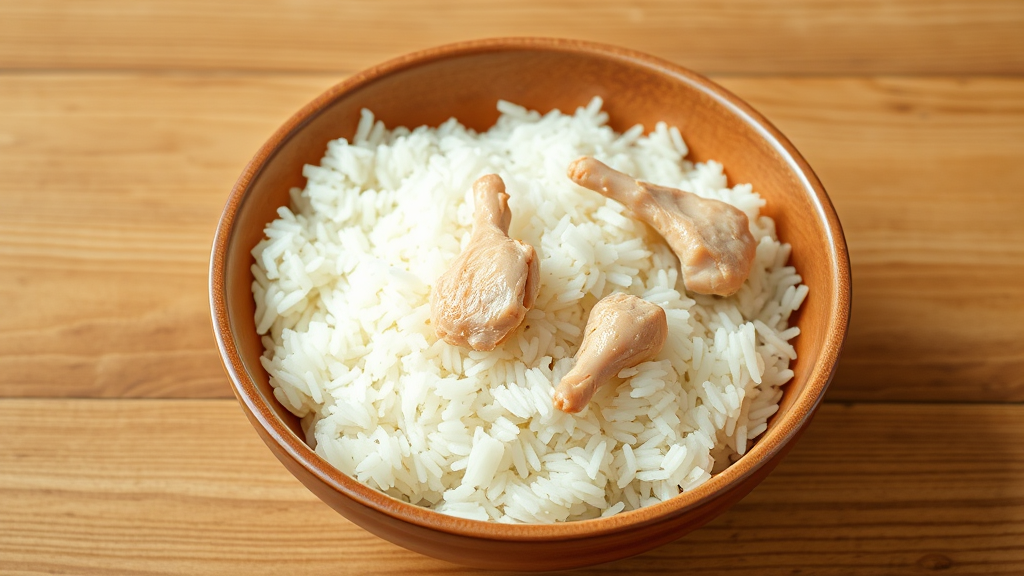
Learning how to stop diarrhea in dogs effectively requires understanding the importance of gradual reintroduction of food. After the fasting period, begin with small, frequent meals of easily digestible foods. The classic combination of boiled white rice and plain boiled chicken breast provides gentle nutrition without overwhelming the digestive system.
Maintaining proper hydration is crucial during diarrhea episodes. Offer small amounts of water frequently, and consider providing electrolyte solutions specifically designed for dogs. The American Kennel Club recommends monitoring your dog’s water intake and urination patterns to ensure adequate hydration levels are maintained throughout the recovery process.
Dietary Management and Feeding Guidelines
Proper dietary management is the cornerstone of treating dog diarrhea effectively. Understanding what to feed dog with diarrhea can significantly impact recovery time and prevent recurring episodes. The BRAT diet concept (bananas, rice, applesauce, toast) has been adapted for dogs, focusing on bland, easily digestible foods that firm up loose stools.
White rice serves as an excellent binding agent and provides easily digestible carbohydrates that won’t irritate the intestinal lining. When preparing rice for your dog, cook it thoroughly in plain water without any seasonings, oils, or additives. Can dogs eat rice safely? Absolutely, and it’s often recommended by veterinarians as a primary component of recovery diets.
Lean proteins such as boiled chicken breast (skin and bones removed), turkey, or fish provide essential amino acids without excess fat that could exacerbate digestive issues. Pumpkin is another valuable addition to recovery diets, as its high fiber content helps regulate bowel movements. Many pet owners wonder can dogs eat pumpkin, and veterinarians often recommend pure pumpkin puree (not pie filling) as a natural digestive aid.
Probiotics can help restore healthy gut bacteria balance, which is often disrupted during diarrhea episodes. The National Center for Biotechnology Information has published research supporting the use of specific probiotic strains in managing canine digestive disorders.
Safe Home Remedies and Natural Solutions
Several safe, natural remedies can complement traditional treatment approaches for dog diarrhea. Bone broth made from chicken or beef bones provides hydration, electrolytes, and easily absorbed nutrients that support recovery. Ensure the broth is free from onions, garlic, and excessive salt, which can be harmful to dogs.
Plain, unsweetened yogurt with live active cultures can introduce beneficial bacteria to your dog’s digestive system. However, some dogs are lactose intolerant, so introduce yogurt gradually and monitor for any adverse reactions. Sweet potatoes, when cooked and mashed, provide fiber and nutrients that can help firm up stools while being gentle on the digestive tract.
Slippery elm bark, available in powder form from health food stores, creates a soothing coating in the digestive tract when mixed with water. This natural remedy has been used for centuries to treat digestive issues in both humans and animals. The ASPCA provides comprehensive information about safe and toxic plants for pets, helping owners make informed decisions about natural remedies.
When to Seek Veterinary Care
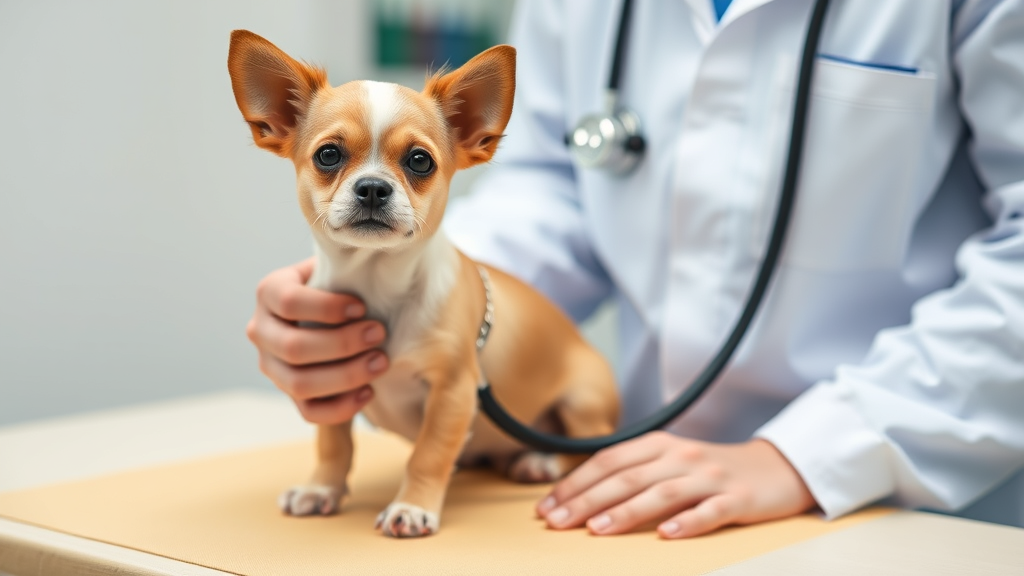
While many cases of dog diarrhea resolve with home care, certain symptoms warrant immediate veterinary attention. Blood in the stool, whether bright red or dark and tarry, indicates potential internal bleeding or serious intestinal damage. Persistent vomiting combined with diarrhea significantly increases dehydration risk and may signal a more serious underlying condition.
If your dog shows signs of severe dehydration, such as weakness, collapse, or inability to keep water down, emergency veterinary care is essential. Puppies, senior dogs, and those with compromised immune systems are particularly vulnerable to complications from diarrhea and should be evaluated more quickly than healthy adult dogs.
The duration of symptoms also determines when professional intervention is necessary. If diarrhea persists for more than 24-48 hours despite home treatment, or if your dog appears increasingly lethargic or uncomfortable, consult your veterinarian. Sometimes, digestive issues can be related to other problems, and pet owners might also need to understand why is my dog throwing up when multiple symptoms occur together.
According to the American Veterinary Medical Association, certain breeds and individual dogs may be more susceptible to specific digestive disorders, making professional evaluation crucial for proper diagnosis and treatment planning.
Prevention Strategies for Long-term Health
Preventing dog diarrhea involves maintaining consistent dietary routines and avoiding sudden changes that can upset your pet’s digestive system. When transitioning to new foods, do so gradually over 7-10 days, mixing increasing amounts of the new food with decreasing amounts of the old food. This approach allows your dog’s digestive system to adapt without experiencing shock.
Regular parasite prevention through monthly heartworm and flea/tick medications that include intestinal parasite protection is essential. Schedule annual fecal examinations with your veterinarian to detect parasites early, before they cause significant digestive distress. Maintaining proper portion sizes is also crucial – understanding how much food should i feed my dog helps prevent overeating, which can trigger digestive upset.
Stress management plays a vital role in digestive health. Provide a stable environment, regular exercise, and mental stimulation to reduce anxiety-related digestive issues. The Humane Society emphasizes the importance of environmental stability in maintaining overall canine health, including digestive wellness.
Keep your dog away from garbage, compost piles, and other sources of potentially harmful materials. Training your dog to “leave it” on command can prevent many dietary indiscretions that lead to digestive upset. Regular dental care and maintaining good oral hygiene also contribute to overall digestive health by reducing harmful bacteria that could affect the intestinal tract.
Monitoring Recovery and Follow-up Care
Monitoring your dog’s recovery from diarrhea involves tracking several key indicators of improving digestive health. Stool consistency should gradually return to normal over 2-3 days with proper care. Document the frequency, consistency, and appearance of bowel movements to track progress and identify any concerning changes.
Energy levels and appetite typically improve as digestive function returns to normal. Your dog should show increasing interest in food and activities as they recover. However, it’s important to continue feeding bland foods for several days after stools return to normal consistency to ensure complete digestive system recovery.
Gradually reintroduce your dog’s regular diet over 3-5 days, monitoring for any signs of digestive upset. If symptoms return during this transition period, slow down the process or consult your veterinarian for guidance. Some dogs may benefit from longer periods on bland diets or may require specialized diets to manage chronic digestive sensitivities.
Understanding the difference between normal digestive variations and concerning symptoms helps pet owners make informed decisions about their dog’s care. While diarrhea can be distressing, it’s often manageable with proper care and attention. In contrast, other digestive issues like constipation require different approaches, and knowing how to help a constipated dog can be equally important for comprehensive digestive health management.
Frequently Asked Questions
How long should I wait before taking my dog to the vet for diarrhea?
For healthy adult dogs, wait 24-48 hours if the diarrhea is mild and your dog is still eating, drinking, and acting normally. However, seek immediate veterinary care if there’s blood in the stool, persistent vomiting, signs of dehydration, or if your dog appears lethargic or in pain. Puppies, senior dogs, and dogs with existing health conditions should be evaluated sooner.
Can I give my dog human anti-diarrheal medications?
Never give your dog human anti-diarrheal medications without veterinary approval. Many human medications contain ingredients that are toxic to dogs or can mask symptoms of serious underlying conditions. Some medications like Imodium can be dangerous for certain dog breeds. Always consult your veterinarian before administering any medication to your pet.
What foods should I absolutely avoid giving my dog with diarrhea?
Avoid fatty foods, dairy products, spicy foods, high-fiber foods, treats, table scraps, and anything with artificial sweeteners. Also avoid foods that are toxic to dogs such as chocolate, onions, garlic, grapes, and raisins. Stick to bland, easily digestible foods like plain rice and boiled chicken until your dog’s digestive system recovers.
How can I tell if my dog is dehydrated from diarrhea?
Signs of dehydration include dry or sticky gums, loss of skin elasticity (skin takes longer than normal to return to position when gently lifted), sunken eyes, lethargy, and reduced urination. To test skin elasticity, gently lift the skin at the back of your dog’s neck – it should snap back immediately in a well-hydrated dog.
Is it normal for puppies to have more frequent diarrhea than adult dogs?
Puppies are more susceptible to diarrhea due to their developing immune systems, tendency to eat inappropriate items, and sensitivity to dietary changes. However, diarrhea in puppies should still be taken seriously as they can become dehydrated quickly. Puppies with diarrhea should be evaluated by a veterinarian sooner than adult dogs.
Can stress really cause diarrhea in dogs?
Yes, stress and anxiety can definitely cause digestive upset in dogs, including diarrhea. Common stress triggers include moving, new pets, changes in routine, loud noises, or separation anxiety. Managing stress through consistent routines, adequate exercise, and creating a calm environment can help prevent stress-induced digestive issues.
How do I know when it’s safe to return to my dog’s normal food after diarrhea?
Wait until your dog has had normal, formed stools for at least 2-3 consecutive days on the bland diet before beginning the transition back to regular food. Then gradually mix increasing amounts of regular food with the bland diet over 5-7 days. If diarrhea returns during this transition, slow down the process and consider consulting your veterinarian.





