

Let’s be honest—figuring out how to keep a dog off of the couch is one of the most common struggles pet owners face. You spend money on a fancy dog bed, and your furry friend ignores it completely in favor of your perfectly good furniture. Sound familiar? The good news is that this problem isn’t unsolvable, and you don’t need to resort to locking your pup in another room forever.
Table of Contents
- Why Does Your Dog Love Your Couch So Much?
- Method 1: Create an Irresistible Alternative Spot
- Method 2: Use Physical Barriers and Deterrents
- Method 3: Implement Consistent Training and Commands
- Method 4: Manage Your Dog’s Energy and Anxiety Levels
- Method 5: Establish Clear Boundaries and House Rules
- Breed-Specific Considerations for Couch Training
- The Role of Reward-Based Training in Furniture Management
- Common Mistakes That Sabotage Your Couch Training Efforts
- When to Call a Professional Dog Trainer
- Frequently Asked Questions
- Summary: Your Action Plan for a Couch-Free Zone
Why Does Your Dog Love Your Couch So Much?
Before we dive into solutions, let’s understand the enemy. Dogs aren’t jumping on your couch just to spite you (though it might feel that way). There are legitimate reasons your pup is treating your furniture like their personal throne. Your couch smells like you—their favorite human. It’s comfortable, elevated, and gives them a great vantage point to survey their kingdom. Plus, if you’ve ever sat on the couch, your dog associates it with you, making it extra appealing. Understanding this psychology is the first step in solving the couch problem.
Method 1: Create an Irresistible Alternative Spot
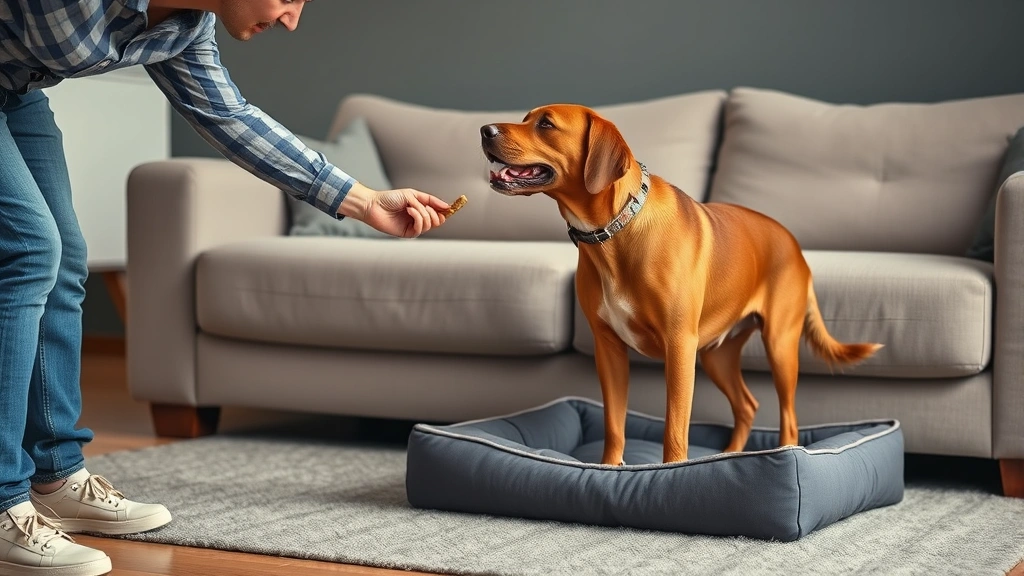
You can’t just tell your dog “no couch” without offering something better. Dogs need a comfortable place to rest, and if you haven’t given them one, the couch becomes their default choice. Invest in a high-quality dog bed and place it right next to your couch—literally in the same room. Make this bed more attractive than the couch itself by adding your worn t-shirt (for your scent), treats, and toys. When your dog chooses their bed over the couch, reward them enthusiastically. This positive reinforcement teaches them that their bed is the premium real estate. You can also place training treats from human food on their bed to make it irresistibly appealing.
Method 2: Use Physical Barriers and Deterrents
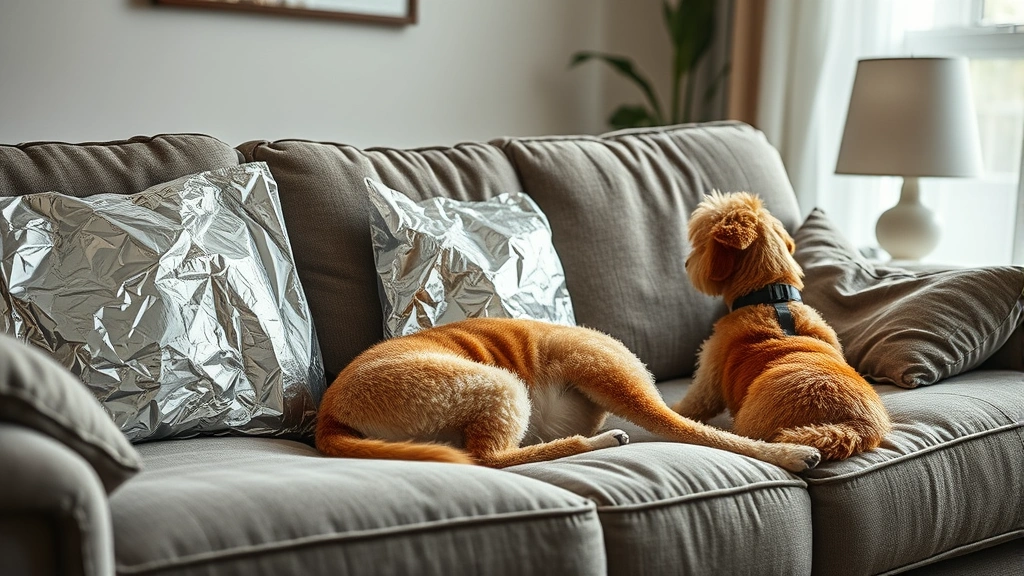
Sometimes the simplest solution is the best one. If you’re not home or can’t supervise, physical barriers prevent the problem entirely. Aluminum foil, double-sided tape, or commercial couch guards make the couch uncomfortable to jump on without hurting your pup. Dogs hate the texture and sound of foil, so laying it across your cushions works surprisingly well. Another option? Motion-activated air sprays that startle your dog when they approach the furniture. These aren’t cruel—just mildly annoying enough to discourage the behavior. The key is consistency; leave these deterrents in place until the habit breaks.
Method 3: Implement Consistent Training and Commands
Training your dog to respect furniture boundaries requires patience and consistency. Teach a “place” command that directs your dog to their bed instead of the couch. Start by rewarding them heavily when they go to their designated spot on command. Practice this 5-10 minutes daily. When you catch your dog on the couch, calmly say “off” and guide them to their bed, then reward. Never yell or chase them off—this can turn it into a game. Everyone in your household must enforce the same rules, or your dog will be confused and the training fails. Consistency is everything when it comes to dog training and keeping them off furniture.
Method 4: Manage Your Dog’s Energy and Anxiety Levels
A bored or anxious dog is more likely to seek comfort on your couch. High-energy dogs need adequate exercise—aim for at least 30-60 minutes daily depending on breed and age. A tired dog is a well-behaved dog. Additionally, some dogs jump on furniture due to anxiety or separation issues. If your pup is anxious, consider exploring calming foods for anxious pets or consult your vet about supplements like melatonin for dogs. Puzzle toys and interactive feeders also keep their minds engaged. When dogs have proper outlets for their energy and mental stimulation, they’re less likely to seek inappropriate comfort spots.
Method 5: Establish Clear Boundaries and House Rules
Your dog needs to understand that certain furniture is off-limits. Establish this boundary early and stick to it—no exceptions. If your dog is allowed on the couch “sometimes,” they’ll never understand why they can’t do it other times. This inconsistency confuses them and makes training nearly impossible. Make your house rules crystal clear from day one. If you have family members who sneak your pup onto the couch, have a house meeting. Everyone must enforce the same boundaries, or your dog will exploit the inconsistency.
Breed-Specific Considerations for Couch Training
Some breeds are more stubborn about couch habits than others. Small breeds like Chihuahuas and Dachshunds are notorious couch potatoes—they love being elevated and close to their humans. Large breeds might jump on furniture due to dominance or anxiety. Lap dogs bred for companionship will naturally gravitate toward the couch where you sit. Understanding your breed’s inherent tendencies helps you tailor your approach. A Labrador Retriever might respond better to activity-based solutions, while a Cavalier King Charles Spaniel might need more comfort-focused alternatives and emotional reassurance.
The Role of Reward-Based Training in Furniture Management
Positive reinforcement is far more effective than punishment when teaching dogs to stay off furniture. Every time your dog chooses their bed over the couch, reward them immediately with praise, treats, or playtime. This creates a positive association with the desired behavior. You can even use healthy snack alternatives for dogs as rewards to keep training sessions nutritious. Dogs repeat behaviors that result in rewards, so make staying off the couch the most rewarding choice available. This approach builds a stronger bond between you and your pup while solving the problem humanely.
Common Mistakes That Sabotage Your Couch Training Efforts
Many pet owners unintentionally undermine their training efforts. Punishing your dog after the fact (hours later) doesn’t work—dogs don’t understand delayed consequences. Yelling at your dog on the couch can actually reward them with attention, even if it’s negative. Inconsistent enforcement teaches your dog to test boundaries. Using the couch as a “safe space” during storms or anxiety episodes sends mixed messages. If you want your couch to be off-limits, it must always be off-limits. Another common mistake? Not providing an attractive alternative. Your dog needs somewhere better to go, or they’ll keep trying the couch.
When to Call a Professional Dog Trainer
If your dog continues jumping on furniture despite weeks of consistent training, it might be time to consult a certified professional dog trainer or veterinary behaviorist. Some behavioral issues stem from anxiety, fear, or medical problems that require professional intervention. A trainer can assess your specific situation and create a customized training plan. They can also identify if the couch behavior is a symptom of a larger issue. There’s no shame in getting professional help—sometimes an outside perspective makes all the difference.
Frequently Asked Questions
How long does it take to train a dog to stay off the couch?
Training timelines vary by dog, but most dogs show improvement within 2-4 weeks of consistent training. Puppies and dogs with established couch habits might take longer. The key is patience and consistency—every single day, without exception.
Is it cruel to use deterrents like aluminum foil or air sprays?
No, these deterrents are humane and non-painful. They simply make the couch uncomfortable or startling, discouraging your dog from jumping up. They’re far gentler than yelling or physical punishment.
Can I use punishment to train my dog off the couch?
Punishment is ineffective and can damage your relationship with your dog. Dogs don’t understand punishment after the fact, and yelling during the act often backfires. Positive reinforcement works much better and faster.
What if my dog has separation anxiety and uses the couch for comfort?
Address the underlying anxiety first. Create a designated safe space with their bed, use calming aids if recommended by your vet, and practice gradual desensitization to your absence. Once anxiety improves, the couch behavior often resolves naturally.
Should I allow my dog on the couch if I’m sitting there?
Consistency is crucial. If the couch is off-limits, it should always be off-limits—even when you’re sitting there. Allowing it sometimes teaches your dog that the rules are negotiable, which undermines your training efforts.
Summary: Your Action Plan for a Couch-Free Zone
Keeping your dog off the couch requires a multi-faceted approach combining attractive alternatives, consistent training, physical deterrents, and proper exercise. Start by creating an irresistible dog bed alternative and teaching a “place” command. Use physical barriers when you can’t supervise, ensure your dog gets adequate exercise and mental stimulation, and maintain consistent household rules. Remember that positive reinforcement works better than punishment, and patience is essential. Most dogs respond well to these methods within a few weeks. If problems persist, don’t hesitate to consult a professional trainer. Your couch—and your sanity—will thank you. For additional support with dog behavior and nutrition, explore resources on the American Kennel Club website, check out PetMD’s behavior guides, and consider consulting your veterinarian. With dedication and the right strategy, you can absolutely reclaim your furniture while keeping your furry friend happy and well-adjusted.





