
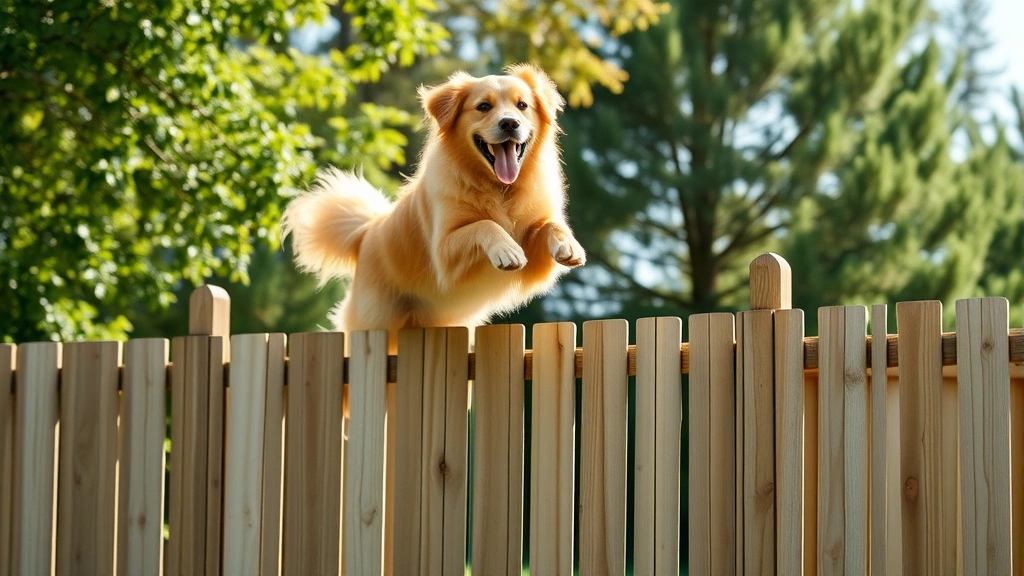
If you’re wondering how to keep dog from jumping fence, you’re not alone—this is one of the most frustrating problems dog owners face. One minute your pup is chilling in the backyard, and the next, they’re channeling their inner Olympic gymnast and launching themselves over the fence like it’s a hurdle at the Westminster Dog Show. Before your escape artist becomes a neighborhood legend (or worse, gets lost), let’s talk about why dogs jump fences and what actually works to stop them.
Table of Contents
- Why Dogs Jump Fences in the First Place
- Assess Your Dog’s Jumping Ability and Motivation
- Solution #1: Increase Physical Exercise and Mental Stimulation
- Solution #2: Modify Your Fence Height and Design
- Solution #3: Use Deterrents and Barriers
- Solution #4: Address Separation Anxiety
- Solution #5: Supervise and Redirect Behavior
- Solution #6: Create an Escape-Proof Enclosure
- Solution #7: Implement Positive Reinforcement Training
- Solution #8: Install Underground or Wireless Fencing
- Solution #9: Consult a Professional Trainer or Veterinarian
- Frequently Asked Questions
- Summary: Your Fence-Jumping Action Plan
Why Dogs Jump Fences in the First Place
Understanding the motivation behind fence-jumping is half the battle. Dogs aren’t trying to ruin your day—they’re responding to instincts and environmental triggers. Boredom is the biggest culprit. A dog with pent-up energy will literally vault over barriers just for entertainment. Then there’s prey drive: that squirrel on the other side of the fence might as well be waving a red flag. Some dogs jump because they’re anxious or lonely, while others do it because they can. If your dog is a Catahoula Leopard Dog or similar athletic breed, they’re genetically predisposed to jumping. Escape attempts also happen during mating season or when a dog detects other animals nearby.
Assess Your Dog’s Jumping Ability and Motivation
Not all fence jumpers are created equal. Some dogs are motivated by boredom, while others are driven by prey drive or separation anxiety. Before implementing solutions, watch your dog’s behavior. Does your pup jump when you leave? When they see other animals? When they’re understimulated? The answer determines your strategy. A dog jumping due to anxiety needs different intervention than one jumping out of sheer athleticism. Also, measure your dog’s actual jumping height—some breeds can clear six feet with ease, while others struggle with four feet.
Solution #1: Increase Physical Exercise and Mental Stimulation
This is the most effective solution and costs nothing but your time. A tired dog is a well-behaved dog. Aim for at least 30-60 minutes of vigorous exercise daily, depending on your dog’s breed and age. Take them on longer walks, run with them, play fetch obsessively, or try agility training. Mental stimulation is equally important—puzzle toys, nose work games, and training sessions engage their brain and tire them out faster than physical exercise alone. According to the American Kennel Club, high-energy breeds require consistent activity to prevent destructive behaviors like fence jumping.

Solution #2: Modify Your Fence Height and Design
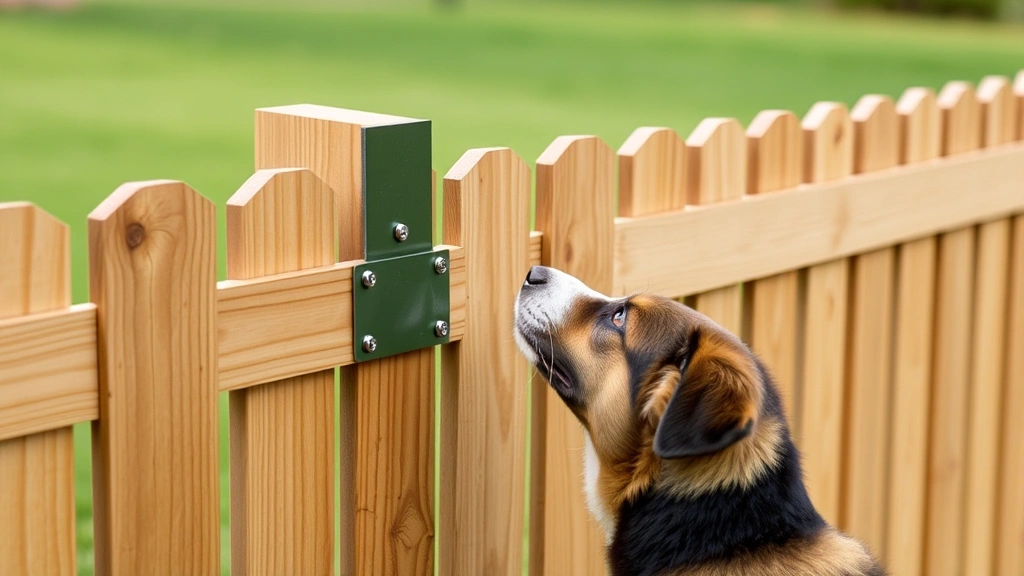
If your fence is less than five feet tall, consider raising it. Most dogs can jump 4-6 feet, so a six-foot fence is the minimum for athletic breeds. But here’s the trick: add an angled extension at the top that leans inward at a 45-degree angle. This makes the effective height much taller without requiring you to build a seven-foot wall. Alternatively, install a fence extension kit designed specifically for this purpose. Some owners add a roller bar or PVC pipe at the top, which spins when the dog tries to grab it, making jumping less appealing. Solid fencing is also better than chain-link because dogs can’t use the links as footholds.
Solution #3: Use Deterrents and Barriers
Physical and sensory deterrents can discourage jumping attempts. Install prickly plants like roses or holly bushes along the fence line (on your side, obviously—we’re not trying to hurt Fido). Motion-activated sprinklers startle dogs when they approach the fence. Some owners have success with specialized training collars that provide feedback when the dog approaches the fence, though this should only be used with professional guidance. Roller bars, spinning tops, and slippery fence toppers make climbing uncomfortable or impossible. The key is making fence-jumping feel unrewarding without causing pain or trauma.
Solution #4: Address Separation Anxiety
If your dog jumps the fence when you leave, separation anxiety might be the culprit. Start by desensitizing them to your departures. Leave for short periods and gradually increase the duration. Create a safe space in the house where your dog feels secure. Consider crate training if done properly. Anxiety medications or supplements like calming treats recommended by PetMD can help during the training process. Some dogs benefit from a companion animal or even interactive toys that dispense treats to keep them occupied. Professional trainers specializing in separation anxiety can provide personalized strategies.
Solution #5: Supervise and Redirect Behavior
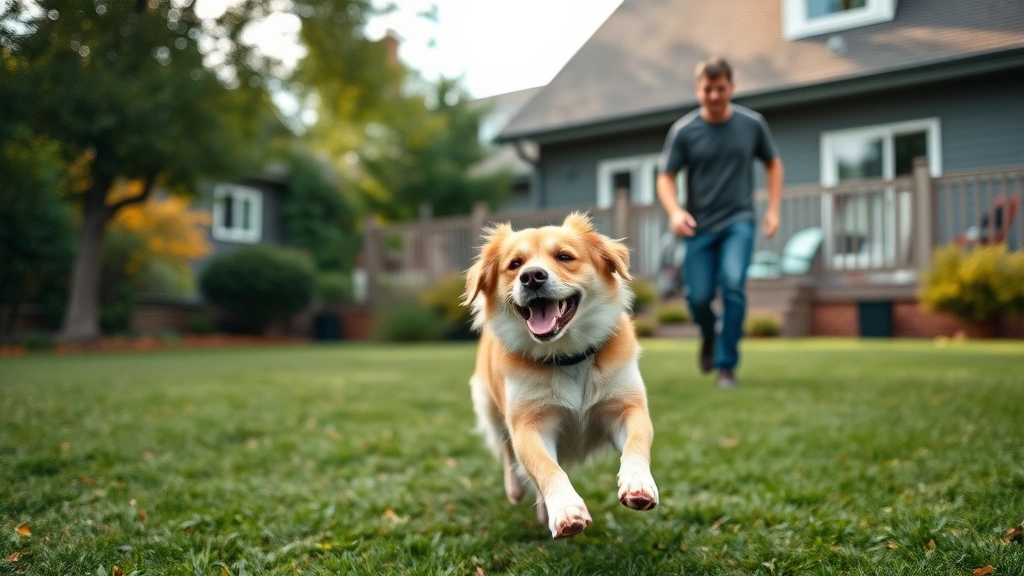
Never leave your dog unsupervised in the backyard if they’re a known fence jumper. This isn’t a long-term solution, but it prevents escapes while you implement other strategies. When your dog approaches the fence with intent to jump, redirect their attention with a toy, treat, or command. Reward calm behavior near the fence. This teaches them that staying put gets them good things, while jumping attempts get ignored. Consistency is crucial—everyone in your household needs to enforce the same rules.
Solution #6: Create an Escape-Proof Enclosure
For dogs with serious jumping abilities, consider a dog run or kennel within your yard. These are typically 4-6 feet tall and completely enclosed on top. While it limits freedom, it’s safer than a dog roaming the neighborhood. Alternatively, install a sustainable outdoor dog pen made from durable materials. Some owners create a “dog patio” with shade, water, and enrichment toys. It’s not ideal for all-day confinement, but it’s perfect for supervised outdoor time.
Solution #7: Implement Positive Reinforcement Training
Train a strong “leave it” or “stay” command specifically for the fence area. Use high-value treats and praise generously when your dog obeys. Practice in short sessions multiple times daily. Some trainers teach dogs to go to a specific spot in the yard (like a mat or dog bed) when they’re outside, effectively redirecting their energy. Clicker training works particularly well for this because it provides immediate feedback. The goal is making obedience more rewarding than fence exploration.

Solution #8: Install Underground or Wireless Fencing
Invisible fencing uses a buried wire and a special collar to create a boundary. When your dog approaches the fence line, they receive a vibration or mild shock warning. This works for some dogs but not others, and it doesn’t prevent other animals from entering your yard. Wireless systems are similar but don’t require digging. These are best used alongside other solutions and require proper training. They’re also more expensive than traditional modifications.
Solution #9: Consult a Professional Trainer or Veterinarian
If your dog’s jumping is extreme or driven by anxiety, a certified professional dog trainer or veterinary behaviorist can create a customized plan. They can identify underlying issues like medical problems, anxiety disorders, or behavioral issues that you might miss. Your vet can also rule out health conditions that might be causing abnormal behavior. Sometimes what looks like escape behavior is actually a symptom of something treatable. A professional consultation is worth the investment if DIY solutions aren’t working.
Frequently Asked Questions
Can I use electric fences to stop my dog from jumping?
Electric fences can work but aren’t ideal as a standalone solution. They teach avoidance through discomfort rather than addressing the underlying motivation. Many dogs still attempt jumps, and the collar doesn’t prevent escapes—it only punishes them. Electric fencing is best combined with environmental modifications and training.
What’s the best height for a dog fence?
Six feet is the minimum for athletic breeds. If you have a particularly athletic dog or a breed like a Husky or German Shepherd, consider going higher or adding an angled extension. The American Kennel Club recommends six feet for most dogs, but individual dogs vary.
How long does it take to stop a dog from jumping the fence?
It depends on the dog and the cause. If it’s boredom, increased exercise might solve it in weeks. If it’s anxiety-driven, training can take months. Consistency is more important than speed—stick with your chosen strategy for at least 4-6 weeks before deciding it’s not working.
Can I train my dog not to jump the fence?
Yes, with patience and consistency. Focus on positive reinforcement for calm behavior, strong obedience commands, and addressing the underlying motivation. Some dogs are easier to train than others, but most can learn that staying put is more rewarding than jumping.

What if my dog jumps the fence and gets lost?
Microchip your dog immediately if you haven’t already. Ensure your contact information is current. Post on local lost pet groups, contact shelters and vets, and search the neighborhood. Prevention is always better than dealing with a lost dog.
Summary: Your Fence-Jumping Action Plan
Keeping your dog from jumping the fence requires a multi-pronged approach. Start with the easiest solution: increase exercise and mental stimulation. Then move to environmental modifications like raising your fence or adding deterrents. If your dog’s jumping is anxiety-driven, address that separately. Combine physical solutions with positive reinforcement training for the best results. Remember, how to keep dog from jumping fence isn’t a one-size-fits-all answer—it depends on your dog’s age, breed, health, and motivation. Be patient, stay consistent, and don’t hesitate to call in a professional if you’re stuck. Your pup will thank you for keeping them safe at home.
For more information about specialized training tools, check out our guide on virtual pet checkups to discuss fence-jumping concerns with your vet remotely.





