
Learning how to keep dogs off lawn areas—whether it’s your own pooch or the neighbor’s furry troublemakers—can save your grass from becoming a muddy, brown disaster zone. If you’re tired of watching your lawn transform into a canine bathroom and playground, you’re not alone. Dog owners everywhere struggle with this exact problem, and the good news is there are legitimate, humane solutions that actually work.
Table of Contents
- Why Dogs Love Your Lawn (And Why It’s a Problem)
- Method 1: Physical Barriers and Fencing Solutions
- Method 2: Scent-Based Deterrents for Dog Lawn Prevention
- Method 3: Taste Deterrents and Training Treats
- Method 4: Proper Training and Designated Potty Areas
- Method 5: Lawn Care and Environmental Management
- Dealing With Neighbor’s Dogs on Your Lawn
- Combining Methods for Maximum Effectiveness
- Safety Considerations and Humane Practices
- Long-Term Lawn Health and Prevention
- Frequently Asked Questions
- Conclusion: Reclaim Your Lawn
Why Dogs Love Your Lawn (And Why It’s a Problem)
Dogs aren’t trying to ruin your lawn out of spite. They’re drawn to grass for several perfectly logical reasons: it’s soft on their paws, it smells interesting, and it’s the perfect spot for their bathroom breaks. The problem? Their urine creates yellow patches, their digging creates holes, and their constant foot traffic compacts the soil and kills the grass. Over time, your beautiful lawn looks like a war zone.
The real issue is that dogs see your lawn as an open invitation. It’s accessible, it’s comfortable, and there’s nothing stopping them from treating it like their personal playground. That’s where intervention comes in.
Method 1: Physical Barriers and Fencing Solutions
The most straightforward approach to preventing dogs from accessing your lawn is installing physical barriers. A sturdy fence is the gold standard—it keeps unwanted dogs out while containing your own dog safely on your property.
If a full fence isn’t in your budget, consider these alternatives:
- Garden fencing: Low decorative fencing (18-24 inches) works surprisingly well as a psychological deterrent, even if a determined dog could jump it.
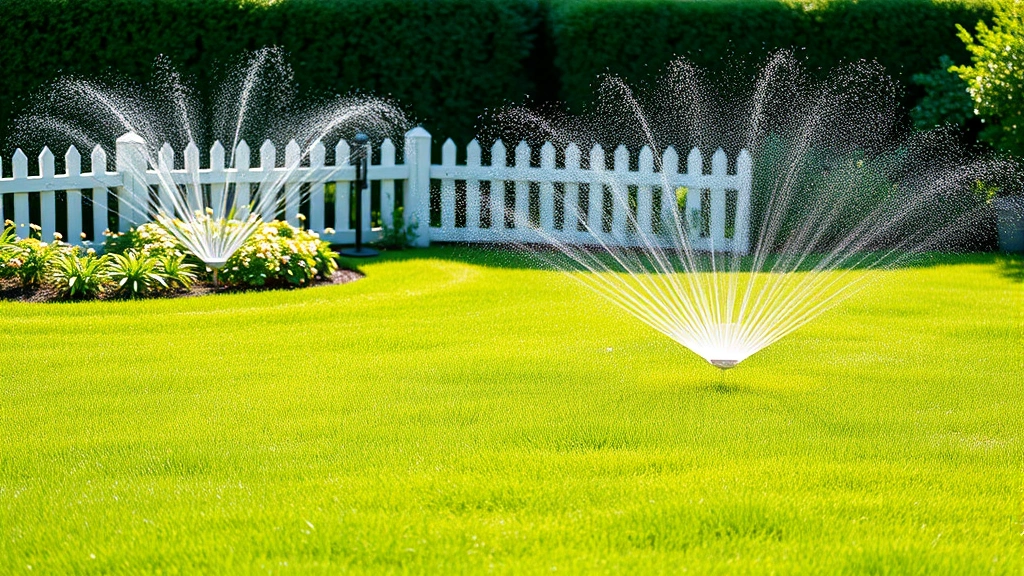
- Motion-activated sprinklers: These startle dogs and create an unpleasant association with your lawn without causing harm.
- Netting or mesh: Temporary solutions that work well for protecting specific garden areas.
For your own dog, creating a dedicated potty area using gravel or artificial turf in a corner of your yard redirects bathroom behavior away from your main lawn. You can even use biodegradable pet waste bags to make cleanup easier and more environmentally friendly.
Method 2: Scent-Based Deterrents for Dog Lawn Prevention
Dogs navigate the world through their noses, so scent-based deterrents are incredibly effective. These work on the principle that certain smells make your lawn unappealing without harming the dog.
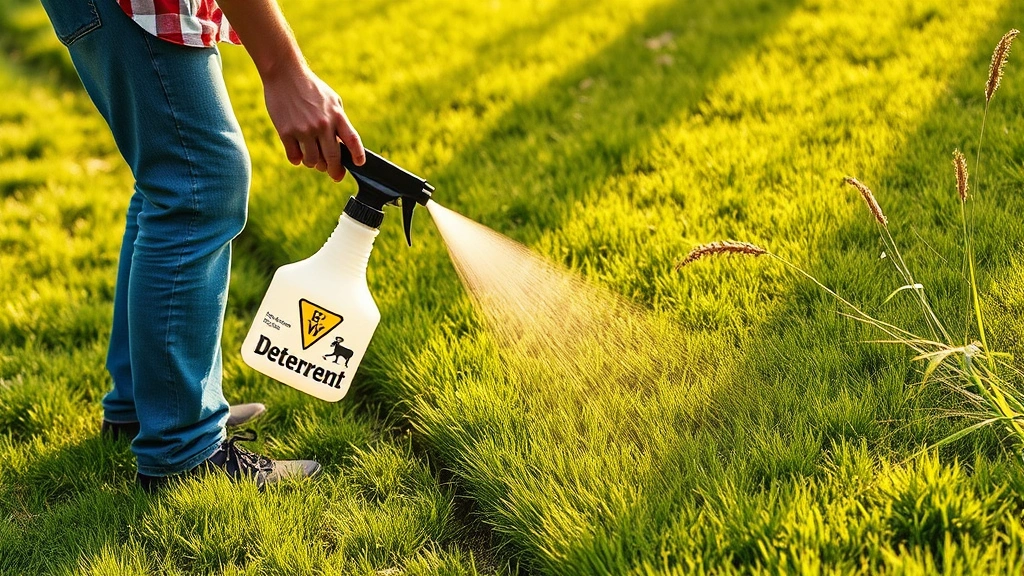
Commercial deterrent sprays containing capsaicin (the compound that makes peppers spicy) or ammonia create an unpleasant sensory experience. Dogs quickly learn that your lawn smells bad and move on to greener pastures—literally.
Natural alternatives include:
- Citrus peels scattered around the lawn (dogs hate citrus)
- Vinegar spray applied to problem areas
- Coffee grounds mixed into the soil
- Predator urine (yes, really—coyote or bobcat urine signals danger)
The key is reapplying these deterrents regularly, especially after rain. They’re not a permanent solution, but they’re an excellent short-term strategy while you implement other methods.
Method 3: Taste Deterrents and Training Treats
If scent doesn’t work, taste deterrents are your next line of defense. These are completely safe but taste absolutely terrible to dogs. Products containing bittering agents like denatonium benzoate create such an unpleasant experience that dogs avoid the treated area.
These work best when combined with positive reinforcement. When your dog avoids the lawn, reward them with training treats from human food in a designated potty area. This teaches them exactly where you want them to go instead.
The beauty of taste deterrents is that they’re non-toxic and work on most dogs. However, some stubborn pups might test them anyway, so consistency is crucial.
Method 4: Proper Training and Designated Potty Areas
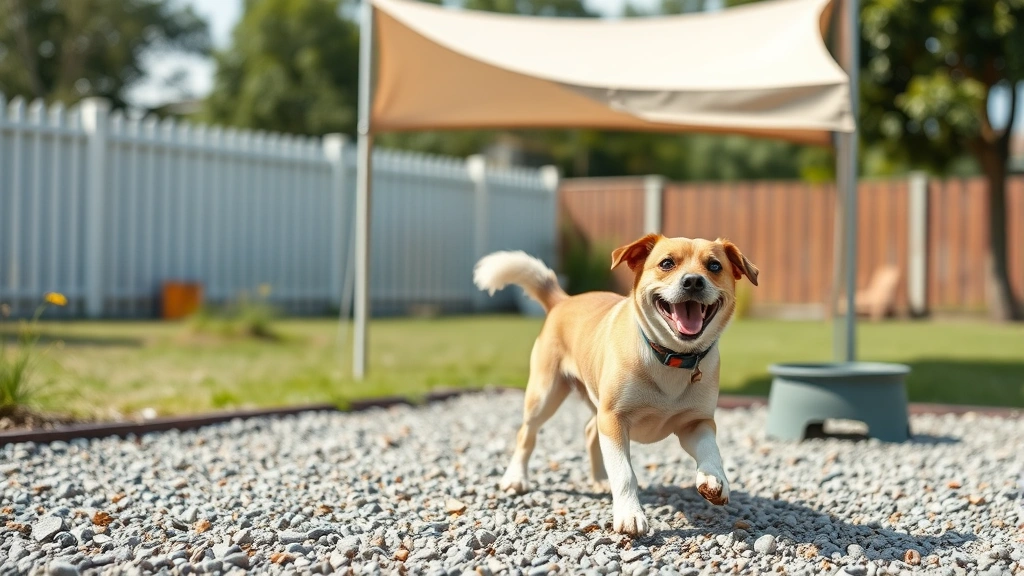
Prevention starts with training. If you own the dog causing lawn damage, establishing a designated potty area is non-negotiable. Choose a specific spot—ideally an area with gravel, mulch, or artificial turf—and consistently take your dog there.
Here’s the training protocol:
- Take your dog to the designated area on a regular schedule (after meals, before bed, after playtime)
- Use a command like “go potty” consistently
- Immediately praise and reward with treats when they comply
- Never allow free roaming on the main lawn without supervision
This method requires patience but creates lasting behavioral change. Most dogs can be retrained within 2-4 weeks if you’re consistent. The key is never punishing accidents—only rewarding desired behavior in the right location.
Method 5: Lawn Care and Environmental Management
Sometimes the solution involves making your lawn less appealing and your yard more comfortable overall. Dogs often damage lawns because they’re seeking relief, especially in hot weather.
Consider these environmental modifications:
- Shade structures: A simple canopy or dog shelter gives your dog a cool place to rest besides the lawn
- Water stations: Dehydrated dogs seek wet grass to cool down. Provide fresh water and a cooling dog bed as alternatives
- Increased exercise: A tired dog is less likely to dig and destroy. More exercise means less lawn damage
- Lawn hardening: Use hardy grass varieties that can withstand dog traffic, like fescue or Bermuda grass
Additionally, maintain your lawn’s health. Healthy grass recovers faster from damage and is less appealing for digging. Regular watering, proper fertilization, and aeration all contribute to a more resilient lawn.
Dealing With Neighbor’s Dogs on Your Lawn
If the problem is your neighbor’s dog, not your own, the approach shifts slightly. Direct communication is your first step—many neighbors don’t realize their dog is causing damage and will appreciate knowing.
If polite conversation doesn’t work, document the damage and consider:
- Installing motion-activated sprinklers (humane and effective)
- Applying scent deterrents to your property line
- Installing fencing or barriers
- Consulting local animal control if the dog poses a safety risk
Most municipalities have ordinances about dogs trespassing on private property. Know your local laws before taking action.
Combining Methods for Maximum Effectiveness
The most successful dog lawn prevention strategy combines multiple methods. For example, use physical barriers as your first line of defense, scent deterrents as a secondary measure, and training as a long-term solution.
Think of it like layered security. One method might fail, but multiple methods working together create an environment where dogs naturally choose to go elsewhere. Consistency matters more than perfection—if you’re sporadic with deterrents or training, dogs will test your boundaries.
Safety Considerations and Humane Practices
Whatever method you choose, prioritize the dog’s safety and well-being. Avoid harmful chemicals, electric shocks, or anything that could injure the animal. The goal is to discourage unwanted behavior, not cause suffering.
All the methods discussed here are humane and endorsed by veterinary behaviorists. They work with the dog’s natural instincts rather than against them, creating lasting behavior change without stress or fear.
Long-Term Lawn Health and Prevention
Once you’ve successfully kept dogs off your lawn, maintain the results by:
- Keeping deterrents in place and refreshing them regularly
- Continuing consistent training and positive reinforcement
- Maintaining your lawn’s health so it’s naturally less appealing for digging
- Monitoring for new dogs entering your yard and addressing them immediately
- Using healthy snack alternatives for dogs as rewards during ongoing training
Prevention is always easier than correction, so stay vigilant even after you’ve solved the problem.
Frequently Asked Questions
What’s the fastest way to keep dogs off my lawn?
Motion-activated sprinklers provide immediate results. Dogs learn within 1-2 exposures that your lawn triggers an unpleasant surprise, and they’ll avoid it. Pair this with physical barriers for best results.
Are commercial dog deterent sprays safe?
Yes, products approved by the EPA and recommended by veterinarians are completely safe. They taste bad but contain no toxic ingredients. Always follow label instructions and test on a small area first.
How long does it take to train a dog to use a designated potty area?
Most dogs adapt within 2-4 weeks with consistent training. Some learn in days, while stubborn dogs might take 6-8 weeks. The key is never punishing accidents and always rewarding correct behavior.
Will dog urine damage my lawn permanently?
No, but it requires intervention. The nitrogen in urine burns grass, creating brown patches. Immediately flush affected areas with water, overseed, and implement prevention methods to stop future damage.
Can I use ammonia or bleach as dog deterrents?
While dogs dislike these smells, they’re harsh chemicals that can harm your lawn and potentially irritate the dog’s respiratory system. Stick with commercial deterrents specifically designed for this purpose.
What if my own dog keeps ignoring training?
Consult a professional dog trainer or veterinary behaviorist. Some dogs have underlying issues (anxiety, medical problems) that make training difficult. A professional can identify and address these root causes.
Conclusion: Reclaim Your Lawn
Learning how to keep dogs off lawn areas doesn’t require extreme measures or harsh chemicals. By combining physical barriers, scent and taste deterrents, proper training, and environmental management, you can successfully protect your lawn while keeping dogs safe and happy.
The most important factor is consistency. Dogs are creatures of habit—if you implement these methods consistently, they’ll quickly learn that your lawn is off-limits. Start with the method that fits your situation best, then layer in additional strategies for maximum effectiveness.
Your beautiful, dog-free lawn is within reach. With patience, persistence, and the right approach, you’ll be enjoying a healthy yard free from muddy paw prints and yellow patches in no time.





