
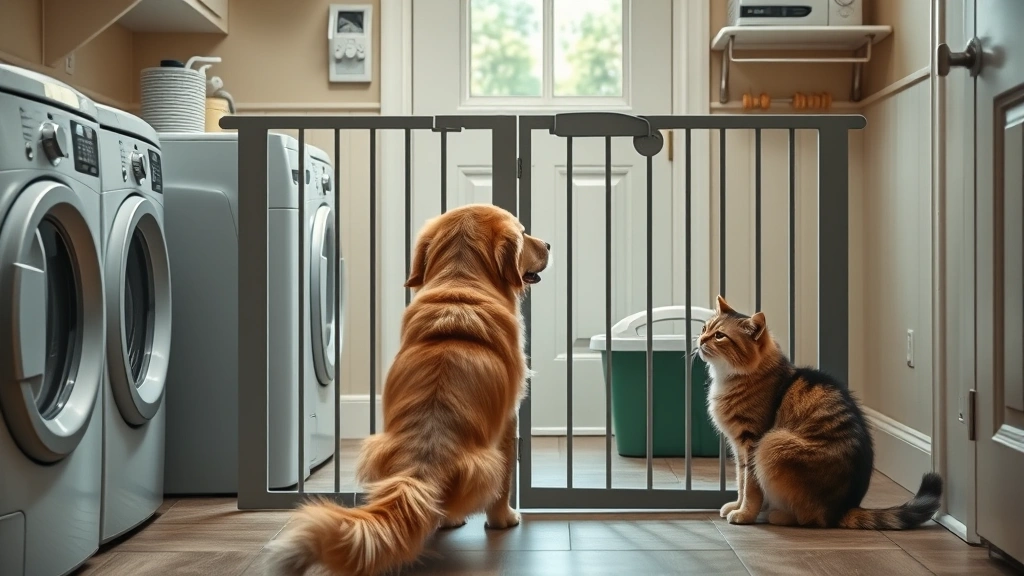
If you’re wondering how to keep dogs out of cat box, you’re not alone—this is one of the most common multi-pet household headaches. Your dog sees the litter box as an all-you-can-eat buffet, while your cat is mortified by the invasion of privacy. It’s gross, it’s frustrating, and it needs to stop. The good news? There are proven strategies that actually work, and we’re breaking them all down for you.
Table of Contents
- Why Dogs Are Obsessed with Cat Litter Boxes
- Method 1: Strategic Litter Box Placement for Dog Prevention
- Dog-Proof Litter Box Covers and Enclosures
- Training Your Dog to Respect Boundaries
- Managing Diet to Reduce Litter Box Temptation
- Enzymatic Cleaners and Odor Control Solutions
- Using Deterrents and Aversive Techniques
- Managing Multiple Pets and Litter Box Logistics
- When to Call in Professional Help
- Creating a Harmonious Multi-Pet Home
- Frequently Asked Questions
Why Dogs Are Obsessed with Cat Litter Boxes
Before we tackle solutions, let’s understand the enemy. Dogs are attracted to cat litter boxes for one simple reason: cat waste smells amazing to them. Seriously. From a dog’s perspective, it’s a treasure trove of scents and flavors. It’s not that your dog is trying to be gross (okay, maybe a little)—they’re just following their nose and their evolutionary instincts. Cats are obligate carnivores, which means their waste contains concentrated proteins and nutrients that dogs find irresistible. Add in the fact that the litter box is often in a quiet, accessible location, and you’ve got the perfect storm of temptation.
Method 1: Strategic Litter Box Placement for Dog Prevention
Location is everything. The easiest way to prevent your dog from accessing the litter box is to put it somewhere your pup simply can’t reach. Consider these options:
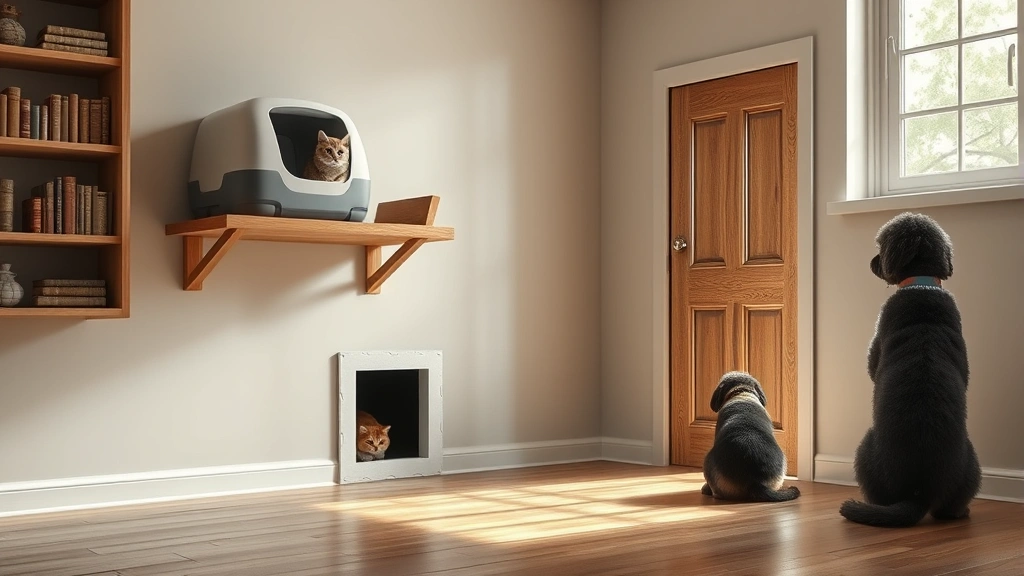
- High shelves or elevated surfaces: Cats can jump; dogs usually can’t (unless you’ve got a very athletic breed). Install a cat-only shelf in a bedroom, laundry room, or bathroom.
- Behind a baby gate: Use a standard or expandable baby gate to block off a section of a room. Cats can jump over or squeeze through; dogs stay out.
- Dedicated cat room: If you have a spare bedroom or bathroom, make it a cat sanctuary. Install a cat door (the small ones that only cats can fit through) so your feline has exclusive access.
- Basement or attic access: If your home has these spaces, a litter box tucked away in a climate-controlled basement might be perfect.
The key is making the litter box easily accessible to your cat while creating a physical barrier for your dog. This isn’t about punishing the dog—it’s about smart home design.
Dog-Proof Litter Box Covers and Enclosures
Not everyone has the luxury of a separate cat room or high shelves. That’s where specialized litter box covers come in. These ingenious products are designed with a small entrance that dogs can’t squeeze through but cats can navigate easily. Some popular options include:
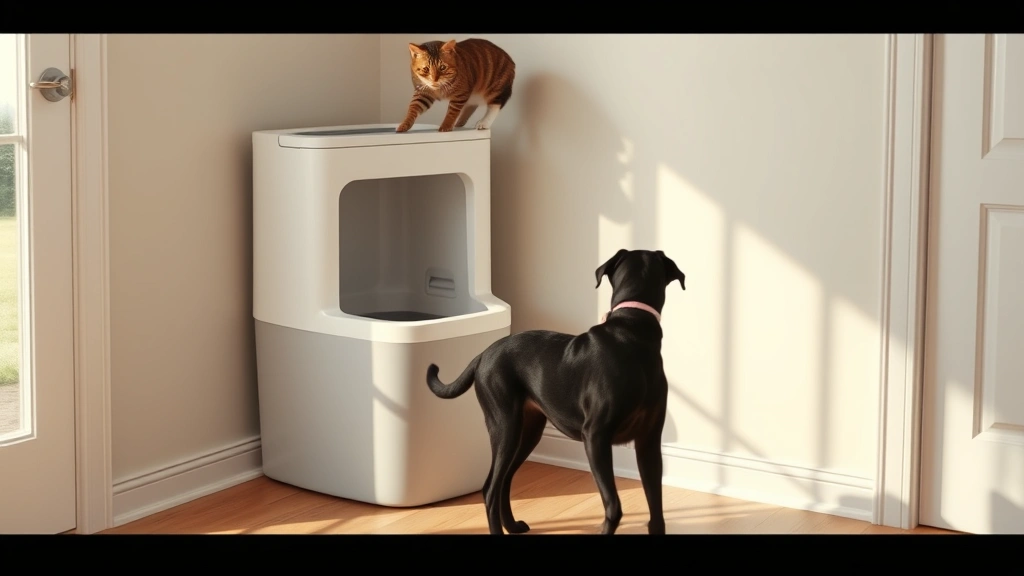
- Top-entry litter boxes: The entrance is on top, so your cat jumps in from above while your dog has zero access from ground level.
- Corner litter boxes with hoods: These fit snugly in corners and have a narrow opening that’s perfect for cats but too small for most dogs.
- Automatic litter boxes: Many automatic models have narrow access points that naturally deter larger pets.
When shopping for a cover, measure your dog’s snout width. If your dog can’t fit their head through the opening, they can’t get to the litter. Simple math. These enclosures also help contain litter tracking and give your cat a sense of privacy, which is a win-win.
Training Your Dog to Respect Boundaries
Some dogs respond well to basic obedience training around the litter box area. Here’s how to approach it:
- Teach the “leave it” command: Practice this command in other contexts first, then gradually work near the litter box. Reward heavily when your dog ignores the box.
- Create a “no-go zone”: Use consistent verbal cues and redirection. When your dog approaches the litter box, say “no” firmly and redirect to a toy or activity.
- Use positive reinforcement: Reward your dog with training treats from human food when they walk past the litter box without investigating. This reinforces good behavior.
- Supervise and manage: During the training period, keep your dog on a leash indoors when you can’t actively supervise. This prevents sneaky litter box raids.
Training takes patience and consistency, but it can work, especially for dogs that are already responsive to commands. The key is catching them in the act and redirecting immediately.
Managing Diet to Reduce Litter Box Temptation
Here’s an interesting angle: sometimes the problem isn’t just access—it’s what’s in the litter box. If your cat is eating high-quality food, their waste will be more aromatic and appealing to your dog. Consider these dietary adjustments:
- Feed your cat premium food: Counterintuitively, higher-quality cat food with better digestibility can mean less smelly waste. Less smell = less temptation.
- Check for food allergies: If your cat has food allergies in pets, their digestive issues could be creating extra-pungent waste. Addressing allergies helps everyone.
- Avoid foods that increase odor: Certain fish-based foods and treats can intensify litter box smell. Talk to your vet about optimal nutrition.
This is a more indirect approach, but combined with other methods, it can reduce your dog’s motivation to raid the box in the first place.
Enzymatic Cleaners and Odor Control Solutions
Even if you can’t eliminate access completely, you can reduce the smell that draws your dog in. Enzymatic cleaners break down the compounds in cat waste that create that irresistible odor:
- Enzymatic litter: Some litters contain enzymes that reduce odor naturally.
- Enzymatic sprays: Use these around (not in) the litter box to neutralize lingering smells.
- Baking soda: A simple, non-toxic option that absorbs odors. Sprinkle it in the litter box or around the area.
- Activated charcoal: Highly effective at odor absorption without chemicals.
Scoop daily (multiple times if possible) to prevent odor buildup. Fresh litter is far less tempting than old, stinky litter.
Using Deterrents and Aversive Techniques
If your dog is particularly stubborn, you might need to make the litter box actively unpleasant for them:
- Motion-activated sprays: These devices release a harmless burst of air or spray when your dog approaches, startling them away.
- Citrus or bitter sprays: Dogs hate these smells and tastes. Spray around the litter box area (not on the litter itself).
- Aluminum foil or plastic sheeting: Some dogs dislike the texture and sound. Lay it around the litter box.
- Upside-down carpet runner: The nubby texture is uncomfortable for paws. Dogs learn to avoid it.
These methods work best when combined with positive reinforcement for staying away from the area. You’re teaching your dog that the litter box area = not fun.
Managing Multiple Pets and Litter Box Logistics
The golden rule of multi-pet households: have one litter box per cat, plus one extra. So if you have two cats, get three boxes. This reduces competition and stress, which can actually help with behavioral issues. Place boxes in different locations if possible—one upstairs, one downstairs, one in a quiet corner.
When you have multiple litter boxes in different locations, it’s easier to keep at least one out of your dog’s reach. Spread them out strategically around your home. This also gives your cats options and reduces the likelihood of litter box aversion (when cats stop using boxes because they’re stressed or dirty).
When to Call in Professional Help
If you’ve tried everything and your dog is still obsessed with the litter box, it might be time to consult a veterinary behaviorist. Sometimes excessive litter box interest indicates underlying issues:
- Nutritional deficiencies: Some dogs eat poop or litter because they’re missing essential nutrients. Your vet can run tests and adjust diet accordingly.
- Medical issues: Certain conditions can increase a dog’s drive to consume feces (coprophagia). Your vet needs to rule these out.
- Behavioral disorders: Obsessive behaviors sometimes require professional training intervention or even medication.
A vet can also check if your dog has ingested litter or cat feces, which can cause digestive upset or parasites. If you notice your dog vomiting, having diarrhea, or showing signs of illness after litter box access, seek veterinary care immediately. Check our guide on harmful foods for dogs and potential toxins your pup might encounter.
Creating a Harmonious Multi-Pet Home
The ultimate goal is peaceful coexistence. Your cat needs a clean, private place to do their business, and your dog needs to respect those boundaries. It’s not impossible—millions of households successfully manage dogs and cats together.
Start by implementing the easiest solutions first (strategic placement, covers), then layer in training and environmental management. Most dogs respond well when you make the litter box inaccessible while simultaneously rewarding them for ignoring it. Within a few weeks to a couple of months, you should see improvement.
Remember, this is a management issue first and a training issue second. You can’t train a dog to ignore something they can easily access, so focus on preventing access while you work on obedience. Be patient, stay consistent, and celebrate small wins. Your multi-pet household will thank you.
Frequently Asked Questions
Is it dangerous for dogs to eat cat litter or feces?
Yes, it can be. Cat litter can cause intestinal blockages, especially clumping litter. Cat feces may contain parasites, bacteria, or toxins harmful to dogs. If your dog regularly accesses the litter box, monitor them closely for vomiting, diarrhea, constipation, or lethargy. Contact your vet if you notice any of these signs.
What’s the best type of litter box cover for dogs?
Top-entry litter boxes are generally most effective because dogs can’t access them from ground level. Look for one with an opening diameter smaller than your dog’s head width. Brands like Modkat and Litter Robot have excellent dog-resistant designs.
Can I use punishment to stop my dog from going to the litter box?
Punishment is generally ineffective and can damage your relationship with your dog. Dogs don’t understand punishment for accessing the litter box when you’re not around. Instead, focus on prevention (blocking access) and positive reinforcement (rewarding them for ignoring it).
How often should I clean the litter box to reduce dog interest?
Ideally, scoop at least once daily, preferably twice. Some cats and their human companions do multiple scoops throughout the day. The fresher the litter, the less odorous it is, and the less tempting to your dog. Do a full litter change weekly.
Will my cat be stressed by restricted litter box access?
Not if you make it easily accessible to them. Cats are excellent jumpers and climbers. As long as your cat can comfortably reach the box, they won’t be stressed. In fact, elevated or enclosed boxes often make cats feel safer and more secure.
Are there any medications that can help reduce my dog’s interest in cat waste?
Some supplements like “Forbid” or “Deter” are designed to make feces taste unpleasant, but they’re not universally effective. Talk to your vet about whether these might help your specific dog. Most vets recommend environmental management and training first.
Can I train my dog to use a separate litter box?
Some dog owners have successfully trained their dogs to use designated outdoor areas or even litter boxes of their own, but this is advanced training. It’s usually easier to simply prevent access to the cat’s box than to teach your dog an alternative behavior.





