
If you’re wondering how to keep flies off of a dog, you’re not alone—and honestly, it’s a problem that deserves more attention than it usually gets. Flies aren’t just annoying; they can land on your pup’s eyes, ears, nose, and even open wounds, potentially causing infections and serious discomfort. Whether your dog spends time outdoors or just hangs out in the backyard, flies are basically uninvited guests that won’t take the hint to leave. The good news? There are several proven strategies to keep these buzzing pests away from your furry friend.
Table of Contents
- Why Flies Are Attracted to Dogs in the First Place
- Method 1: Use Dog-Safe Insect Repellents and Sprays
- Method 2: Keep Your Dog’s Environment Clean and Dry
- Method 3: Apply Protective Clothing and Barriers
- Method 4: Maintain Your Dog’s Health and Skin Condition
- Method 5: Use Natural Remedies and Supplements
- Fly Prevention for Dogs with Specific Vulnerabilities
- When to Call Your Veterinarian
- Creating a Fly-Free Zone for Your Dog
- Frequently Asked Questions
- Summary: Your Action Plan for Fly-Free Dogs
Why Flies Are Attracted to Dogs in the First Place
Before we dive into solutions, let’s talk about why flies find dogs so irresistible. Flies are attracted to moisture, warmth, and organic matter—basically everything a dog naturally has going on. They’re particularly drawn to areas around your dog’s eyes, ears, and any skin that’s moist or irritated. If your pup has any cuts, sores, or even just damp fur from swimming or sweating, flies will zero in like they’ve got a GPS tracker. Understanding this helps you tackle the problem more effectively.
Method 1: Use Dog-Safe Insect Repellents and Sprays
One of the most straightforward ways to prevent flies from bothering your dog is using insect repellents specifically designed for pets. Look for sprays containing natural ingredients like citronella, eucalyptus, or lavender—these scents repel flies without harming your pup. Always check that any product you use is labeled as safe for dogs, as some human insect repellents contain DEET, which can be toxic to pets. Apply these sprays to your dog’s coat, focusing on areas flies love most: the ears, face, and any exposed skin. Reapply after your dog gets wet or every few hours if they’re spending extended time outdoors. For more information on keeping your dog healthy overall, check out our guide on immune-boosting foods for pets to strengthen their natural defenses.
Method 2: Keep Your Dog’s Environment Clean and Dry
Flies thrive in dirty, damp environments, so maintaining a clean space is crucial for fly prevention. After your dog comes inside from playing outside, dry them off thoroughly, especially around the paws and underbelly. Keep your dog’s bedding clean and dry, washing it regularly to remove any organic matter that might attract flies. If your pup spends time in the yard, remove any standing water, fallen food, or waste immediately—these are basically five-star restaurants for flies. A clean environment is one of the most effective (and cheapest) ways to keep flies away. You might also want to review our pet food safety guide to ensure leftover food isn’t attracting pests.
Method 3: Apply Protective Clothing and Barriers
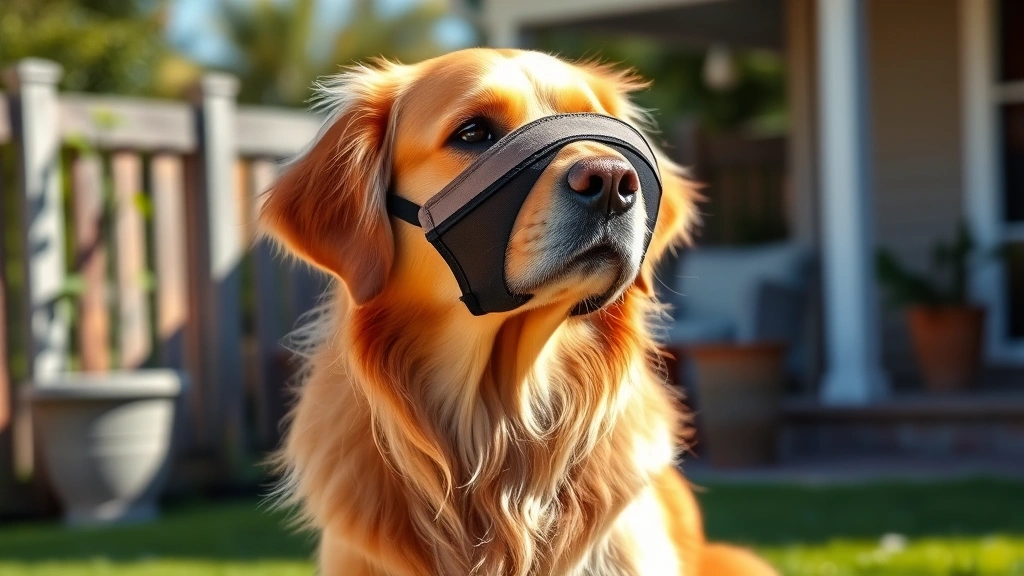
Sometimes the simplest solution is a physical barrier. Consider using lightweight, breathable dog clothing like fly masks or protective vests designed to shield your pup from insects. Fly masks are particularly useful for dogs with sensitive eyes or those prone to fly bites around the face. These masks allow your dog to see and breathe normally while creating a protective barrier that flies can’t penetrate. For dogs with open wounds or hot spots, you can also use protective bandaging or specially designed wound covers that keep flies away while still allowing the area to breathe and heal properly.
Method 4: Maintain Your Dog’s Health and Skin Condition
A healthy dog with good skin condition is less attractive to flies than one with irritated or damaged skin. Flies are drawn to inflammation, open sores, and areas of dermatitis. By keeping your dog’s skin healthy through proper grooming, regular baths, and a nutrient-rich diet, you reduce the likelihood of the conditions that attract flies. Anti-inflammatory foods for pets can help reduce skin irritation and itching, making your dog less of a target. Regular brushing also helps you spot any skin issues early before they become attractive to flies. If your dog has chronic skin problems, consult your vet about underlying allergies or conditions that might need treatment.
Method 5: Use Natural Remedies and Supplements
Some pet owners swear by natural supplements and remedies for fly prevention. Garlic and brewer’s yeast are popular options—when added to your dog’s diet, they can create a scent in the skin that flies find unattractive. Apple cider vinegar is another natural remedy some people use, though you should always consult your vet before adding anything new to your dog’s diet. Essential oils like peppermint and lemongrass can be diluted and applied to your dog’s collar or bedding (never directly on skin without proper dilution). While these natural methods work for some dogs, results vary, and they’re best used as part of a comprehensive fly-prevention strategy rather than a standalone solution.
Fly Prevention for Dogs with Specific Vulnerabilities
Some dogs are more vulnerable to fly problems than others. Senior dogs, puppies, and those with existing health conditions are particularly at risk. Dogs with ear infections or skin conditions are especially attractive to flies because the flies can feed on discharge and damaged tissue. If your dog falls into any of these categories, you’ll want to be extra vigilant about fly prevention. Keep a closer eye on vulnerable areas, consider more frequent applications of repellent, and don’t hesitate to reach out to your vet if you notice flies are becoming a persistent problem despite your efforts.
When to Call Your Veterinarian
While most fly problems are just annoying, there are situations where you should contact your vet. If your dog has been bitten by flies and shows signs of infection—like increased swelling, discharge, or fever—get them checked out. Some dogs develop allergic reactions to fly bites, which can cause excessive scratching and secondary infections. If your dog has open wounds or sores that are attracting flies, your vet can help treat the underlying issue and recommend the best protection strategy. Additionally, if your dog seems unusually bothered by flies or is showing behavioral changes related to fly bites, professional advice is worth seeking.
Creating a Fly-Free Zone for Your Dog
The most effective approach to keeping flies off your dog combines multiple methods. Create an outdoor space that’s less attractive to flies by eliminating standing water, keeping the area clean, and using fans (flies are weak fliers and struggle against air movement). Indoors, use window screens and keep doors closed to prevent flies from entering your home. If your dog spends time in a specific area, consider using fly traps or sticky papers nearby to catch flies before they can bother your pup. Consistency is key—what works best is a layered approach that addresses the problem from multiple angles.
Frequently Asked Questions
Can I use human insect repellent on my dog?
No, you should never use human insect repellent on your dog. Many contain DEET or other chemicals that are toxic to pets. Always use products specifically formulated for dogs, or consult your vet about safe alternatives.

Are fly bites dangerous for dogs?
While occasional fly bites are usually just annoying, repeated bites can lead to infection, especially if your dog scratches them open. Some dogs also develop allergic reactions to fly bites, which can require veterinary treatment.
How often should I reapply fly repellent spray?
Most dog-safe insect repellent sprays should be reapplied every 4-6 hours or after your dog gets wet. Always follow the specific product’s instructions for the best results.
What’s the best natural fly repellent for dogs?
Garlic and brewer’s yeast added to your dog’s diet are popular natural options, though results vary. Essential oils like peppermint and lemongrass can also work when properly diluted, but always consult your vet first.
Why are flies attracted to my dog’s ears?
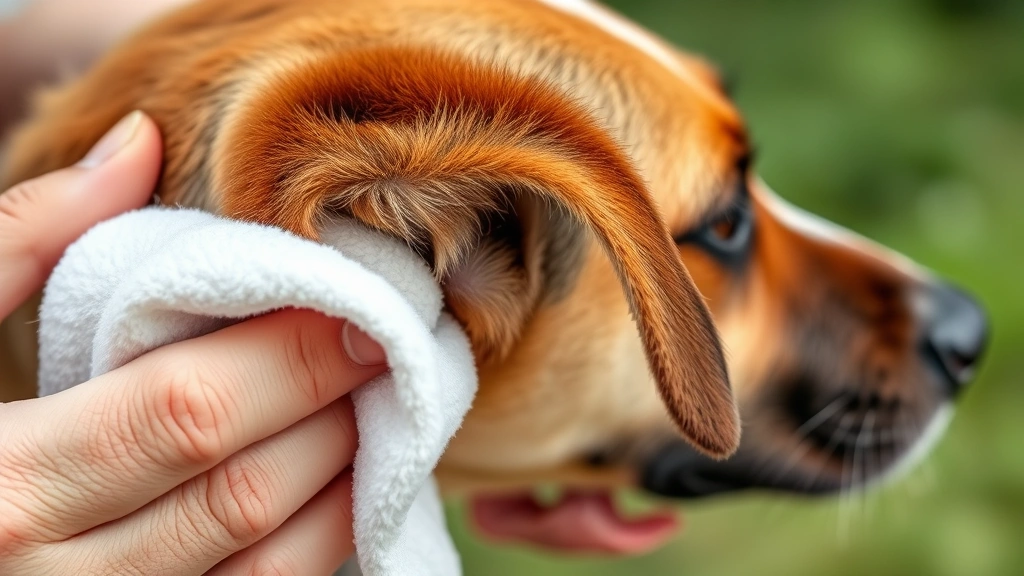
Flies love the warm, moist environment inside a dog’s ears. They’re also attracted to any discharge or wax buildup. Regular ear cleaning and keeping ears dry helps prevent fly attraction to this area.
Summary: Your Action Plan for Fly-Free Dogs
Learning how to keep flies off of a dog doesn’t have to be complicated. Start by using dog-safe insect repellents, maintaining a clean and dry environment, and keeping your pup’s skin healthy through proper grooming and nutrition. Consider protective clothing like fly masks for vulnerable dogs, and don’t underestimate the power of natural remedies as supplementary tools. Remember that consistency matters more than perfection—combining several methods gives you the best chance of keeping those pesky flies away from your furry friend. If flies become a persistent problem despite your efforts, or if your dog develops signs of infection from fly bites, reach out to your veterinarian for professional guidance. Your dog will thank you for the peace and comfort you’re providing. For additional support in keeping your dog healthy, explore our resources on healthy snack alternatives for dogs to ensure their overall wellness.





