
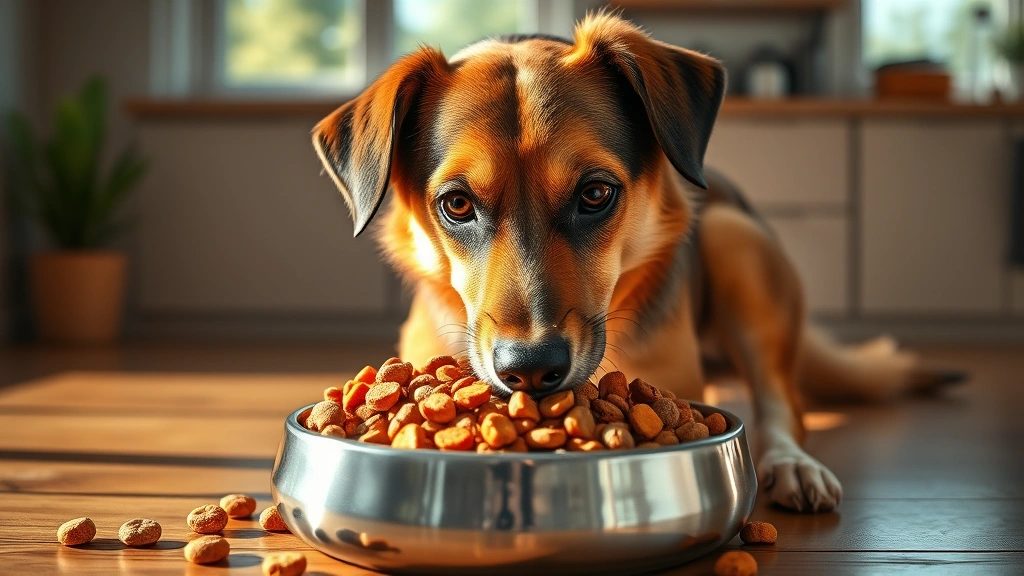
If you’re wondering how to make my dog gain weight, you’re not alone—plenty of dog parents deal with skinny pups who seem to burn calories faster than a sports car burns gas. Whether your furry friend is a rescue who’s still recovering, a picky eater, or just naturally lean, helping them reach a healthy weight is totally doable with the right approach.
Table of Contents
- Why Is Your Dog Underweight?
- Tip #1: Switch to High-Calorie Dog Food
- Tip #2: Increase Meal Frequency and Portion Sizes
- Tip #3: Add Calorie-Dense Toppers and Mix-Ins
- Tip #4: Incorporate Healthy Human Foods
- Tip #5: Use High-Energy Treats and Supplements
- The Role of Exercise in Dog Weight Gain
- Monitor Progress and Adjust as Needed
- Common Mistakes to Avoid
- Summary: Your Action Plan
- Frequently Asked Questions
Before we dive into the nitty-gritty, let’s be real: a dog that’s too thin isn’t just aesthetically concerning—it can signal underlying health issues. But with some strategic feeding changes and a bit of patience, you can help your pooch pack on the pounds in a healthy way.
Why Is Your Dog Underweight?
First things first—you need to figure out WHY your dog isn’t gaining weight. Is your pup recovering from illness? Does he have a high metabolism? Is he picky about food? Understanding the root cause makes all the difference when you’re trying to help your dog gain weight properly.
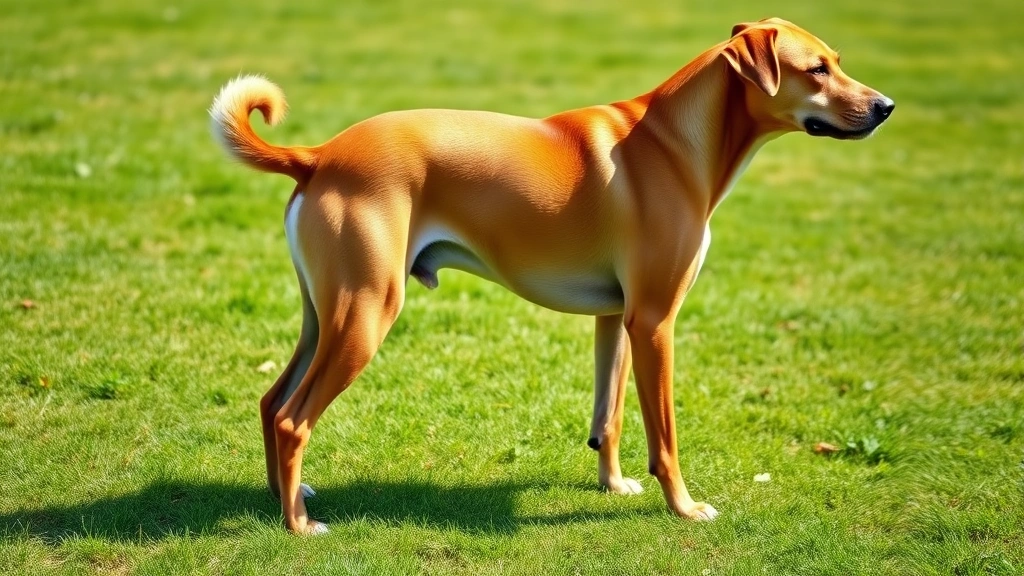
Some dogs are naturally lean (looking at you, sighthounds and greyhounds), while others might be dealing with parasites, digestive issues, or stress-related appetite loss. A quick vet visit can rule out medical problems and give you peace of mind. Your vet can also recommend specific calorie targets based on your dog’s breed, age, and activity level.
Tip #1: Switch to High-Calorie Dog Food
The easiest way to start helping your dog gain weight is upgrading their kibble. Not all dog foods are created equal—some are packed with fillers and low in actual nutrition, while others are calorie powerhouses designed for active dogs.
Look for dog foods with higher fat content (around 15-20%) and protein levels above 25%. Grain-free options often pack more calories per cup, and premium brands tend to have better ingredient quality, meaning your dog absorbs more nutrients. Check out our Pet Nutrition Advice guide for detailed breakdowns of what to look for on labels.
Pro tip: When switching foods, do it gradually over 7-10 days to avoid digestive upset. Mix increasing amounts of the new food with the old stuff until you’ve made the full transition.
Tip #2: Increase Meal Frequency and Portion Sizes
Instead of one or two meals a day, try splitting your dog’s food into three or four smaller portions. This approach works especially well for dogs with sensitive stomachs who struggle to digest large meals. More frequent eating also keeps their metabolism revved up and makes it easier for them to consume extra calories throughout the day.
Start by increasing portions by 10-15% and monitor your dog’s response. If they’re gobbling it up and their energy improves, you can bump it up more. Just remember—weight gain should be gradual, ideally 1-2 pounds per week for medium-sized dogs.
Tip #3: Add Calorie-Dense Toppers and Mix-Ins
Here’s where things get fun. You can boost your dog’s calorie intake by adding nutrient-dense toppers to their regular kibble. Canned pumpkin, sweet potato, and plain cooked chicken are all excellent choices that most dogs find irresistible.
Bone broth is another game-changer—it’s packed with nutrients and adds moisture to dry kibble, making it more palatable. Check out our Bone Broth Recipes for Pets to learn how to make it at home. You can also drizzle a bit of fish oil or coconut oil on their food (check with your vet on amounts first).
Peanut butter is another calorie-dense option that dogs love. Just make sure it doesn’t contain xylitol, which is toxic to dogs. Our guide on Can Dogs Eat Peanut Butter has all the safety details you need.
Tip #4: Incorporate Healthy Human Foods
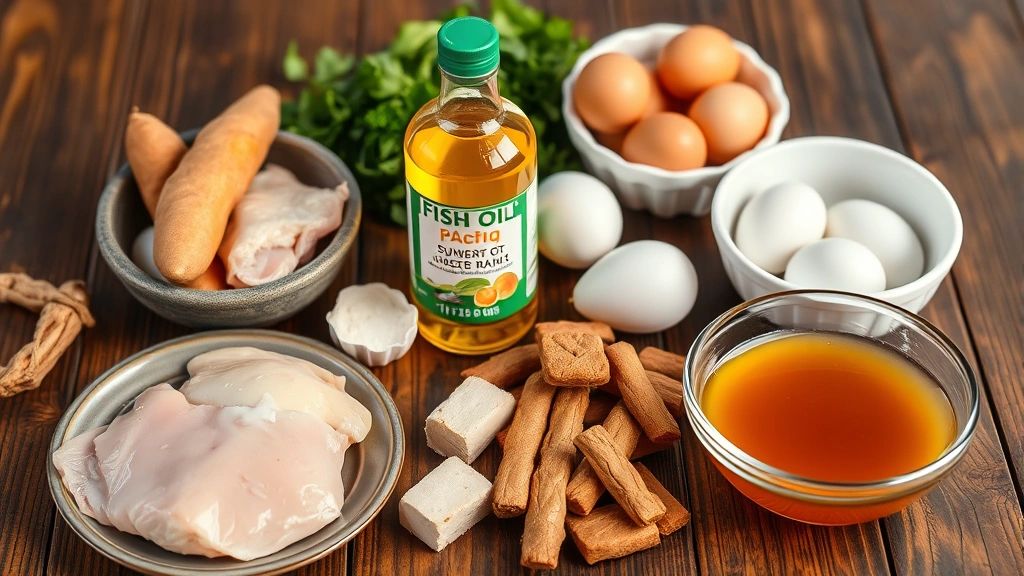
While your dog’s diet should be primarily commercial dog food, adding some whole foods can help with weight gain. Lean meats like chicken, turkey, and beef are excellent protein sources. Eggs are nutritional powerhouses—they’re affordable and most dogs go crazy for them.
Sweet potatoes, carrots, and green beans add fiber and nutrients without excessive calories. For higher-calorie options, try adding a bit of salmon or other fatty fish a few times a week. Our Human Food Portion Sizes for Pets article breaks down exactly how much you can safely add without throwing off your dog’s nutritional balance.
Keep human food additions to no more than 10% of their daily caloric intake to maintain proper nutrition ratios.
Tip #5: Use High-Energy Treats and Supplements
Treats can be a sneaky way to pack in extra calories. Look for Meat-Based Treats for Dogs that are protein-rich and calorie-dense. Beef jerky treats, freeze-dried meat snacks, and dental chews made from real meat are all solid choices.
Your vet might also recommend supplements like omega-3 fatty acids, which support skin and coat health while adding calories. Some dogs benefit from digestive enzymes if they’re not absorbing nutrients efficiently. Always check with your vet before adding supplements to make sure they won’t interact with any medications.
The Role of Exercise in Dog Weight Gain
Here’s something counterintuitive: moderate exercise can actually help your dog gain weight. Light to moderate activity improves appetite and helps build muscle mass (which weighs more than fat). However, if your dog is running marathons daily, you’ll need to feed them Energy-Boosting Foods for Active Pets to match their energy expenditure.
The key is finding balance. A 20-30 minute walk or play session most days is ideal for most dogs trying to gain weight. Too much exercise burns calories faster than you can feed them; too little might mean your dog’s appetite doesn’t kick in properly.
Monitor Progress and Adjust as Needed
Weigh your dog weekly and keep notes on how they look and act. You should be able to feel their ribs with gentle pressure, but they shouldn’t be visibly protruding. Their waist should have a slight definition when viewed from above.
If your dog isn’t gaining weight after 3-4 weeks of changes, it’s time for a vet check. Underlying issues like thyroid problems, parasites, or digestive disorders might be preventing weight gain despite your best efforts.
Common Mistakes to Avoid
Don’t suddenly switch to a completely different diet—this causes digestive upset and actually makes weight gain harder. Don’t rely solely on treats and table scraps; your dog needs balanced nutrition. And don’t force-feed your dog if they’re not hungry; this can create negative associations with food.
Also, avoid low-quality budget dog foods. They’re cheaper upfront but often contain fillers that dogs can’t digest properly, meaning more food goes in but fewer nutrients are absorbed.
Summary: Your Action Plan
Getting your dog to a healthy weight takes time and consistency. Start by scheduling a vet visit to rule out health issues, then implement these strategies: upgrade their food, increase meal frequency, add calorie-dense toppers, incorporate healthy human foods, and use high-quality treats. Monitor progress weekly and adjust as needed.
Remember, every dog is different. What works for your neighbor’s Labrador might not work for your German Shepherd mix. Be patient, stay consistent, and celebrate small wins along the way. Before you know it, your pup will be looking healthier and feeling more energetic.
Frequently Asked Questions
How long does it take for a dog to gain weight?
Most dogs can gain 1-2 pounds per week with proper nutrition and feeding strategies. However, very underweight dogs might take 2-3 months to reach their ideal weight. The timeline depends on how underweight they are and how consistently you follow a feeding plan.
Is it safe to give my dog table scraps to help them gain weight?
In moderation, yes—but only certain foods. Plain cooked chicken, sweet potato, and lean meats are fine. Avoid anything with garlic, onions, chocolate, grapes, or excessive salt. Table scraps should never exceed 10% of daily calories to maintain nutritional balance.
What if my dog refuses to eat more food?
Try warming their food slightly to enhance the aroma, adding tasty toppers like bone broth or peanut butter, or feeding smaller portions more frequently. If your dog still refuses food, see your vet—loss of appetite can signal underlying health issues.
Can I give my dog weight gain supplements?
Some supplements can help, but always consult your vet first. Omega-3 fatty acids, probiotics for digestive health, and certain vitamin blends can support weight gain when combined with proper nutrition.
How do I know if my dog is at a healthy weight?
You should be able to feel their ribs easily but not see them prominently. They should have a visible waist when viewed from above and a tucked abdomen from the side. Your vet can provide specific weight targets for your dog’s breed and age.





