
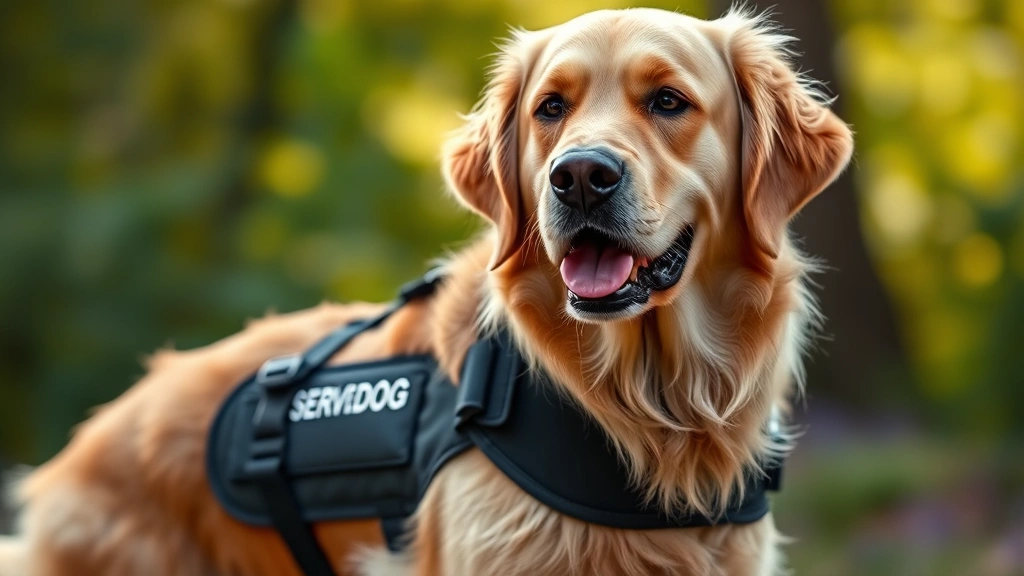
So you want to know how to make my dog a service dog? Well, buckle up, because this isn’t exactly a “sign your pup up for a weekend workshop” kind of situation. Training a service dog is a legitimate, rewarding journey that requires patience, dedication, and yes—a whole lot of treats. Let’s break down what it actually takes to transform your furry friend into a legitimate service animal.
Table of Contents
- Understanding What a Service Dog Actually Is
- Assessing Your Dog’s Temperament and Health
- Selecting the Right Service Dog Breed
- Getting Professional Service Dog Training
- Understanding Legal Requirements and Certification
- Basic Obedience Training as the Foundation
- Task-Specific Training for Your Disability
- Public Access Training and Socialization
- Health Monitoring During Training
- Ongoing Maintenance and Certification Verification
- The Cost Reality Check
- Frequently Asked Questions
- Summary: Your Service Dog Journey Starts Here
Understanding What a Service Dog Actually Is
First things first: not every well-behaved dog is a service dog. Service dogs are specifically trained to perform tasks for people with disabilities. We’re talking about legitimate work here—detecting seizures, guiding people who are blind, alerting to blood sugar changes for diabetics, and providing mobility assistance. According to the American Kennel Club (AKC), service dogs undergo rigorous training programs that typically last 18-24 months. Your adorable golden retriever who sits on command? Cute, yes. A service dog? Not quite yet.
Assessing Your Dog’s Temperament and Health
Not every dog has what it takes to be a service dog, and that’s okay. Your pup needs the right temperament—we’re talking calm, focused, and genuinely interested in working rather than just sniffing every fire hydrant in a three-mile radius. Service dogs need to be naturally intelligent, eager to please, and capable of handling stressful situations without freaking out. Start by evaluating whether your dog has these foundational traits. If your dog gets anxious at the vet’s office or goes bonkers when the doorbell rings, you’ve got some groundwork to do before official training begins.

Health is equally crucial. Service dogs need to be in peak physical condition. Schedule a comprehensive veterinary exam to ensure your dog has no underlying health issues that could interfere with training or work. Hip dysplasia, heart conditions, or vision problems can disqualify a dog from service work. This is where pet telehealth consultations can help you get preliminary assessments before committing to formal evaluation.
Selecting the Right Service Dog Breed
Certain breeds are naturally suited for service dog work. Labs, golden retrievers, German shepherds, and standard poodles dominate the service dog world for good reason—they’re intelligent, trainable, and appropriately sized for most tasks. If you’ve already got a chihuahua named Señor Fluffybottom, well, that’s a different conversation. While smaller dogs can theoretically be trained for certain service tasks, the majority of legitimate service dog organizations focus on medium to large breeds. Check with organizations like the AKC for breed-specific service dog programs in your area.

Getting Professional Service Dog Training
Here’s the reality: you probably can’t train a service dog entirely on your own (sorry, YouTube university doesn’t count here). Professional service dog training organizations exist for a reason. These programs cost anywhere from $15,000 to $50,000, depending on the type of service work required. Organizations like Guiding Eyes for the Blind, The Seeing Eye, and countless regional programs provide comprehensive training. Some programs even offer financial assistance if cost is a barrier. The training typically involves teaching your dog specific tasks related to your disability, plus all the public behavior standards that make service dogs so reliable.
If you’re working with a disability-related need, many programs will match you with an already-trained dog rather than training your current pet. This is often more efficient and effective than starting from scratch with your own dog.
Understanding Legal Requirements and Certification
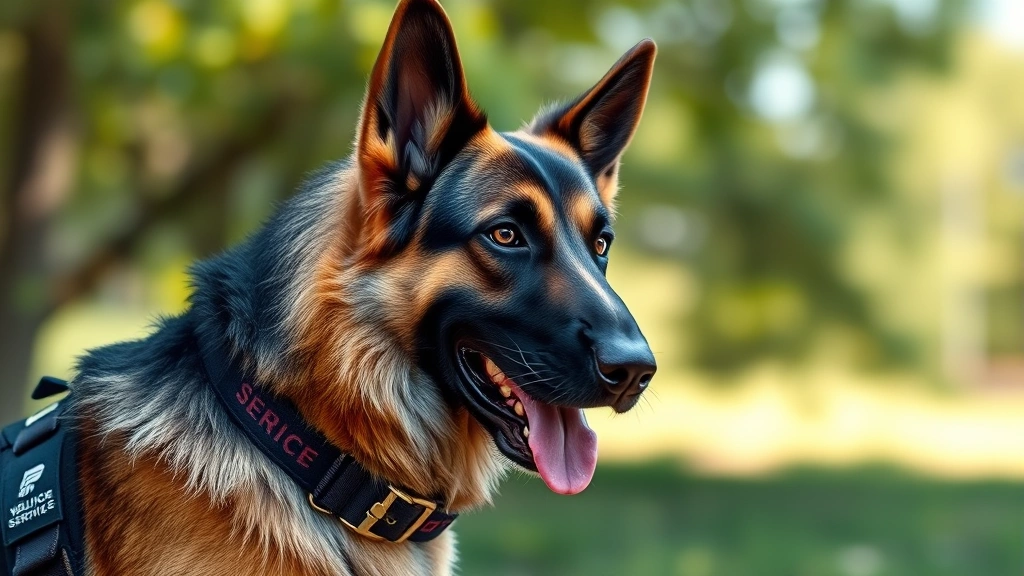
Here’s something that confuses a lot of people: there’s no official federal registry or certification requirement for service dogs in the United States. The Americans with Disabilities Act (ADA) recognizes service dogs based on their training and tasks, not on paperwork. However, this doesn’t mean you can just slap a vest on your dog and call it a day. Your dog must be individually trained to perform specific disability-related tasks, and it must behave appropriately in public settings. Some states and organizations do have their own certification processes, so check your local regulations. Be wary of online “service dog registries”—many are scams designed to separate you from your money.
Basic Obedience Training as the Foundation
Before your dog can tackle advanced service work, it needs rock-solid basic obedience. We’re talking sit, stay, down, heel, and leave it—executed perfectly, even with distractions. Your dog needs to respond to commands 100% of the time, not just when it feels like it. This foundational training typically takes 3-6 months of consistent daily work. Consider working with a certified professional dog trainer who has experience with service dog preparation. This is where remote pet health monitoring can complement your training efforts by tracking your dog’s stress levels and overall wellness during the intensive training period.

Task-Specific Training for Your Disability
Once your dog masters basic obedience, the real specialized training begins. If you need mobility assistance, your dog learns to open doors, retrieve items, and provide stability. If you have diabetes, your dog learns to alert you to blood sugar changes. If you’re deaf, your dog learns to alert you to sounds. If you have PTSD, your dog might learn deep pressure therapy or room clearing. These tasks are highly specific and require professional trainers with expertise in your particular disability. This is the phase where having professional guidance becomes absolutely essential—you can’t just Google “how to train a seizure alert dog” and expect success.
Public Access Training and Socialization
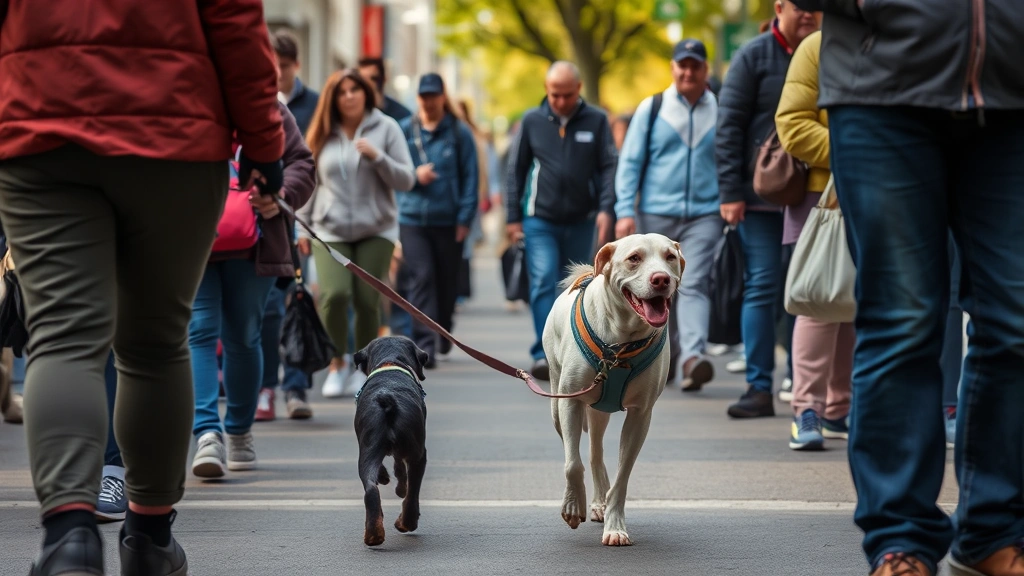
Service dogs need to be comfortable in absolutely any public setting—grocery stores, airports, hospitals, restaurants, you name it. They need to ignore other dogs, food on the ground, loud noises, and basically every distraction known to canine-kind. This requires extensive socialization and exposure training. Your dog should be comfortable around crowds, different surfaces, and various environments. The goal is for your dog to be so focused on you that the chaos around you becomes background noise. This training phase can take several months and requires consistent real-world practice.

Health Monitoring During Training
Training a service dog is physically and mentally demanding work. Your dog needs proper nutrition, regular exercise, and veterinary oversight throughout the process. Consider scheduling telehealth pet nutrition consultations to ensure your dog’s diet supports the intensive training regimen. A nutritionally balanced diet is crucial for maintaining energy levels, coat health, and mental clarity during this demanding period. Regular vet check-ups ensure your dog isn’t developing stress-related issues or physical strain from training.
Ongoing Maintenance and Certification Verification
Once your dog completes service dog training, the work isn’t over. Service dogs require ongoing training refreshers, regular veterinary care, and continuous evaluation to ensure they’re maintaining their skills. Many legitimate service dog organizations provide lifetime support and monitoring. You’ll need documentation proving your dog’s training and qualifications, which your trainer or organization should provide. Keep all records organized and accessible—you may need to present them if questioned about your dog’s status. If your dog develops health issues, you might need online vet advice for food reactions or other health concerns that arise during active service work.

The Cost Reality Check
Let’s be real: training a service dog is expensive. Professional programs typically cost $15,000-$50,000. Some organizations offer financial assistance, grants, or payment plans. Some nonprofits provide trained dogs at reduced cost or free to qualifying individuals with disabilities. Don’t let cost alone deter you if you genuinely need a service dog—explore all available resources, including disability organizations, nonprofit programs, and fundraising options.
Frequently Asked Questions
Can I train my own dog to be a service dog?
While owner training is technically possible, it’s extremely challenging and not recommended for most people. Professional trainers have the expertise, resources, and connections to properly train service dogs. If you’re determined to owner-train, you’ll need significant time, dedication, and ideally, mentorship from experienced trainers. Most legitimate service dog organizations recommend professional training for best results.
How long does it take to train a service dog?
Professional service dog training typically takes 18-24 months. Basic obedience might take 3-6 months, task-specific training another 6-12 months, and public access training several more months. This timeline can vary depending on your dog’s individual learning speed and the complexity of tasks required.
What’s the difference between a service dog and an emotional support animal?
Service dogs are trained to perform specific disability-related tasks and have public access rights under the ADA. Emotional support animals provide comfort through companionship but aren’t trained for specific tasks and don’t have the same legal access rights. This is a crucial distinction—misrepresenting an ESA as a service dog is illegal.

Do service dogs need to be registered or certified?
No official federal registration or certification exists for service dogs in the United States. The ADA recognizes service dogs based on their training and tasks, not paperwork. However, your dog should have documentation from its trainer proving its training and qualifications. Beware of online “registries”—most are scams.
What breeds make the best service dogs?
Labs, golden retrievers, German shepherds, and standard poodles are the most common service dog breeds due to their intelligence, size, and temperament. However, other breeds can work depending on the specific tasks required. The most important factor is individual temperament and trainability, not breed alone.
Can my dog be a pet and a service dog?
Service dogs have a job to do, and that job requires focus and discipline. While they can be loving family members, they’re not typical pets. They need to maintain their training and focus on their handler. This is a significant lifestyle change that affects how you interact with your dog daily.
Summary: Your Service Dog Journey Starts Here
Figuring out how to make my dog a service dog requires honest assessment, professional guidance, and genuine need. Start by evaluating your dog’s temperament and your own disability-related needs. Research legitimate service dog organizations, understand the legal framework, and prepare for a significant financial and time investment. Remember that not every dog can become a service dog, and that’s perfectly okay—your dog can still be an amazing companion without the vest. If you do move forward, work with professional trainers, maintain your dog’s health through proper veterinary care, and commit to the ongoing training and support required. The result? A life-changing partnership with a dog that’s been specifically trained to help you navigate the world with greater independence and confidence.





