
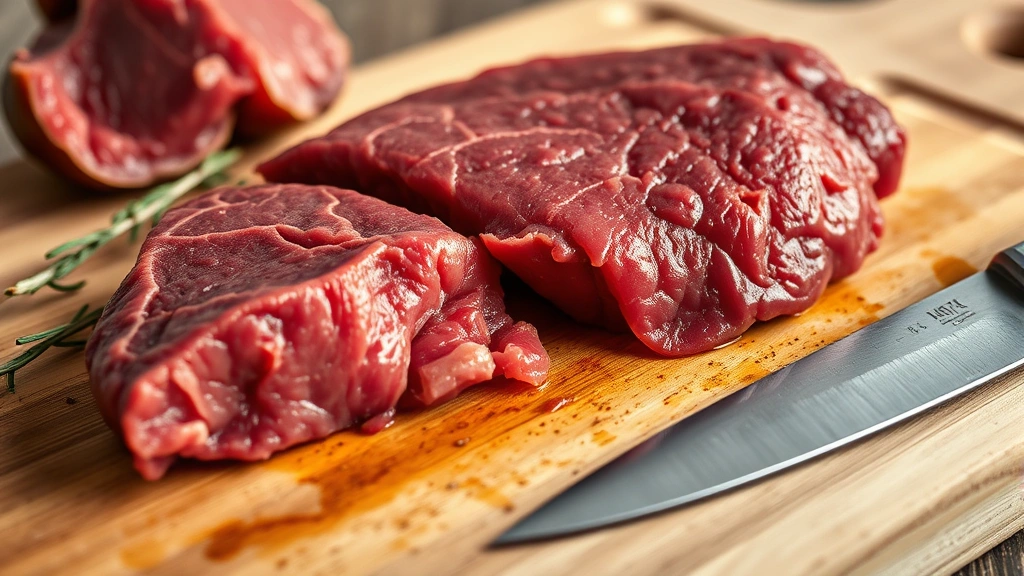
Learning how to prepare liver for dogs is one of the easiest ways to add a nutrient-packed superfood to your pup’s diet without breaking the bank or your sanity. Liver is basically nature’s multivitamin in meat form—packed with iron, B vitamins, and protein that’ll make your dog’s coat shinier than a freshly waxed sports car. But here’s the thing: you can’t just toss a raw liver chunk at Fido and call it a day. There’s a right way and a wrong way to do this, and we’re here to walk you through it.
Table of Contents
- Why Liver is a Canine Superfood
- Step 1: Choose the Right Type of Liver
- Step 2: Source Quality Ingredients Safely
- Step 3: Clean and Prepare the Liver Properly
- Step 4: Cook or Serve Raw—Know Your Options
- Step 5: Store and Portion Correctly
- Recognizing Quality Liver for Canine Nutrition
- Potential Health Benefits and Concerns
- Common Mistakes to Avoid
- Making Liver Treats Your Dog Will Obsess Over
- Frequently Asked Questions
- Final Thoughts: Making Liver Part of Your Dog’s Diet
Why Liver is a Canine Superfood
Before we dive into the nitty-gritty of preparation, let’s talk about why liver deserves a permanent spot in your dog’s meal rotation. This organ meat is absolutely loaded with essential nutrients that support everything from skin and coat health to immune function. Dogs have been eating organ meats for thousands of years—it’s part of their ancestral diet when they hunted prey animals whole. A single serving of liver contains more nutrients than most muscle meats, making it a nutritional powerhouse that even picky eaters usually go crazy for.
Step 1: Choose the Right Type of Liver
Not all livers are created equal, and your choice matters. Beef liver is the most commonly available and generally the safest option for dogs. Chicken liver is softer and more easily digestible, making it perfect for senior dogs or those with sensitive stomachs. Pork liver works too, though it’s less common. Avoid fish liver supplements unless specifically recommended by your vet—they can contain too much vitamin A for regular feeding. When shopping, look for organic, grass-fed options when possible. Your local butcher is your best friend here; they can often provide high-quality liver at a fraction of the price of specialty pet food stores.
Step 2: Source Quality Ingredients Safely
This is crucial: only use liver from reputable sources. If you’re getting it from a grocery store, make sure it’s fresh and properly refrigerated. If you’re sourcing from a local farm or butcher, ask about their practices. Never feed your dog liver from unknown sources or wild game unless you’re absolutely certain of its safety. Human food alternatives for pets should always meet basic food safety standards. Check the expiration date religiously, and if something smells off, trust your nose and toss it. Your dog’s health isn’t worth saving a few bucks.
Step 3: Clean and Prepare the Liver Properly
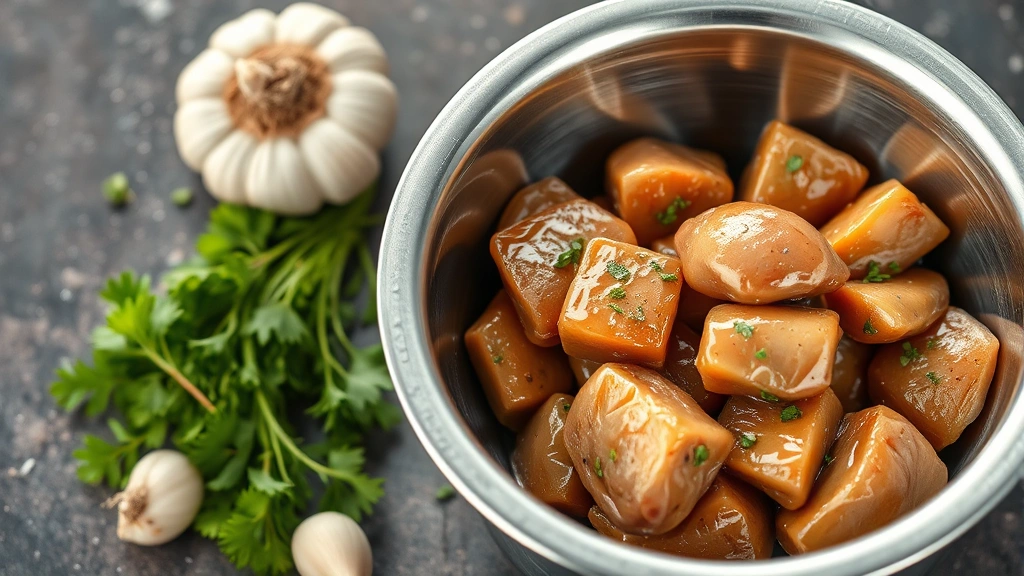
Once you’ve got your liver home, rinse it thoroughly under cold running water. Pat it dry with paper towels—this helps if you’re planning to freeze it or cook it. Remove any excess fat or bile ducts (those green bits), as these can cause digestive upset. If the liver is particularly large, consider cutting it into manageable pieces. For beef liver, chunks about the size of a grape to a marble work well, depending on your dog’s size. Smaller pieces are easier for dogs to digest and less likely to cause choking hazards.
Step 4: Cook or Serve Raw—Know Your Options
Here’s where things get interesting because you’ve got choices. Raw liver retains maximum nutrients but carries minimal food safety risks if sourced properly. If you go this route, freeze it for at least two weeks first to kill potential parasites, then thaw it before serving. Lightly cooked liver (boiled or steamed for 5-10 minutes) is a middle ground that reduces any food safety concerns while maintaining most nutritional value. Fully cooked liver (baked at 350°F for 15-20 minutes) is the safest option and works great for dogs with compromised immune systems. Never use liver cooked with seasonings, garlic, onions, or excessive salt. Plain is the way to go. Many owners find that high-value treats from kitchen ingredients like prepared liver work wonderfully for training rewards.
Step 5: Store and Portion Correctly
Fresh liver should be used within 1-2 days of purchase or frozen immediately. In the freezer, it’ll keep for 3-4 months. Cooked liver lasts about 3-4 days in the refrigerator. When it comes to portions, less is more—liver is rich and concentrated. Start with small amounts: about 1-2 ounces per week for small dogs, 2-4 ounces for medium dogs, and up to 6 ounces for large dogs. Think of it as a supplement to regular meals, not a replacement. Too much liver can cause vitamin A toxicity over time, so moderation is key. Store portions in ice cube trays for easy, portion-controlled serving.
Recognizing Quality Liver for Canine Nutrition
When evaluating liver quality, color matters. Fresh beef liver should be deep red or burgundy, never brown or gray. Chicken liver is lighter, more of a reddish-brown. The texture should be firm, not mushy or slimy. If it smells like anything other than mild and meaty, it’s past its prime. Organic, grass-fed liver tends to have better nutritional profiles than conventional options, though it costs more. Many dog owners find the investment worth it when they see improvements in their dog’s energy levels and coat quality.
Potential Health Benefits and Concerns
Done right, liver feeding can boost your dog’s immune system, improve coat quality, and provide natural energy. The B vitamins support metabolism, while iron helps prevent anemia. However, there are considerations: dogs with kidney disease might need to limit liver intake due to its protein content. Those with liver disease should consult their vet first. Puppies can have small amounts, but their systems are still developing. Senior dogs often thrive on liver as part of convalescence foods from the kitchen during recovery periods. Always introduce new foods gradually over 7-10 days to avoid digestive upset.
Common Mistakes to Avoid
Don’t season the liver—ever. Your dog doesn’t need garlic, onions, or salt. Don’t overfeed it; liver is concentrated and too much causes problems. Don’t assume all dogs will love it; some are picky (though most go absolutely bonkers for it). Don’t forget to account for liver calories in your dog’s daily intake. Don’t skip the freezing step if feeding raw. Don’t feed liver from questionable sources. And don’t panic if your dog’s poop gets a little weird temporarily—liver can cause loose stools when first introduced, but this usually normalizes quickly.
Making Liver Treats Your Dog Will Obsess Over
Once you’ve mastered basic preparation, get creative. Freeze cooked liver in ice cube trays with a little broth for refreshing summer treats. Mix finely chopped liver into regular kibble to jazz up meals for picky eaters. Dehydrate thin slices in a low oven for chewy treats. Layer liver with pumpkin and freeze for probiotic-boosting snacks. These preparation methods work great for training rewards and special occasions. Your dog will think you’re a culinary genius, and honestly, you kind of are.
Frequently Asked Questions
Can I feed my dog raw liver every day?
No, liver should be an occasional supplement, not a daily staple. Aim for 1-2 times per week maximum. Daily feeding can lead to vitamin A toxicity over time, which causes serious health issues. Treat it as a special addition to their regular diet rather than a main component.
How much liver can I safely give my dog?
Portion sizes depend on your dog’s weight. Small dogs (under 25 lbs) should get 1-2 ounces weekly, medium dogs (25-75 lbs) get 2-4 ounces, and large dogs (over 75 lbs) can handle up to 6 ounces. Always spread these portions throughout the week rather than giving it all at once.
Is cooked liver better than raw liver for dogs?
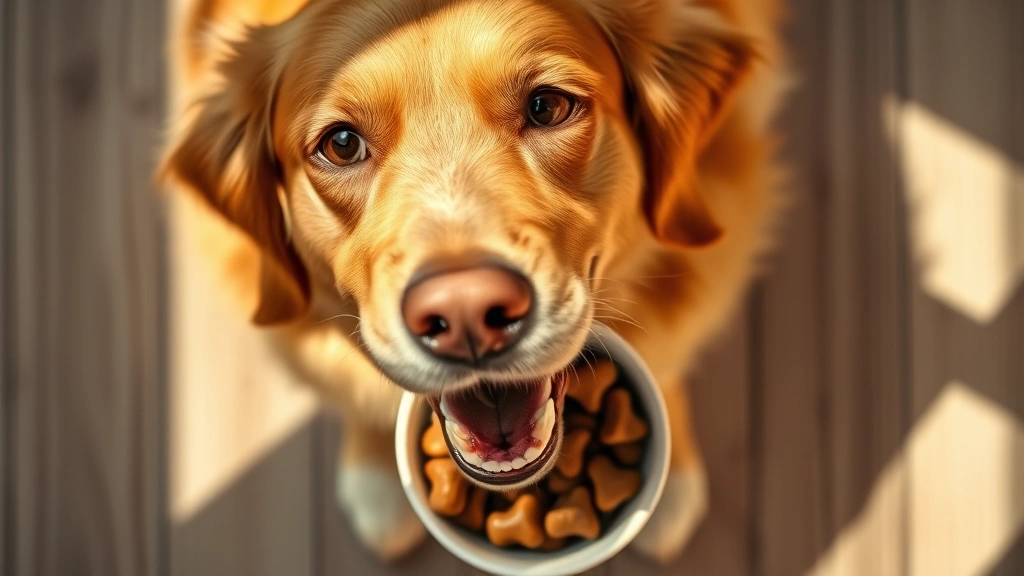
Both can work, but cooked is safer for most situations. Cooking eliminates potential parasites and bacteria, making it ideal for puppies, seniors, and immunocompromised dogs. Raw liver retains slightly more nutrients but carries minor food safety risks. Choose based on your comfort level and your dog’s health status.
What should I do if my dog has diarrhea after eating liver?
Diarrhea is common when first introducing liver due to its richness. Start with smaller portions and introduce it more gradually over 10-14 days. If diarrhea persists beyond a week, discontinue liver and consult your veterinarian. Some dogs simply have more sensitive digestive systems.
Can puppies eat liver?
Yes, but in very small amounts. Puppies can have tiny portions (about 1/4 to 1/2 ounce) once or twice weekly. Their developing systems are more sensitive, so introduce it slowly and watch for digestive upset. Always cook it for puppies to reduce any food safety concerns.
Is chicken liver safer than beef liver for dogs?
Both are safe when properly sourced and prepared. Chicken liver is softer and more easily digestible, making it better for dogs with sensitive stomachs or seniors. Beef liver has a slightly higher nutrient density. Choose based on your dog’s individual needs and preferences rather than safety concerns.
Final Thoughts: Making Liver Part of Your Dog’s Diet
Learning how to prepare liver for dogs opens up a world of nutritional possibilities for your furry friend. It’s affordable, nutrient-dense, and most dogs absolutely love it. Start slowly, follow these steps religiously, and watch your dog’s health and happiness improve. Your vet will probably be impressed at your next checkup when your pup’s bloodwork shows improved iron and B vitamin levels. Remember: moderation, proper sourcing, and safe preparation are your keys to success. Your dog’s tail wags will be your reward.





