

If you’re wondering how to remove dog tear stains naturally, you’re not alone—those reddish-brown streaks under your pup’s eyes are one of the most common cosmetic complaints dog parents face. The good news? You don’t need expensive treatments or harsh chemicals to tackle this stubborn problem. Let’s dive into some genuinely effective natural solutions that actually work.
Table of Contents
- What Causes Those Annoying Tear Stains on Dogs?
- Method 1: Apple Cider Vinegar – Your Pantry Powerhouse
- Method 2: Optimize Diet with Anti-Inflammatory Foods
- Method 3: Increase Water Intake and Hydration
- Method 4: Daily Eye Care Routine with Natural Ingredients
- Method 5: Address Food Allergies and Sensitivities
- Bonus Tip: The Power of Probiotics
- Breeds Most Prone to Tear Staining
- When to See Your Vet
- Timeline: What to Expect
- Pro Tips for Maximum Results
- Natural Supplements Worth Considering
- Frequently Asked Questions
- Conclusion: Your Dog’s Tear-Free Future Awaits
What Causes Those Annoying Tear Stains on Dogs?
Before we jump into solutions, let’s talk about why your dog’s face looks like they’ve been crying at sad movies. Tear staining happens when dogs produce excess tears that don’t drain properly through their tear ducts. This moisture sits on the fur around the eyes, creating the perfect breeding ground for bacteria and yeast. The culprits? Porphyrins—iron-containing compounds in dog tears that oxidize and turn that telltale reddish-brown color when exposed to air. It’s basically rust, but on your dog’s face. Fun times.
Method 1: Apple Cider Vinegar – Your Pantry Powerhouse
Apple cider vinegar is like the Swiss Army knife of dog wellness. For tear stains, it works by balancing your dog’s pH levels and reducing the bacteria that causes discoloration. Mix one teaspoon of raw, unfiltered apple cider vinegar into your dog’s water bowl daily. Some dogs are picky about the taste, so start small and gradually increase the amount. Within 2-3 weeks, you should notice a visible reduction in staining. The key is consistency—this isn’t a quick fix, but it’s one of the most reliable natural approaches.
You can also create a topical solution by mixing equal parts apple cider vinegar and filtered water, then gently wiping the stained areas with a soft cloth. Just avoid getting it in their eyes, obviously.
Method 2: Optimize Diet with Anti-Inflammatory Foods
Here’s something most people don’t realize: tear stains often start from the inside out. Low-quality commercial dog foods loaded with fillers and artificial ingredients can trigger inflammation and excessive tearing. Consider switching to anti-inflammatory foods for pets that support overall health and reduce tear production.
Incorporate omega-3 rich foods like salmon, sardines, and flaxseeds into your dog’s diet. These powerful anti-inflammatory agents reduce tear production at the source. You should also add skin and coat health foods like sweet potatoes, carrots, and blueberries. Many vets recommend eliminating corn, wheat, and soy from your dog’s diet, as these common allergens can trigger excessive tearing. Give dietary changes 4-6 weeks to show results—your dog’s entire body will thank you.
Method 3: Increase Water Intake and Hydration
This one sounds counterintuitive, but dehydration actually causes more tear staining. When dogs don’t drink enough water, their tears become more concentrated with porphyrins, making stains darker and more noticeable. Ensure your dog has constant access to fresh, filtered water throughout the day. Some dogs respond better to running water, so consider investing in a dog water fountain—they’re surprisingly effective motivators.
The general rule is that dogs should drink about one ounce of water per pound of body weight daily. A 50-pound dog needs around 50 ounces (about 1.5 liters) of water per day. Monitor your dog’s urine color; pale yellow indicates proper hydration, while dark yellow suggests they need more water.
Method 4: Daily Eye Care Routine with Natural Ingredients
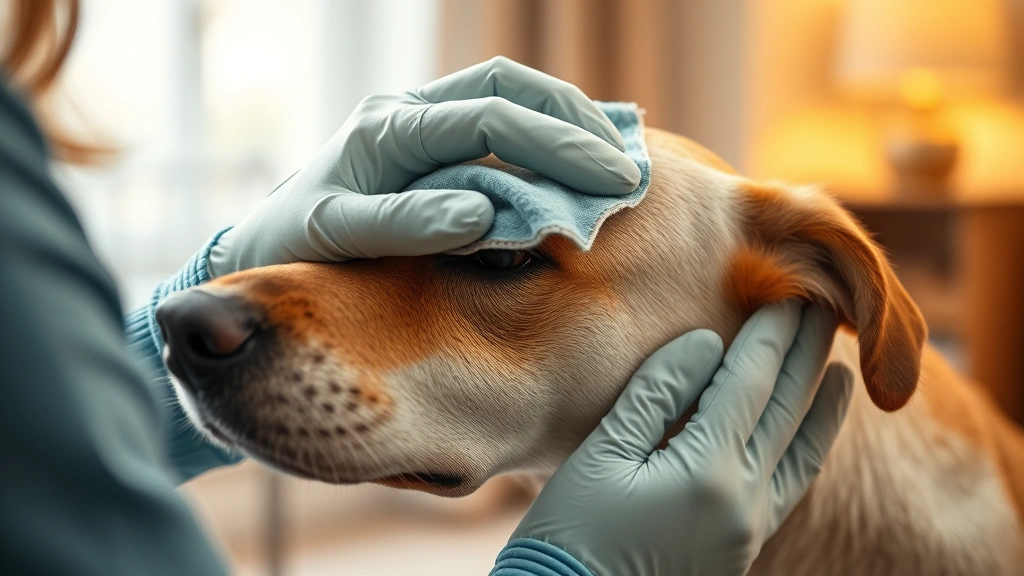
Consistency beats intensity when it comes to topical tear stain removal. Create a simple routine using natural ingredients. Brew a weak chamomile tea (one tea bag in 8 ounces of hot water), let it cool completely, then use it to gently wipe around your dog’s eyes with a soft, lint-free cloth twice daily. Chamomile has natural antibacterial and anti-inflammatory properties that reduce the bacteria causing discoloration.
Alternatively, mix equal parts rose water and filtered water for a gentle daily rinse. Rose water is soothing, non-irritating, and has been used for centuries in traditional medicine. Never use human eye drops or harsh solutions—your dog’s eyes are sensitive, and you’re working with natural remedies for a reason.

Method 5: Address Food Allergies and Sensitivities
Tear stains are often a symptom of underlying food allergies. If your dog is experiencing excessive tearing, they might be reacting to something in their diet. Common culprits include chicken, beef, dairy, wheat, corn, and soy. Consider an elimination diet where you remove potential allergens for 8-12 weeks, then gradually reintroduce foods one at a time to identify the trigger.
If you suspect allergies, check out our guide on human foods for pets with food allergies for safe alternatives. Your vet can also perform allergy testing if you want a faster answer. Some dogs thrive on limited ingredient diets or novel protein sources like duck, venison, or fish.
Bonus Tip: The Power of Probiotics
A healthy gut microbiome directly impacts tear production and skin health. Adding a quality dog probiotic supplement to your pup’s diet can reduce inflammation throughout their entire system, including the eyes. Look for supplements with multiple bacterial strains and at least 5 billion CFUs. Many dogs show improvement within 3-4 weeks of starting probiotics.
Breeds Most Prone to Tear Staining
Certain breeds are genetically predisposed to excessive tearing. Poodles, Maltese, Shih Tzus, Lhasa Apsos, and other white or light-colored breeds show stains more dramatically. Flat-faced breeds like Bulldogs and Pugs often have tear duct issues that make staining inevitable. If you own one of these breeds, don’t feel discouraged—the natural methods above still work, you just might need to be more diligent with your daily eye care routine.
When to See Your Vet
While most tear staining is cosmetic, sometimes it indicates a medical issue. Schedule a vet visit if your dog shows signs of infection (redness, swelling, discharge), excessive eye discharge, or signs of pain around the eyes. Blocked tear ducts, eye infections, or allergies require professional diagnosis. Your vet can rule out serious conditions and provide additional treatment recommendations if natural methods alone aren’t sufficient.
Timeline: What to Expect
Natural tear stain removal isn’t instant gratification. Here’s a realistic timeline: dietary changes show results in 4-6 weeks, topical treatments in 2-3 weeks, and internal supplements in 3-4 weeks. The oldest stains (the dark discoloration that’s been there for months) take longer to fade than fresh stains. Be patient and consistent. Most dog parents see significant improvement within 8-12 weeks of implementing multiple methods simultaneously.
Pro Tips for Maximum Results
Combine multiple methods for faster results. A dog receiving apple cider vinegar, eating anti-inflammatory foods, staying hydrated, and getting daily eye care will see improvements much faster than using just one approach. Also, keep the fur around your dog’s eyes trimmed short—this prevents moisture from sitting on the skin and reduces bacterial growth. Use a soft, damp cloth rather than tissues, which can irritate delicate eye areas.
Natural Supplements Worth Considering
Beyond probiotics, several natural supplements support eye health and reduce tear staining. Lutein and zeaxanthin are antioxidants that protect eye tissue. Vitamin C and E support immune function and reduce inflammation. Consider adding canned pumpkin for dogs to their diet—it’s packed with nutrients and supports digestive health, which indirectly improves tear production. Always consult your vet before adding supplements, especially if your dog is on medications.
Frequently Asked Questions
How long does it take to remove dog tear stains naturally?
Most dogs show noticeable improvement within 4-8 weeks when using multiple natural methods consistently. Fresh stains fade faster than old, set-in stains. Individual results vary based on the underlying cause and your dog’s specific situation.
Are tear stains harmful to my dog?
Tear stains themselves are primarily cosmetic, but they can indicate underlying issues like allergies, infections, or tear duct problems. If staining is accompanied by redness, swelling, or discharge, consult your vet immediately.
Can I use human eye drops on my dog?
No. Never use human eye drops on dogs without veterinary approval. Dog eyes have different pH levels and sensitivities than human eyes. Stick to vet-approved solutions or natural remedies like chamomile tea.
Which dog breeds are most prone to tear staining?
White and light-colored breeds like Maltese, Poodles, and Shih Tzus show stains most visibly. Flat-faced breeds like Bulldogs and Pugs often have tear duct issues that cause excessive tearing. Any breed can experience tear staining, though it’s more noticeable on lighter coats.
Is apple cider vinegar safe for dogs?
Yes, when used properly. Raw, unfiltered apple cider vinegar in small amounts (one teaspoon per day added to water) is generally safe for most dogs. However, dogs with certain health conditions or taking specific medications should check with their vet first.
What if natural methods don’t work?
If tear stains persist after 8-12 weeks of consistent natural treatment, schedule a vet appointment. Your dog might have a medical condition requiring professional treatment, such as blocked tear ducts or a bacterial infection that needs antibiotics.
Conclusion: Your Dog’s Tear-Free Future Awaits
Learning how to remove dog tear stains naturally requires patience, consistency, and a multi-pronged approach. Start by optimizing your dog’s diet with anti-inflammatory foods, ensure they’re properly hydrated, implement a daily eye care routine, and consider adding supplements like probiotics. Most importantly, understand that tear stains are often your dog’s body signaling that something needs adjustment—usually diet or hydration.
The natural methods outlined here work because they address root causes rather than just masking symptoms. Your dog won’t have those tear stains removed overnight, but within weeks to months of consistent effort, you’ll notice a dramatic difference. Plus, the dietary and lifestyle changes you’re making benefit your dog’s overall health far beyond just their appearance. That’s the real win here.





