
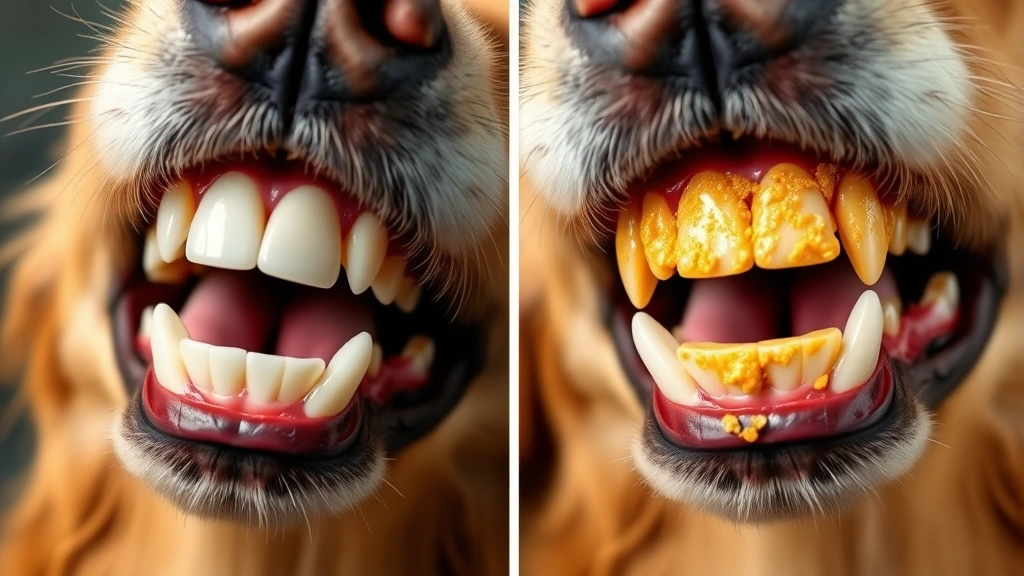
Let’s be honest—your dog’s breath could knock over a moose, and you’re pretty sure you spotted a yellowish crusty buildup on their teeth. Welcome to the wonderful world of tartar in dogs. The good news? How to remove tartar from dog teeth doesn’t have to involve a root canal for your wallet or your pup’s sanity. We’ve got five proven methods that actually work, from professional cleanings to at-home solutions that’ll have your furry friend flashing those pearly whites again.
Table of Contents
- Understanding Tartar Buildup in Dogs
- Method 1: Professional Veterinary Cleaning (The Gold Standard)
- Method 2: Dental Chews and Enzymatic Treats
- Method 3: Tooth Brushing (The Daily Defense)
- Method 4: Water Additives and Oral Sprays
- Method 5: Diet Modifications and Raw Feeding
- Combining Methods for Maximum Results
- When to Call Your Vet (Red Flags)
- Cost Comparison: What to Budget
- Prevention: The Real MVP
- Summary: Your Tartar-Fighting Game Plan
- Frequently Asked Questions
Understanding Tartar Buildup in Dogs
Before we dive into removal methods, let’s talk about what’s actually happening in your dog’s mouth. Tartar—also called calculus—forms when plaque hardens on your dog’s teeth. Plaque is that sticky bacterial film that builds up daily, kind of like the gunk you’d get on your teeth if you never brushed. When plaque isn’t removed, it mineralizes within 3-5 days and becomes tartar, which is basically concrete for your dog’s dental health.
The problem? Once tartar shows up, your dog can’t remove it themselves. It sticks around like an unwanted houseguest, harboring bacteria and leading to periodontal disease, tooth loss, and even heart problems. That’s why addressing tartar buildup early is crucial. The longer you wait, the more damage accumulates beneath the gum line where you can’t even see it.
Method 1: Professional Veterinary Cleaning (The Gold Standard)
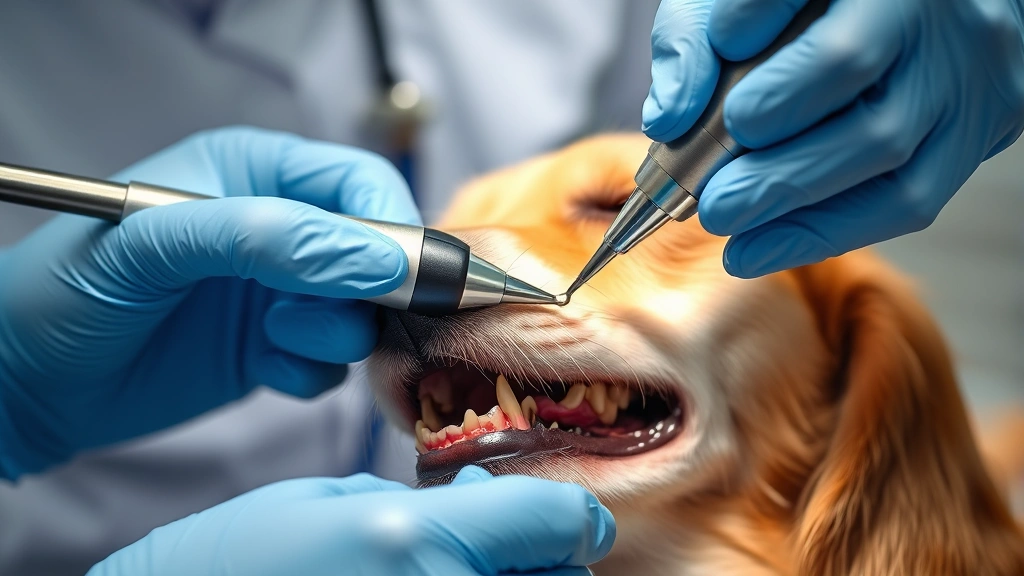
Let’s start with the heavy hitter—professional dental cleaning at your vet’s office. This is the most effective way to remove tartar from dog teeth, and honestly, sometimes it’s the only way to truly get those teeth clean.
Here’s what happens during a professional cleaning: Your vet sedates your dog (yes, they’ll be asleep), uses an ultrasonic scaler to break up tartar, and polishes the teeth afterward. They’ll also examine below the gum line where nasty stuff loves to hide. The whole process takes 30 minutes to an hour, depending on how gunked up those teeth are.
Cost-wise, expect to pay $300-$800 depending on your location and your dog’s dental condition. Yeah, it’s not cheap, but it’s an investment in your dog’s health and longevity. Plus, your vet might catch other issues like cracked teeth or infections that need attention. According to the American Kennel Club, professional cleanings are the recommended standard of care for dogs with moderate to severe tartar accumulation.
Method 2: Dental Chews and Enzymatic Treats
Not ready to drop several hundred bucks? Dental chews are a solid preventative and maintenance tool. Products like Greenies, Virbac C.E.T., and Oxyfresh dental chews are specifically designed to mechanically scrub teeth as your dog chews.
The best dental chews contain enzymes that help break down plaque-forming bacteria. Look for the VOHC (Veterinary Oral Health Council) seal, which means the product has been tested and proven to reduce plaque and tartar. Give your dog one chew daily for best results.
Here’s the honest truth though: chews are fantastic for prevention and maintenance, but they won’t remove heavy tartar that’s already calcified. Think of them as your dog’s toothbrush, not their deep cleaning. They work best as part of a comprehensive dental care routine that includes other methods.
Method 3: Tooth Brushing (The Daily Defense)
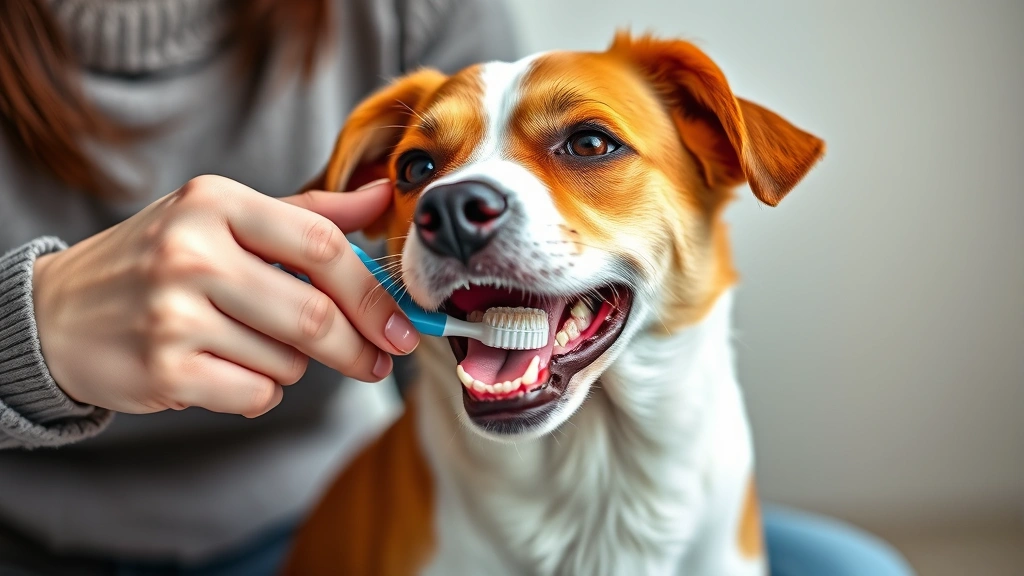
I know, I know—brushing your dog’s teeth sounds about as fun as giving them a bath. But it’s genuinely one of the most effective ways to prevent tartar buildup in the first place. Daily brushing removes plaque before it has a chance to harden into tartar.
Here’s your game plan: Get a dog-specific toothbrush (those tiny ones are actually designed for their mouth) and dog toothpaste. Never use human toothpaste—it contains fluoride and xylitol, both toxic to dogs. Enzymatic toothpastes with ingredients like glucose oxidase help break down plaque naturally.
Start slow. Let your dog lick some toothpaste off your finger first. Then gently brush in circular motions, focusing on the gum line where plaque loves to party. Even 2-3 times per week makes a difference, though daily is ideal. The American Veterinary Medical Association recommends daily brushing as the gold standard for home care.
Method 4: Water Additives and Oral Sprays
Water additives are a low-effort option that some dog owners swear by. You simply add a liquid solution to your dog’s drinking water daily. These additives contain enzymes or antimicrobial agents designed to reduce plaque-forming bacteria.
Products like Oxyfresh Water Additive or Healthymouth work by lowering the pH in your dog’s mouth, making it less hospitable for bacteria. The benefit? Zero effort from your dog’s perspective—they’re just drinking their water like normal. The downside? They’re not as effective as brushing or professional cleaning, but they’re solid for supplementary care.
Oral sprays work similarly but are applied directly to the gums or teeth. They’re convenient for dogs who absolutely refuse to cooperate with brushing, and they can help freshen breath while reducing bacteria.
Method 5: Diet Modifications and Raw Feeding
Here’s something that might surprise you: what your dog eats affects their dental health. Dry kibble is better than wet food for dental health because the mechanical action of chewing helps scrub teeth. Wet food, on the other hand, tends to stick to teeth and promote bacterial growth.
Some dog owners have success with raw diets, which involve feeding raw bones and meat. The theory is that gnawing on raw bones naturally cleans teeth. However, raw diets come with their own risks (bacterial contamination, choking, GI issues), so discuss this with your vet first.
You can also incorporate human foods for pets with dental issues that support oral health. Crunchy vegetables like carrots and apples can help mechanically clean teeth, though they’re not a substitute for proper dental care. Check out healthy snack alternatives for dogs for more ideas on supporting your pup’s dental health through nutrition.
Combining Methods for Maximum Results
Here’s the truth: the best approach combines multiple methods. Professional cleaning gets the heavy buildup off, then you maintain with daily brushing, dental chews, and water additives. It’s like having a cleaning crew come deep-clean your house, then you do daily tidying to keep it that way.
For dogs with anti-inflammatory foods for pets, adding omega-3 rich options can support gum health and reduce inflammation. A comprehensive approach addresses tartar removal and prevention simultaneously.
When to Call Your Vet (Red Flags)
Some dental situations need professional attention ASAP. If you notice bad breath that’s suddenly worse, swelling around the mouth, bleeding gums, or loose teeth, get to your vet. These signs indicate advanced dental disease that might involve infections or tooth loss.
Also, if your dog is a senior or has underlying health conditions, chat with your vet before starting any new dental routine. Some older dogs might need special considerations for anesthesia during professional cleanings, and your vet can help you weigh the risks and benefits.
Cost Comparison: What to Budget
Let’s talk money because it matters. Professional cleaning: $300-$800. Dental chews (monthly): $20-$40. Dog toothbrush and toothpaste: $15-$30. Water additives: $10-$20 monthly. Over a year, investing in prevention and maintenance costs way less than dealing with tooth extractions or infections down the road.
Some pet insurance plans cover dental care, so check your policy. If cost is a concern, pet telehealth services can help you consult with a vet about the best budget-friendly approach for your specific dog.
Prevention: The Real MVP
Here’s the thing about tartar—prevention is infinitely easier than removal. Start dental care early with puppies, brush regularly, use dental chews, and schedule annual vet checkups that include oral exams. Most vets can catch early tartar buildup before it becomes a major problem.
Small breed dogs are particularly prone to tartar accumulation, so they need extra attention. Make dental health a non-negotiable part of your dog care routine, like vaccinations and heartworm prevention.
Summary: Your Tartar-Fighting Game Plan
How to remove tartar from dog teeth comes down to this: professional cleaning is the most effective method for existing tartar, but prevention through daily brushing, dental chews, and diet is your best long-term strategy. Start with what’s realistic for your lifestyle—even brushing a few times per week makes a difference. Schedule a professional cleaning if tartar is already visible, then maintain with at-home care. Your dog’s teeth (and breath) will thank you.
Frequently Asked Questions
Can I remove tartar from my dog’s teeth at home?
You can prevent tartar and slow its progression with brushing, chews, and water additives, but you cannot remove hardened tartar at home. Once tartar calcifies, only professional ultrasonic scaling can remove it effectively. Home care is about prevention and maintenance, not removal of existing buildup.
How often should my dog have professional dental cleaning?
Most vets recommend annual dental exams for adult dogs. If your dog has tartar buildup, you might need cleaning every 6-12 months. Senior dogs or those prone to dental disease may need more frequent cleanings. Your vet will recommend a schedule based on your dog’s individual needs.
Are dental chews safe for all dogs?
Most dental chews are safe, but choking is a risk for dogs who don’t chew properly—they just swallow. Choose appropriately sized chews for your dog and supervise. If your dog has missing teeth or jaw problems, check with your vet before introducing new chews.
Will brushing my dog’s teeth hurt them?
Gentle brushing with proper technique won’t hurt your dog. Start slowly so they get comfortable with the process. If your dog has gum disease or tooth sensitivity, be extra gentle and mention it to your vet. Most dogs tolerate brushing well once they’re acclimated.
Can I use human toothpaste on my dog?
Absolutely not. Human toothpaste contains fluoride and xylitol, both toxic to dogs. Always use dog-specific toothpaste, which is formulated to be safe if swallowed and often has flavors dogs enjoy.
What’s the difference between plaque and tartar?
Plaque is soft, sticky bacterial buildup that forms daily on teeth. Tartar is hardened plaque that’s calcified and stuck to teeth. Plaque can be removed with brushing; tartar requires professional removal.





