
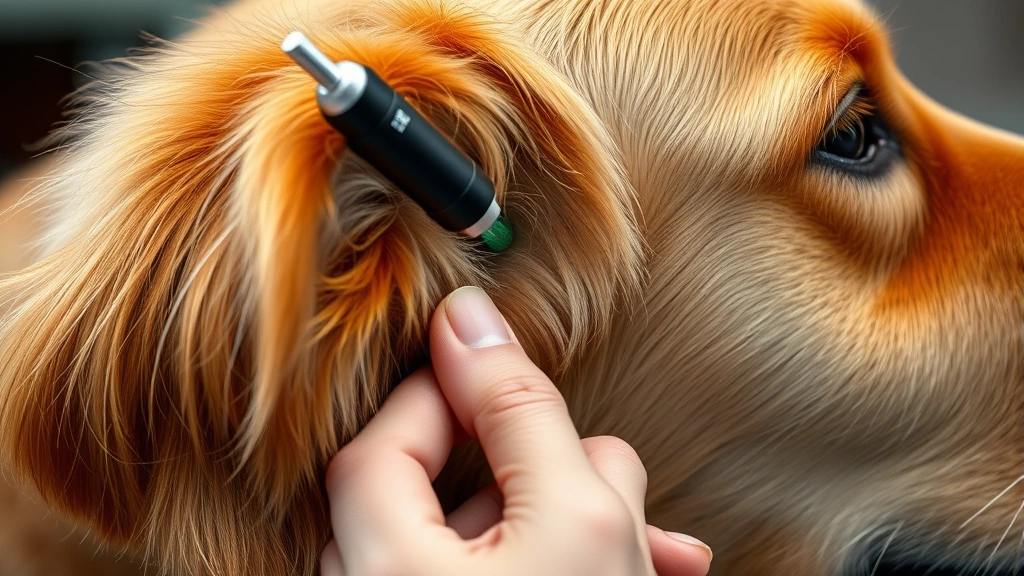
If you’re wondering how to rid of mites on dogs, you’ve come to the right place—because nothing ruins a dog owner’s day faster than discovering their furry friend is scratching like they’re auditioning for a flea circus. Mites are tiny parasites that can turn your pup’s skin into an itchy nightmare, and they’re more common than you’d think. The good news? We’ve got five battle-tested methods to send those microscopic menaces packing.
Table of Contents
- Understanding Dog Mites: What You’re Actually Dealing With
- Method 1: Prescription Medications for Severe Mite Infestations
- Method 2: Medicated Baths and Dips
- Method 3: Natural and Holistic Mite Treatments
- Method 4: Sulfur Treatments and Lime-Sulfur Dips
- Method 5: Environmental Control and Prevention Strategies
- Ear Mites: The Special Menace Requiring Targeted Approaches
- Nutrition’s Role in Fighting Mite Infestations
- When to Call Your Vet (Spoiler: Probably Sooner Than You Think)
- Prevention: The Best Medicine for Mite Management
- Frequently Asked Questions
- The Bottom Line on How to Rid of Mites on Dogs
Understanding Dog Mites: What You’re Actually Dealing With
Before we jump into the solutions, let’s talk about what we’re fighting. Dog mites come in different varieties—demodectic mites, sarcoptic mites (the ones that cause mange), and ear mites being the usual suspects. These little vampires burrow into your dog’s skin or ears, causing intense itching, hair loss, and sometimes secondary infections. It’s basically your dog’s worst nightmare, and honestly, yours too.
The tricky part? Some mite infestations require veterinary intervention, while others respond to home treatments. Knowing the difference is crucial, which is why a virtual pet checkup can be incredibly helpful for initial diagnosis.
Method 1: Prescription Medications for Severe Mite Infestations
When your dog’s scratching has reached DEFCON 1 status, it’s time to bring in the pharmaceutical heavy hitters. Your vet can prescribe medications like ivermectin, milbemycin, or spot-on treatments that are specifically formulated to annihilate mites. These aren’t your grandmother’s flea treatments—they’re precision-guided missiles designed to target mites while keeping your pup safe.
The advantage? These prescription treatments work fast, usually showing improvement within days. The downside? They can be pricey, and some dogs have sensitivities to certain medications. Always discuss side effects with your vet before starting treatment. According to the American Kennel Club, prescription treatments are often the gold standard for severe mange cases.
Method 2: Medicated Baths and Dips
Nothing says “spa day” quite like a medicinal bath that smells like a chemistry lab, right? Medicated dips containing sulfur or benzoyl peroxide are old-school but effective for managing mite populations. These treatments help kill mites on contact and reduce inflammation, making your dog feel less like they’re wearing a suit made of fire ants.
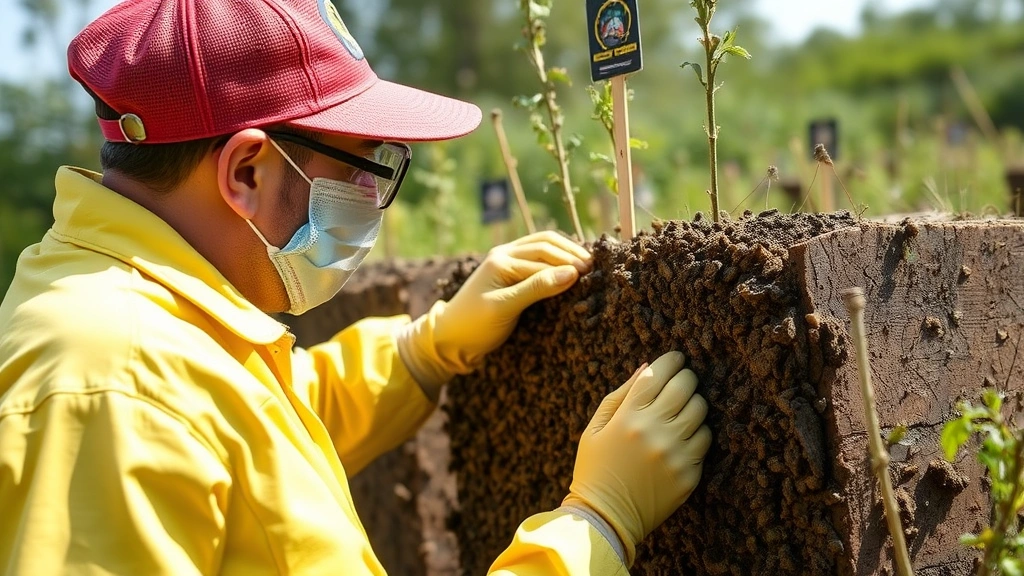
The process involves bathing your dog in the medicated solution, letting it sit for the recommended time (usually 10-15 minutes), then rinsing thoroughly. You’ll typically need to repeat this weekly for several weeks. Pro tip: wear gloves and avoid getting the solution in your dog’s eyes—trust me, nobody wants that drama.
Method 3: Natural and Holistic Mite Treatments
If you’re the “keep it natural” type, there are several options worth exploring. Coconut oil, apple cider vinegar rinses, and neem oil have antimicrobial properties that can help manage mite infestations. While these natural remedies work best for mild cases, they’re gentler on your dog’s skin and won’t destroy your bank account.
Coconut oil, in particular, can be applied topically to affected areas several times weekly. The lauric acid in coconut oil has anti-parasitic properties that mites find absolutely repugnant. You can also incorporate immune-boosting foods for pets into your dog’s diet to support their natural defenses against mite infestations.
Method 4: Sulfur Treatments and Lime-Sulfur Dips
Sulfur is basically nature’s mite assassin. Lime-sulfur dips have been used for decades to treat sarcoptic mange and are particularly effective against mites that cause severe itching. The smell? Yeah, it’s not winning any fragrance awards—your dog will smell like a rotten egg factory for a few days. But your dog’s comfort is worth smelling like you’ve been working at a sulfur mine.
These dips are typically applied weekly for 4-6 weeks, depending on severity. They’re safe for puppies and pregnant dogs, making them a versatile option when other treatments aren’t suitable. Just make sure to follow your vet’s instructions precisely—too much sulfur can be irritating, while too little won’t get the job done.

Method 5: Environmental Control and Prevention Strategies
Here’s the thing nobody talks about: mites don’t just live on your dog. They’re hanging out in bedding, furniture, and carpeting like they own the place. To truly rid of mites on dogs, you need a whole-house approach. Wash all your dog’s bedding in hot water weekly, vacuum frequently, and consider using earth-friendly flea control methods for your home.
Steam cleaning carpets and upholstered furniture can help eliminate mites lurking in those cozy spots your dog loves. Some owners also use diatomaceous earth (food-grade only!) in their homes to create a hostile environment for mites. The key is consistency—one-time cleaning won’t cut it when you’re dealing with an active infestation.
Ear Mites: The Special Menace Requiring Targeted Approaches
Ear mites are the overachievers of the mite world—they’re incredibly contagious and can spread between pets faster than gossip at a dog park. If your dog is shaking their head constantly or you see dark, waxy discharge in their ears, ear mites are likely the culprit. Treatment typically involves ear cleaning followed by medicated ear drops prescribed by your vet.
Never stick anything in your dog’s ear canal without professional guidance. Your vet will show you the proper technique for applying ear medications, which is crucial for effectiveness. Some dogs need their ears flushed professionally before treatment begins, so don’t skip that vet visit.
Nutrition’s Role in Fighting Mite Infestations
Your dog’s immune system is their first line of defense against parasites. Feeding high-quality protein, omega-3 fatty acids, and antioxidants can significantly boost skin health and immune function. Consider incorporating anti-inflammatory foods for pets into their diet to reduce the itching and inflammation that mites cause.

Foods rich in zinc, vitamin E, and selenium support skin barrier function, making it harder for mites to establish themselves. Think of it as building a fortress around your dog’s skin—mites are less likely to stick around when the defenses are strong.
When to Call Your Vet (Spoiler: Probably Sooner Than You Think)
While some mild mite cases can be managed at home, severe infestations require professional help. If your dog is losing hair in patches, has open sores, or shows signs of secondary skin infections, get to your vet immediately. According to PetMD, untreated mite infestations can lead to serious complications.
Also, if you’re unsure what you’re dealing with, don’t self-diagnose. Your vet can perform skin scrapings or other tests to confirm mite presence and identify the specific type. This ensures you’re using the most effective treatment method rather than guessing and hoping.
Prevention: The Best Medicine for Mite Management
Once you’ve successfully eliminated mites, prevention becomes your new best friend. Regular grooming helps you spot skin issues early, while maintaining your dog’s overall health through proper nutrition and exercise keeps their immune system strong. Some vets recommend monthly preventative treatments during high-risk seasons.
Keep your dog’s environment clean, avoid contact with infested animals, and maintain regular vet checkups. If you have multiple pets, treat them all simultaneously to prevent cross-contamination. It’s not glamorous, but it works.

Frequently Asked Questions
Can I catch mites from my dog?
Most dog mites don’t infest humans, though sarcoptic mites can cause temporary itching on human skin. The good news? You won’t develop a full infestation. Wash your hands after handling your dog and you’re golden.
How long does it take to get rid of mites on dogs?
Mild cases might clear up in 2-3 weeks, while severe infestations can take 6-8 weeks or longer. Consistency with treatment is crucial—skipping doses or treatments will just prolong the suffering for your pup.
Are over-the-counter mite treatments effective?
Some OTC treatments work for mild cases, but they’re often less potent than prescription options. If your dog isn’t improving after two weeks of OTC treatment, upgrade to prescription medications.
Can mites cause permanent damage to my dog’s skin?
Untreated mite infestations can cause permanent scarring and hair loss in some cases. Early intervention is key to preventing long-term damage. If you suspect mites, act fast.
Is demodectic mange contagious to other dogs?
Demodectic mange is generally not contagious between adult dogs, but sarcoptic mange spreads like wildfire. Keep an infested dog separated from other pets during treatment just to be safe.
The Bottom Line on How to Rid of Mites on Dogs
Getting rid of mites on your dog requires a multi-pronged approach combining professional treatment, environmental control, and preventative care. Whether you choose prescription medications, natural remedies, or medicated baths, consistency is your secret weapon. Your dog’s comfort and health are worth the effort—and honestly, they’d do the same for you (except they’d probably just lick your face instead of actually helping).
Remember, when in doubt, consult your vet. They’ve seen it all and can guide you toward the most effective solution for your specific situation. In the meantime, keep your pup’s environment clean, their immune system strong, and their skin healthy. Mites don’t stand a chance against a well-informed dog owner with a solid game plan.





