
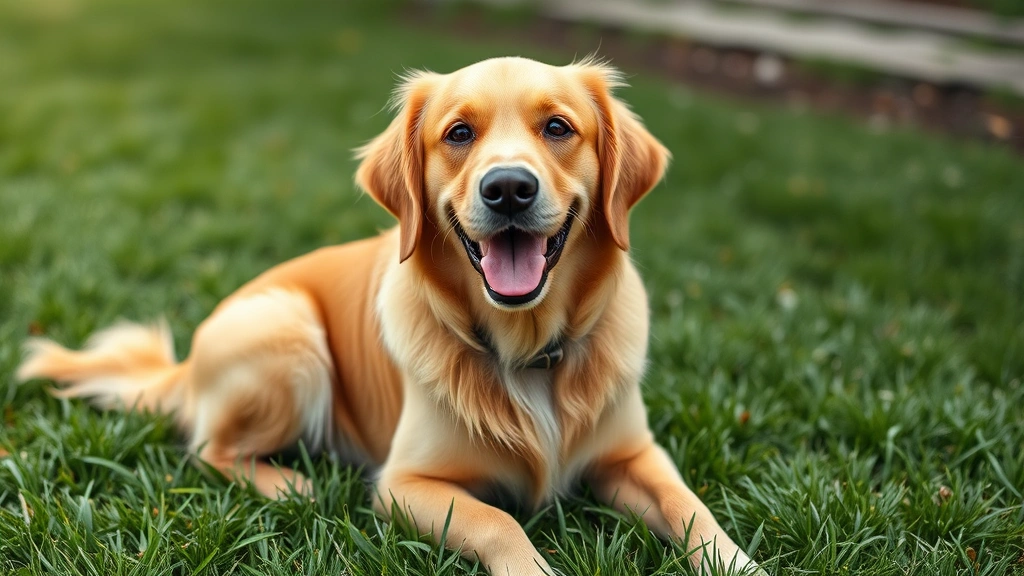
If you’re wondering how to stop a dog from peeing in the house, you’re not alone—and yes, there’s hope. Indoor accidents are one of the most frustrating challenges dog owners face, but the good news is that most cases are totally fixable with the right approach and a little patience.
Table of Contents
- Understanding Why Your Dog is Having Accidents
- Tip #1: Master the Art of Consistent Potty Breaks
- Tip #2: Implement Crate Training (Yes, Really)
- Tip #3: Supervise Like a Hawk (Or Get a Baby Gate)
- Tip #4: Address Underlying Health and Dietary Factors
- Tip #5: Clean Accidents Properly (This is Crucial)
- Understanding House Training Regression in Adult Dogs
- The Role of Patience and Positive Reinforcement
- When to Call a Professional
- Frequently Asked Questions
- Summary: Your Action Plan
Understanding Why Your Dog is Having Accidents
Before you can tackle the problem, you need to understand what’s actually going on. Dogs don’t pee inside to be jerks (even though it feels personal). There are usually legitimate reasons behind the behavior, ranging from medical issues to behavioral problems.
The first step is ruling out health concerns. Urinary tract infections, diabetes, kidney disease, and other conditions can cause your pup to lose bladder control. If your previously housetrained dog suddenly starts having accidents, a vet visit should be your first move. Your veterinarian can run tests and rule out any underlying medical issues before you blame behavioral problems.
Tip #1: Master the Art of Consistent Potty Breaks
Consistency is absolutely everything when you’re dealing with indoor peeing. Your dog needs a predictable schedule, and you need to stick to it like your life depends on it. Most dogs do best with potty breaks first thing in the morning, after meals, before bedtime, and several times throughout the day.
Here’s the thing: puppies and senior dogs need more frequent breaks. Young puppies can typically hold it for one hour per month of age (so a 3-month-old can hold it for about 3 hours). Senior dogs often lose some bladder control and need more frequent trips outside. Set phone reminders if you have to—this isn’t the time to wing it.
When you take your dog out, go to the same spot every time. The familiar scent actually helps trigger the urge to go, making success more likely. And here’s a pro tip: take them out, wait patiently, and the moment they finish, celebrate like they just won the lottery. Treats, praise, the whole deal. Your enthusiasm matters more than you think.
Tip #2: Implement Crate Training (Yes, Really)
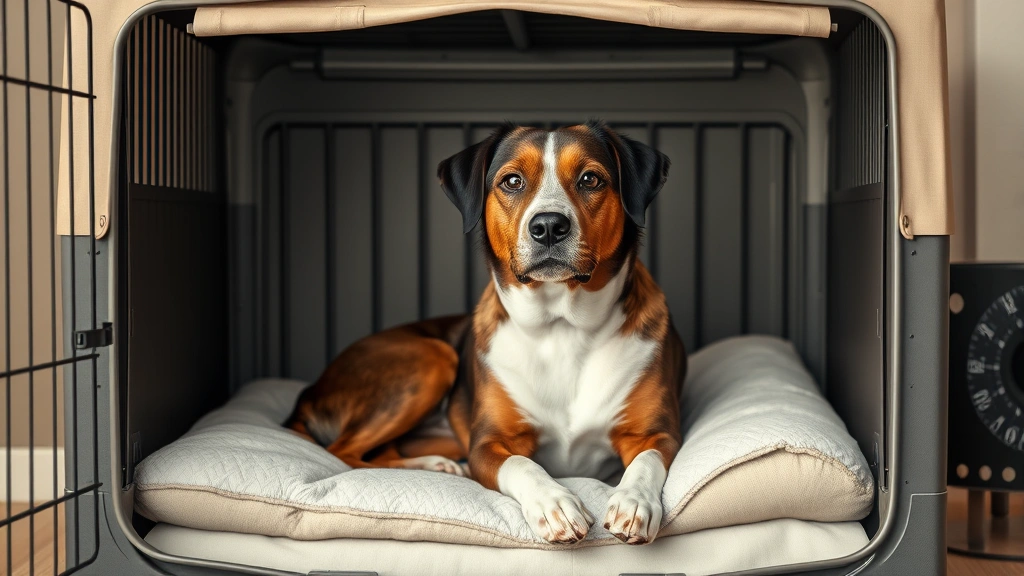
Before you think crate training is cruel, hear this out: dogs naturally avoid soiling their sleeping area. It’s instinctual. A properly sized crate (big enough to stand, turn around, and lie down—not huge) becomes your secret weapon.
The crate should never be used as punishment. It’s a safe space, a den, a place where your dog feels secure. When you can’t actively supervise your pup, the crate keeps them from having unsupervised accidents and reinforces the idea that they shouldn’t pee where they sleep.
Pro tip: never leave a dog in a crate longer than they can physically hold their bladder. Take them out, let them potty, and then crate them again if needed. This creates a powerful association: crate time equals bladder control time.
Tip #3: Supervise Like a Hawk (Or Get a Baby Gate)
You can’t correct behavior you don’t see. Constant supervision is non-negotiable during the retraining phase. Keep your dog in the same room as you, watch for sniffing, circling, or other pre-pee behaviors, and get them outside immediately if you spot these signs.
If you can’t watch them 24/7 (and let’s be real, who can?), use baby gates or close doors to restrict them to a smaller, easily cleanable area. The smaller the space, the more motivated they’ll be to hold it and ask to go outside. Some owners even keep their dog tethered to them with a leash indoors—sounds intense, but it works.
When you catch your dog in the act, don’t punish them. Seriously. Punishment causes fear and confusion, not understanding. Instead, calmly interrupt them, take them outside, and reward them if they finish outside. The goal is teaching them where the appropriate place to pee is, not creating anxiety about peeing in general.
Tip #4: Address Underlying Health and Dietary Factors
Sometimes the issue isn’t behavioral at all. As mentioned earlier, medical conditions are a huge factor. But diet plays a role too. What goes in must come out, and if your dog’s diet is causing digestive upset, it can affect bladder control.
You might want to review what not to feed your dog to ensure you’re not accidentally feeding them something that irritates their system. Some dogs are sensitive to certain ingredients, and dietary inflammation can actually worsen incontinence issues. Check out anti-inflammatory foods for pets to see if diet adjustments might help.
Additionally, make sure your dog has constant access to fresh water, but monitor intake. If your vet suspects a urinary issue, they might recommend limiting water intake at certain times (though never restrict water without veterinary guidance). Some owners use remote pet health monitoring tools to track their dog’s drinking and urination patterns, which can be super helpful information to share with your vet.
Tip #5: Clean Accidents Properly (This is Crucial)
Here’s what most people get wrong: a quick wipe with regular cleaner doesn’t cut it. Dog urine contains enzymes that leave a scent even after the spot looks clean. Your dog can smell it, and they’ll keep using that spot as their personal bathroom.
You need an enzymatic cleaner specifically designed for pet urine. These cleaners break down the urine compounds at a molecular level, actually eliminating the scent rather than just masking it. Spray it on the affected area, let it sit for the recommended time (usually 10-15 minutes), and let it dry completely.
Once the spot is clean, consider blocking access to it temporarily. If your dog keeps returning to the same spot, it’s because they can still smell it (or the enzymatic cleaner didn’t fully work). Move furniture, use a baby gate, or keep them out of that room until you’re confident the scent is gone.
Understanding House Training Regression in Adult Dogs
Sometimes a previously housetrained dog suddenly starts having accidents. This is called regression, and it’s different from a puppy who never learned in the first place. Regression can happen due to stress, changes in routine, new pets, moving to a new home, or yes, medical issues.
If your adult dog regresses, start by scheduling a vet appointment to rule out urinary tract infections or other health problems. Once medical issues are cleared, go back to basics with the tips above. Dogs can be creatures of habit, and any disruption to their routine can cause setbacks.
The Role of Patience and Positive Reinforcement
This is worth its own section because it’s genuinely important. Punishment doesn’t work. Yelling, rubbing their nose in it, or any form of negative reinforcement creates fear and anxiety, which actually makes incontinence worse. Your dog isn’t being spiteful; they’re not thinking “I’ll show my owner by peeing on the carpet.”
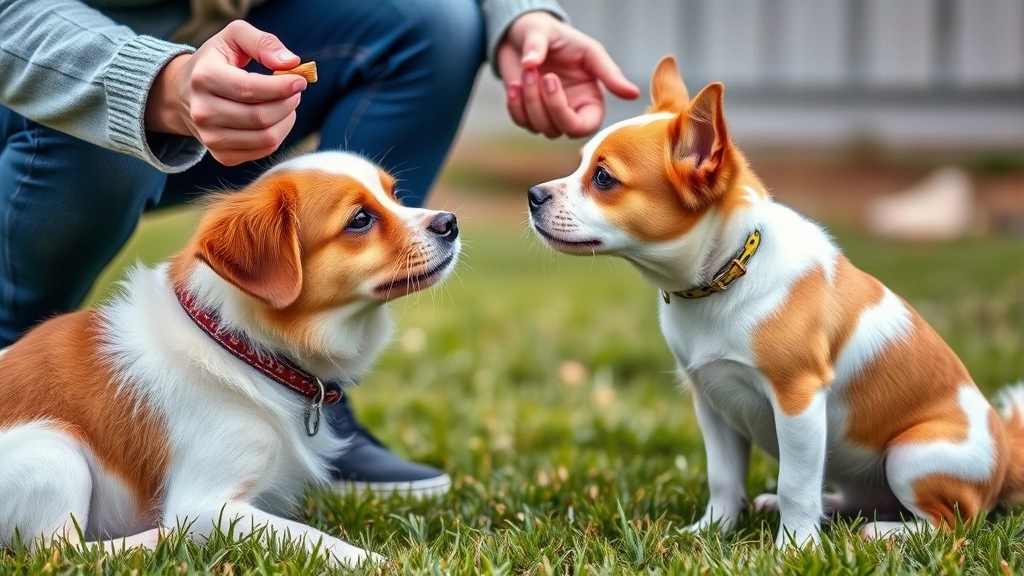
Instead, focus entirely on positive reinforcement. Every successful outdoor pee gets celebrated. This might feel silly, but your dog’s brain is literally wired to repeat behaviors that get rewarded. Make going outside the most exciting thing that happens all day, and indoor accidents become increasingly unappealing by comparison.
When to Call a Professional
If you’ve been consistent with these tips for 4-6 weeks and still see no improvement, it’s time to call in reinforcements. A certified professional dog trainer or veterinary behaviorist can assess your specific situation and provide customized guidance. Sometimes there are subtle issues (like anxiety or marking behavior) that require professional intervention.
Also, if your dog shows signs of medical issues—excessive drinking, straining to urinate, blood in urine, or frequent accidents despite being let out regularly—don’t wait. These warrant immediate veterinary attention.
Frequently Asked Questions
How long does it take to housetrain a dog?
It depends on the dog’s age and previous training. Puppies typically take 4-6 months to be reliably housetrained, while adult dogs being retrained might show improvement within 2-4 weeks if you’re consistent. Senior dogs may need more time and more frequent breaks.
Is my dog peeing in the house because of anxiety?
Possibly. Separation anxiety, thunderstorm anxiety, or general stress can cause accidents. Signs include peeing when you leave, during storms, or in response to specific triggers. A vet or behaviorist can help determine if anxiety is the culprit and recommend solutions like training, medication, or both.
Can I use puppy pads to help with house training?
This is controversial. Puppy pads can confuse dogs because they teach them that peeing indoors is acceptable. Most trainers recommend skipping pads and going straight to outdoor training. However, for senior dogs with incontinence or dogs with limited outdoor access, pads might be a necessary accommodation.
What’s the difference between marking and regular accidents?
Marking is when dogs pee in small amounts on vertical surfaces (walls, furniture legs) to claim territory. Regular accidents are full bladder releases on horizontal surfaces. Marking is usually a behavioral issue (especially in intact males), while accidents are often medical or training-related. Treatment differs for each.
Should I ever punish my dog for having an accident?
No. Punishment doesn’t teach them where to pee; it teaches them to fear you and hide when they need to go. This makes training harder, not easier. Stick with positive reinforcement and supervision instead.
Summary: Your Action Plan
Figuring out how to stop a dog from peeing in the house comes down to five core strategies: consistent potty schedules, crate training, constant supervision, addressing health factors, and proper enzymatic cleaning. Combine these with patience and positive reinforcement, and most dogs will get back on track.
Start with a vet visit to rule out medical issues, then implement the behavioral strategies above. Be consistent, stay positive, and remember that this is fixable. Thousands of dogs have overcome this issue, and yours can too. The key is understanding that your dog isn’t trying to ruin your life—they just need clear guidance, a solid routine, and your patience while they learn.





