
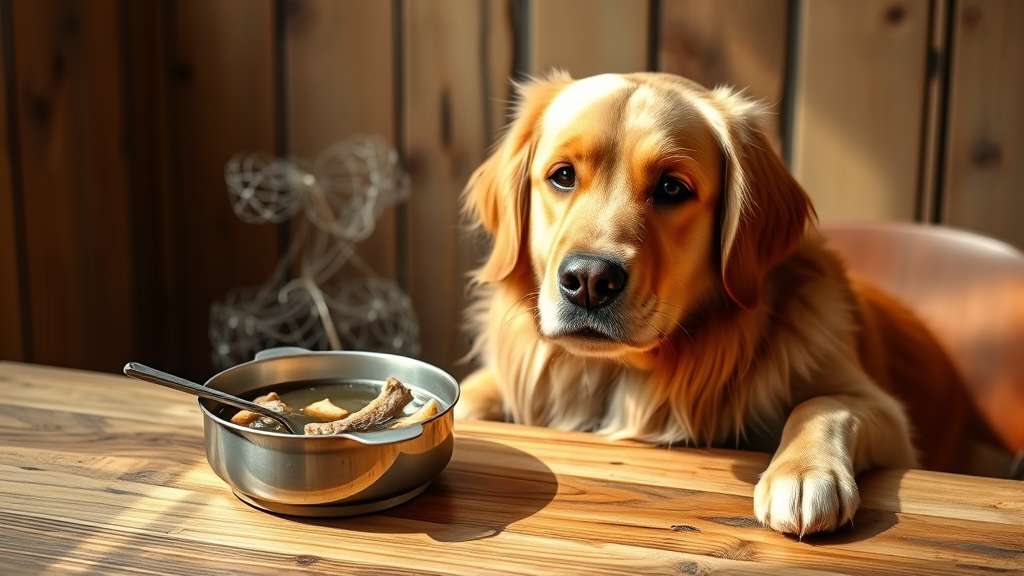
When it comes to nourishing our beloved canine companions, pet owners are constantly seeking wholesome, natural options that provide maximum health benefits. Enter bone broth – a nutrient-dense liquid that has captured the attention of both human health enthusiasts and devoted dog parents alike. This ancient superfood, made by slowly simmering bones and connective tissues, creates a powerhouse of essential nutrients that can significantly enhance your dog’s overall well-being.
Bone broth offers a remarkable array of health benefits for dogs, from supporting joint health and digestive wellness to boosting immune function and promoting healthy skin and coat. As more veterinarians and pet nutritionists recognize the therapeutic properties of this liquid gold, it’s becoming increasingly clear that bone broth deserves a place in your dog’s regular diet. Let’s explore the science-backed benefits and practical applications of this canine superfood.
Nutritional Profile of Bone Broth
Bone broth is a nutritional powerhouse that contains an impressive array of vitamins, minerals, and bioactive compounds essential for canine health. The slow-cooking process extracts valuable nutrients from bones, cartilage, and connective tissues, creating a highly bioavailable source of nutrition that’s easily absorbed by your dog’s digestive system.
The most significant components include collagen, which breaks down into gelatin during the cooking process, providing the building blocks for healthy joints, skin, and coat. Glycine, an amino acid abundant in bone broth, supports liver detoxification and promotes restful sleep. Proline, another crucial amino acid, aids in collagen synthesis and wound healing.
Bone broth also contains essential minerals like calcium, phosphorus, magnesium, and potassium, which are vital for bone health, muscle function, and cellular processes. The National Center for Biotechnology Information has documented the mineral content and bioavailability of nutrients in bone broth, confirming its value as a nutritional supplement.

Joint Health and Mobility Benefits
One of the most celebrated benefits of bone broth for dogs is its remarkable impact on joint health and mobility. The high concentration of naturally occurring glucosamine, chondroitin, and hyaluronic acid makes bone broth an excellent supplement for dogs with arthritis, hip dysplasia, or general joint stiffness associated with aging.
Collagen, the primary structural protein in bones and cartilage, is particularly beneficial for maintaining joint integrity. As dogs age, their natural collagen production decreases, leading to joint deterioration and discomfort. Regular consumption of bone broth can help replenish these essential proteins, potentially slowing the progression of joint disease and improving overall mobility.
The gelatin derived from collagen also acts as a natural cushion for joints, reducing friction and inflammation. Many pet owners report noticeable improvements in their senior dogs’ mobility and energy levels after incorporating bone broth into their daily routine. The American Kennel Club recognizes bone broth as a beneficial supplement for supporting joint health in dogs of all ages.
Digestive Health and Gut Support
Bone broth serves as an excellent digestive aid for dogs experiencing gastrointestinal issues or those recovering from illness. The gelatin in bone broth helps heal and seal the gut lining, making it particularly beneficial for dogs with leaky gut syndrome, inflammatory bowel disease, or chronic digestive sensitivities.
The amino acid glycine plays a crucial role in supporting digestive health by stimulating the production of stomach acid and bile, which are essential for proper nutrient absorption. This makes bone broth an ideal addition to meals for dogs with compromised digestive systems or those transitioning to new diets.
For dogs experiencing diarrhea or upset stomach, bone broth can be a gentle, nourishing option that provides essential nutrients while being easy on the digestive system. When combined with other bland foods, knowing what to feed a dog with diarrhea becomes easier with bone broth as a foundational ingredient.
The American Veterinary Medical Association emphasizes the importance of proper nutrition during digestive upset, and bone broth fits perfectly into therapeutic dietary protocols.
Immune System Enhancement
The immune-boosting properties of bone broth stem from its rich concentration of minerals, amino acids, and other bioactive compounds that support optimal immune function. The bone marrow used in quality bone broth contains stem cells and immune-supporting factors that can help strengthen your dog’s natural defense mechanisms.
Glycine, abundantly present in bone broth, has anti-inflammatory properties that can help reduce chronic inflammation throughout the body. This is particularly beneficial for dogs with autoimmune conditions or chronic inflammatory diseases. The mineral content, including zinc and selenium, also plays vital roles in immune system function and cellular repair.
Regular consumption of bone broth may help reduce the frequency and severity of minor illnesses, supporting overall health and vitality. The PetMD veterinary resource highlights the immune-supporting benefits of bone broth as part of a holistic approach to canine health.
Skin and Coat Health Improvements
The collagen and essential amino acids in bone broth contribute significantly to healthy skin and a lustrous coat. Collagen provides the structural foundation for healthy skin, while amino acids like proline and glycine support the production of keratin, the protein that makes up hair and nails.
Dogs with dry, itchy skin or dull coats often show remarkable improvements after regular bone broth consumption. The hydrating properties of bone broth, combined with its nutrient density, work from the inside out to promote skin health and coat shine. This is particularly beneficial for dogs with allergies or skin sensitivities that may be related to nutritional deficiencies.
The omega-3 fatty acids and other beneficial compounds in bone broth also help reduce skin inflammation and support the skin’s natural barrier function. Many groomers and veterinary dermatologists recommend bone broth as a natural supplement for maintaining optimal skin and coat health.
Hydration and Palatability Advantages
Bone broth serves as an excellent hydration tool, especially for dogs who don’t drink enough water or are recovering from illness. The savory, meaty flavor makes it highly palatable, encouraging even the pickiest eaters to increase their fluid intake. This is particularly valuable for senior dogs or those with kidney issues who need additional hydration support.
The palatability of bone broth makes it an excellent vehicle for administering medications or supplements that dogs might otherwise refuse. It can also be used to enhance the appeal of dry kibble or to encourage eating in dogs with reduced appetite due to illness or stress.
Understanding proper portion sizes is important when incorporating bone broth into your dog’s diet, just as knowing how much food should i feed my dog helps maintain optimal nutrition balance.
How to Make Safe Bone Broth for Dogs
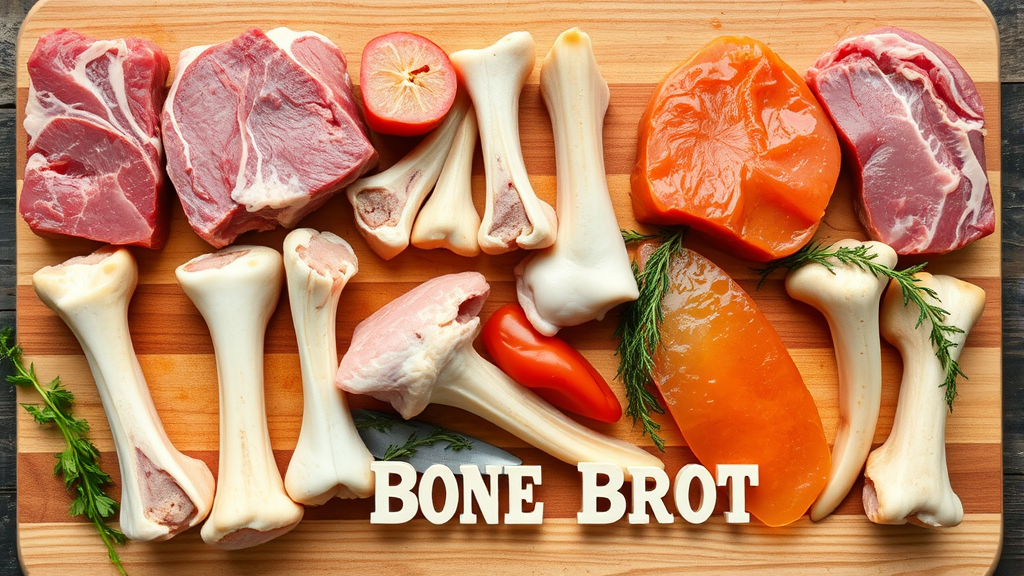
Creating homemade bone broth for your dog is a straightforward process that ensures you control the quality and safety of ingredients. Start with high-quality bones from grass-fed beef, free-range chicken, or wild-caught fish. Avoid using bones from animals that may have been treated with hormones or antibiotics, as these can affect the nutritional quality of the broth.
The key to safe bone broth preparation lies in understanding which bones are appropriate. While the cooking process makes bones safe for broth-making, it’s important to know the difference between safe cooking bones and those that should never be given directly to dogs. Understanding whether can dogs eat chicken bones helps clarify why cooked bones should never be given whole to dogs, even though they’re perfect for broth-making.
To make bone broth, place 2-3 pounds of bones in a slow cooker or large pot, cover with water, and add a splash of apple cider vinegar to help extract minerals. Cook on low heat for 12-24 hours, skimming off any foam that rises to the surface. The longer cooking time ensures maximum nutrient extraction and creates a gelatinous consistency when cooled.
Strain the broth through a fine-mesh strainer, removing all bone fragments and solid pieces. Allow it to cool completely before serving or storing. Properly made bone broth will have a jelly-like consistency when refrigerated, indicating successful collagen extraction.
When preparing homemade meals, knowing how to boil chicken for dogs can complement your bone broth preparation skills, creating complete, nutritious meals for your pet.
Serving Guidelines and Safety Considerations
When introducing bone broth to your dog’s diet, start with small amounts to allow their digestive system to adjust. Begin with 1-2 tablespoons for small dogs, 1/4 cup for medium dogs, and up to 1/2 cup for large dogs, given once daily. Gradually increase the amount based on your dog’s tolerance and response.
Bone broth can be served in several ways: as a standalone treat, poured over dry kibble to enhance palatability, frozen in ice cube trays for summer treats, or mixed with other ingredients to create nutritious meals. Some owners combine bone broth with safe grains like rice, understanding that can dogs eat rice helps create balanced, digestible meals.
Safety considerations include ensuring the broth is completely cooled before serving and checking that all bone fragments have been removed during straining. Never give dogs access to the bones used for making broth, as cooked bones can splinter and cause serious injury. Store homemade bone broth in the refrigerator for up to 5 days or freeze for up to 6 months.
Monitor your dog for any adverse reactions when first introducing bone broth, including digestive upset or allergic responses. While rare, some dogs may be sensitive to certain proteins or have difficulty digesting rich foods. The FDA’s guidelines for pet nutrition emphasize the importance of gradual dietary changes and monitoring for adverse reactions.
It’s crucial to understand that while bones are excellent for making broth, the general question of can dogs eat bones has a more complex answer depending on the type and preparation of the bones involved.
Frequently Asked Questions
Is bone broth safe for all dogs?
Bone broth is generally safe for most dogs when prepared properly and introduced gradually. However, dogs with specific health conditions like pancreatitis or those on restricted diets should consult with a veterinarian before adding bone broth to their routine. Dogs with food allergies should be introduced to bone broth made from novel protein sources they haven’t been exposed to previously.
How often should I give my dog bone broth?
Most dogs can safely enjoy bone broth daily as part of their regular diet. Start with small amounts and gradually increase based on your dog’s size and tolerance. For therapeutic purposes, such as supporting joint health or digestive issues, daily consumption may be beneficial. For general wellness, 2-3 times per week is typically sufficient.
Can puppies drink bone broth?
Yes, puppies can benefit from bone broth, but it should be introduced carefully and in smaller quantities than for adult dogs. Start with very small amounts (1-2 teaspoons) and ensure the broth is lukewarm, not hot. Bone broth can be particularly helpful for puppies transitioning to solid food or those experiencing digestive upset.
Should I buy commercial bone broth or make my own?
While commercial bone broth for dogs is convenient and can be beneficial, homemade bone broth allows you to control the ingredients and quality. If purchasing commercial bone broth, choose products specifically formulated for dogs, avoiding those with onions, garlic, excessive sodium, or artificial additives. The Humane Society provides guidelines for evaluating commercial pet food products.
Can bone broth replace water in my dog’s diet?
No, bone broth should supplement, not replace, fresh water in your dog’s diet. While bone broth provides additional hydration and nutrients, dogs still need access to clean, fresh water at all times. Bone broth is more calorie-dense than water and should be considered part of your dog’s daily caloric intake.
What types of bones are best for making dog bone broth?
The best bones for making dog bone broth are large, raw bones from healthy animals, including beef knuckle bones, chicken carcasses, and fish bones. Avoid using ham bones or other processed meat bones, as understanding can dogs have ham bones reveals the potential risks associated with processed and cured meats. Always use raw bones for broth-making, as cooked bones can splinter.
How long does homemade bone broth last?
Homemade bone broth can be stored in the refrigerator for up to 5 days or frozen for up to 6 months. When refrigerated, properly made bone broth will have a gelatinous consistency due to the extracted collagen. Always check for signs of spoilage, including off odors or mold, before serving to your dog. Consider portioning and freezing in ice cube trays for convenient serving sizes.





