
If you’re wondering how to stop diarrhea in dogs, you’ve probably already experienced the joy of stepping barefoot into a surprise puddle at 3 AM. Canine diarrhea is one of those universal pet parent problems that strikes without warning and leaves you frantically searching for answers. The good news? Most cases of dog diarrhea are manageable at home, and we’re here to walk you through exactly what works.
Table of Contents
- Understanding Why Your Dog Has Diarrhea
- Method 1: The 24-Hour Fasting Strategy
- Method 2: Bland Diet and Convalescence Foods
- Method 3: Probiotics and Digestive Support
- Method 4: Pumpkin—The Orange Miracle Worker
- Method 5: Addressing Food Allergies and Sensitivities
- When to Call Your Vet About Canine Diarrhea
- Prevention: Stop Diarrhea Before It Starts
- Hydration: The Often-Overlooked Critical Factor
- Medications and Veterinary Treatments
- Special Considerations for Different Dog Types
- Frequently Asked Questions
- Summary: Your Action Plan for How to Stop Diarrhea in Dogs
Understanding Why Your Dog Has Diarrhea
Before we dive into solutions for stopping diarrhea in dogs, let’s talk about why it happens in the first place. Your pup’s digestive system is more sensitive than you might think. Diarrhea can stem from dietary indiscretions (aka eating something questionable from the trash), sudden food changes, stress, infections, or underlying health conditions. Sometimes it’s a one-off incident; other times it signals something that needs veterinary attention.
The key to effectively treating canine diarrhea is understanding the root cause. Is your dog acting normal otherwise? Did you recently switch their food? Did they raid the garbage? These clues matter.
Method 1: The 24-Hour Fasting Strategy
One of the simplest ways to address mild diarrhea is giving your dog’s digestive system a break. A 24-hour fast (water only, of course) allows the gut to reset and often resolves acute cases. This method works best for otherwise healthy dogs with no underlying medical conditions.
During the fasting period, ensure your dog has access to fresh water at all times. You’re not dehydrating them; you’re just pausing food intake. After 24 hours, reintroduce bland foods gradually. Many vets recommend this as a first-line approach before jumping to medications or specialized diets.
Method 2: Bland Diet and Convalescence Foods
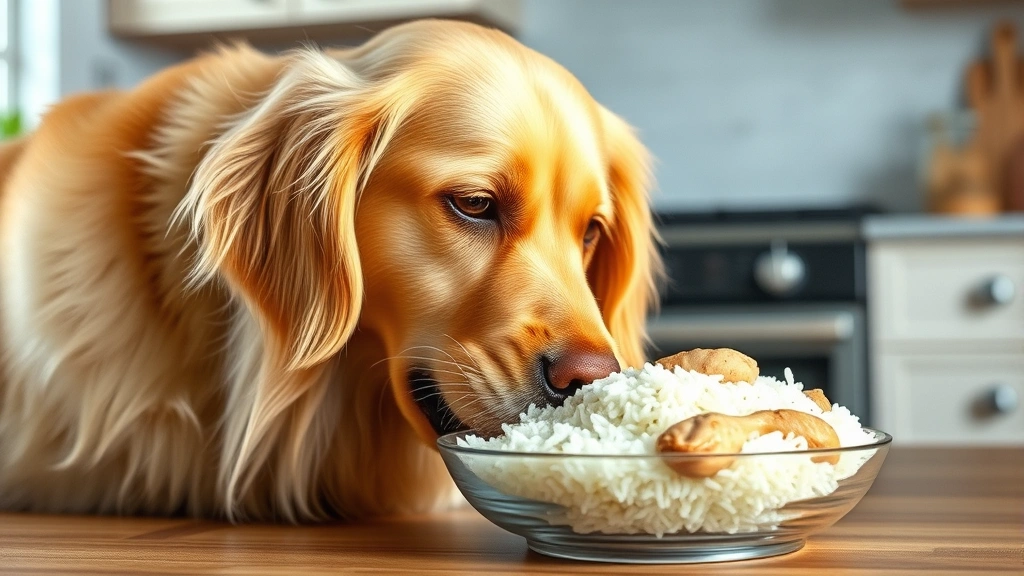
Once your dog has fasted, it’s time to introduce easily digestible foods. This is where convalescence foods from the kitchen become your secret weapon. Plain boiled chicken (no skin or bones), white rice, and sweet potato are classic choices that won’t irritate an inflamed digestive tract.
Feed small portions frequently—think of it as multiple mini-meals rather than one large bowl. The bland diet approach typically works within 3-5 days for most cases of acute diarrhea. Gradually mix in their regular food as their stools normalize. Pro tip: warming the bland food slightly can improve palatability and digestion.
Method 3: Probiotics and Digestive Support
Your dog’s gut is home to millions of beneficial bacteria that keep digestion running smoothly. When diarrhea strikes, these good bacteria get disrupted. This is where probiotics enter the chat. Canine-specific probiotics can restore gut flora and reduce inflammation in the intestinal lining.
Look for products containing strains like Lactobacillus and Bifidobacterium. You can also find natural probiotic sources in plain yogurt (unsweetened, no xylitol). Many pet parents report seeing improvement within a few days of adding probiotics to their dog’s routine. It’s a safe, gentle approach that complements other treatment methods.
Method 4: Pumpkin—The Orange Miracle Worker
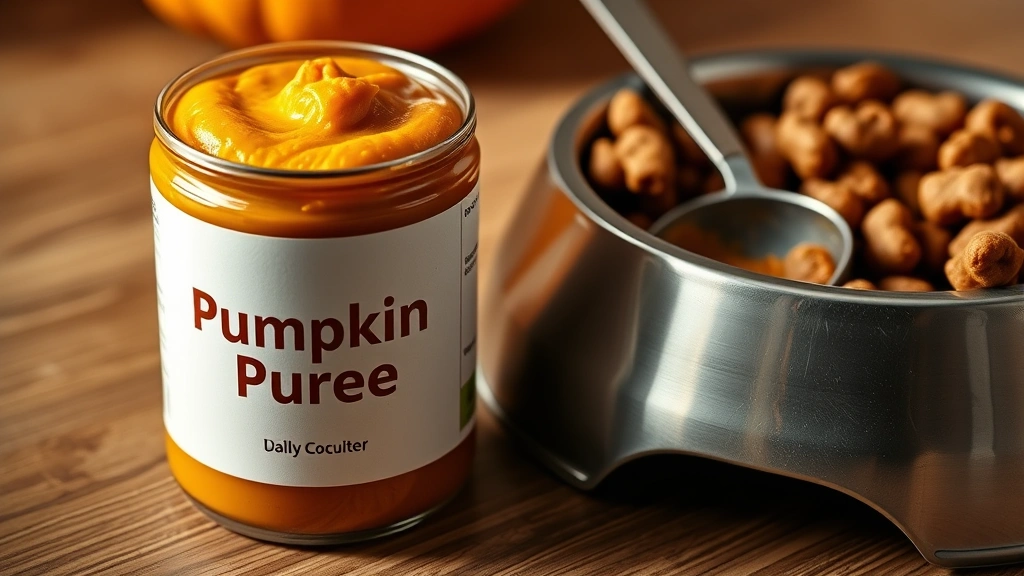
If you’ve been around dog owners for five minutes, you’ve probably heard someone swear by pumpkin for diarrhea. And honestly? They’re onto something. Canned pumpkin for dogs contains soluble fiber that absorbs excess moisture in the colon, firming up stools naturally.
Use plain pumpkin puree (not pie filling, which contains added sugar and spices). A tablespoon or two mixed into your dog’s food can work wonders. The beauty of pumpkin is that it’s safe, affordable, and actually tasty to most dogs. You’ll see results within 24-48 hours for many cases. This remedy has been trusted by vets and pet parents for decades—and there’s solid science backing it up.
Method 5: Addressing Food Allergies and Sensitivities
Sometimes diarrhea isn’t a temporary issue—it’s your dog’s way of telling you something in their diet isn’t working. Food allergies in pets are surprisingly common and often manifest as chronic loose stools. Common culprits include chicken, beef, wheat, and dairy.
If your dog has recurring diarrhea despite trying the methods above, consider a limited ingredient diet. Many vets recommend an elimination diet to identify problem foods. You might also explore limited ingredient treat recipes to ensure you’re not accidentally triggering issues with snacks. This requires patience, but identifying and removing allergens can be life-changing for dogs with sensitive digestive systems.
When to Call Your Vet About Canine Diarrhea
While most cases of dog diarrhea resolve with home care, some situations demand professional help. Contact your vet if:
- Diarrhea lasts more than 3-5 days
- Your dog shows signs of lethargy, vomiting, or loss of appetite
- You see blood or mucus in the stool
- Your dog is a puppy, senior, or has pre-existing health conditions
- Your dog seems in pain or distress
Your veterinarian can run tests to rule out infections, parasites, or inflammatory bowel conditions. Sometimes what looks like simple diarrhea needs professional diagnosis and treatment. Don’t hesitate to seek help—that’s what your vet is there for.
Prevention: Stop Diarrhea Before It Starts
The best approach to how to stop diarrhea in dogs is preventing it altogether. Keep your pup away from table scraps, garbage, and sudden dietary changes. Introduce new foods gradually over 7-10 days, mixing them with their regular diet. Ensure your dog gets regular exercise and mental stimulation—stress can trigger digestive upset.
Maintain a consistent feeding schedule and use high-quality dog food appropriate for your dog’s age and size. Regular vet check-ups catch underlying issues early. If your dog has a history of sensitive digestion, work with your vet to establish a feeding protocol that keeps their system stable.
Hydration: The Often-Overlooked Critical Factor
While treating diarrhea, hydration becomes absolutely crucial. Loose stools cause fluid loss, and dehydration can quickly become serious. Ensure your dog always has access to fresh water. For dogs that won’t drink enough, try offering water-rich foods like plain broth (no onion or garlic) or adding water to their food.
Watch for signs of dehydration: dry gums, lethargy, or skin that doesn’t bounce back when gently pulled. If you notice these signs, contact your vet immediately. Severe dehydration may require IV fluids, especially in puppies, seniors, or small breeds.
Medications and Veterinary Treatments
If home remedies aren’t working after a week, your vet might recommend medications. Anti-diarrheal medications like loperamide can help, though they’re not appropriate for all cases (especially infectious diarrhea). Some vets prescribe antibiotics if bacterial infection is suspected.
For chronic diarrhea, prescription digestive enzymes or special prescription diets might be necessary. Your vet might also recommend online vet advice for food reactions to help identify underlying sensitivities. The key is working with your veterinarian to find the right solution for your specific dog.
Special Considerations for Different Dog Types
Puppies, senior dogs, and those with existing health conditions need extra care when dealing with diarrhea. Puppies are prone to parasites and infections, so vet evaluation is especially important. Senior dogs may have underlying conditions like pancreatitis or inflammatory bowel disease that complicate treatment.
Dogs with compromised immune systems or chronic health issues should never be left to self-treat diarrhea. These pups need professional guidance from the start. If you have concerns about your dog’s specific situation, don’t rely solely on home remedies—get professional input.
Frequently Asked Questions
How long does it take to stop diarrhea in dogs?
Most cases of acute diarrhea resolve within 3-5 days with proper home care. However, chronic diarrhea may take weeks or months to address, especially if it’s related to food allergies or underlying conditions. If diarrhea persists beyond a week, consult your veterinarian.
Is pumpkin really effective for dog diarrhea?
Yes, plain canned pumpkin is genuinely effective for many dogs. The soluble fiber helps firm up stools by absorbing excess moisture. Most dogs respond within 24-48 hours. Always use plain pumpkin puree, not pie filling, and consult your vet about appropriate portions for your dog’s size.
Can I give my dog over-the-counter anti-diarrheal medication?
Some over-the-counter options exist, but they’re not appropriate for all situations. Never give your dog anti-diarrheal medication without veterinary approval, especially if infection is suspected. Your vet can determine if medication is safe and necessary for your dog’s specific case.
What foods should I avoid giving my dog with diarrhea?
Avoid fatty foods, dairy, high-fiber foods, and anything with artificial ingredients. Skip table scraps, spicy foods, and anything containing xylitol. Stick to bland, easily digestible options like boiled chicken and white rice until stools normalize.
Should I be concerned if my dog’s diarrhea has blood in it?
Yes, bloody stools warrant immediate veterinary attention. This can indicate parasites, infections, inflammatory bowel disease, or other serious conditions. Don’t wait—contact your vet right away if you notice blood or mucus in your dog’s stool.
How can I prevent diarrhea in my dog?
Prevent diarrhea by maintaining a consistent diet, introducing food changes gradually, keeping your dog away from table scraps and garbage, ensuring regular exercise, and scheduling routine vet check-ups. High-quality dog food appropriate for your dog’s age and health status also helps maintain digestive health.
Summary: Your Action Plan for How to Stop Diarrhea in Dogs
Learning how to stop diarrhea in dogs starts with understanding that most cases are manageable at home with patience and the right approach. Start with a 24-hour fast, transition to bland foods, and consider adding probiotics and pumpkin to your dog’s routine. If the issue persists beyond 5-7 days or your dog shows concerning symptoms, don’t hesitate to contact your veterinarian.
Remember: prevention is always better than treatment. Maintain a consistent diet, keep your dog hydrated, and stay alert to changes in their health. Most importantly, listen to your dog’s body and your gut instinct—if something feels off, get professional help. Your dog’s digestive health is worth the investment in proper care and attention.





