
If you’re wondering how to stop dog from peeing on carpet, you’re not alone—and honestly, you’re probably standing in your living room right now contemplating whether your pup has declared war on your flooring. The good news? This is one of the most fixable behavioral issues in dogs, and we’re going to walk you through exactly how to reclaim your carpet from becoming a giant litter box.
Table of Contents
- Understanding Why Your Dog Is Peeing on the Carpet
- Method 1: Schedule Regular Potty Breaks and Establish a Routine
- Method 2: Thoroughly Clean Affected Areas with Enzymatic Cleaners
- Method 3: Manage Anxiety and Environmental Triggers
- Method 4: Address Medical Issues and Dietary Factors
- Method 5: Use Positive Reinforcement and Avoid Punishment
- The Role of Proper Dog Housetraining Techniques
- Medication and Professional Help Options
- Quick Prevention Tips for the Future
- Summary: Your Carpet Rescue Plan
- Frequently Asked Questions
Understanding Why Your Dog Is Peeing on the Carpet
Before you can tackle the solution, you need to understand the root cause. Dogs don’t pee on carpets to spite you (even though it feels personal). There are legitimate reasons behind this behavior, and identifying which one applies to your furry friend is crucial.
Medical issues are often the first culprit. Urinary tract infections, diabetes, kidney disease, and incontinence can all cause inappropriate urination. If your dog suddenly started having accidents indoors after being housetrained, a vet visit should be your first stop. Your veterinarian can rule out health problems and provide guidance on managing conditions like human foods for pets with kidney disease if that’s relevant to your situation.
Behavioral issues like anxiety, marking territory, or incomplete housetraining are also common culprits. Some dogs develop separation anxiety and literally can’t hold it when you leave. Others are asserting dominance or responding to stress. Then there are the dogs who simply weren’t properly housetrained in the first place.
Method 1: Schedule Regular Potty Breaks and Establish a Routine
This sounds basic, but consistency is absolutely everything. Dogs thrive on routine, and their bladders operate on a schedule. A solid potty routine is like setting your dog up for success.
Take your dog outside first thing in the morning, after meals, after playtime, before bedtime, and every 2-3 hours in between. Puppies and senior dogs need even more frequent breaks. When your dog goes potty outside, throw a celebration—treat, praise, the whole nine yards. Make outdoor peeing the best thing that’s ever happened to them.
Keep track of when accidents happen indoors. You’ll often notice a pattern. If accidents always occur around 2 PM, that’s your signal to take your dog out at 1:30 PM. Outsmarting the problem is half the battle.
Method 2: Thoroughly Clean Affected Areas with Enzymatic Cleaners
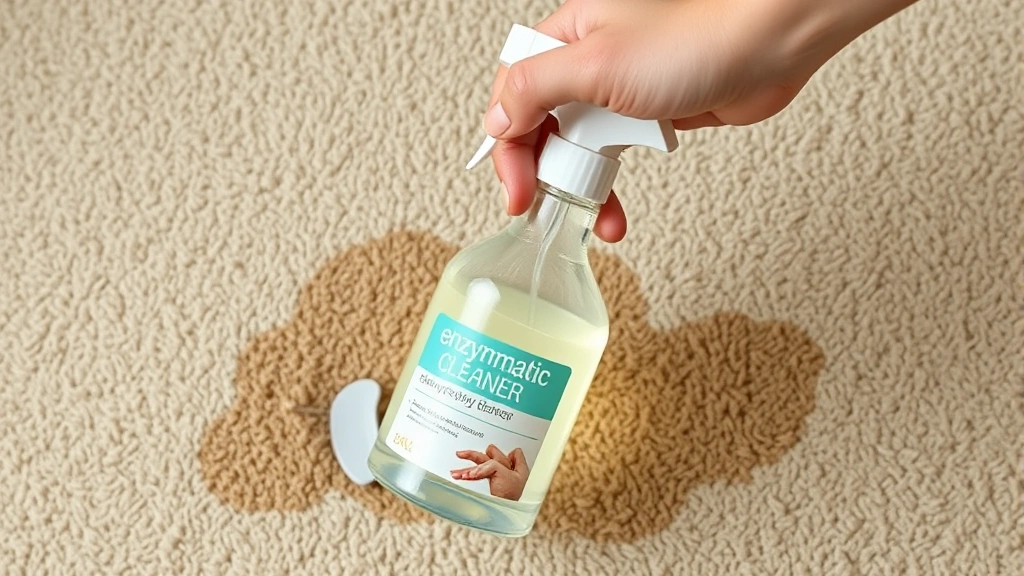
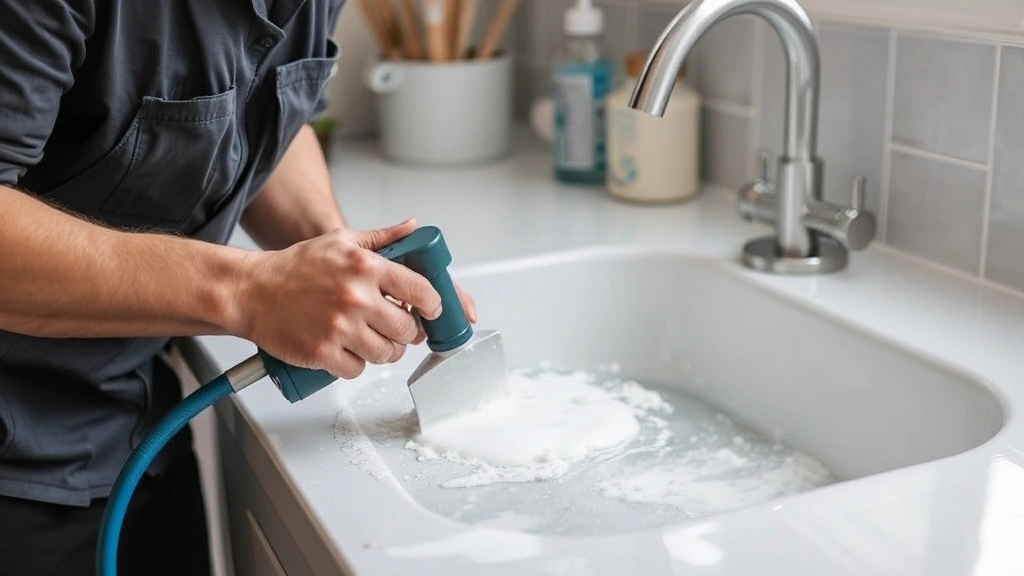
Here’s the thing about carpet pee: your nose might not detect it after it dries, but your dog absolutely can. That lingering scent is basically a neon sign saying “pee here!” to your pup. Regular cleaners won’t cut it—you need enzymatic cleaners that actually break down urine compounds.
Enzymatic cleaners contain special proteins that digest uric acid and bacteria, completely neutralizing the smell. Brands like Nature’s Miracle and Rocco & Roxie are specifically designed for pet accidents. Saturate the affected area, let it sit for 10-15 minutes, then blot thoroughly. You might need to repeat this process a few times for heavily soiled spots.
Pro tip: Use a blacklight to identify all the spots your dog has marked. You’d be surprised how many hidden accidents are lurking under your furniture. Once you’ve cleaned everything, your dog loses the scent cue, and you’re already halfway to solving the problem.
Method 3: Manage Anxiety and Environmental Triggers
If your dog is peeing on the carpet due to anxiety, you’re dealing with a different beast entirely. Separation anxiety, thunderstorm phobia, or general nervousness can trigger involuntary urination.
Start by identifying what triggers the behavior. Does it happen when you leave the house? During storms? When guests arrive? Once you know the trigger, you can work on desensitization. For separation anxiety, practice leaving your dog alone for short periods and gradually increase the duration. Create a safe space—a crate, a specific room, or a cozy corner—where your dog feels secure.
Consider using calming aids like anxiety wraps, pheromone diffusers, or even talking to your vet about anxiety medication if the problem is severe. Some dogs genuinely need pharmaceutical support to manage their stress response.
Method 4: Address Medical Issues and Dietary Factors
As mentioned earlier, medical problems are a major player in inappropriate urination. If your dog has never had accidents before and suddenly started, schedule a vet appointment immediately. UTIs, bladder stones, diabetes, and other conditions require professional treatment.
Diet also plays a surprising role. Some dogs develop sensitivities to certain ingredients, and food allergies in pets can cause digestive upset and urinary issues. If you’ve recently switched foods, consider switching back or trying a limited ingredient diet.
Additionally, certain health conditions like constipation in dogs can put pressure on the bladder and cause accidents. Proper hydration and fiber intake matter too. Your vet can assess whether dietary changes might help resolve the peeing problem.
Method 5: Use Positive Reinforcement and Avoid Punishment
Here’s where a lot of people mess up: they punish the dog for accidents. This creates fear and confusion, not understanding. Your dog doesn’t connect the punishment with the accident—they just learn to hide and pee, which means peeing behind the couch instead of in front of you.
Instead, reward heavily when your dog pees outside. Use high-value treats, enthusiastic praise, and celebration. Make going potty outdoors the most rewarding thing in their life. When accidents happen indoors (and they will during retraining), simply clean it up without comment and move on.
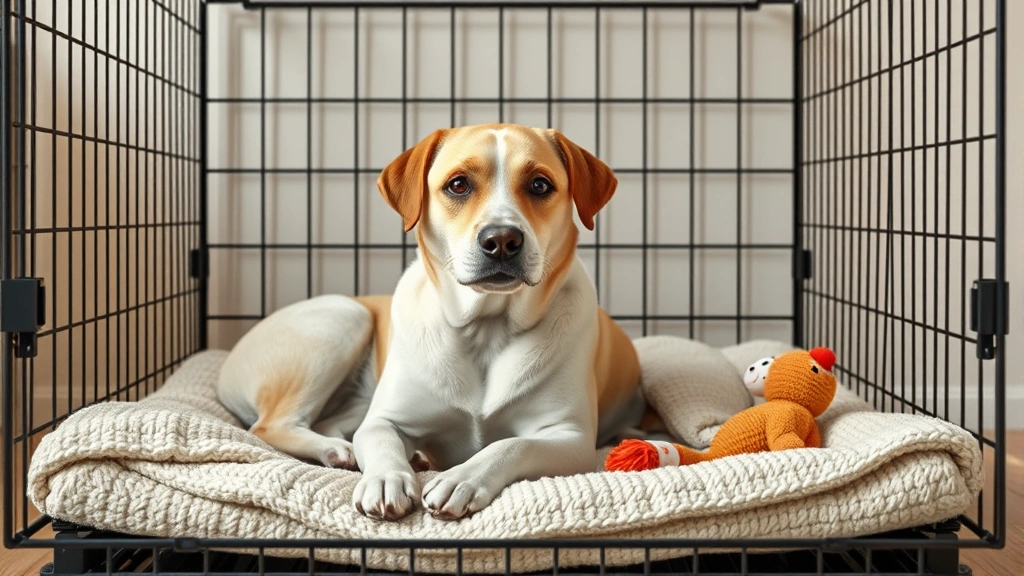
Crate training can also help. Dogs naturally avoid soiling their sleeping area, so a properly-sized crate encourages bladder control. Never use the crate as punishment—it should be a comfortable, safe space your dog actually wants to be in.
The Role of Proper Dog Housetraining Techniques
If you’re working with a puppy or an adult dog who was never properly housetrained, you’re essentially starting from scratch. This requires patience and consistency, but it absolutely works.
The key is supervision. Watch your dog constantly when they’re not in the crate. At the first sign of sniffing, circling, or squatting, scoop them up and take them outside. Catch them in the act of peeing outside and reward like crazy. Over weeks and months, your dog will connect outdoor peeing with rewards and develop the habit.
Never leave a dog with inconsistent housetraining unsupervised on carpet. Use baby gates to confine them to tile or hardwood floors where accidents are easier to clean. Gradually expand their access as they prove they can be trusted.
Medication and Professional Help Options
Sometimes you need backup. If behavioral training isn’t working, your vet might recommend medication. Incontinence medications like phenylpropanolamine can help dogs with legitimate bladder control issues. Anti-anxiety medications might be appropriate for dogs with anxiety-driven urination.
A certified professional dog trainer or veterinary behaviorist can also assess your situation and create a customized plan. They’re worth the investment if you’re really struggling.
Quick Prevention Tips for the Future
Once you’ve solved the problem, keep it solved. Maintain consistent potty schedules even after your dog is reliable. Keep your home clean using pet food safety standards for their diet and proper sanitation for their environment. Watch for behavioral changes that might signal stress or medical issues.

Consider using washable rugs or runners in high-traffic areas during the retraining phase. Some people even use puppy pads strategically placed near doors as a backup during the transition period.
Summary: Your Carpet Rescue Plan
Solving the problem of how to stop dog from peeing on carpet involves a multi-pronged approach. First, rule out medical issues with a vet visit. Second, establish a strict potty schedule with frequent outdoor breaks. Third, clean all affected areas with enzymatic cleaners to remove scent markers. Fourth, address anxiety or behavioral triggers. Fifth, use positive reinforcement exclusively—no punishment. Finally, maintain consistency and patience as your dog relearns appropriate bathroom habits.
Most dogs respond to this approach within 2-4 weeks. Some take longer, especially if they’ve been marking for a while. The key is consistency from everyone in your household and genuine commitment to the process.
Frequently Asked Questions
How long does it take to stop a dog from peeing on the carpet?
Most dogs show improvement within 2-4 weeks of consistent training and routine changes. However, if medical issues or severe anxiety are involved, it may take longer. Some stubborn cases take 8-12 weeks. The timeline depends on the underlying cause and how consistently you implement the training methods.
Is my dog peeing on the carpet out of spite?
No. Dogs don’t have the cognitive ability to pee on your carpet as revenge or to spite you. When it feels intentional, it’s usually marking behavior, anxiety, incomplete housetraining, or a medical issue. Understanding this helps you approach the problem with compassion rather than frustration.
Should I punish my dog for having accidents?
Absolutely not. Punishment creates fear and confusion and actually makes the problem worse. Dogs punished for accidents often learn to hide and pee in secret spots. Positive reinforcement for outdoor peeing is far more effective than any punishment.
What if my dog pees on the carpet even after going outside?
This could indicate marking behavior, incomplete bladder emptying due to medical issues, or anxiety. Have your vet check for UTIs or other urinary problems. If it’s marking, spaying or neutering (if not already done) can help, along with addressing any territorial anxiety.
Can diet affect my dog’s urination habits?
Yes. Diet significantly impacts urination. Some dogs develop sensitivities to certain ingredients, and proper hydration is crucial. If dietary issues are suspected, discuss options with your vet about switching to a limited ingredient diet or ensuring adequate water intake.





