
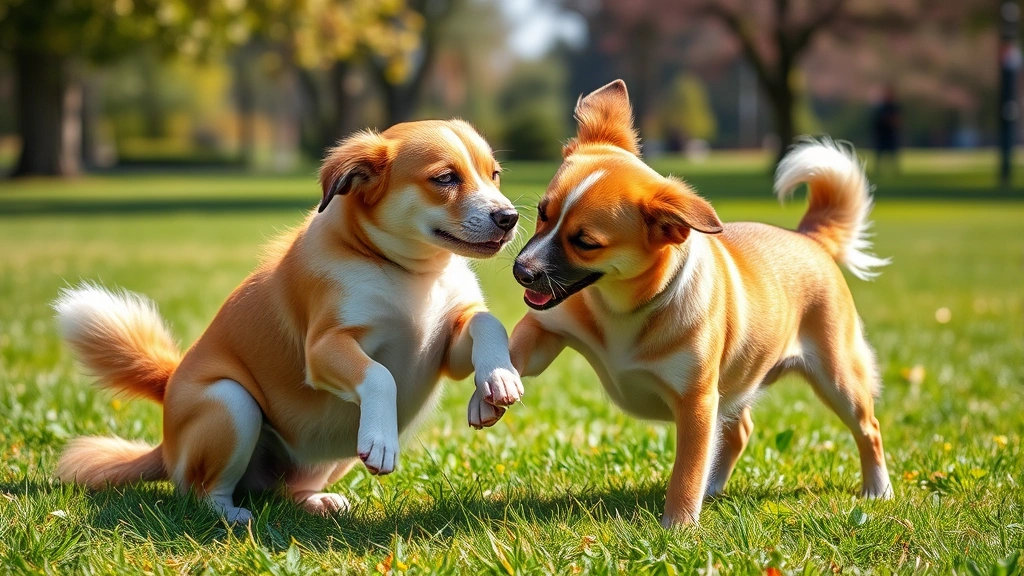
Learning how to stop dogs from fighting is one of the most important skills any dog owner can master. Whether you’ve got two dogs at home who can’t seem to get along, or you’re dealing with an unexpected scuffle at the dog park, knowing how to safely intervene can prevent serious injuries and save lives. Let’s dive into proven strategies that’ll help you manage and prevent dog fights before they escalate into dangerous situations.
Table of Contents
- Why Dogs Fight in the First Place
- Method 1: Prevention Through Early Socialization
- Method 2: Recognize Warning Signs Before the Fight Starts
- Method 3: Master the Art of Distraction and Redirection
- Method 4: Proper Leash Management and Body Positioning
- Method 5: When a Fight Breaks Out—Safe Intervention Techniques
- Understanding Aggression vs. Play Fighting
- The Role of Training and Professional Help
- Managing Multi-Dog Households
- Environmental Modifications to Reduce Conflict
- Health Considerations and Behavioral Triggers
- Long-Term Management and Recovery
- Frequently Asked Questions
- Conclusion: Prevention Is Your Best Defense
Why Dogs Fight in the First Place
Before we talk about stopping the chaos, let’s understand what’s actually happening. Dogs fight for various reasons—resource guarding (that toy is MINE), establishing dominance, fear-based aggression, or sometimes they’re just having a really bad day. Some dogs have poor bite inhibition, while others are protecting their territory or their humans. Understanding the root cause is half the battle. A stressed dog on a leash near another stressed dog? Recipe for disaster. Dogs who haven’t been properly socialized? Even trickier. The key is recognizing these triggers before your pups turn into furry wrestlers.
Method 1: Prevention Through Early Socialization
The best way to stop dogs from fighting is to prevent fights from happening in the first place. Early socialization is your golden ticket. Puppies exposed to other dogs, people, and environments during their critical socialization window (roughly 3-14 weeks) develop better communication skills and fewer behavioral issues down the road. They learn how to read canine body language, understand play bows versus aggressive stances, and develop confidence without aggression. This isn’t just about puppies either—adult dogs can still benefit from controlled, positive introductions to other dogs. Think of it like teaching your dog a foreign language; the earlier they learn it, the more fluent they become.
Method 2: Recognize Warning Signs Before the Fight Starts
Most dog fights don’t just happen out of nowhere—they’re preceded by clear warning signs. A dog’s ears pinning back, stiff body posture, raised hackles, direct staring, and growling are all red flags. Some dogs do a play bow that looks aggressive to the untrained eye, but you can tell the difference by their relaxed facial expression and wiggly body. If you see a dog with a tense face, stiff legs, and a locked stare, that’s not playtime—that’s a potential fight brewing. The moment you spot these signs, create distance between the dogs. Cross the street, step to the side, or call your dog away. Prevention is infinitely easier than breaking up an active fight. Your awareness literally saves teeth from meeting flesh.
Method 3: Master the Art of Distraction and Redirection
When tensions rise, distraction is your secret weapon. A well-timed treat, a sudden noise, or a change of direction can snap dogs out of their aggressive mindset faster than you’d think. This is why training commands like “sit,” “down,” and especially a solid “leave it” are invaluable. If your dog responds reliably to these commands, you’ve got an emergency brake button. Some owners use a whistle at a specific pitch, others use a loud clap or “uh-uh” sound. The goal is to interrupt the escalating behavior before it reaches the point of no return. Keep high-value treats on you during walks—something your dog would literally abandon their best friend for (like freeze-dried liver or cheese). When you sense tension building, deploy the distraction immediately and reward the heck out of compliance.
Method 4: Proper Leash Management and Body Positioning
How you hold the leash matters more than most people realize. A tight leash actually increases tension and can trigger aggressive responses in dogs—they feel trapped and defensive. Instead, keep your leash loose and use a front-clip harness (like a Gentle Leader or Easy Walk harness) rather than a standard collar. These tools give you better control without choking or increasing anxiety. When walking near other dogs, position yourself between your dog and the other dog, or angle your body away from them. This body language communicates calm and control. Never let your dog approach another dog head-on in a tense situation—that’s the most confrontational angle possible. If you need to pass another dog, angle sideways or make a wide arc. Your positioning sets the tone for the entire interaction.
Method 5: When a Fight Breaks Out—Safe Intervention Techniques
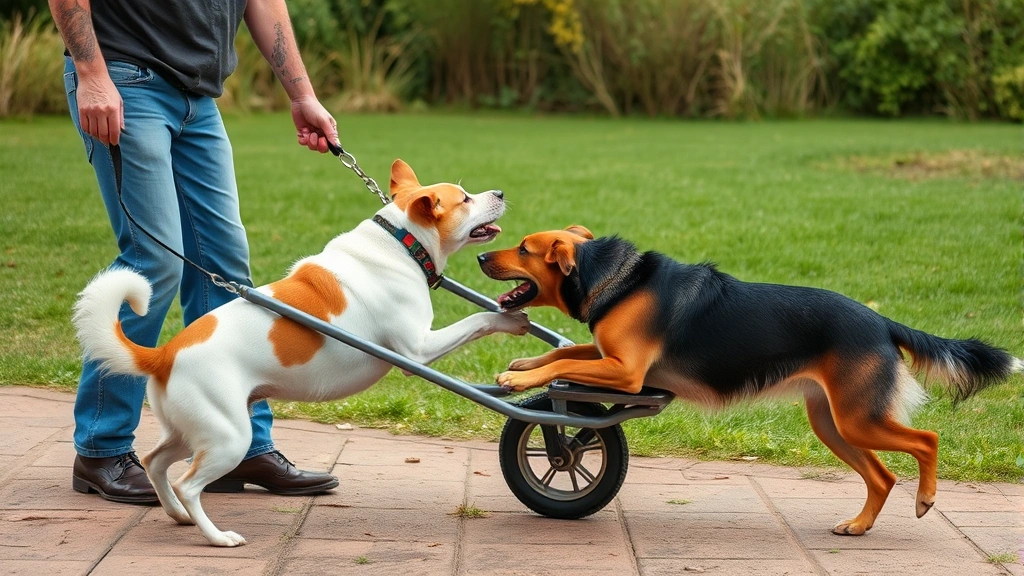
If prevention fails and dogs are already fighting, your primary goal is safety—yours and the dogs’. Never stick your hands directly into a fight; you’ll get bitten, guaranteed. Instead, try these proven methods: (1) Create loud noise and commotion—yell, clap, use an air horn. Dogs often pause momentarily when startled. (2) Use the “wheelbarrow” technique: grab the hind legs of one dog and lift them off the ground, then back away slowly while the owner does the same with their dog. (3) Throw a blanket or jacket over the dogs’ heads to disorient them. (4) Use a stick or broom handle to separate them—insert it between their bodies and create space. (5) If you have a water bottle, spray them directly in the face. The key is remaining as calm as possible while being decisive. Panicked energy makes everything worse. After separating the dogs, immediately put distance between them—different rooms, different yards, or have one person take their dog away entirely. Check both dogs for injuries and contact a vet if there’s any bleeding or obvious wounds. According to the American Kennel Club, even small puncture wounds can become infected quickly, so professional evaluation is crucial.

Understanding Aggression vs. Play Fighting
Here’s where things get tricky: not all rough-and-tumble behavior is fighting. Play fighting involves role-reversals (the dog on top lets the other dog get on top), play bows, relaxed facial expressions, and voluntary breaks. Real aggression involves stiff bodies, pinned ears, snarling, and no breaks in the action. If you’re unsure whether your dogs are playing or fighting, err on the side of caution and separate them. Better safe than sorry. Some breeds, like pit bulls and other powerful breeds, naturally play harder than smaller breeds, but the fundamental difference between play and aggression remains the same. Watch their faces—if they’re smiling (yes, dogs smile), they’re probably playing. If they look tense and focused, it’s time to intervene.
The Role of Training and Professional Help
If your dogs have a history of fighting or you’re dealing with severe aggression, professional training is non-negotiable. A certified dog trainer or veterinary behaviorist can assess the situation, identify triggers, and create a customized management plan. Don’t try to tough it out alone—this isn’t a reflection on your dog-owning abilities; it’s about getting expert guidance. Some dogs have genetic predispositions toward aggression, trauma histories, or medical issues (like pain from an injury) that trigger fighting behavior. A professional can rule out medical causes and develop appropriate interventions. Many trainers use positive reinforcement techniques to teach dogs alternative behaviors to aggression, which is far more effective than punishment-based methods.
Managing Multi-Dog Households
If you have multiple dogs at home, prevent fighting by managing resources carefully. Feed them in separate rooms, pick up toys when not supervised, and give each dog their own space to retreat to. Never force interactions; let dogs choose whether and when to engage with each other. Some dogs simply don’t like each other, and that’s okay—you can manage it. Use baby gates to create separate zones, establish a feeding routine that reduces competition, and never leave them unsupervised if there’s tension. Consider feeding them anti-inflammatory foods for pets to support overall wellness and reduce stress-related behaviors. Stress and poor nutrition can exacerbate aggressive tendencies, so holistic management matters.
Environmental Modifications to Reduce Conflict
Your environment plays a huge role in dog behavior. Overcrowding, lack of exercise, and high-stress situations increase the likelihood of fighting. Make sure each dog gets adequate physical exercise—a tired dog is a well-behaved dog. Create a calm home environment with appropriate enrichment (puzzle toys, chews, sniff games). Avoid situations that naturally create tension, like multiple dogs competing for your attention. If you’re taking your dog to the dog park and they’ve shown any signs of aggression, skip the dog park. It’s not worth the risk. Instead, arrange one-on-one playdates with dogs you know and trust. This gives your dog socialization without the chaos and unpredictability of a public park.
Health Considerations and Behavioral Triggers
Sometimes aggression stems from pain or illness. A dog with an ear infection, joint pain, or dental disease might be irritable and quick to snap. Before assuming behavioral issues, get a thorough veterinary checkup. Hormonal imbalances, neurological conditions, and metabolic disorders can all influence aggression. Additionally, be aware of substances that might trigger aggressive behavior. Avoid what not to feed your dog—certain foods and additives can increase anxiety and reactivity. If you’re ever concerned about poisoning or accidental ingestion, the Pet Poison Hotline is an invaluable resource. Spaying and neutering also reduces aggression in many cases, particularly territorial and sexual aggression.
Long-Term Management and Recovery
After a dog fight, both dogs need time to recover—physically and emotionally. Injuries heal, but psychological trauma can linger. A dog who’s been in a serious fight might develop fear-based aggression toward other dogs. This requires patience, positive reinforcement, and possibly medication (talk to your vet). Don’t rush reintroductions or force your dog back into situations that caused the trauma. Use remote pet health monitoring systems to keep tabs on stress levels and behavioral changes as your dog recovers. Some dogs benefit from calming supplements or anxiety medications during the recovery period. Work with a trainer to rebuild confidence and create positive associations with other dogs through controlled, rewarding experiences.
Frequently Asked Questions
Is it safe to break up a dog fight with your bare hands?
Absolutely not. Even the sweetest dog will bite when in fight mode—it’s purely instinctual. You’ll get injured, and you might escalate the situation. Always use tools like the wheelbarrow technique, blankets, or water spray instead. Your safety matters too.
Can two dogs who’ve fought before live together peacefully?
Sometimes, yes. It depends on the severity of the fight, the dogs’ temperaments, and whether the underlying cause can be addressed. Many dogs who’ve had one incident can coexist peacefully with proper management and training. Others need permanent separation. Work with a professional to assess your specific situation.
What breed of dogs fight the most?
Fighting isn’t breed-specific—any dog can fight under the right circumstances. However, certain breeds were historically bred for dog-fighting (like pit bulls), which means they might have genetic predispositions toward dog aggression even if they’re not actually aggressive. Individual temperament, socialization, and training matter far more than breed alone.
How do I know if my dog is dog-aggressive?
Signs include lunging at other dogs, growling or snarling when other dogs approach, stiff body posture around other dogs, and a history of fights or altercations. If your dog shows these signs, avoid off-leash situations and work with a trainer to manage the behavior.
Should I punish my dog after a fight?
No. Punishment after the fact teaches your dog nothing except to fear you. It doesn’t address the underlying cause of the aggression. Instead, focus on prevention and management going forward. If your dog was defending themselves, punishment is especially counterproductive.
Conclusion: Prevention Is Your Best Defense
Learning how to stop dogs from fighting ultimately comes down to prevention, awareness, and smart management. Most fights are entirely preventable through early socialization, recognizing warning signs, and creating appropriate distance between dogs. When prevention fails, knowing safe intervention techniques keeps everyone safe. Remember that dog aggression isn’t a character flaw—it’s a behavior that can be managed and often improved with proper training, veterinary care, and environmental modifications. Stay vigilant, keep your dog exercised and enriched, and don’t hesitate to seek professional help if needed. Your dogs’ safety and happiness depend on it.





