
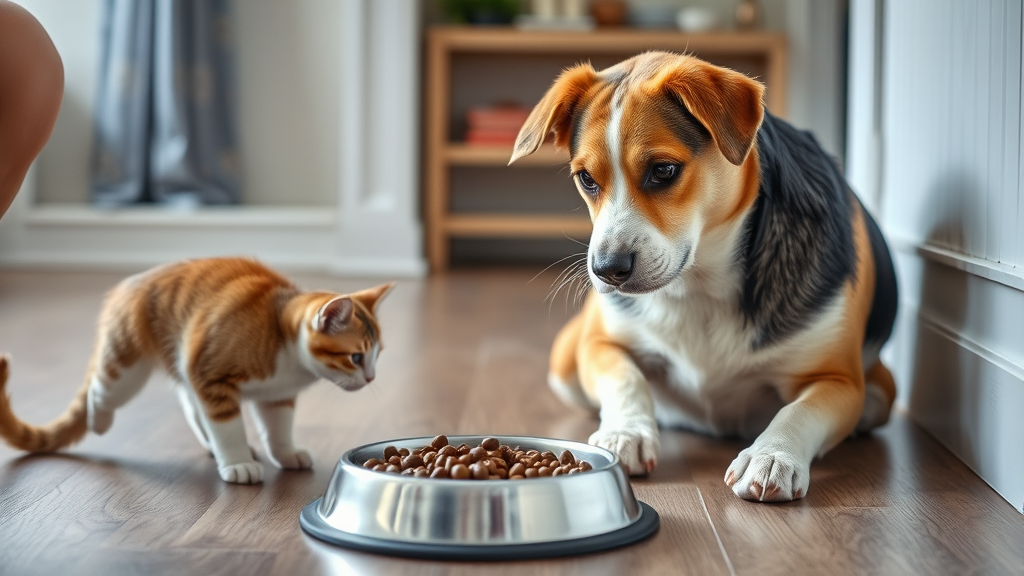
Many dog owners have found themselves in a situation where their curious canine companion has sneaked a few bites of the family cat’s food. While an occasional nibble might not cause immediate harm, regularly feeding your dog cat food can lead to serious health complications. Understanding the fundamental differences between dog and cat nutrition is crucial for maintaining your pet’s optimal health and preventing potentially dangerous dietary imbalances.
Dogs and cats have evolved with distinctly different nutritional requirements, and their commercial foods are formulated to meet these species-specific needs. Cat food contains significantly higher levels of protein, fat, and certain nutrients that, while essential for felines, can be excessive and harmful for dogs when consumed regularly. This comprehensive guide will explore why cat food poses risks to your dog’s health and what steps you can take to prevent dietary mishaps in multi-pet households.
Nutritional Differences Between Dog and Cat Food
The fundamental difference between dog and cat nutrition lies in their evolutionary backgrounds and metabolic requirements. Cats are obligate carnivores, meaning they require specific nutrients found only in animal tissue to survive. Dogs, on the other hand, are omnivores with more flexible dietary needs that can be met through a combination of animal and plant sources.
Cat food typically contains 26-50% protein, compared to dog food’s 18-25% protein content. This higher protein concentration is necessary for cats to maintain their muscle mass and support their faster metabolic rate. Additionally, cat food contains elevated levels of fat, often ranging from 9-15%, while dog food usually contains 5-8% fat. The Association of American Feed Control Officials (AAFCO) has established different nutritional profiles for cats and dogs, reflecting these distinct requirements.
Cats also require taurine, an amino acid that dogs can synthesize naturally but cats cannot. Cat food is fortified with taurine, along with higher levels of vitamin A, arachidonic acid, and niacin. These nutrients, while beneficial for cats, can create imbalances when consumed by dogs over extended periods.
Health Risks of Dogs Eating Cat Food
The elevated protein and fat content in cat food poses several health risks for dogs. When dogs consume cat food regularly, they intake significantly more calories than their bodies require, leading to rapid weight gain and obesity. The excess protein can strain the kidneys and liver, organs responsible for processing and eliminating protein waste products.
Pancreatitis represents one of the most serious immediate risks associated with dogs consuming cat food. The high fat content can trigger inflammation of the pancreas, a potentially life-threatening condition that requires immediate veterinary attention. Dogs with sensitive digestive systems or those prone to gastrointestinal issues face even greater risks when exposed to the rich formulation of cat food.
The nutritional imbalance created by cat food consumption can also disrupt a dog’s normal metabolic processes. Unlike the controlled environment where you might wonder about dogs being allergic to cats, dietary sensitivities from inappropriate food sources are entirely preventable through proper pet management.
Immediate Effects and Symptoms
When a dog consumes cat food, several immediate symptoms may manifest within hours. Gastrointestinal upset is the most common initial reaction, presenting as vomiting, diarrhea, or excessive gas. The rich, high-fat content of cat food can overwhelm a dog’s digestive system, particularly in breeds predisposed to sensitive stomachs.
Dogs may also exhibit increased thirst and urination as their kidneys work overtime to process the excess protein. Some dogs experience lethargy or restlessness as their bodies struggle to adapt to the sudden influx of concentrated nutrients. In severe cases, dogs may show signs of abdominal pain, including hunched posture, reluctance to move, or whimpering.
The severity of symptoms often correlates with the amount of cat food consumed and the individual dog’s size and health status. Small dogs are particularly vulnerable to adverse effects due to their lower body weight and smaller digestive capacity. If you notice any concerning symptoms after your dog has consumed cat food, it’s important to know what to feed a dog with diarrhea to help restore their digestive balance.
Long-Term Health Consequences
Regular consumption of cat food can lead to chronic health conditions that significantly impact a dog’s quality of life and lifespan. Obesity is perhaps the most visible long-term consequence, as the calorie-dense nature of cat food quickly exceeds a dog’s daily energy requirements. The American Veterinary Medical Association reports that obesity in dogs can lead to diabetes, heart disease, and joint problems.
Kidney disease represents another serious long-term risk. The excessive protein in cat food forces the kidneys to work harder to filter waste products, potentially leading to chronic kidney disease over time. This is particularly concerning for senior dogs or breeds predisposed to kidney problems. Liver damage can also occur as this organ struggles to process the unnaturally high levels of protein and fat.
Nutritional imbalances from prolonged cat food consumption can affect bone development in growing puppies and bone maintenance in adult dogs. The improper calcium-to-phosphorus ratio in cat food can interfere with bone mineralization and lead to skeletal abnormalities or increased fracture risk.
Prevention Strategies for Multi-Pet Households
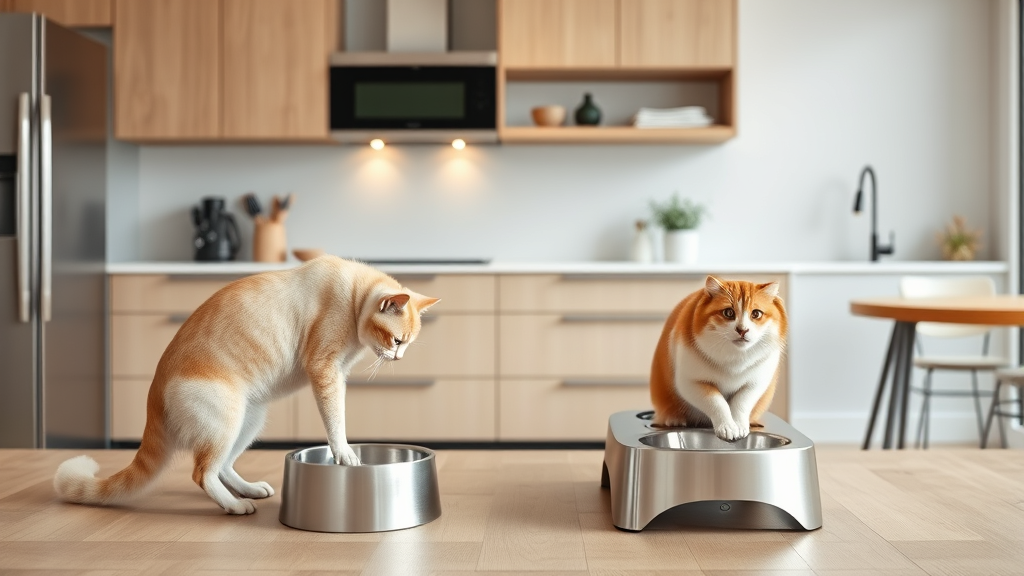
Preventing dogs from accessing cat food requires strategic planning and consistent implementation of feeding protocols. The most effective approach involves establishing separate feeding areas for cats and dogs, preferably in different rooms or at different elevations. Cats naturally prefer elevated feeding stations, making this an ideal solution that accommodates their preferences while keeping food away from dogs.
Scheduled feeding times rather than free-feeding help control access to food. Feed cats and dogs simultaneously but in their designated areas, and remove any uneaten food after 20-30 minutes. This prevents dogs from accessing leftover cat food and helps establish healthy eating routines for both species.
Physical barriers such as baby gates can create cat-only zones where food bowls remain inaccessible to dogs. Some pet owners install cat doors leading to feeding areas that are too small for dogs to access. Additionally, puzzle feeders and slow-feed bowls can make cat food less appealing to dogs while providing mental stimulation for cats.
Training plays a crucial role in prevention. Teaching dogs the “leave it” command provides an effective tool for redirecting their attention away from cat food. Consistent reinforcement and positive rewards for appropriate behavior help establish boundaries that protect both pets’ health and dietary needs.
What to Do If Your Dog Eats Cat Food
If you discover that your dog has consumed cat food, the first step is to assess the quantity and your dog’s current condition. Small amounts of cat food typically don’t require emergency intervention, but monitoring your dog for the next 24 hours is essential. Remove any remaining cat food from your dog’s access and provide fresh water to help with digestion and kidney function.
Document the amount of cat food consumed, the time of consumption, and any symptoms that develop. This information will be valuable if veterinary consultation becomes necessary. Contact your veterinarian if your dog shows signs of severe distress, persistent vomiting, diarrhea lasting more than 24 hours, or symptoms of pancreatitis such as abdominal pain or lethargy.
For dogs that regularly raid the cat’s food bowl, gradual dietary transition back to appropriate dog food may be necessary. Sudden dietary changes can cause additional digestive upset, so work with your veterinarian to develop a safe transition plan. Understanding how much food to feed your dog becomes particularly important during this adjustment period.
Some pet owners wonder about other cross-species interactions, such as whether dogs can eat cat poop, but focusing on preventing access to inappropriate food sources should be the primary concern for maintaining your dog’s health.
Proper Nutrition Guidelines for Dogs
Providing appropriate nutrition for dogs requires understanding their specific dietary needs and life stage requirements. High-quality commercial dog foods are formulated to meet FDA guidelines and AAFCO standards, ensuring balanced nutrition without the risks associated with cat food consumption.
Adult dogs typically require 18-25% protein in their diet, with the exact amount depending on their size, activity level, and health status. Active dogs and working breeds may need higher protein levels, while senior dogs or those with kidney issues may require reduced protein intake. Fat content should range from 5-8% for most adult dogs, providing essential fatty acids without the excessive calories found in cat food.
Life stage feeding is crucial for optimal health. Puppies require higher protein and calorie content to support growth and development, while senior dogs may need adjusted formulations to support aging organs and maintain healthy weight. Pregnant and nursing dogs have increased nutritional demands that require specialized diets rather than simply increasing food quantity.
The Humane Society recommends choosing dog foods with named protein sources as the first ingredient and avoiding foods with excessive fillers or by-products. Reading nutrition labels and understanding ingredient lists helps pet owners make informed decisions about their dog’s diet.
Regular veterinary consultations help ensure that your dog’s nutritional needs are being met appropriately. Some dogs may have specific dietary requirements due to allergies, health conditions, or breed predispositions that require customized feeding plans. Interestingly, while we focus on proper nutrition, some owners also wonder about other substances like whether dogs can eat catnip or if catnip works on dogs, highlighting the importance of understanding what’s appropriate for our canine companions.
Frequently Asked Questions
Is cat food bad for dogs if they only eat it occasionally?
Occasional consumption of small amounts of cat food is generally not harmful to healthy dogs. However, even infrequent consumption can cause digestive upset in sensitive dogs, and regular access should be prevented to avoid developing problematic eating habits or health issues.
What should I do if my dog prefers cat food over dog food?
Dogs often prefer cat food due to its higher fat and protein content, which makes it more palatable. If your dog shows preference for cat food, gradually transition to a high-quality dog food with appealing flavors, and ensure cat food remains completely inaccessible. Consulting with a veterinarian can help identify appropriate dog foods that satisfy your pet’s taste preferences while meeting nutritional needs.
Can eating cat food cause permanent damage to my dog?
While occasional consumption rarely causes permanent damage, regular intake of cat food can lead to chronic conditions such as obesity, kidney disease, liver problems, and pancreatitis. The severity of damage depends on the frequency and quantity consumed, as well as the individual dog’s health status and predisposition to certain conditions.
How long does it take for symptoms to appear after a dog eats cat food?
Symptoms typically appear within 2-12 hours after consumption, with gastrointestinal upset being the most common initial sign. Vomiting and diarrhea may occur within a few hours, while other symptoms like increased thirst or lethargy may take longer to manifest. Severe reactions such as pancreatitis may not show symptoms for 24-48 hours.
Are some dog breeds more susceptible to problems from eating cat food?
Yes, certain breeds are more vulnerable to adverse effects from cat food consumption. Small breeds face higher risks due to their size and metabolism, while breeds predisposed to pancreatitis (such as Miniature Schnauzers and Yorkshire Terriers) are particularly susceptible to the high-fat content. Dogs with existing health conditions or sensitive digestive systems also face increased risks.
Can I mix cat food with dog food to make it more appealing?
Mixing cat food with dog food is not recommended as it disrupts the balanced nutrition of the dog food and can still cause the health problems associated with cat food consumption. Instead, consider switching to a different flavor or brand of high-quality dog food, adding dog-safe toppers like plain cooked chicken, or consulting with a veterinarian about appetite stimulants if needed.
How can I tell if my dog has developed health problems from eating cat food?
Signs of health problems from cat food consumption include persistent digestive issues, unexplained weight gain, increased thirst and urination, lethargy, loss of appetite, vomiting, or changes in behavior. If your dog has been regularly consuming cat food and shows any of these symptoms, schedule a veterinary examination to assess for potential complications and develop an appropriate treatment plan.





